
Refill a Butane Lighter? Expert Tips Inside!
How to Refill a Butane Lighter: Expert Tips Inside
A quality butane lighter is an essential tool for many households, whether you use it for candles, grills, or other purposes. However, like any device that relies on fuel, butane lighters eventually run dry and need refilling. The good news is that refilling a butane lighter is a straightforward process that you can do yourself in just a few minutes, saving you money and extending the life of your favorite lighter.
Many people assume they need to replace their lighter once the fuel runs out, but this couldn’t be further from the truth. With the right supplies and a bit of know-how, you can keep your lighter working like new for years to come. This comprehensive guide will walk you through everything you need to know about refilling a butane lighter, from gathering the necessary materials to troubleshooting common problems.
Understanding Your Butane Lighter
Before you attempt to refill your butane lighter, it’s important to understand how it works. Butane lighters operate using pressurized butane gas stored in a sealed chamber. When you click the ignition mechanism, a spark ignites the butane vapor, creating a flame. The butane is stored under pressure, which keeps it in a liquid state despite being extremely cold.
There are several types of butane lighters on the market, each with slightly different refilling mechanisms. The most common type is the pocket lighter with a small refill valve located on the bottom or side. Some lighters have adjustable flame settings, while others maintain a consistent flame height. Understanding your specific lighter model is crucial because different designs may have different refilling procedures.
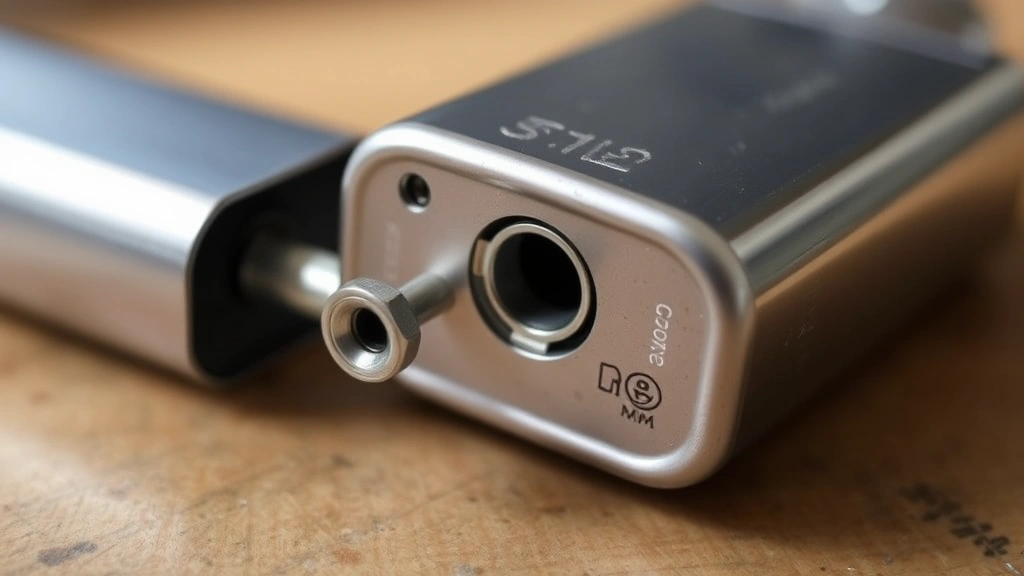
The key component you’ll be working with is the refill valve, a small metal port typically located on the underside of the lighter. This valve is where the butane enters and exits the lighter. It’s designed to withstand high pressure and is usually protected by a small cap or cover. When refilling, you’ll be inserting a specialized refill nozzle into this valve to inject new butane fuel.
Tools and Materials You’ll Need
Gathering the right supplies before you start is essential for a successful refill. Having everything on hand will make the process smoother and safer. Here’s what you’ll need:
- Butane fuel canister: Purchase a dedicated butane refill canister, not regular lighter fluid. Look for canisters specifically labeled for lighter refills, available at most convenience stores, tobacco shops, or online retailers.
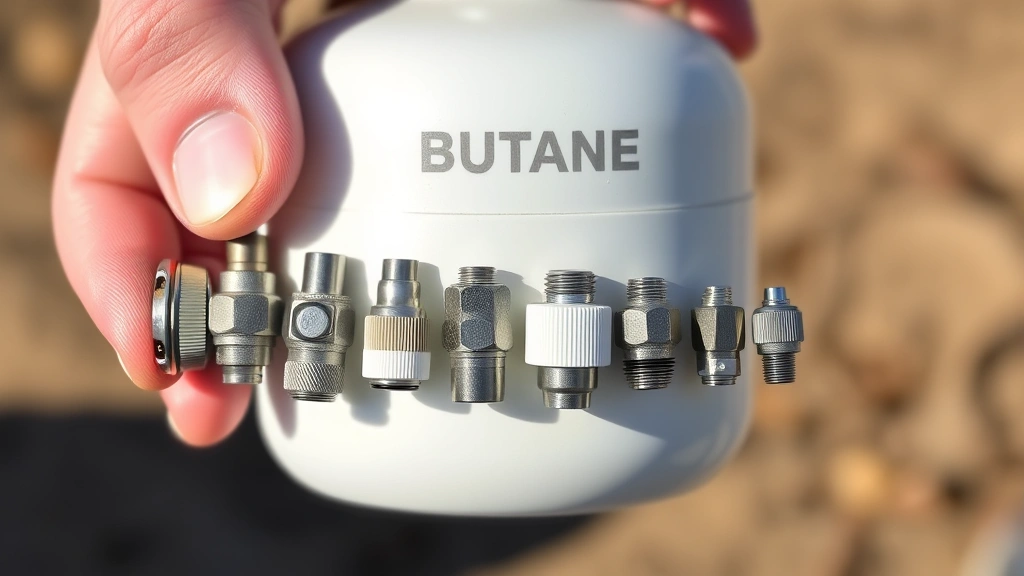
- Refill nozzle adapter: Most butane canisters come with multiple nozzle adapters of different sizes. These adapters fit onto the fuel canister and connect to your lighter’s refill valve.
- Small flathead screwdriver: Useful for adjusting flame height and sometimes for accessing the refill valve cap.
- Clean cloth or paper towels: For wiping away excess butane and keeping your work area clean.
- Well-ventilated workspace: Butane is highly flammable, so you need proper ventilation. Work outdoors or in a well-ventilated room away from open flames.
- Optional: butane siphon tool: If your lighter is completely full or you need to empty it before refilling, a siphon tool can help remove excess fuel.
You can find quality butane refill kits at major retailers like Lowe’s or Home Depot. These kits typically include the fuel canister and multiple nozzle adapters, making them an economical choice.
Step-by-Step Refilling Process
Now that you have all your materials ready, let’s walk through the actual refilling process. Follow these steps carefully to ensure success:
Step 1: Prepare Your Workspace
Choose a well-ventilated area, preferably outdoors or near an open window. Avoid any open flames, electrical sparks, or heat sources. Make sure your workspace is clean and dry, as butane can be slippery. Lay down some paper towels to catch any spilled fuel.
Step 2: Examine Your Lighter
Look at the bottom of your lighter to locate the refill valve. It’s usually a small metal port, sometimes with a protective cap. If there’s a cap, gently remove it and set it aside in a safe place. Examine the valve opening to determine which nozzle adapter size you’ll need.
Step 3: Purge Excess Fuel (Optional but Recommended)
If your lighter still has some fuel or if you want to ensure a complete refill, you can purge the remaining butane. Hold the lighter upside down and press the refill valve with a small screwdriver or the included tool for a few seconds. You’ll hear a slight hissing sound as the gas escapes. This step is especially important if you’re refilling a lighter that hasn’t been used in a while, as old fuel can affect performance.
Step 4: Select the Correct Nozzle Adapter
Examine your butane canister and the various nozzle adapters included. The adapter should fit snugly into your lighter’s refill valve without forcing. Try different adapters until you find the one that fits best. A proper fit is crucial for preventing fuel leaks during the refilling process.
Step 5: Connect the Refill Canister
Screw the selected nozzle adapter onto the butane canister according to the manufacturer’s instructions. Make sure it’s tight but don’t over-tighten, as this could damage the valve. Now you’re ready to connect to your lighter.
Step 6: Begin the Refill
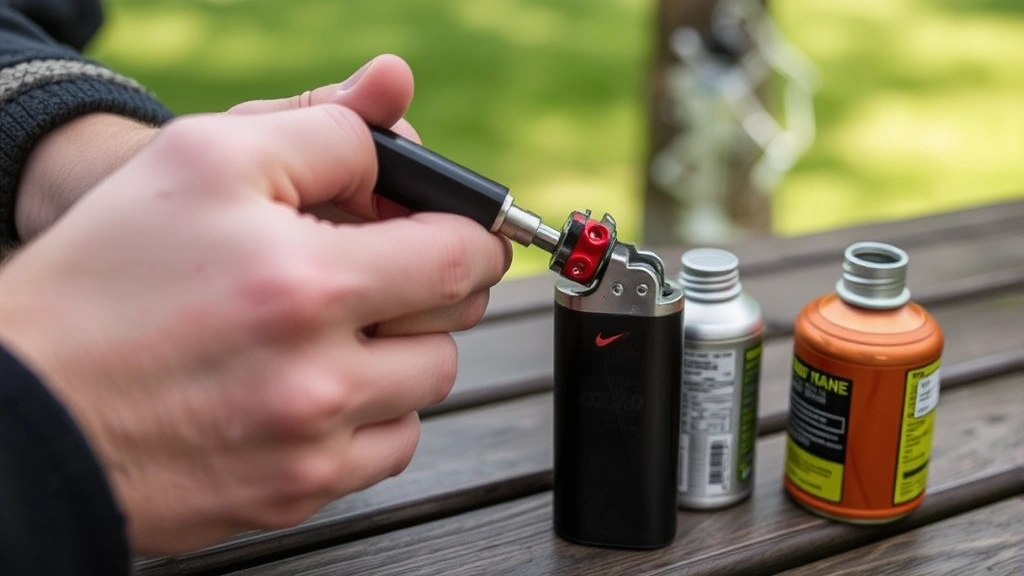
Hold your lighter upside down with the refill valve facing upward. Press the nozzle adapter firmly onto the lighter’s refill valve. You should hear a slight hissing sound, which indicates that butane is flowing into the lighter. Keep the nozzle pressed firmly against the valve to maintain a seal. The refilling process typically takes 5-10 seconds for a complete fill.
Step 7: Monitor the Refill
While refilling, watch for liquid butane to appear around the valve area. This indicates that the lighter is becoming full. You may feel the lighter become cold during this process, which is completely normal. Don’t refill for more than 10-15 seconds continuously, as this can overfill the lighter.
Step 8: Disconnect and Test
Once you’ve refilled for the appropriate time, disconnect the canister from your lighter by pulling the nozzle away. There may be a brief hissing sound as pressure equalizes. Wait a few seconds, then test your lighter by clicking the ignition mechanism. You should see a strong, consistent flame. If the flame is weak, you may need to refill for another few seconds.
Step 9: Adjust Flame Height (If Applicable)
Many lighters have an adjustable flame height control, usually located on the side or bottom. Use a small flathead screwdriver to adjust this to your desired flame height. Most lighters have markings indicating low, medium, and high settings.
Step 10: Replace the Protective Cap
If your lighter had a protective cap over the refill valve, replace it now. This helps prevent dust and debris from entering the valve and protects against accidental fuel leaks.
Safety Precautions and Best Practices
Working with butane requires respect and caution. Butane is a highly flammable gas that can be dangerous if not handled properly. Here are essential safety guidelines:
- Never refill near open flames: Butane is extremely flammable. Keep your lighter and butane canister away from any open flames, cigarettes, or heat sources.
- Work in a well-ventilated area: Butane vapors can accumulate in enclosed spaces. Always refill outdoors or in a room with excellent air circulation.
- Avoid skin contact: Butane evaporates rapidly and can cause frostbite-like injuries. Wear gloves if possible, and avoid touching the valve area during refilling.
- Don’t overfill: Overfilling can cause the lighter to leak or malfunction. Stick to the recommended refill time of 5-10 seconds.
- Store properly: Keep your butane canister in a cool, dry place away from heat and sunlight. Never store butane indoors for extended periods.
- Keep away from children and pets: Butane lighters are not toys. Store them safely out of reach.
- Read manufacturer instructions: Different lighter models may have specific refilling requirements. Always consult your lighter’s manual if available.
For additional safety information, check out This Old House’s safety guidelines, which provide comprehensive home safety recommendations.
Troubleshooting Common Issues
Problem: The lighter won’t ignite after refilling
Solution: This usually means the lighter wasn’t refilled enough or the spark mechanism is faulty. Try refilling again for a full 10 seconds. If it still doesn’t work, the ignition mechanism may be broken and the lighter may need replacement.
Problem: Fuel is leaking from the refill valve
Solution: You may have overfilled the lighter. Hold it upside down and press the refill valve with a screwdriver to release excess fuel. The leak should stop once excess pressure is relieved.
Problem: The flame is very weak or non-existent
Solution: The lighter needs more fuel. Refill it again, making sure to maintain a firm connection between the nozzle adapter and the refill valve. You may need to purge the lighter first to remove old fuel.
Problem: The lighter is cold and uncomfortable to hold
Solution: This is normal during and immediately after refilling. The rapid evaporation of butane causes the temperature to drop significantly. Simply wait a minute or two for the lighter to return to room temperature.
Problem: No fuel seems to be entering the lighter
Solution: Check that you’re using the correct nozzle adapter size. The adapter should fit snugly without forcing. Also verify that the lighter’s refill valve isn’t blocked by debris. If necessary, gently clean the valve with a dry cloth.
When to Replace vs. Refill
While refilling is usually the best option, there are situations where replacement might be more practical. Consider replacing your lighter if:
- The ignition mechanism is broken or unreliable
- The lighter has a crack or visible damage to the fuel chamber
- The refill valve is stripped or damaged and won’t hold fuel
- You’ve attempted multiple refills without success
- The lighter is extremely old and parts are no longer available
If your lighter is still in good condition but you want to try something different, check out our guide on how to start a fire for alternative fire-starting methods. For other household maintenance tips, explore our FixWiseHub Blog for a wealth of practical information.
Regular maintenance can extend your lighter’s lifespan significantly. If you refill your lighter every few months and keep it clean and dry, it should last for many years. This is far more economical than constantly buying new lighters.
FAQ
How often should I refill my butane lighter?
This depends on how frequently you use your lighter. A lighter used daily might need refilling every few weeks, while an occasional-use lighter might only need refilling once or twice a year. Most people can tell when their lighter needs fuel because the flame becomes weak or disappears entirely.
Can I use any type of butane for refilling?
No, you should only use butane specifically designed for lighter refills. Regular butane may contain impurities that can damage your lighter’s internal mechanisms. Look for lighter fluid or lighter refill butane at convenience stores or tobacco shops.
Is it safe to refill a lighter indoors?
While technically possible, it’s not recommended. Always refill your lighter in a well-ventilated area, preferably outdoors. Indoor refilling increases the risk of butane vapor accumulation, which is a fire hazard.
Why is my refill nozzle adapter not fitting my lighter?
Different lighters have different valve sizes. Most refill kits come with multiple adapter sizes. Try each adapter until you find one that fits snugly. If none fit, you may need a universal adapter or a different refill kit.
Can I refill a lighter that’s completely empty?
Yes, completely empty lighters are actually easier to refill than those with residual fuel. Simply follow the standard refilling procedure, refilling for 10-15 seconds to ensure a complete fill.
What should I do if I accidentally overfill my lighter?
Hold the lighter upside down and gently press the refill valve with a small tool to release excess fuel. You’ll hear a hissing sound as the pressure equalizes. Once the hissing stops, your lighter should be at the correct fuel level.
How long does a refill typically last?
A single refill typically lasts 1-3 months depending on usage frequency. Heavy users might need to refill more often, while occasional users might get several months of use from one refill.
Are there any environmental concerns with butane lighters?
Butane is a liquefied petroleum gas that’s relatively safe for the environment when used properly. However, improper disposal of old lighters can be problematic. Never throw lighters in the trash; instead, take them to a hazardous waste disposal facility or a store that accepts them for recycling.

Related Posts

Superscript in Google Docs: Expert Tips

Strikethrough in Excel: Easy Steps for Beginners
