

How to Pronounce Charcuterie? Expert Tips
How to Pronounce Charcuterie? Expert Tips for Getting It Right
Charcuterie has become a staple at dinner parties, wine tastings, and upscale gatherings across North America, yet many people stumble over its pronunciation. This French culinary term refers to a selection of cured meats, often arranged beautifully on boards with cheeses, fruits, and crackers. If you’ve ever felt uncertain about how to say this word aloud, you’re not alone—and we’re here to help you master it with confidence.
Understanding how to pronounce charcuterie correctly opens doors to more meaningful conversations about food, entertaining, and culinary traditions. Whether you’re hosting a dinner party, ordering at a restaurant, or simply want to sound knowledgeable when discussing food trends, this guide provides everything you need to know about pronouncing this elegant French word properly.
The Correct Pronunciation of Charcuterie
The correct pronunciation of charcuterie is shar-KOO-tuh-ree or more formally shar-coo-tuh-REE. The stress typically falls on the second-to-last syllable, though slight variations exist depending on whether you’re using a traditional French accent or the Anglicized version commonly heard in English-speaking countries.
In French, the original pronunciation is closer to shar-koo-tuh-REE, with the final syllable receiving the primary emphasis. However, in English-speaking regions, many people pronounce it as shar-KOO-tuh-ree with the emphasis on the third syllable, which has become widely accepted and understood. Both pronunciations are considered correct in contemporary usage, so don’t worry if you lean slightly toward one or the other.
The beauty of this word is that once you break it down into manageable pieces, pronunciation becomes straightforward. The initial “shar” sound flows naturally for English speakers, as it resembles the beginning of words like “sharp” or “share.” The challenging part for most people is the middle syllables, which require attention to the French vowel sounds.
Breaking Down Each Syllable
To truly master the pronunciation of charcuterie, let’s examine each syllable individually:
- SHAR – This first syllable sounds like the English word “shar” (rhymes with “car” or “far”). It’s pronounced with a clear, open “ah” sound, similar to what you’d use in “shark” or “charming.”
- KOO – The second syllable features a long “oo” sound, like the word “cool” or “boot.” This is where French pronunciation differs slightly from English, as the “u” in French has a rounded quality.
- TUH – The third syllable is a short, unstressed “uh” sound (schwa sound), similar to the “a” in “about” or the “er” in “butter.” This syllable receives minimal emphasis.
- REE
When you combine these syllables smoothly without pausing awkwardly between them, you’ll achieve the proper pronunciation. Practice saying each syllable separately first, then gradually increase your speed until the word flows naturally from your lips.
If you’re interested in mastering other culinary terms, you might also want to learn how to make specialty beverages at home, which often involves understanding French-influenced terminology in the coffee world as well.

Common Mispronunciations to Avoid
Several common mistakes plague English speakers when attempting to pronounce charcuterie. Being aware of these pitfalls helps you avoid them and speak with greater confidence:
- “Char-cue-tree” – This is one of the most frequent errors. People often separate the syllables too distinctly or emphasize the wrong parts, making it sound choppy rather than flowing.
- “Shar-koo-TEER” – Placing excessive emphasis on the final syllable and pronouncing the “ee” as “er” creates an incorrect Anglicized version that strays too far from the original.
- “Char-cuter-ee” – Adding extra syllables or mispronouncing the middle sections makes the word sound unfamiliar and incorrect.
- “Shar-COO-tree” – While this version is heard occasionally, placing the primary stress on the second syllable rather than the third is less standard in contemporary English usage.
- “Shard-cue-tree” – Pronouncing the initial “char” with a hard “d” sound at the end creates an entirely different word and is a common mishearing.
The key to avoiding these mistakes is slowing down your speech initially and really focusing on each syllable’s proper sound before speeding up. Many people rush through unfamiliar words, which compounds pronunciation errors.
The French Origins and Meaning
Understanding the word’s French origins provides valuable context for its pronunciation and meaning. Charcuterie comes from the French words “char” (meat) and “cuit” (cooked), literally translating to “cooked meat.” This etymology explains why the word emphasizes the “shar” sound at the beginning—it’s derived directly from the French word for meat.
In France, charcuterie refers specifically to the craft of preparing and selling cured, smoked, and processed meats. A charcutier is a person who specializes in this trade, similar to how a baker is someone who bakes bread. The tradition dates back centuries in France, where the preservation of meat through curing and smoking was essential for survival through winter months.
The pronunciation in French maintains a distinctly different character from English adaptations. French speakers produce the “r” sound from deeper in the throat, and the vowels have rounded qualities that English speakers don’t naturally produce. However, when English speakers attempt a French pronunciation, slightly modifying it to accommodate English phonetics is entirely acceptable and widely understood.
The culinary tradition of charcuterie has expanded globally, and with it, the pronunciation has evolved. Today’s English speakers have essentially created an accepted Anglicized version that honors the French origins while remaining accessible to English speakers. This linguistic evolution is natural and reflects how languages borrow and adapt terms from one another.
Practice Techniques for Mastering the Word
If you want to truly internalize the correct pronunciation, several proven techniques can help:
- Slow-motion practice – Say the word very slowly at first: “SHAR…KOO…TUH…REE.” Gradually increase your speed over multiple repetitions until it sounds natural at normal conversation pace.
- Record yourself – Use your phone’s voice recorder to capture your pronunciation, then compare it to audio examples online. This immediate feedback helps you identify which syllables need adjustment.
- Syllable clapping – While saying each syllable, clap your hands to establish the rhythm and stress pattern. This kinesthetic approach engages multiple learning modalities.
- Shadowing technique – Listen to native French speakers or professional English speakers pronounce the word, then immediately repeat what you hear, trying to match their intonation and rhythm.
- Use in sentences – Practice using charcuterie in complete sentences: “I’m preparing a beautiful charcuterie board for the dinner party.” Contextual usage reinforces proper pronunciation.
- Phonetic writing – Write out the pronunciation phonetically in a way that makes sense to you personally, then practice reading it aloud multiple times daily.
Consistency matters more than intensity when learning pronunciation. Practicing for five minutes daily yields better results than cramming for an hour once a week. Your mouth’s muscle memory develops through repeated, spaced exposure to the correct sounds.
Using Charcuterie in Conversation
Once you’ve mastered the pronunciation, confidently using the word in conversation reinforces your learning and demonstrates your knowledge. Here are scenarios where you might naturally use “charcuterie”:
- At restaurants – “Does your restaurant offer a charcuterie board as an appetizer?” or “I’d like to order the house charcuterie selection.”
- While entertaining – “I’m assembling a charcuterie board for our gathering” or “Would you like to help me arrange this charcuterie spread?”
- In food discussions – “The charcuterie at that Italian restaurant was exceptional” or “I’ve been learning more about traditional charcuterie techniques.”
- When shopping – “Where can I find quality charcuterie meats in your store?” or “Do you have any recommendations for charcuterie items?”
Using the word naturally in conversation helps solidify your pronunciation and builds confidence. Most people appreciate when others make genuine efforts to pronounce words correctly, and your attempt will likely be met with approval rather than criticism.
If you’re planning to host a dinner party featuring charcuterie, you might also benefit from learning about setting up entertainment systems or preparing beverages to complement your spread. Proper how-to guides and tutorials can help with various entertaining aspects.
Building Your Charcuterie Board Knowledge
Pronouncing charcuterie correctly is just the beginning of understanding this culinary tradition. Building comprehensive knowledge about charcuterie boards, the meats involved, and the presentation techniques enhances your ability to discuss and create these impressive spreads.
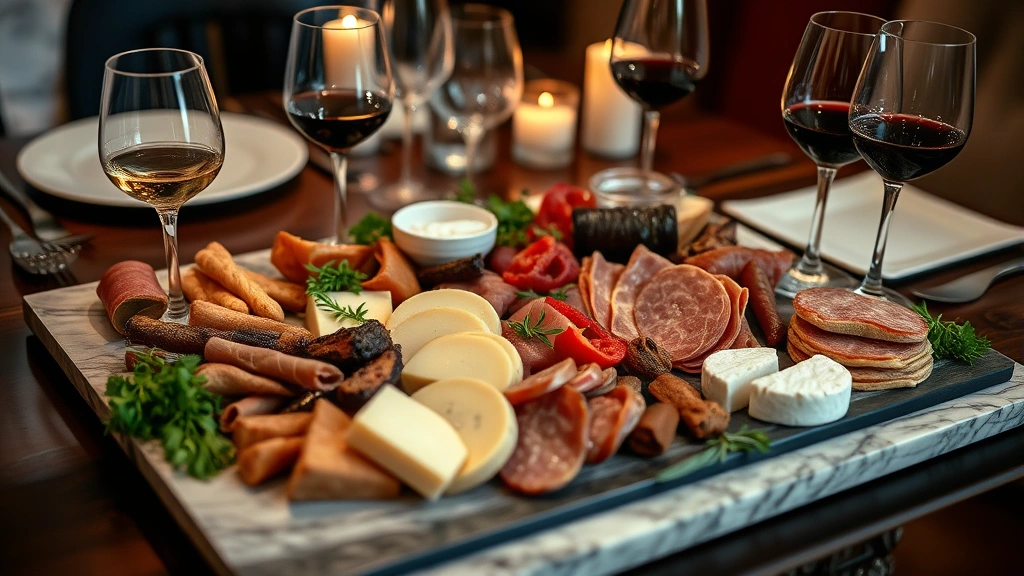
A traditional charcuterie board includes various cured meats such as prosciutto, salami, pâté, and soppressata. Each of these items has its own pronunciation challenges, but focusing on mastering “charcuterie” first gives you a strong foundation. Understanding the difference between these various meats and their flavor profiles helps you make informed selections when assembling your own board.
The presentation aspect of charcuterie is equally important as the ingredients. Arranging meats, cheeses, fruits, nuts, and crackers in an aesthetically pleasing manner transforms a simple collection of items into an elegant centerpiece. Learning about color balance, texture contrast, and spatial arrangement elevates your charcuterie boards from basic to impressive.
The pairing of wines and beverages with charcuterie is another dimension worth exploring. Different cured meats pair beautifully with specific wine styles, and understanding these pairings allows you to create cohesive entertaining experiences. French wines naturally complement traditional French charcuterie, though excellent pairings exist with wines from other regions as well.
For those interested in mastering other aspects of entertaining, learning precise measurements and attention to detail applies to many hosting scenarios. Similarly, understanding beverage preparation can complement your charcuterie offerings beautifully.
FAQ
Is the emphasis on the second or third syllable?
In traditional French pronunciation, the emphasis falls on the final syllable (REE). In English-speaking countries, the stress is commonly placed on the third syllable (KOO). Both are considered acceptable in modern English usage, though the French version is technically more accurate to the original.
Can I use an Anglicized pronunciation?
Absolutely. English has a long history of borrowing French words and adapting their pronunciations to fit English phonetics. Using a slightly Anglicized version of charcuterie is widely accepted and understood by English speakers. You don’t need to perfectly replicate a French accent to pronounce it correctly.
What if I still mispronounce it?
If you occasionally mispronounce charcuterie, most people will understand what you mean based on context. Language is primarily about communication, and slight variations in pronunciation rarely impede understanding. Continue practicing, and your pronunciation will improve naturally over time.
Are there other French food terms I should learn?
Yes, many French culinary terms are commonly used in English. Words like “cuisine,” “chef,” “menu,” and “hors d’oeuvre” all have interesting pronunciations worth learning. Focusing on terms you use frequently in conversation makes the learning process more practical and memorable.
How long does it take to master the pronunciation?
Most people can achieve comfortable pronunciation of charcuterie within a few days of consistent practice. Full mastery—where the word flows naturally from your lips without conscious thought—typically develops within one to two weeks of regular use and practice.
Should I correct others if they mispronounce it?
Gently correcting others depends on context and relationship. In casual settings, letting minor mispronunciations slide maintains social harmony. In professional culinary or entertaining contexts, a light, non-judgmental correction can be helpful and educational for everyone involved.

Related Posts

Superscript in Google Docs: Expert Tips

Strikethrough in Excel: Easy Steps for Beginners
