
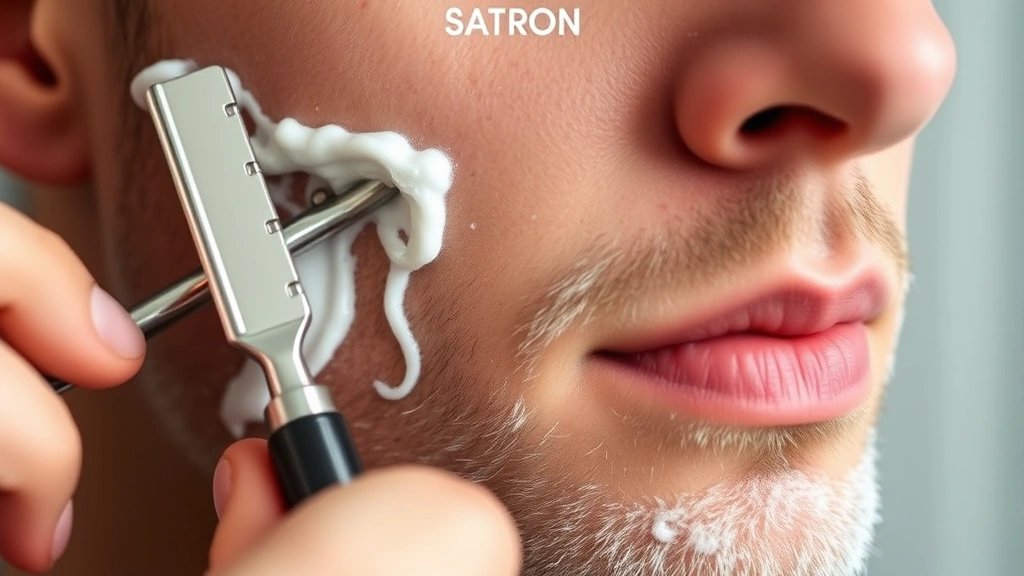
Prevent Razor Bumps: Tips from Dermatologists
Razor bumps, medically known as pseudofolliculitis barbae, are a common and frustrating skin condition that affects millions of people who shave regularly. These small, inflamed bumps occur when hair curls back and re-enters the skin after being cut, triggering an inflammatory response. While razor bumps are typically harmless, they can be uncomfortable, unsightly, and sometimes lead to infection if not properly managed. The good news is that with the right techniques and products, you can significantly reduce or even eliminate razor bumps entirely.
Dermatologists have spent decades studying this condition and have developed evidence-based strategies to prevent it. Whether you’re dealing with sensitive skin, curly hair, or simply using the wrong shaving technique, this comprehensive guide will walk you through everything you need to know about preventing razor bumps. We’ll explore the science behind why they occur, examine professional recommendations, and provide practical steps you can implement today.
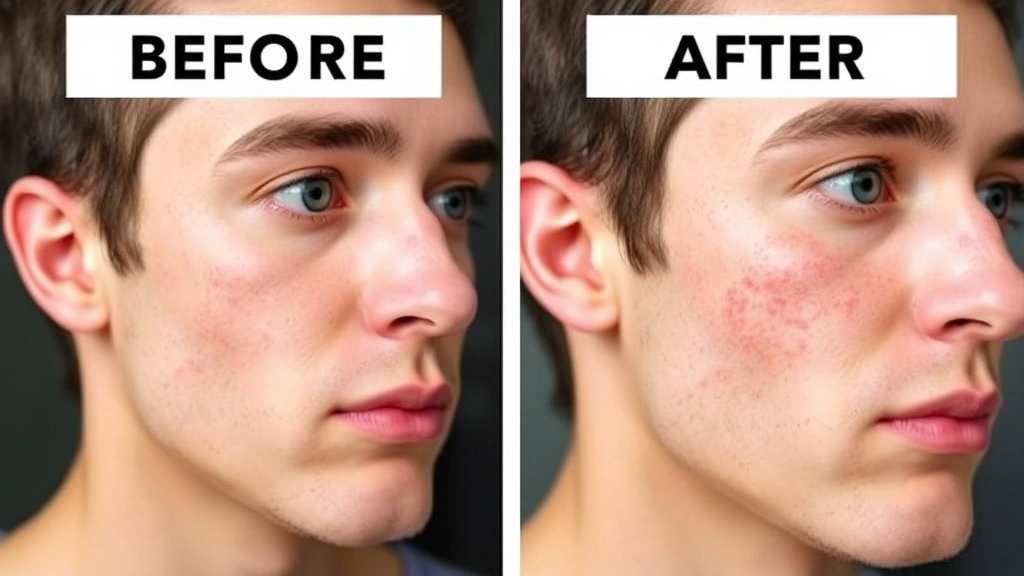
Understanding Razor Bumps and Why They Form
Razor bumps develop through a specific biological process that dermatologists have thoroughly documented. When you shave, the razor blade cuts hair at or just below the skin’s surface. In people with curly or coarse hair, the cut hair naturally curves back toward the skin. As the hair grows, its sharp tip pierces the skin, causing an inflammatory response that manifests as red, itchy bumps. This condition is particularly common in individuals with African, Mediterranean, or Hispanic heritage due to naturally curly hair patterns.
The inflammation that characterizes razor bumps is your body’s immune response to what it perceives as a foreign object. This can lead to discomfort, itching, and in severe cases, bacterial infection. Understanding this mechanism is crucial because it explains why certain prevention strategies work better than others. Rather than trying to treat razor bumps after they appear, dermatologists emphasize prevention through proper technique and product selection.
Several risk factors make you more susceptible to developing razor bumps. These include having curly or coarse hair, sensitive skin, shaving too closely, using dull blades, and not properly preparing your skin before shaving. If you’re dealing with frizzy hair, you likely have similar hair texture concerns that predispose you to razor bumps. Additionally, shaving in the wrong direction and failing to moisturize afterward can significantly increase your risk.

Proper Pre-Shave Preparation
Dermatologists consistently emphasize that preparation is the most critical step in preventing razor bumps. Your skin needs to be properly hydrated and softened before you pick up a razor. Begin by washing the area you plan to shave with warm water and a gentle cleanser. Warm water opens your pores and softens the hair, making it easier to cut without causing trauma to the skin.
After cleansing, apply a pre-shave oil or lotion to the area. These products create a protective barrier between your skin and the blade while further softening the hair. Many dermatologists recommend waiting 2-3 minutes after washing before shaving to allow the hair to fully absorb moisture and become more pliable. This simple step can dramatically reduce irritation and razor bumps.
Exfoliation is another crucial pre-shave step that many people overlook. Gently exfoliating 24 hours before shaving removes dead skin cells and helps prevent hairs from becoming trapped beneath the skin’s surface. However, avoid exfoliating immediately before shaving, as this can leave your skin too sensitive. Use a gentle chemical exfoliant with ingredients like salicylic acid or glycolic acid rather than harsh physical scrubs.
Hydration is essential both before and during the shaving process. Apply a quality shaving cream or gel that provides adequate lubrication and cushioning. Look for products containing glycerin, aloe vera, or other moisturizing ingredients. These create a smooth surface for the blade to glide across while protecting your skin from irritation. Avoid cheap, aerosol shaving creams that dry out quickly and provide minimal protection.
Choosing the Right Shaving Tools
The tools you use matter significantly when it comes to preventing razor bumps. A sharp, high-quality razor is absolutely essential. Dull blades tear at hair rather than cutting it cleanly, which leads to jagged edges that curl back into the skin more easily. Dermatologists recommend replacing razor blades every 5-7 shaves for optimal results, or more frequently if you have thick, coarse hair.
Single-blade or two-blade razors are generally superior to multi-blade razors when it comes to preventing razor bumps. While multi-blade razors might seem like they’d provide a closer shave, they actually increase the risk of ingrown hairs. The first blade cuts the hair, while subsequent blades cut it even shorter, pulling it beneath the skin’s surface. Single or double-blade razors cut at the optimal length to prevent this problem.
Safety razors are an excellent choice for preventing razor bumps because they provide better control and typically feature just one or two blades. Many people find that switching to a quality shaving tool dramatically improves their razor bump situation. Electric razors can also be effective, particularly rotary-style shavers that cut hair at a slightly longer length than traditional blades.
When selecting a razor, consider your skin type and hair characteristics. If you have very curly hair or sensitive skin, you might benefit from trying several options to find what works best. Avoid using the same razor for extended periods without cleaning it, as bacteria buildup can lead to infections that worsen razor bumps. Clean your razor thoroughly after each use and allow it to air dry completely.
Correct Shaving Technique
How you shave is just as important as what you use to shave. Dermatologists emphasize that shaving technique is one of the most overlooked factors in preventing razor bumps. The most critical rule is to shave in the direction of hair growth, never against it. While shaving against the grain provides a closer shave, it significantly increases the risk of razor bumps by cutting hair below the skin’s surface.
Apply light pressure when shaving rather than pressing hard. Many people believe that pressing harder will provide a closer shave, but this actually increases skin irritation and damage. Let the razor’s weight do the work, and make slow, deliberate strokes. This approach reduces trauma to the skin and produces a more even cut.
Rinse the blade frequently during shaving to remove hair and shaving cream buildup. A clogged blade can’t cut effectively and may skip or tear at hair. Keep a bowl of warm water nearby and rinse the blade every 1-2 strokes. This simple habit dramatically improves shaving quality and reduces irritation.
Avoid shaving too frequently. If possible, wait at least one day between shaves to allow your skin to recover. Daily shaving significantly increases the risk of razor bumps and other skin irritation. If you must shave daily, use the gentlest possible technique and invest in high-quality products designed for sensitive skin.
Post-Shave Care and Recovery
What you do after shaving is equally important as your preparation and technique. Immediately after shaving, rinse the area thoroughly with cool water to close your pores and reduce inflammation. Avoid hot water, which can further irritate your skin. Pat your skin dry gently with a clean towel rather than rubbing, which can cause irritation.
Apply an aftershave product specifically designed to prevent razor bumps rather than traditional alcohol-based aftershaves. Look for products containing ingredients like salicylic acid, glycolic acid, or benzoyl peroxide, which help prevent ingrown hairs by keeping pores clear. Many dermatologists recommend applying these products 2-3 times daily for the first few days after shaving.
Moisturize your skin immediately after shaving with a fragrance-free, non-comedogenic moisturizer. This helps soothe irritation and maintain the skin barrier. Look for products containing ceramides, hyaluronic acid, or glycerin. Proper moisturization is especially important if you’re meticulous about skincare routines in other areas of your life—apply the same attention to post-shave care.
Avoid activities that can irritate freshly shaved skin for at least 24 hours. This includes excessive sweating from exercise, tight clothing that rubs against the area, and exposure to harsh chemicals. If you must exercise after shaving, wear loose, breathable clothing and shower with lukewarm water afterward.
Products Dermatologists Recommend
Several specific products have been proven effective in preventing razor bumps. Look for shaving creams and gels containing moisturizing ingredients like glycerin, aloe vera, or shea butter. Brands that focus on sensitive skin formulations tend to work particularly well. Apply a generous layer and allow it to sit for 30 seconds before shaving to maximize its protective benefits.
Aftershave products containing salicylic acid or glycolic acid are particularly effective. These chemical exfoliants help prevent ingrown hairs by gently removing dead skin cells and keeping pores clear. Products like Family Handyman’s recommended grooming solutions often highlight dermatologist-approved options. Start with lower concentrations if you have sensitive skin, and gradually increase as your skin adapts.
Hydrocortisone cream or other mild topical steroids can help reduce inflammation if razor bumps do develop. However, these should be used sparingly and only when necessary, as prolonged use can thin the skin. Consult with a dermatologist before using steroid creams regularly.
Consider using a product specifically formulated to prevent ingrown hairs. These typically contain a combination of exfoliating and anti-inflammatory ingredients. Apply these products daily for the first week after shaving, then as needed. Many people find that consistent use prevents razor bumps from developing entirely.
Alternative Hair Removal Methods
If you continue experiencing razor bumps despite following all recommended prevention strategies, consider alternative hair removal methods. Depilatory creams dissolve hair at the skin’s surface rather than cutting it, which eliminates the problem of hair curling back into the skin. However, these products can be irritating for sensitive skin and have a strong chemical smell.
Waxing removes hair from the root, preventing regrowth for 3-6 weeks. While it can be uncomfortable initially, many people find that waxing eventually reduces razor bumps entirely. The longer hair growth cycle means less frequent irritation, and waxing doesn’t create the sharp edges that lead to ingrown hairs.
Laser hair removal is a more permanent solution that eliminates hair at the follicle level using concentrated light energy. Multiple treatments are required, but many people find the investment worthwhile for long-term results. This method is particularly effective for people with curly hair who are prone to razor bumps. Consult with a dermatologist to determine if you’re a good candidate.
Electrolysis is another permanent hair removal option that uses electrical current to destroy individual hair follicles. While more time-intensive than laser removal, it works on all hair and skin types. Many dermatologists recommend these permanent solutions for people with severe, recurring razor bump problems.
Threading is an excellent option for facial hair removal that creates minimal irritation. This ancient technique uses twisted thread to remove hair at the follicle level without the trauma associated with shaving. If you’re struggling with how to prevent razor bumps, threading might be worth exploring for facial areas.
Frequently Asked Questions
What exactly causes razor bumps to form?
Razor bumps form when hair is cut too short and curls back into the skin, triggering an inflammatory response. This is especially common in people with curly or coarse hair. The body treats the ingrown hair as a foreign object, causing redness, swelling, and itching. Understanding this mechanism helps explain why certain prevention strategies are more effective than others.
How long does it take for razor bumps to go away?
Most razor bumps resolve within 7-14 days with proper care. However, if they become infected, they may take longer to heal and could require medical attention. Applying appropriate aftershave products and avoiding irritation can speed up the healing process. If razor bumps persist beyond two weeks, consult a dermatologist.
Can razor bumps lead to serious complications?
While most razor bumps are harmless, they can occasionally become infected if you pick at them or fail to keep the area clean. Infected razor bumps may develop into more serious skin conditions requiring antibiotic treatment. To prevent complications, avoid picking at bumps and maintain good hygiene in the affected area.
Is there a difference between razor bumps and ingrown hairs?
Razor bumps and ingrown hairs are closely related but slightly different. Ingrown hairs occur when hair grows back into the skin, while razor bumps are the inflammatory response to this process. All razor bumps involve ingrown hairs, but not all ingrown hairs result in visible bumps.
Can women prevent razor bumps as effectively as men?
Yes, the same prevention strategies work for both men and women. However, women may experience fewer razor bumps overall because they typically shave less frequently and in smaller areas. The same principles of proper preparation, technique, and aftercare apply regardless of gender.
Are electric shavers better than blade razors for preventing razor bumps?
Electric shavers can be effective, particularly rotary-style models that cut hair at a slightly longer length. However, they’re not necessarily better than properly used blade razors. The key is choosing a method that works for your individual hair type and skin sensitivity, then using proper technique consistently.
What should I do if I develop razor bumps despite prevention efforts?
If you do develop razor bumps, stop shaving the affected area for at least 3-5 days to allow healing. Apply appropriate aftershave products containing salicylic acid or glycolic acid. Keep the area clean and moisturized. If bumps become infected or don’t improve within two weeks, consult a dermatologist for professional treatment options.

Related Posts

Superscript in Google Docs: Expert Tips

Strikethrough in Excel: Easy Steps for Beginners
