
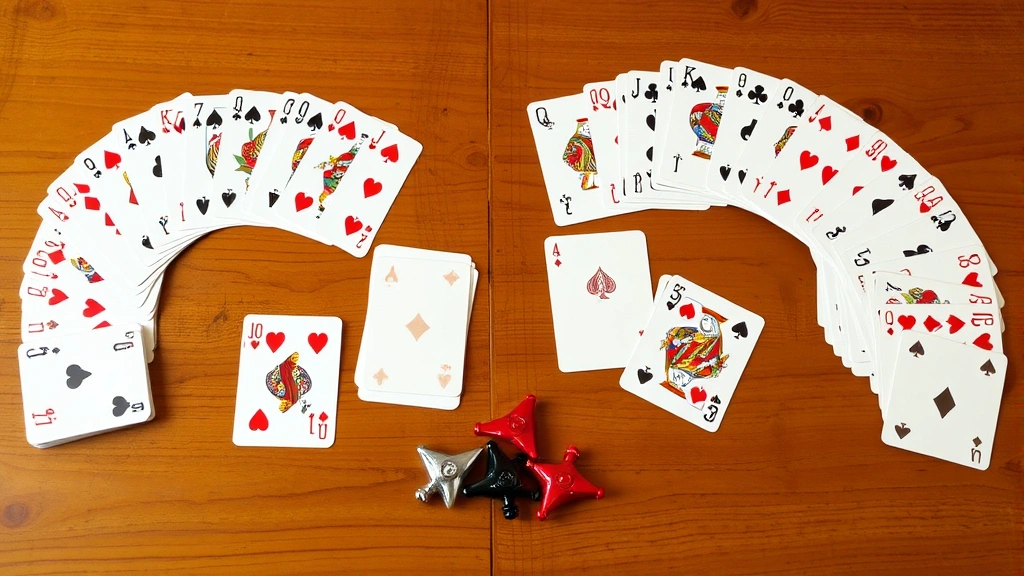
How to Play Canasta? Beginner’s Guide
How to Play Canasta: Beginner’s Guide
Canasta is a captivating card game that combines strategy, luck, and social engagement, making it perfect for family gatherings and game nights. This rummy-style game, which originated in Uruguay in 1939, has become a beloved pastime across the globe. Whether you’re looking to learn a new hobby or teach others, understanding the fundamentals of canasta will have you playing confidently in no time.
In this comprehensive beginner’s guide, we’ll walk you through everything you need to know about canasta, from basic rules and card values to winning strategies and common mistakes. By the end, you’ll be ready to shuffle up and join a game with friends and family. Let’s dive into the exciting world of canasta!
What is Canasta?
Canasta is a card game for two to six players that uses two standard decks of cards plus jokers. The name “canasta” comes from the Spanish word for “basket,” referring to the tray used to hold the cards. The primary objective is to meld cards into sets and sequences while blocking your opponents from doing the same.
The game requires strategic thinking, memory, and the ability to adapt to changing circumstances. Unlike some card games that rely purely on luck, canasta rewards players who understand hand management and can anticipate opponent moves. It’s an excellent game for developing critical thinking skills while having fun with others.
If you enjoy games that combine elements of chance with strategic decision-making, you might also appreciate learning new recreational activities that challenge your mind. Canasta fits perfectly into a collection of engaging pastimes.
Game Setup and Equipment
To play canasta, you’ll need the following equipment:
- Two standard decks of playing cards: This includes 104 cards total
- Eight jokers: Four from each deck, which act as wild cards
- Scoring pad and pencil: Essential for tracking points throughout the game
- A flat playing surface: A table works perfectly
Before beginning, shuffle both decks together thoroughly to ensure randomness. Decide on the player order by having each player draw a card; the highest card goes first. Deal 11 cards face-down to each player, one at a time. Place the remaining cards in the center as the draw pile, and flip the top card to start the discard pile.
The player to the dealer’s left begins play. If you’re setting up a game, make sure everyone understands their position and the basic flow before dealing. Clear communication about house rules prevents confusion later. For more detailed guidance on organizing group activities, check out our comprehensive how-to guides.
Card Values and Melds
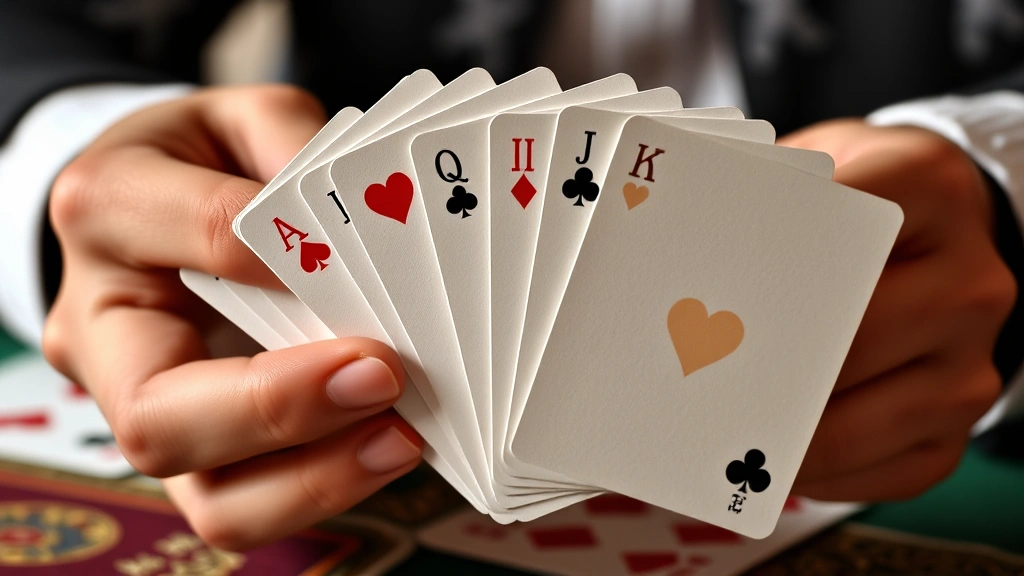
Understanding card values is crucial for scoring and strategic decision-making in canasta. Each card has a specific point value:
- Aces and twos: 20 points each (these are premium cards)
- Kings, queens, jacks, and tens: 10 points each
- Nines, eights, and sevens: 5 points each
- Sixes, fives, fours, and threes: 5 points each
- Jokers and wild cards: 50 points each
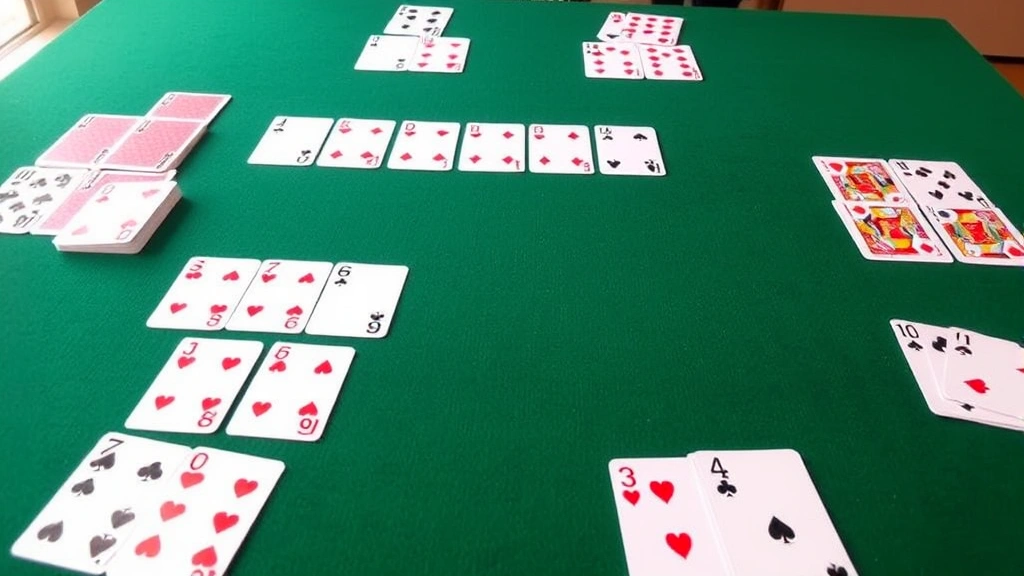
A meld is a combination of cards that you lay down on the table. Valid melds include sequences of the same suit or sets of the same rank. For example, three hearts in sequence (5-6-7 of hearts) or three sevens of different suits are both valid melds. You must have a minimum of three cards to form a legal meld.
Canasta melds must contain at least seven cards to be considered a “canasta.” A canasta can be natural (all cards of the same rank) or mixed (containing wild cards). Natural canastas are worth more points than mixed ones, providing incentive for strategic card retention.
Basic Rules and Turn Structure
Each turn follows a consistent structure that becomes second nature with practice:
- Draw a card: Start by drawing either from the draw pile or the top card of the discard pile
- Meld cards (optional): If you have valid combinations, you may lay them on the table
- Add to existing melds: You can add cards to melds already on the table, whether yours or opponents’
- Discard: End your turn by placing one card face-up on the discard pile
One crucial rule involves the discard pile: you cannot pick up the discard pile unless you can immediately use the top card in a meld. This prevents players from simply hoarding cards and forces strategic decisions about what you discard.
The game continues until one player has no cards remaining in their hand. That player must have melded or discarded all their cards. The round then ends, scores are calculated, and players begin a new round if desired.
Scoring System
Scoring in canasta is comprehensive and rewards strategic play. After all players have completed their melds and one player goes out, calculate points as follows:
Points for melds: Add up all point values of cards in your melds. Natural canastas (seven or more cards of the same rank without wild cards) earn a 500-point bonus. Mixed canastas (containing wild cards) earn a 300-point bonus.
Penalties for unmelded cards: Any cards remaining in your hand are subtracted from your score at their face value. This encourages players to meld strategically and avoid getting stuck with high-value cards.
Bonus for going out: The player who goes out first receives a 100-point bonus. If they go out without drawing from the discard pile, they earn a special bonus called “going out concealed,” worth 200 points.
Games typically continue until one player reaches 5,000 points, though you can adjust this target based on your preferences. Some variations use 8,000 points for longer, more competitive games. Tracking scores accurately ensures fair play and maintains the integrity of the competition.
Winning Strategies
Mastering canasta requires more than knowing the rules; strategic thinking separates casual players from skilled ones. Here are essential strategies for improving your game:
Manage your hand carefully: Hold onto high-value cards like aces and twos as long as possible, as they’re valuable for melds and bonuses. However, don’t hold them so long that you get stuck if another player goes out.
Block your opponents: Pay attention to what cards others are collecting. Discard cards they likely need to prevent them from forming melds. This defensive strategy can significantly impact game outcomes.
Build toward canastas: Focus on creating seven-card melds rather than spreading yourself too thin across multiple smaller melds. Canastas provide substantial bonus points and give you more flexibility in your plays.
Use wild cards strategically: Jokers and twos are valuable wild cards, but using them in melds creates mixed canastas worth fewer points. Sometimes it’s better to hold them for flexibility in future turns.
Time your discard pile pickup: Picking up the discard pile can give you many cards to work with, but only do it when you’re confident you can meld effectively. Don’t overextend yourself.
For comprehensive guidance on strategic game planning, explore our complete canasta guide for advanced tactics.
Common Mistakes to Avoid
Learning what not to do is as important as learning proper technique. Here are common canasta mistakes that beginners make:
- Premature melding: Don’t meld cards too early in the game. Hold back and wait for better opportunities to create stronger combinations
- Ignoring the discard pile: Many beginners forget that the discard pile is a resource. Strategic use of the discard pile can turn games in your favor
- Discarding wild cards carelessly: Never discard jokers or twos unless absolutely necessary. These cards are too valuable to waste
- Failing to track opponents’ cards: Pay attention to what other players are collecting and what they’ve discarded. This information guides your strategic decisions
- Overcommitting to one meld: Don’t focus all your efforts on a single meld. Diversify your card combinations for flexibility
- Forgetting the 50-point opening requirement: In some canasta variations, your first meld must have at least 50 points. Verify house rules before starting
These mistakes are easy to correct once you’re aware of them. Focus on one or two improvements per game, and you’ll rapidly develop into a proficient canasta player.
FAQ
How many players can play canasta?
Canasta works best with two to six players. Two-player games are possible but require adjusted rules. Three to four players is ideal for balanced gameplay and strategic depth.
Can I play canasta with just one deck of cards?
Standard canasta requires two complete decks plus jokers. Playing with one deck changes the game significantly and isn’t recommended for beginners. Once you master standard rules, you can experiment with variations.
What’s the difference between a natural and mixed canasta?
A natural canasta contains seven or more cards of the same rank without any wild cards, worth 500 bonus points. A mixed canasta includes one or more wild cards and is worth 300 bonus points. Natural canastas are more valuable.
How do wild cards work in canasta?
Jokers and twos act as wild cards that can represent any card value. They’re useful for completing melds but create mixed canastas worth fewer points. Use them strategically rather than immediately.
What happens if the draw pile runs out?
If the draw pile is exhausted, players shuffle the discard pile (except the top card) to create a new draw pile. The game continues until someone goes out.
Can I pick up the entire discard pile?
Yes, if the top card matches cards in your hand, you can pick up the entire pile. However, you must immediately meld the matching cards along with the top card from the pile.
Is there a penalty for going out?
No, going out is rewarded with bonus points. The first player to meld all cards and discard their final card earns 100 points (or 200 for going out concealed).
Where can I find more detailed canasta rules?
For comprehensive rule books and variations, visit Pagat’s Canasta Rules or Classic Games for authoritative guidance on standard and regional variations.

Related Posts

Superscript in Google Docs: Expert Tips

Strikethrough in Excel: Easy Steps for Beginners
