
Can You Master Canasta? Expert Tips Inside!
Can You Master Canasta? Expert Tips Inside!
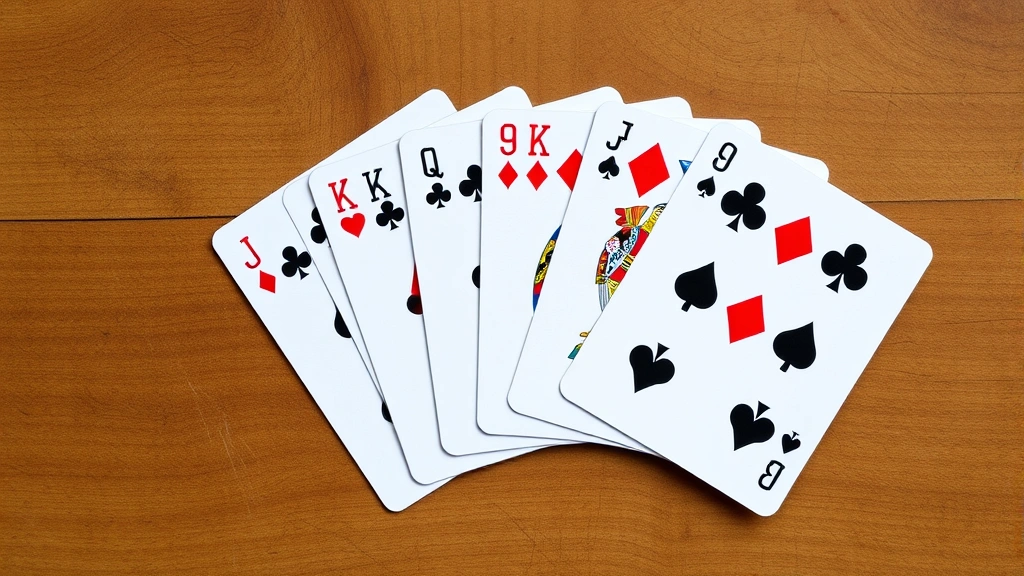
Canasta is a captivating card game that blends strategy, skill, and social enjoyment into one engaging pastime. Whether you’re looking to impress friends at game night or develop a serious competitive edge, mastering canasta requires understanding its fundamental rules, developing strategic thinking, and practicing consistently. This comprehensive guide will walk you through everything you need to know to become a canasta expert.
The beauty of canasta lies in its accessibility for beginners combined with the depth that keeps experienced players engaged for years. Originally developed in Uruguay in the 1930s, this rummy-style game has evolved into a beloved pastime across the globe. By following the expert tips and strategies outlined in this guide, you’ll transform from a curious newcomer into a confident player capable of holding your own at any canasta table.
Understanding the Basics of Canasta
Canasta is fundamentally a game about creating melds—combinations of cards that follow specific rules. The core objective is to accumulate points by laying down melds of seven or more cards of the same rank. Understanding these foundational concepts is essential before diving into advanced tactics.
The game uses two standard decks of 52 cards plus four jokers, creating a total of 108 cards. Wild cards, including all jokers and deuces (twos), play a crucial role in forming melds. A meld requires a minimum of three cards of the same rank, with wild cards able to substitute for any rank. This flexibility makes canasta more forgiving than some other rummy variants, allowing for creative gameplay.
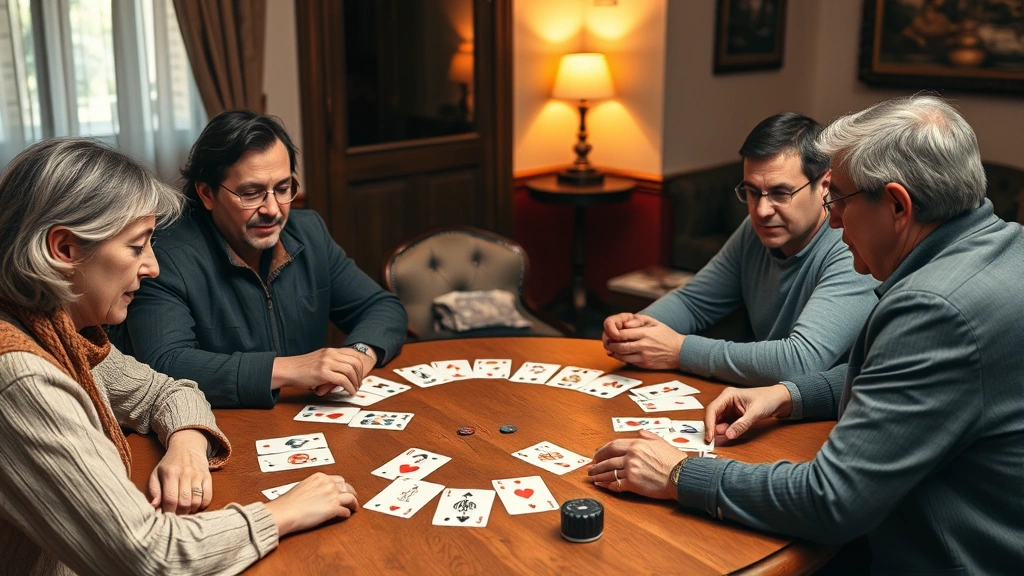
In canasta, players work in partnerships, typically two pairs sitting across from each other. This team-based structure adds a social dimension and requires communication through careful observation of play patterns and subtle signals. The partnership dynamic means your success depends not only on your individual decisions but also on how well you coordinate with your teammate.
Each player’s turn follows a simple sequence: draw a card, meld if possible, and discard one card. However, the strategic implications of these actions run deep. Knowing when to draw from the discard pile, what to meld, and which cards to discard can mean the difference between victory and defeat. Refer to our complete guide on how to play canasta for detailed rule clarifications.
Game Setup and Card Distribution
Proper setup is the foundation of a successful canasta game. Each player receives 15 cards dealt in groups of three, one card at a time, ensuring fairness and consistency. The remaining cards form the stock pile, with the top card placed face-up to start the discard pile. This initial distribution significantly impacts early game strategy.
The player to the dealer’s left plays first, and play continues clockwise around the table. Understanding turn order is crucial because it affects which melds you can lay down and when you should hold back strategic cards. The dealer rotates after each game, giving everyone equal opportunities to benefit from favorable seating positions.
Before play begins, establish clear house rules regarding scoring bonuses, frozen discard piles, and partnership communication. Many canasta groups use variations that add complexity and excitement. Some variants require higher minimum meld values, while others include special bonuses for specific card combinations. Clarifying these rules prevents disputes and ensures everyone enjoys the game equally.
The discard pile’s frozen or unfrozen status affects whether players can pick it up. A frozen pile typically occurs when a wild card is on top or when specific conditions are met. Understanding when the pile freezes and unfreezes is essential for planning your draws and discards. This mechanic creates interesting tactical opportunities for experienced players.
Mastering the Melding System
Melding is the heart of canasta, and mastering this system separates casual players from true experts. A basic meld consists of three or more cards of the same rank. Once a meld is laid down, you can add cards to it on subsequent turns, either your own or your teammate’s additions. This flexibility creates opportunities for strategic card management.
Natural melds contain no wild cards, while mixed melds include one or more wild cards substituting for natural cards. Most canasta variations limit mixed melds to a maximum of three wild cards per meld. Knowing this constraint helps you plan which cards to hold and when to use your wild cards strategically.
A canasta is a meld of seven or more cards, and achieving this is the key to accumulating significant points. The first canasta your partnership creates earns substantial bonus points, making this a critical objective. Some players prioritize reaching their first canasta above all else, while others balance this with defensive play to prevent opponents from scoring heavily.
Red threes are special cards that provide bonus points but cannot be melded in the traditional sense. When dealt red threes, you immediately place them face-up and draw replacement cards. Red threes on the table contribute to your meld count and provide scoring bonuses, making them valuable assets. If your team hasn’t melded yet, holding red threes until you can lay down your first meld can provide significant advantages.
Black threes serve a defensive purpose—they cannot be melded except as a set of three or more at game’s end. Strategically placing black threes on the discard pile blocks opponents from picking up the pile, making them valuable defensive tools. Understanding when to deploy black threes separates competent players from masters of the game.
Strategic Discard Techniques
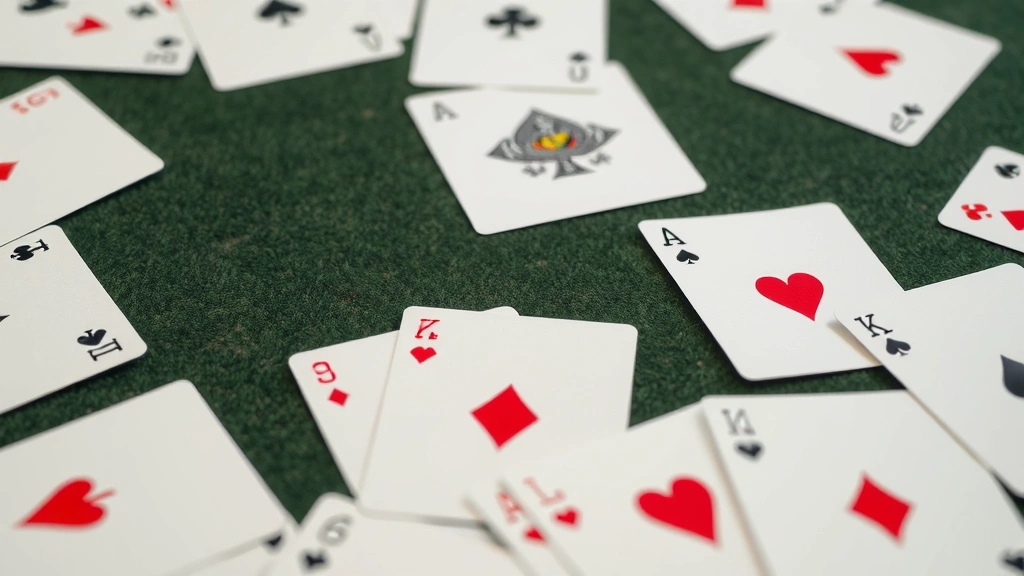
Discarding is where canasta strategy truly shines. Every card you discard provides information to your opponents and affects the discard pile’s attractiveness. Expert players carefully consider each discard, balancing the need to reduce their hand with the desire to prevent opponents from accessing valuable cards.
High-value cards like aces, kings, and queens should generally be discarded early unless you have a clear plan to meld them. Holding onto these cards increases your hand size and limits your options. Conversely, cards that duplicate your teammate’s melds or that you’re unlikely to use should be discarded cautiously to avoid helping opponents.
The discard pile becomes increasingly valuable as it grows larger. Players naturally want to pick it up when it contains useful cards. By discarding cards that are unlikely to help opponents, you reduce the pile’s appeal. However, if you suspect the pile will be picked up soon, discarding cards that support your own melds can backfire.
Freezing the discard pile through strategic wild card placement is an advanced technique. By placing a wild card or black three on the pile, you prevent opponents from easily accessing it. This defensive maneuver requires careful timing and knowledge of what cards remain in play. Learning when to freeze the pile and when to leave it accessible is crucial for intermediate players advancing to expert status.
Communication with your teammate happens through your discard choices. If you discard a card your partner has been collecting, you’re signaling that you don’t need that rank. Conversely, discarding cards your partner doesn’t seem interested in preserves the pile for your team. This silent communication, combined with careful observation of your opponents’ plays, creates a rich layer of strategic depth.
Advanced Scoring Strategies
Understanding canasta’s complex scoring system is essential for making strategic decisions. Different card combinations carry different point values, and bonus points can dramatically shift the game’s outcome. Expert players internalize these values and use them to guide their decisions throughout the game.
Natural melds earn full value for each card, with face cards worth 10 points, numbered cards worth their face value, and aces worth 15 points. Wild cards in mixed melds typically don’t count toward the meld’s value in many variations. Reaching the required minimum meld value (often 50 or 90 points depending on your team’s accumulated score) determines when you can begin melding.
Canastas earn substantial bonus points: 500 points for a natural canasta and 300 points for a mixed canasta. These bonuses represent nearly 20% of a typical game’s total points, making the race to form canastas critically important. Strategic players often sacrifice short-term advantages to ensure they achieve canastas before opponents do.
Going out—melding all cards in your hand—provides a 100-point bonus and ends the round. However, going out isn’t always optimal; sometimes keeping cards in hand prevents opponents from scoring. Advanced players calculate whether the going-out bonus outweighs the value of remaining cards they could play.
Red threes contribute 100 points each to your team’s score, or minus 100 points if your team hasn’t melded. These cards create interesting strategic considerations: should you meld early to secure red three bonuses, or hold back to prevent opponents from accessing the discard pile? The answer depends on your team’s position and the game state.
Common Mistakes to Avoid
Even experienced canasta players occasionally fall into strategic traps. Learning from common mistakes accelerates your path to mastery and prevents frustrating losses that come from preventable errors.
One critical mistake is melding too early without sufficient cards to build toward canastas. Players sometimes lay down melds with just three or four cards, only to find they lack the additional cards needed to complete canastas. This premature melding telegraphs your hand composition to opponents and squanders opportunities to score bonus points.
Failing to track which cards remain in play is another common error. Expert players maintain mental notes of cards they’ve seen discarded and melded. This information helps them predict what cards opponents hold and make informed decisions about which cards to discard safely. Developing this mental tracking ability distinguishes casual players from serious competitors.
Over-protecting the discard pile with black threes and wild cards can backfire. While defensive play has value, focusing exclusively on prevention while neglecting your own scoring opportunities leaves points on the table. Balance between offense and defense based on the current game state and score differential.
Ignoring your teammate’s signals through their discards and melds is a partnership-level mistake. Canasta rewards teams that work together effectively. If your partner is clearly collecting a particular rank, supporting that effort by discarding complementary cards strengthens your partnership’s position. This coordination often determines which team wins closely contested games.
Not adjusting your strategy based on the game’s phase is another pitfall. Early in a round, building toward canastas takes priority. As the round progresses and one team nears going out, defensive strategies become more important. Flexible players adapt their approach as circumstances change, while rigid players suffer preventable defeats.
Practice Methods for Improvement
Mastery requires deliberate practice focused on specific skill development. Rather than simply playing countless games, thoughtful practice accelerates improvement and deepens your understanding of canasta’s nuances.
Start by practicing game fundamentals in low-pressure environments. Play casual games with friends where the outcome matters less than learning. These relaxed settings allow you to experiment with strategies and learn from mistakes without the stress of competitive play.
Analyze completed games to identify decision points where you could have played better. Did you discard a card that helped opponents? Could you have melded sooner to secure bonus points? This post-game analysis transforms individual games into learning opportunities. Over time, you’ll recognize patterns and avoid repeating mistakes.
Study published canasta strategy guides and articles from experienced players. While playing teaches practical skills, studying theory accelerates understanding of optimal strategies. Resources like This Old House and similar communities often feature game strategy discussions that provide valuable insights.
Play against different opponents to experience varied styles. Some players focus on offense, others on defense. Some take calculated risks while others play conservatively. Facing diverse opponents prepares you for competitive play and expands your strategic toolkit. Each unique opponent teaches you something new about the game.
Join a regular canasta group or club. Consistent play against the same opponents helps you develop psychological insights into their tendencies. You’ll learn to predict their likely moves and adjust your strategy accordingly. This relationship-building aspect of canasta makes regular group play invaluable for improvement.
Record your games or play with observers who can provide feedback. An outside perspective often identifies blind spots in your play that you’ve overlooked. Constructive criticism from experienced players accelerates learning and prevents you from reinforcing bad habits.
Practice specific scenarios repeatedly. If you struggle with discard decisions, play practice rounds focused solely on optimizing your discards. If canasta completion is challenging, design practice games where reaching canastas is the primary objective. This targeted practice builds competence in specific areas.
Visit the FixWiseHub Blog regularly for updated canasta strategy articles and tips. Staying informed about new approaches and discussions within the canasta community keeps your knowledge current and your play sharp.
FAQ
What is the minimum hand size to start melding in canasta?
There’s no minimum hand size requirement; you can meld whenever you have cards that meet the minimum meld value requirements. Most games require your team’s first meld to total 50, 75, or 90 points depending on your accumulated score. Once your team has melded, subsequent melds can be any valid combination regardless of point value.
Can you pick up the discard pile on your first turn?
In most canasta variations, yes, you can pick up the discard pile on your first turn if it contains a card matching your hand and the pile isn’t frozen. However, you must immediately meld the matching cards along with at least two other cards from your hand to meet minimum meld requirements. This rule prevents players from easily accessing the pile early in the game.
What happens if a player goes out without their partner’s permission?
In casual games, going out without permission is typically allowed. However, in tournament play or strict rule sets, some variations require partners to approve before going out. Check your group’s specific rules before playing. This rule variation significantly affects end-game strategy, so clarify it before beginning.
How many wild cards can a meld contain?
Most canasta rules limit mixed melds to three wild cards maximum. A meld of four natural cards can include up to three wild card substitutes. Natural melds contain zero wild cards and are worth more points than mixed melds. Understanding this constraint helps you plan your card combinations strategically.
What’s the best strategy for using red threes?
Red threes are most valuable when your team has melded, as they contribute 100 points each. If your team hasn’t melded yet, red threes have negative value (-100 points). Strategic players often delay melding to accumulate red threes, then meld when they have several to maximize bonuses. However, balance this against your need to prevent opponents from scoring.
How do you freeze the discard pile?
The discard pile freezes when a wild card or black three is placed on top of it. A frozen pile can only be picked up if you have two natural cards matching the top card in your hand. This defensive maneuver prevents opponents from easily accessing the pile. Timing your freeze carefully ensures maximum defensive benefit.

Related Posts

Superscript in Google Docs: Expert Tips

Strikethrough in Excel: Easy Steps for Beginners
