
Can You Master Canasta? Expert Tips Inside
Can You Master Canasta? Expert Tips Inside
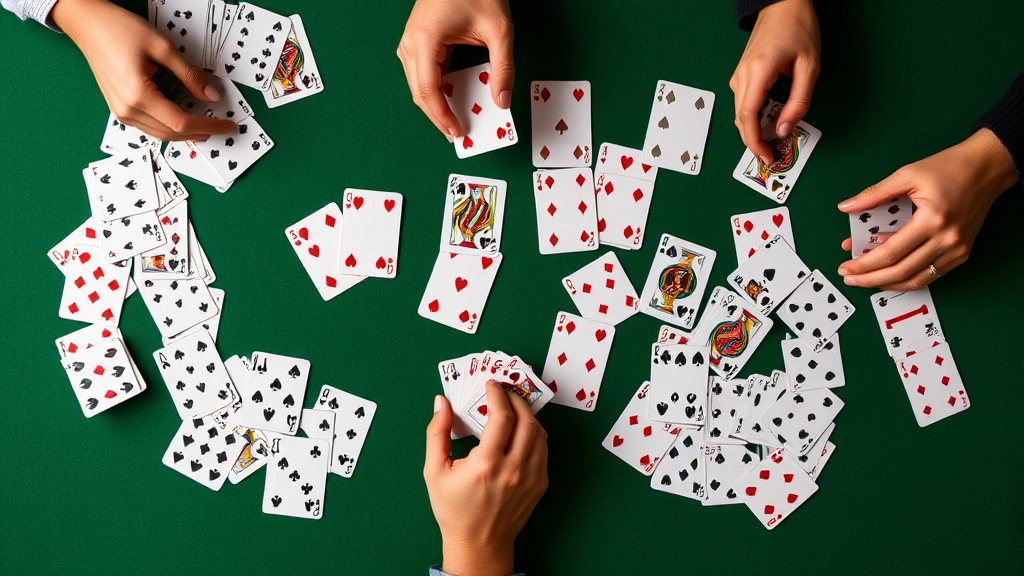
Canasta is a captivating card game that combines strategy, memory, and quick thinking into an engaging pastime perfect for family game nights or social gatherings. Whether you’re a complete beginner or someone who’s played a few hands, mastering canasta requires understanding its unique rules, melds, and scoring system. This comprehensive guide will walk you through everything you need to know to become a confident canasta player.
The beauty of canasta lies in its blend of simplicity and depth. While the basic concept is easy to grasp—form melds of cards and accumulate points—the strategic nuances can keep players engaged for years. From understanding wild cards to calculating bonus points, every decision impacts your path to victory. Let’s dive into the details that will transform you from a curious observer into a skilled canasta competitor.
What Is Canasta and Its Origins
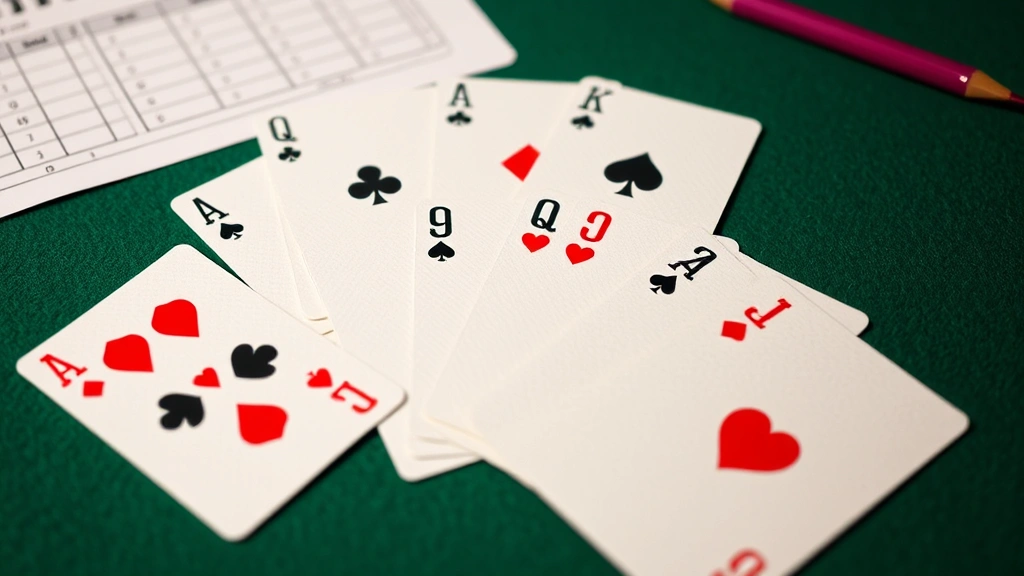
Canasta, which means “basket” in Spanish, emerged in Uruguay during the 1930s before spreading throughout South America and eventually becoming popular worldwide. The game evolved from rummy and combines elements of strategy with the excitement of rapid gameplay. It’s typically played with two decks of standard playing cards plus jokers, making it distinct from simpler card games like bocce ball, which relies on physical skill rather than mental strategy.
The game gained tremendous popularity in the 1950s and remains a beloved choice for card enthusiasts worldwide. Canasta appeals to players of all ages because it strikes a perfect balance between luck and skill. Unlike games of pure chance, canasta rewards strategic thinking, observation, and planning. Understanding the game’s rich history helps appreciate why it has endured for nearly a century as a premier card game.
Modern canasta has several variations, including classic canasta, hand and foot canasta, and speed canasta. Each variation introduces different rules and complexity levels, but the fundamental principles remain consistent. Most casual players start with classic canasta, which provides an excellent foundation before exploring more advanced versions.
Game Setup and Card Dealing
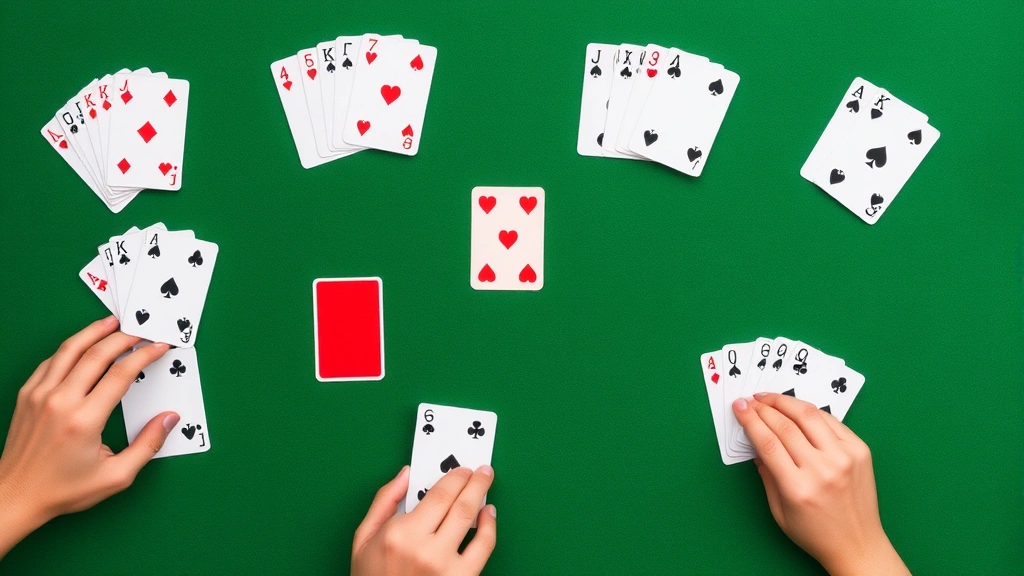
Before you can play canasta, proper setup is essential. The game requires two standard 52-card decks plus four jokers, creating a 108-card deck. Begin by shuffling thoroughly and having one player deal cards face-down to establish the dealer position. The player who receives the highest card becomes the initial dealer.
Deal eleven cards to each player in classic canasta, distributing one card at a time in clockwise rotation. The remaining cards form the stock pile, and the top card of the stock pile is placed face-up next to it to start the discard pile. This initial setup determines how the first round will unfold.
Player positions matter significantly in canasta strategy. The player to the dealer’s left plays first, establishing the game’s rhythm and tempo. Understanding position advantages helps you anticipate opponents’ moves and adjust your strategy accordingly. In partnership games, teammates sit opposite each other, allowing for subtle communication through card play patterns.
The objective is clear: form melds of cards and go out by playing all cards from your hand. However, reaching this goal requires understanding the intricate rules governing valid melds, card combinations, and scoring opportunities. The setup phase may seem straightforward, but it establishes the foundation for successful gameplay.
Understanding Melds and Combinations
Melds are the heart of canasta strategy. A meld consists of three or more cards of the same rank, such as three Kings, four Sevens, or five Tens. These melds form the basis of scoring and progression toward going out. Understanding what constitutes a valid meld is absolutely crucial before attempting any serious canasta play.
Wild cards—twos and jokers—add complexity to meld formation. A meld can contain wild cards representing missing cards, but a crucial rule exists: a meld must always contain more natural cards than wild cards. For example, you can play three Kings and one joker, but not one King and two jokers. This rule prevents players from simply stacking wild cards and forces strategic thinking about wild card usage.
Red threes serve a special purpose in canasta. These cards cannot be melded with other cards; instead, they’re placed face-up immediately when drawn and replaced with new cards. Red threes provide bonus points but also penalties if you’re caught holding them when an opponent goes out. Understanding red three strategy can significantly impact your final score.
Canastas are melds of seven or more cards, and they unlock substantial bonus points. A natural canasta (all natural cards) scores 500 points, while a mixed canasta (containing wild cards) scores 300 points. Building canastas should be a primary goal because they represent major scoring opportunities. Experienced players prioritize canasta formation over smaller melds when strategic situations permit.
You can also add cards to existing melds on the table, either your own or your partner’s. This flexibility allows for continued strategic play even after initial melds are laid down. Adding cards strategically helps you manage your hand while contributing to team scoring.
Gameplay Mechanics and Turn Structure
Each turn follows a consistent structure that becomes second nature with practice. The player whose turn it is must draw one card from either the stock pile or the discard pile. Drawing from the discard pile requires meeting specific conditions—you must be able to use the top card immediately in a meld, and your meld must contain at least two natural cards of that rank.
After drawing, the player may meld cards if they haven’t already done so this turn. Initial melds require a minimum point value depending on the partnership’s current score. When your partnership’s score is under 1,500 points, initial melds must total at least 50 points. This requirement increases to 90 points between 1,500 and 2,995 points, and reaches 120 points at 3,000 points or higher. Understanding these thresholds prevents illegal plays and maintains game integrity.
After melding, the player must discard one card face-up onto the discard pile. This card becomes available for the next player to potentially pick up. Strategic discard selection is critical—discarding cards your opponents need while protecting your own interests requires careful observation and planning.
The game continues until one player empties their hand completely, which is called “going out.” However, going out isn’t automatic; the player must have formed at least one canasta during the game. Additionally, if a player goes out without previously melding any cards, they must have at least one canasta in their final play. These restrictions add strategic depth and prevent players from simply rushing to empty their hands.
Scoring System Explained
Canasta’s scoring system rewards strategic play and successful meld formation. Points are awarded for melds based on card values: cards 2-6 are worth 5 points each, 7-9 are worth 10 points, 10-King are worth 10 points, Aces are worth 20 points, and jokers are worth 50 points. Wild cards retain their point values in mixed canastas.
Bonuses significantly impact final scores. Completing a natural canasta awards 500 bonus points, while a mixed canasta earns 300 bonus points. Going out adds 100 bonus points to your team’s score. Red threes contribute 100 points each if your partnership has melded cards; if your team hasn’t melded, red threes count as negative 100 points.
Penalties apply when players are caught holding cards at game’s end. If an opponent goes out and you’re holding cards, those cards are subtracted from your score based on their point values. Red threes count as negative 100 points each if you’re holding them. This penalty system encourages players to play cards strategically and avoid accumulating high-value cards in hand.
Games typically continue until one partnership reaches 5,000 points, though variations exist. Tracking scores accurately throughout the game helps players understand their position and adjust strategies accordingly. Some variations play to different point totals, so clarifying winning conditions before starting prevents confusion.
Advanced Strategies to Win
Mastering canasta requires moving beyond basic rule knowledge into strategic territory. Card counting is an essential skill that separates casual players from serious competitors. Remembering which cards have been played, which remain in the stock, and which opponents likely hold helps you make informed decisions about drawing from the discard pile versus the stock.
Managing the discard pile strategically is crucial. Experienced players freeze the discard pile by discarding cards opponents need or cannot easily meld. This forces opponents to draw from the stock pile instead of picking up discards, limiting their options. Understanding when to freeze and when to keep the pile active requires game awareness and opponent analysis.
Hand management determines success or failure in close games. Holding onto cards that form potential melds while discarding cards that don’t fit your strategy keeps options open. Conversely, discarding cards that opponents desperately need prevents them from building powerful melds. This balance between protecting your interests and disrupting opponents’ plans defines advanced play.
Partnership communication, while subtle, matters tremendously in team games. The order of your melds, the cards you choose to add to existing melds, and your discard patterns all convey information to your partner. Developing a system of subtle signals through card play helps coordinate strategies without violating rules against explicit communication.
Understanding probability improves decision-making. If the discard pile contains three Kings and you hold two, drawing from the stock is statistically risky because getting a third King becomes unlikely. Conversely, if many cards of a rank have been discarded, drawing from stock to find that rank becomes more probable. These calculations inform whether to take calculated risks or play conservatively.
Common Mistakes to Avoid
New players frequently forget that red threes must be immediately placed and replaced. Holding red threes in hand results in penalties if opponents go out while you’re holding them. Always place red threes immediately upon drawing them to avoid costly mistakes that swing games dramatically.
Drawing from the discard pile without meeting requirements is a common error. Remember that you need two natural cards of the same rank as the top discard to pick it up. Attempting to use wild cards to meet this requirement is illegal and results in penalties. Always verify you can legally use the top card before drawing the entire pile.
Failing to form canastas when opportunities exist is a strategic mistake. New players sometimes focus on forming multiple small melds instead of consolidating cards into canastas. Since canastas provide massive bonus points, prioritizing canasta formation over scattered melds yields better results in most situations.
Poor discard selection costs games more than any other mistake. Discarding high-value cards that opponents need, failing to freeze the pile when strategic, or discarding cards that help opponents build canastas undermines your position. Thoughtful discard selection requires considering what opponents hold, what they’re trying to build, and what cards you can afford to lose.
Holding too many cards in hand without playing them is inefficient. While strategy sometimes requires holding cards, excessive hoarding limits your options and increases penalty risk if an opponent goes out. Playing cards that fit your meld strategy while discarding wisely maintains hand flexibility.
Ignoring partnership scoring thresholds leads to illegal plays. Attempting initial melds that don’t meet minimum point requirements wastes your turn and frustrates teammates. Always calculate meld values before laying cards down to ensure compliance with current scoring thresholds.
FAQ
What’s the difference between natural and mixed canastas?
A natural canasta contains only cards of the same rank with no wild cards, earning 500 bonus points. A mixed canasta includes wild cards (twos and jokers), earning 300 bonus points. Natural canastas are rarer but more valuable, making them worth pursuing when possible.
Can you play canasta with just one deck?
Standard canasta requires two decks plus jokers. Playing with one deck fundamentally changes the game dynamics and isn’t recommended. However, simplified variations exist for smaller groups or casual play that use modified rules with single decks.
What happens if the stock pile runs out?
If the stock pile empties and a player needs to draw, they must draw from the discard pile. If neither pile has cards available, the game ends immediately. This scenario is rare but possible in extended games with many players.
How do you freeze the discard pile?
Discard a red three or a wild card (joker or two) to freeze the pile. When frozen, players cannot draw from the discard pile unless they have two natural cards of the same rank as the top card. This strategy prevents opponents from easily accessing valuable discards.
Is there a time limit for playing canasta?
No official time limit exists for canasta. Games typically last 30 minutes to an hour depending on player experience and group size. Friendly games may take longer as players discuss strategy, while competitive games move faster.
Can you go out with a hand full of cards?
No. To go out, you must empty your entire hand. Additionally, your final play must include at least one canasta. You cannot simply discard your last card; it must be part of a valid meld or addition to existing melds.
What if someone plays an illegal meld?
Illegal melds must be corrected immediately upon discovery. The player typically returns the cards to their hand, and the turn passes to the next player. In competitive play, penalties may apply depending on house rules.
How does canasta relate to other card games?
Canasta evolved from rummy and shares similar meld-based mechanics. If you enjoy strategic games, you’ll appreciate canasta’s depth. Learning canasta after mastering simpler games provides a natural progression in card game complexity.

Related Posts

Superscript in Google Docs: Expert Tips

Strikethrough in Excel: Easy Steps for Beginners
