
Learn Canasta Rules: Expert Tips & Strategies
Learn Canasta Rules: Expert Tips & Strategies
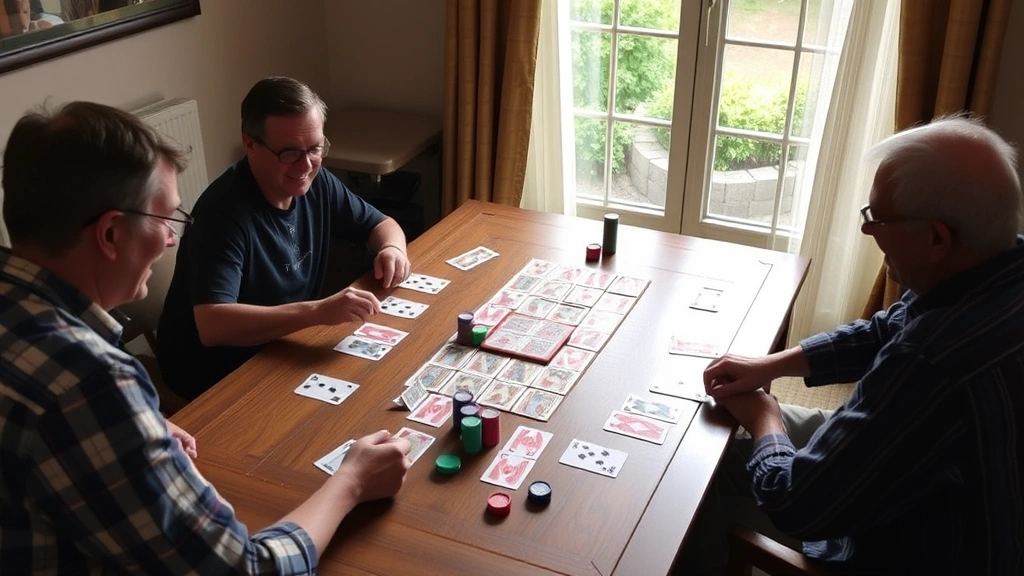
Canasta is a captivating card game that blends strategy, luck, and social interaction into an engaging pastime perfect for family game nights or casual gatherings with friends. Whether you’re a complete beginner or someone looking to refine your skills, understanding the fundamental rules and developing strategic thinking will transform you from a novice into a confident player. This comprehensive guide walks you through everything you need to know about how to play canasta, from basic setup to advanced winning strategies that will elevate your game.
The beauty of canasta lies in its accessibility combined with surprising depth. Unlike many card games that require months of practice to master, canasta can be learned in a single afternoon, yet provides endless opportunities for strategic play and competitive enjoyment. Players form partnerships, combine cards into melds, and race to be the first team to reach the required point threshold. With proper understanding of the rules and some tactical knowledge, you’ll be playing confidently and winning games in no time.
What Is Canasta and Game Overview
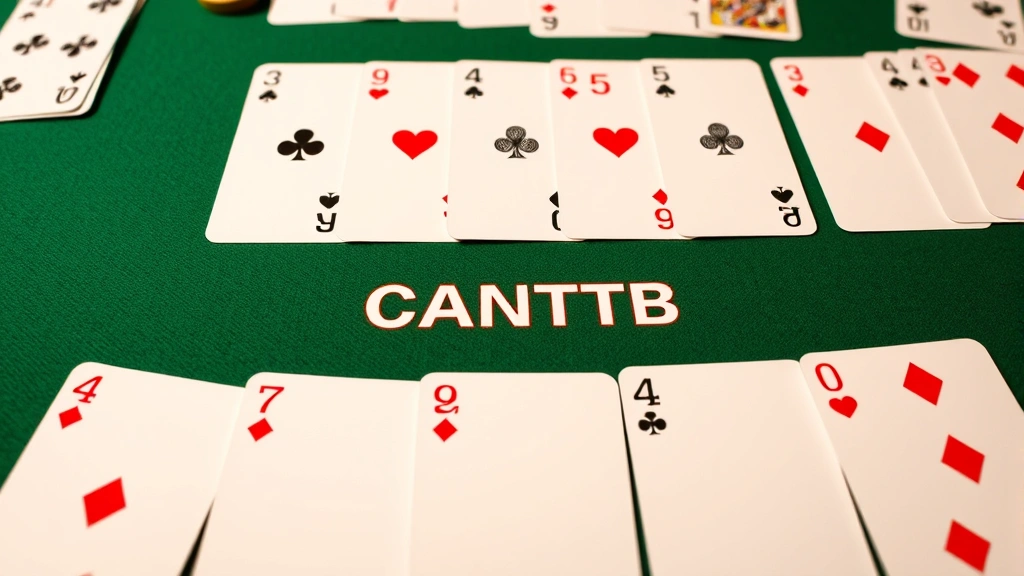
Canasta, which means “basket” in Spanish, originated in Uruguay in the 1930s and quickly spread throughout South America and eventually worldwide. The game is typically played with two to six players divided into partnerships, making it ideal for four-player games where two teams compete against each other. The fundamental objective is straightforward: be the first partnership to accumulate 5,000 points across multiple rounds, though house rules sometimes modify this threshold.
The game revolves around forming melds—groups of cards of the same rank—and attempting to “go out” by playing all or nearly all your cards before your opponents do. What distinguishes canasta from simpler rummy variants is the emphasis on melds of seven or more cards, called canastas, which provide substantial bonus points. The game rewards both tactical card play and strategic partnership communication, making it engaging for players of varying skill levels.
For those interested in learning other games and activities, you might also enjoy exploring our complete how-to guides and tutorials which cover entertainment and recreational activities beyond card games.
Setting Up Your Game
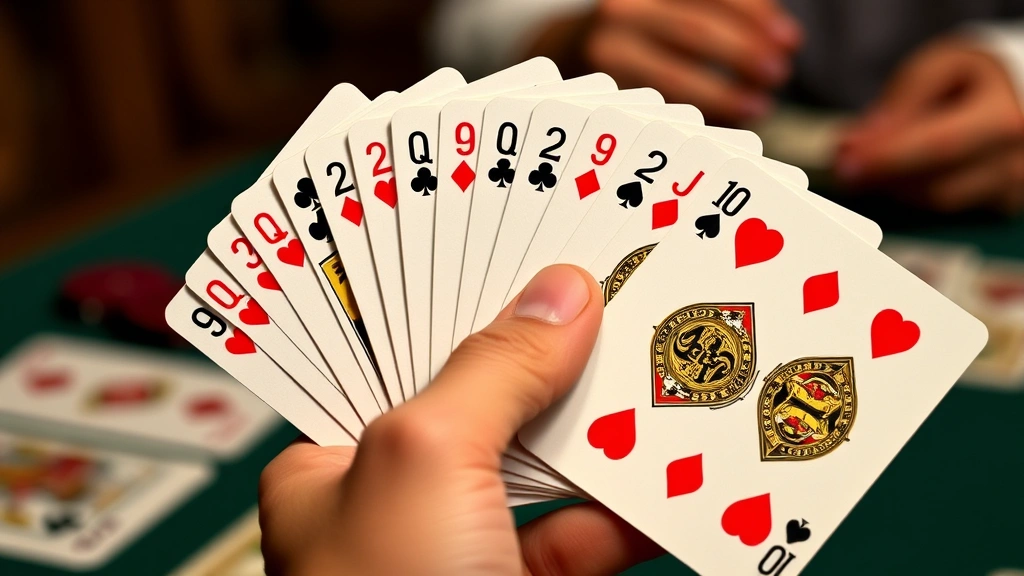
Before you begin playing, proper setup is essential for smooth gameplay. Canasta uses two standard 52-card decks plus four jokers per deck, totaling 108 cards. Shuffle all cards together thoroughly to ensure randomness, then deal 15 cards to each player in a four-player game, dealing one card at a time in clockwise rotation. Place the remaining undealt cards face-down in the center of the table to form the draw pile, then flip the top card face-up next to it to start the discard pile.
Key setup elements include:
- Establishing partnerships by mutual agreement or drawing cards (highest two cards partner together)
- Designating a scorekeeper who tracks points for each team throughout the game
- Deciding on house rules regarding variations (some groups modify point requirements or meld minimums)
- Ensuring all players have clear view of both discard and draw piles
- Confirming everyone understands whether you’re playing with natural canastas only or allowing wild card canastas
Create a comfortable playing surface with adequate space for each player’s hand, the melds they’ll create in front of them, and the central piles. This organization prevents confusion and keeps gameplay flowing smoothly throughout multiple rounds.
Understanding Card Values and Melds
Grasping card values is fundamental to canasta strategy and scoring. In canasta, cards have different point values: number cards 4-7 are worth 5 points each, cards 8-K are worth 10 points, Aces are worth 20 points, 3s are worth 5 points (though red 3s have special significance), and jokers plus 2s are worth 50 points as wild cards. Red 3s are particularly important as bonus cards that add points to your team’s score automatically.
A meld consists of at least three cards of the same rank. Melds must follow these critical rules: they cannot contain more than three wild cards (2s and jokers combined), they must be of the same rank, and they can be extended by adding more cards of that rank or by adding wild cards to represent missing cards. For example, a meld of three 7s can be extended with additional 7s or with 2s and jokers acting as substitute 7s.
A canasta is a meld of seven or more cards, and it’s the cornerstone of high-scoring plays in the game. Natural canastas use only cards of the same rank without wild cards, earning 500 bonus points. Mixed canastas use one to three wild cards alongside natural cards, earning 300 bonus points. Once a canasta is formed, it’s “frozen” and cannot receive additional cards, though it remains on the table as evidence of your team’s progress.
The Gameplay Mechanics
Gameplay follows a clockwise rotation with each player taking a turn consisting of three phases: drawing a card, melding cards (optional), and discarding one card. On your turn, you must first draw either the top card from the draw pile or the entire discard pile, provided you can immediately use the top discard card in a meld.
When drawing from the discard pile, you must take the entire pile and add it to your hand, then immediately use the top card in a meld on the table (either starting a new meld or adding to an existing one). This mechanic creates strategic tension—sometimes the discard pile becomes valuable because it contains useful cards, other times players avoid it because it’s laden with cards they don’t need.
The melding phase allows you to:
- Lay down new melds from your hand (following minimum point requirements based on your team’s score)
- Add cards to your team’s existing melds on the table
- Add cards to opponent melds (rarely done, as this helps them)
- Create canastas by extending melds to seven or more cards
After melding, you must discard exactly one card face-up on top of the discard pile. This card becomes available for the next player to potentially pick up the entire discard pile. Strategic discarding is crucial—you want to discard cards your opponents likely cannot use while protecting valuable cards that might help them.
The game continues with players taking turns until someone “goes out” by playing all or all but one of their cards (which they can hold if they wish). When a player goes out, they announce it, and if their team hasn’t made any melds yet that round, they lose points for that round. Otherwise, their team scores points for all cards melded plus bonuses for canastas.
Scoring Your Hand
Scoring in canasta can seem complex initially, but it follows logical patterns once you understand the point values. After each round, teams calculate points from:
- Cards in melds: Add the point value of every card in all melds your team created
- Red 3 bonuses: Each red 3 in your hand (not in melds) is worth 100 points if your team melded cards, or -100 points if they didn’t
- Canasta bonuses: 500 points for natural canastas, 300 points for mixed canastas
- Going out bonus: 100 points if you went out normally, 200 points if you went out concealed (without your partner knowing you could go out)
- Unmelded cards penalty: Subtract the point value of cards remaining in your hand if you didn’t go out
The team that goes out first scores all their melds plus bonuses, while the other team subtracts their unmelded cards from their score. The first partnership to reach 5,000 points wins the entire game, though some variations use different thresholds.
Advanced Strategies for Winning
Moving beyond basic rule knowledge, successful canasta players employ sophisticated strategies. Meld timing is critical—sometimes holding back melds until you can go out in a single turn provides more points than spreading melds across multiple turns. Wait to meld if your hand is strong and you’re close to going out.
Communication with your partner is essential in partnership games. While you cannot directly tell your partner what cards you hold, you can signal through your melding patterns, the cards you discard, and the way you respond to their plays. Experienced players develop subtle tells about hand strength and strategy through these observations.
Defensive play involves:
- Freezing the discard pile by discarding a wild card or red 3, preventing opponents from drawing the pile
- Discarding cards your opponents are unlikely to meld, such as low-value cards when they haven’t started collecting that rank
- Paying attention to cards your opponents are collecting and avoiding discarding cards of those ranks
- Holding wild cards strategically rather than immediately melding them, preserving flexibility
Aggressive play focuses on building canastas quickly and going out fast. If you draw strong cards early, meld aggressively to establish your team’s presence and prevent opponents from building momentum. Watch the scores carefully—if your team is significantly behind, aggressive play might catch you up; if you’re ahead, conservative play protects your lead.
Understanding probability is valuable in canasta. Tracking which cards have been played helps you estimate the likelihood of drawing needed cards. If you need a specific rank and three of the four copies have already been melded or discarded, your chances of drawing the fourth are low, making it wise to pursue different melds instead.
Common Mistakes to Avoid
New players often make preventable errors that cost them games. The most common mistake is premature melding—laying down melds too early when you should be holding cards to go out. Remember that going out provides significant bonus points; sometimes keeping cards in hand is better than melding them immediately.
Another frequent error involves poor discard strategy. Discarding without considering what your opponents might want leads to them picking up the discard pile and extending their melds. Always think one or two moves ahead about what cards might benefit your opponents.
Partnership communication failures occur when teammates don’t establish clear signaling systems. Develop consistent patterns with your partner so they understand your hand strength and strategy. If you’re melding heavily, they know you have a strong hand; if you’re holding back, they should follow suit.
Neglecting red 3 management causes significant point losses. If you draw red 3s, put them on the table immediately to claim their bonus points. If your team hasn’t melded and you’re holding red 3s when the round ends, you lose 100 points per red 3—a devastating swing.
Players also frequently underestimate wild card value. 2s and jokers are incredibly powerful because they can represent any rank. Use them wisely to complete canastas rather than wasting them on low-value melds. Similarly, avoid discarding wild cards carelessly; opponents might pick up the discard pile specifically for that wild card.
If you want to expand your game night entertainment beyond cards, consider our guides on preparing beverages for game night or other recreational activities.
FAQ
Can you pick up the discard pile on your first turn?
Yes, on your first turn you can pick up the discard pile if you can immediately meld the top card with cards from your hand. This is a legitimate strategy early in the game when the discard pile is small.
What happens if someone goes out without melding?
If a player goes out without their team having melded any cards during that round, their team scores zero points for that round and loses 100 points. This penalty encourages teams to establish melds before attempting to go out.
Can you add cards to opponent melds?
In most variations, yes—you can add cards to opponent melds on your turn. However, this is rarely done strategically since it helps your opponents score more points. Some house rules prohibit this practice entirely.
How many red 3s can you have in your hand?
There’s no limit to red 3s in your hand. If you draw multiple red 3s, place each on the table immediately and draw replacement cards from the draw pile. This prevents you from losing points if the round ends unexpectedly.
What’s the difference between natural and mixed canastas?
Natural canastas contain only cards of the same rank without any wild cards and score 500 bonus points. Mixed canastas contain one to three wild cards (2s or jokers) and score 300 bonus points. Natural canastas are more valuable, encouraging you to seek them when possible.
Can you play canasta with fewer than four players?
Yes, canasta works with two to six players. Two-player games are typically played without partnerships, and three-player games often use one player against two partners. Adjust the number of cards dealt (fewer cards when fewer players) to maintain game balance.
How do you know when to go out?
Go out when you’ve melded enough cards that your remaining hand is manageable and you can discard a final card. Consider your team’s score—if you’re significantly behind, aggressive going out might help catch up. If you’re ahead, play conservatively to protect your lead.

Related Posts

Superscript in Google Docs: Expert Tips

Strikethrough in Excel: Easy Steps for Beginners
