
Plant Sunflower Seeds? Expert Tips & Tricks
How to Plant Sunflower Seeds: Expert Tips & Tricks for Thriving Blooms
Growing sunflowers from seed is one of the most rewarding gardening projects for both beginners and experienced gardeners. These cheerful giants can reach heights of 12 feet or more, producing stunning golden blooms that brighten any landscape. Whether you’re planning a small kitchen garden or a sprawling sunflower field, understanding the fundamentals of how to plant sunflower seeds will set you up for success.
Sunflowers are remarkably forgiving plants that thrive in most climates and soil conditions. They require minimal maintenance once established, making them perfect for DIY gardeners looking to add color and visual interest to their outdoor spaces. In this comprehensive guide, we’ll walk you through every step of the planting process, from seed selection to harvest, ensuring you grow healthy, vibrant sunflowers that bloom reliably year after year.
Choosing the Right Sunflower Seeds
Before you begin planting, selecting high-quality seeds is essential. Sunflower varieties range dramatically in size, color, and growing characteristics. Giant varieties like Mammoth Russian can exceed 12 feet in height, while dwarf cultivars stay compact at 2-3 feet tall. Consider your available space, aesthetic preferences, and climate zone when making your selection.
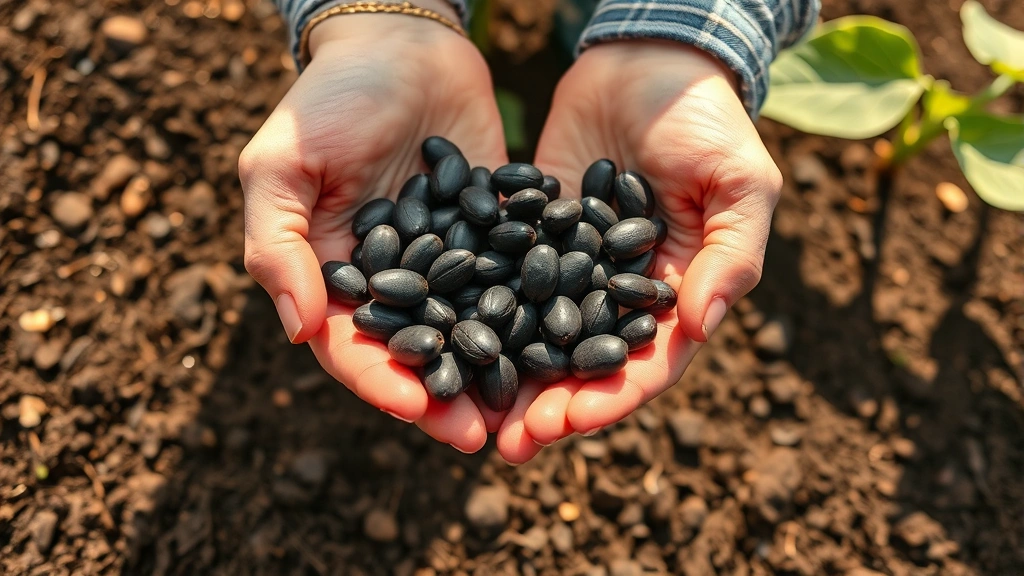
Purchase seeds from reputable suppliers such as Burpee or local garden centers to ensure viability. Fresh seeds have significantly higher germination rates than old stock. Check the seed packet for the current year’s date and look for plump, unblemished seeds with a dark gray or striped appearance. Store any unused seeds in a cool, dry location for future seasons.
Popular sunflower varieties include:
- Mammoth Russian: Classic tall variety producing large flower heads and seeds for harvesting
- Teddy Bear: Double-petaled dwarf variety perfect for containers and small spaces
- Moulin Rouge: Deep burgundy blooms offering unique color variation
- Italian White: Creamy white petals with contrasting dark centers
- Autumn Beauty: Multi-colored petals in rust, gold, and bronze tones
Preparing Your Planting Location
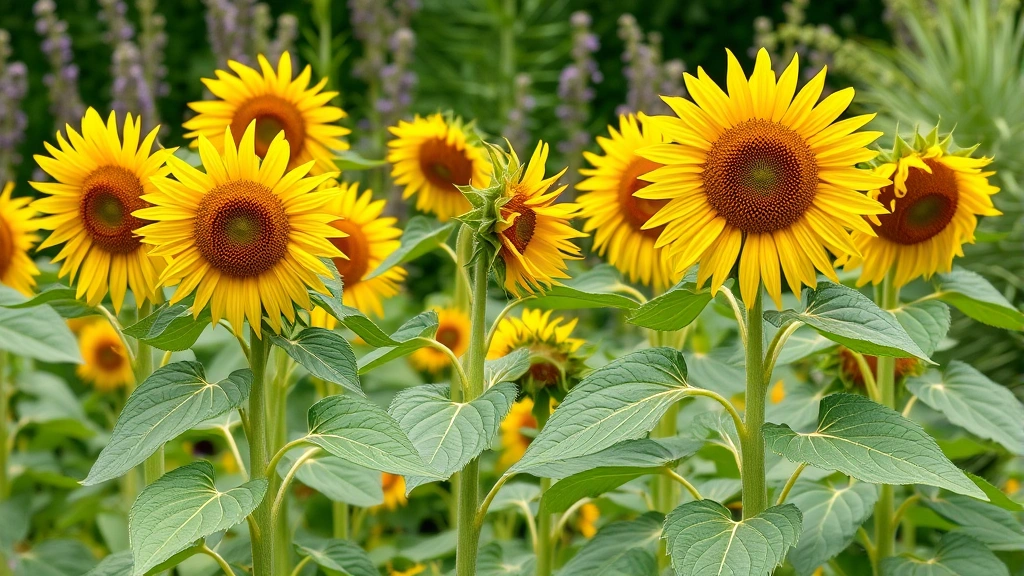
Sunflowers are sun-worshippers that demand abundant direct sunlight to thrive. Choose a location that receives minimum 6-8 hours of full sun daily, though 10+ hours is ideal for maximum blooming potential. The plants will naturally orient their flower heads toward the sun throughout the day, a phenomenon called heliotropism.
Wind exposure is another critical consideration. While sunflowers are relatively wind-tolerant, extremely exposed locations may require staking or support structures for taller varieties. If planting in a windy area, consider dwarf varieties or plan to provide support as the plants mature. Protect seedlings from strong winds during their early growth stages by positioning them near structures or windbreaks.
Avoid planting sunflowers in areas with poor drainage or standing water. These plants prefer well-draining conditions and will develop root rot in soggy soil. If your yard has naturally wet spots, either choose a different location or amend the soil with raised beds or mounding techniques. For more information on soil amendments, check out our guide on how to plant strawberries, which shares similar soil preparation principles.
Soil Requirements and Preparation
Sunflowers are remarkably adaptable to various soil types, thriving in everything from sandy loam to clay soil. However, optimal growth occurs in neutral to slightly alkaline soil with a pH between 6.0 and 7.5. Conduct a soil test using an inexpensive kit from your local garden center or through your county extension office to determine your soil’s pH and nutrient levels.
Prepare your planting area by removing weeds, rocks, and debris. Work the soil to a depth of 12-18 inches, breaking up compacted areas and incorporating organic matter. Add 2-3 inches of compost or well-rotted manure to improve soil structure, drainage, and nutrient content. This step is particularly important in poor or depleted soils.
Sunflowers don’t require heavy fertilization if you’ve amended the soil properly. However, a balanced fertilizer application at planting time can boost early growth. Use a slow-release fertilizer or work bone meal into the soil to provide phosphorus for root development. Avoid excessive nitrogen, which promotes leafy growth at the expense of flower production.
For detailed information on comprehensive site preparation, visit This Old House’s gardening section for expert landscape preparation techniques.
Planting Timeline and Schedule
Timing is crucial when you’re learning how to plant sunflower seeds successfully. Plant seeds directly into the garden after the last frost date when soil temperatures reach 50°F or warmer. In most regions, this falls between late April and early June, though southern gardeners can plant earlier.
Check your local USDA hardiness zone to determine your specific frost dates. Planting too early in cold soil increases the risk of seed rot. Conversely, waiting until soil is truly warm (65°F or higher) dramatically improves germination rates and reduces the need for replanting.
For continuous blooms throughout the season, practice succession planting by sowing seeds every two weeks from late spring through early summer. This staggered approach ensures flowers at different growth stages, extending your blooming period from midsummer through fall. The final planting should occur at least 70-90 days before your region’s first fall frost to allow flowers time to mature.
Step-by-Step Planting Instructions
Now that you’ve prepared your location and soil, it’s time to plant. Follow these detailed steps for optimal results:
Step 1: Create Planting Holes
Make holes approximately 1-1.5 inches deep and 6 inches apart for dwarf varieties, or 12-18 inches apart for tall varieties. Spacing is critical because overcrowding leads to competition for nutrients, water, and sunlight. Use a dibber or your finger to create uniform holes at the proper depth. Planting too shallow risks seed exposure to birds and drying out; too deep prevents seedling emergence.
For larger planting areas, create furrows rather than individual holes. Draw a straight line with a hoe at the appropriate depth and spacing, then place seeds along the furrow and cover gently.
Step 2: Place Seeds and Cover
Drop one seed per hole, spacing them evenly. Cover seeds with loose, moist soil, pressing gently to ensure good soil contact. Water the area thoroughly but gently with a fine mist to settle the soil without creating crusting or washing away seeds.
Step 3: Mark Your Rows
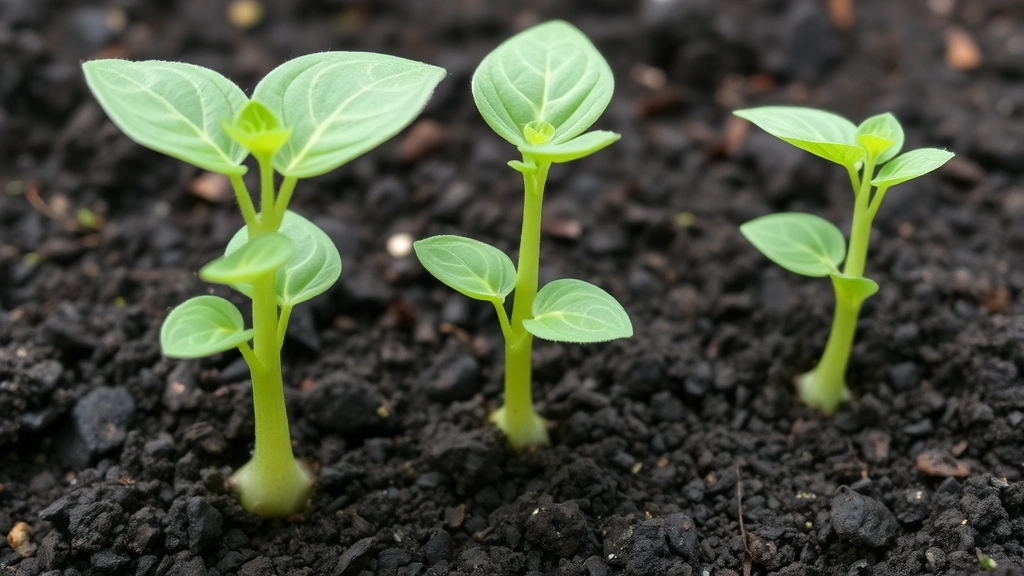
Place markers or stakes at the ends of rows so you remember where seeds are planted. This prevents accidental disturbance and helps you monitor germination progress. Seedlings typically emerge within 7-10 days in warm soil conditions.
Step 4: Thin Seedlings
Once seedlings develop their first true leaves (the second set of leaves), thin them to proper spacing. Remove weaker seedlings by pinching them off at soil level rather than pulling, which disturbs roots of neighboring plants. Final spacing should match your original hole spacing: 6 inches for dwarf varieties, 12-18 inches for tall types.
Step 5: Add Mulch Layer
After seedlings are established, apply 2-3 inches of organic mulch around plants, keeping it several inches away from stems. Mulch conserves moisture, moderates soil temperature, and suppresses weeds. Straw, shredded leaves, or wood chips work excellently for this purpose.
Watering and Initial Care
Proper watering is essential during the establishment phase. Keep soil consistently moist but not waterlogged during the first 2-3 weeks after planting. Water deeply and less frequently rather than shallow daily watering, which encourages deep root development. Sunflowers develop extensive root systems that eventually reach deep soil layers, making established plants quite drought-tolerant.
Once plants reach 12 inches tall, reduce watering frequency. Mature sunflowers need approximately 1-1.5 inches of water per week from rainfall or irrigation. Water at the base of plants early in the morning to minimize disease and prevent water waste through evaporation. Avoid overhead watering, which promotes fungal diseases and can damage developing flower buds.
During the flowering stage, maintain consistent moisture levels. Inconsistent watering during bloom can cause misshapen flowers or seed head development problems. Mulching helps maintain even soil moisture throughout the growing season.
Managing Growth and Support
As your sunflowers grow, monitoring their progress and providing support becomes increasingly important. Tall varieties typically require staking or support structures, particularly in windy locations or where soil is shallow or loose.
Install stakes or cages early, when plants are 12-24 inches tall, to avoid damaging roots later. Drive sturdy wooden stakes or metal rods 12 inches into the ground near plants, then loosely tie stems with soft twine or cloth strips as they grow. Avoid tight bindings that can girdle stems and restrict growth.
Pinching off the main growing tip when plants reach 12-18 inches tall encourages branching and multiple flower production, though this technique reduces individual flower size. This approach works well for cut flower production but isn’t necessary for single large blooms.
Remove lower leaves as plants grow to improve air circulation and reduce disease pressure. This practice is particularly important in humid climates where fungal diseases thrive. Prune carefully to avoid damaging stems and disrupting the plant’s nutrient transport systems.
Pest and Disease Prevention
While sunflowers are generally hardy plants, several pests and diseases can impact growth and flowering. Common pest problems include:
- Birds: Protect developing seeds by covering flower heads with netting or paper bags as they mature
- Squirrels and Rodents: Use barriers or fencing to exclude ground-dwelling pests from young plants
- Sunflower beetles: Hand-pick beetles or use organic insecticides if populations become severe
- Aphids: Spray with insecticidal soap or strong water jets to dislodge colonies
Disease management focuses on prevention:
- Powdery Mildew: Ensure adequate air circulation through proper spacing and pruning; apply fungicide if needed
- Rust: Remove infected leaves promptly and avoid overhead watering
- Root Rot: Prevent through proper drainage and avoiding waterlogged conditions
- Downy Mildew: Choose disease-resistant varieties and maintain good air flow
For comprehensive pest management strategies, visit Family Handyman’s sunflower growing guide, which offers detailed integrated pest management approaches.
Monitor plants regularly for early signs of problems. Catching issues early makes treatment easier and more effective. Remove heavily infested or diseased plants entirely to prevent spread to healthy specimens.
FAQ
Can I start sunflower seeds indoors?
Yes, you can start seeds indoors 4-6 weeks before your last frost date. Use seed-starting mix in small pots and maintain temperatures around 70°F. Transplant seedlings outdoors after hardening off for several days, being careful not to disturb roots. However, direct sowing is generally easier and produces sturdier plants.
How long does it take sunflowers to bloom?
Most sunflower varieties bloom 70-100 days after planting, depending on variety and growing conditions. Giant varieties typically require longer growing periods than dwarf types. Flowers persist for 2-3 weeks once they open, providing extended color in the garden.
Should I deadhead sunflowers?
Deadheading (removing spent flowers) encourages continued blooming on branching varieties but isn’t necessary for single-flower types. If you want to harvest seeds, leave flowers on the plant until the back turns brown and seeds are fully developed.
How do I harvest sunflower seeds?
Wait until the back of the flower head turns brown and the center disk flowers dry out. Cut the entire head with 12 inches of stem, hang it upside down in a warm, dry location, and allow seeds to dry completely before removing them. Store dried seeds in airtight containers for future planting.
Can I grow sunflowers in containers?
Absolutely! Dwarf varieties thrive in containers with minimum 10-12 inch diameter pots and quality potting soil. Ensure containers have drainage holes and water regularly, as container plants dry out faster than ground-planted specimens. Check out our FixWiseHub gardening guides for more container gardening tips.
What’s the best fertilizer for sunflowers?
A balanced, slow-release fertilizer works best. Apply at planting time per package directions, then apply additional light feeding when flower buds form. Avoid excessive nitrogen, which promotes vegetative growth at the expense of flowering. Bone meal provides excellent phosphorus for root and flower development.
Why are my sunflower leaves yellowing?
Yellowing leaves typically indicate nutrient deficiency, overwatering, or disease. Check soil moisture first—sunflowers don’t like soggy conditions. If soil is appropriate, apply balanced fertilizer. Remove diseased leaves and improve air circulation. Persistent yellowing may indicate root rot or fungal disease requiring more aggressive treatment.
How tall will my sunflower grow?
This depends entirely on variety selection. Dwarf varieties stay 2-3 feet tall, while giant varieties can exceed 12 feet. Check seed packet descriptions for mature height expectations. Environmental factors like sunlight, soil quality, and water availability also influence final height within a variety’s normal range.
Can I plant sunflower seeds in fall?
Fall planting is generally not recommended in most climates because seeds won’t have time to mature before winter arrives. However, in warm southern regions with long growing seasons, late summer planting may work. Calculate backwards from your first frost date to ensure 70-100 days of growing time.
Do sunflowers need a trellis or support?
Dwarf and medium varieties rarely need support if grown in sheltered locations. Tall varieties definitely benefit from staking, especially in windy areas or shallow soil. Install supports early when plants are young to avoid root damage. Even without formal support, tall sunflowers often support themselves through robust stem development.

Related Posts

Superscript in Google Docs: Expert Tips

Strikethrough in Excel: Easy Steps for Beginners
