
Grow Strawberries at Home: Expert Tips Inside
Grow Strawberries at Home: Expert Tips Inside
Growing strawberries at home is one of the most rewarding gardening projects you can undertake. Whether you have a sprawling backyard or a small apartment balcony, strawberries adapt remarkably well to various growing conditions. These delicious berries reward your efforts with fresh, juicy fruit throughout the growing season, and there’s nothing quite like picking sun-warmed strawberries straight from your garden.
The beauty of strawberry cultivation lies in its accessibility. Unlike many fruits that require years to mature or extensive pruning knowledge, strawberries produce fruit within months of planting. With proper planning and care, even beginners can achieve impressive yields. This comprehensive guide will walk you through every step of the process, from selecting the right varieties to harvesting your first crop.
Choosing the Right Strawberry Varieties
Before you start digging holes or filling containers, understanding strawberry varieties is crucial for success. Strawberries fall into three main categories based on their fruiting patterns: June-bearing, everbearing, and day-neutral varieties.
June-bearing strawberries produce one large crop in late spring or early summer, typically yielding the largest berries. These varieties are perfect if you want to preserve or freeze large quantities at once. Popular June-bearing types include ‘Jewel,’ ‘Honeoye,’ and ‘Earliglow.’
Everbearing strawberries produce two or three smaller crops throughout the growing season—typically in spring, summer, and fall. ‘Ozark Beauty’ and ‘Fort Laramie’ are reliable everbearing choices that provide continuous harvests over several months.
Day-neutral strawberries produce fruit continuously from late spring through fall, largely independent of daylight hours. Varieties like ‘Seascape,’ ‘Tribute,’ and ‘Albion’ offer consistent production, making them ideal for fresh eating throughout the season.
Consider your climate zone when selecting varieties. This Old House recommends checking your USDA hardiness zone to ensure your chosen varieties can survive winter in your area. Northern gardeners should prioritize cold-hardy varieties, while southern gardeners can experiment with heat-tolerant cultivars.
Preparing Your Growing Space
Strawberries thrive in full sunlight, requiring at least six to eight hours of direct sun daily. Choose a location that receives morning sun to help dry dew and reduce fungal disease risk. Avoid low-lying areas where water pools after rain, as standing water promotes root rot and disease.
You have several growing options depending on your space constraints. Garden beds work well for those with yard space, allowing plants to spread naturally. Raised beds offer excellent drainage and make harvesting easier. Containers ranging from traditional pots to hanging baskets suit apartment dwellers and small-space gardeners. Vertical towers and strawberry pyramids maximize yields in minimal space.
If using garden beds, clear the area of weeds, rocks, and debris. Remove any perennial weeds like dandelions or bindweed, as they’ll compete with your strawberries throughout the season. For raised beds, construct frames from untreated wood, composite materials, or metal, making them at least eight inches deep. Container gardeners should select pots with drainage holes and use containers at least twelve inches in diameter for single plants.
Garden beds should slope slightly for drainage. If your soil drains poorly naturally, raised beds become essential. Test your soil drainage by digging a hole six inches deep, filling it with water, and observing how quickly it drains. Water should drain within a few hours. If it takes longer, amend soil heavily or switch to raised beds.
Soil Requirements and Amendments
Strawberries prefer slightly acidic soil with a pH between 6.0 and 6.8. Conduct a soil test through your local cooperative extension office to determine your soil’s pH and nutrient levels. This inexpensive test provides invaluable information about your growing medium.
The ideal strawberry soil is rich in organic matter, well-draining, and fertile. Work two to three inches of compost, aged manure, or peat moss into the top six to eight inches of soil before planting. This improves drainage in heavy clay soils and increases water retention in sandy soils while providing essential nutrients.
If your soil pH is too high (above 7.0), lower it by incorporating sulfur according to package directions. If it’s too low (below 5.5), add agricultural lime. These amendments take time to work—apply them at least a month before planting when possible.
Avoid fresh manure, which can burn plants and introduce pathogens. Similarly, don’t plant strawberries where potatoes or tomatoes grew recently, as they share similar diseases. Rotating crops and amending soil properly prevents disease buildup that could devastate your patch.
For container gardening, use high-quality potting soil mixed with compost in a 2:1 ratio. Don’t use garden soil in containers; it compacts and drains poorly. Premium potting mixes designed for vegetables or fruits work best, as they contain appropriate nutrients and drainage amendments.
Planting Strawberries Step-by-Step
Timing matters significantly when planting strawberries. In cold climates, plant in early spring as soon as soil is workable. In warm climates, fall planting (September through November) is often preferred, allowing plants to establish roots before summer heat arrives. Spring planting works in warm zones too, but plants may struggle during their first summer.
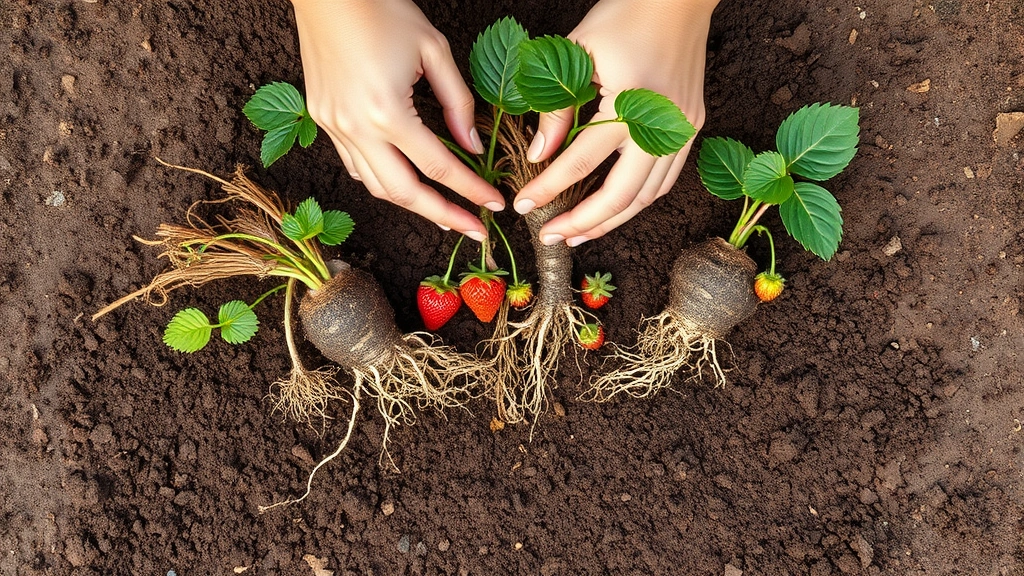
When you receive bare-root strawberry plants, soak their roots in water for 30 minutes before planting. This rehydrates them after shipping and helps them establish more quickly. If you’re using transplants from nurseries, they’re usually ready to plant immediately.
Follow these planting steps:
- Dig a hole large enough to accommodate the entire root system without bending or crowding roots
- Create a small mound in the hole’s center
- Position the plant so the crown (where leaves emerge) sits exactly at soil level—not buried or exposed
- Spread roots evenly over the mound
- Fill the hole with soil, firming gently around the plant
- Water thoroughly until water drains from the bottom
- Space plants 12 to 18 inches apart in rows, with rows 24 to 36 inches apart
The crown position is critical. If buried, the plant rots. If exposed, roots dry out and the plant dies. Take time to position each plant correctly.
For container growing, fill pots with prepared potting soil to within two inches of the rim. Position the plant at the same depth as it was growing previously, water well, and place in full sun. Container plants may need water more frequently than ground-planted strawberries.
After planting, remove all flower buds that appear during the first growing season. This prevents fruiting and allows plants to direct energy into establishing strong root systems and foliage. You’ll sacrifice first-year fruit but gain stronger plants that produce abundantly in subsequent years. Everbearing and day-neutral varieties may be allowed to fruit in their first season if desired, though production will be lighter.
Watering and Moisture Management
Strawberries need consistent moisture—about one to two inches of water per week depending on weather and soil type. Inconsistent watering causes problems: too little stress plants and reduce fruit quality, while too much promotes fungal diseases.
Water deeply at soil level, avoiding wetting foliage when possible. Wet leaves increase disease risk, particularly in cool, humid conditions. Water early in the morning so any foliage moisture dries quickly as temperatures rise.
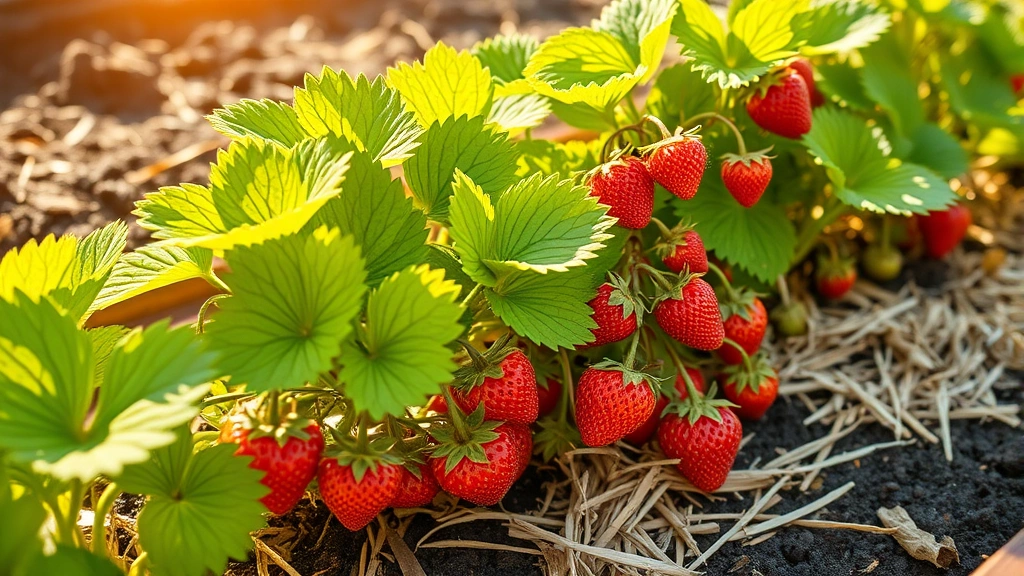
Mulching conserves soil moisture, moderates soil temperature, and prevents berries from sitting directly on soil where they rot. Apply two to three inches of straw (not hay, which contains seeds) around plants after they’re established. Keep mulch a few inches away from crowns to prevent rot. Pine needles, shredded leaves, and wood chips work too, though straw is traditional for strawberries.
Container plants dry out faster than ground-planted ones, especially in hot weather. Check container soil moisture daily during peak growing season. If the top inch feels dry, water thoroughly. Containers may need watering every one to two days during summer heat.
Drip irrigation or soaker hoses deliver water directly to soil, improving efficiency and reducing disease pressure compared to overhead watering. If hand-watering, use a wand or soaker attachment rather than a spray nozzle.
Fertilizing Your Strawberry Plants
Strawberries are moderate feeders that benefit from balanced nutrition throughout the growing season. If you’ve amended soil heavily with compost before planting, supplemental fertilizing may be minimal. However, container plants and sandy soils need regular feeding.
Apply a balanced, slow-release fertilizer (such as 10-10-10 or 5-10-10) in early spring as new growth begins. For container plants, use a diluted liquid fertilizer every two to three weeks. Avoid excess nitrogen, which promotes leafy growth at the expense of fruit production and increases disease susceptibility.
Once flowering begins, switch to a higher-phosphorus fertilizer (like 5-10-10) to encourage fruit development. Phosphorus supports flower and fruit production while potassium strengthens plant tissues and improves disease resistance.
Strawberries also benefit from micronutrients. If leaves show yellowing between veins (iron chlorosis), apply chelated iron according to product directions. Magnesium deficiency causes similar symptoms; Epsom salt applied at one tablespoon per plant monthly corrects this. Always follow package directions to avoid over-fertilizing, which damages plants and wastes money.
Organic gardeners can use compost tea, fish emulsion, or seaweed extract for gentler fertilization. These products provide nutrients while improving soil biology and structure. Apply every three to four weeks during the growing season.
Managing Pests and Diseases
Common strawberry pests include spider mites, slugs, and Japanese beetles. Spider mites cause stippled, yellowing leaves and fine webbing. Spray with water to dislodge them, or use miticides if infestations are severe. Slugs chew holes in fruit and foliage; hand-pick them at night or use slug baits. Japanese beetles skeletonize leaves; hand-pick early in the morning when they’re sluggish, or use traps placed away from plants.
Fungal diseases pose greater threats in humid conditions. Powdery mildew creates white coating on leaves and fruit. Leaf spot causes brown lesions on foliage. Gray mold (botrytis) rots fruit, especially in wet conditions. Prevent these diseases by ensuring good air circulation, watering at soil level, removing infected leaves promptly, and applying fungicides when necessary.
Family Handyman recommends removing old leaves in late fall to reduce overwintering disease spores. After harvest, cut back foliage to about three inches and remove debris to break disease cycles.
Integrated pest management (IPM) combines cultural practices, monitoring, and targeted treatments. Scout plants regularly for problems, remove affected foliage promptly, and only apply pesticides when populations exceed economic thresholds. This approach minimizes chemical use while maintaining plant health.
Harvesting and Storage
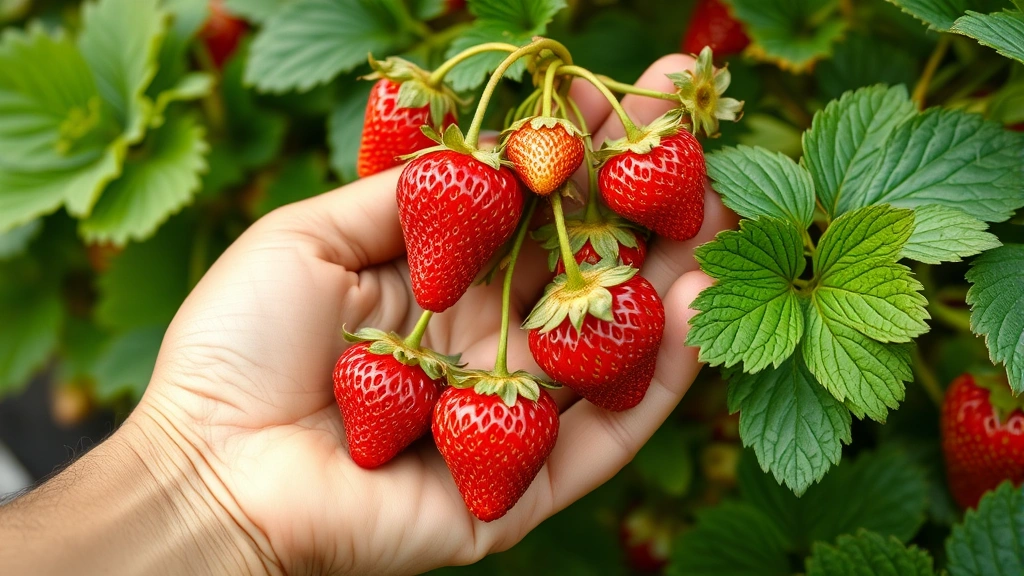
June-bearing varieties typically produce fruit in late spring or early summer, while everbearing types fruit in spring and fall, and day-neutral varieties produce continuously. Harvest berries when they’re fully red but still firm. Strawberries don’t ripen further after picking, so don’t harvest pink or partially colored fruit.
Pick berries in the morning after dew dries but before heat builds. Gently twist and lift berries, or use a small knife to cut the stem. Handle fruit carefully to avoid bruising. Harvest every two to three days during peak season to maintain plant vigor and encourage continued production.
Fresh strawberries keep in the refrigerator for three to five days when stored in shallow containers with good air circulation. Don’t wash berries until just before eating, as moisture promotes mold growth. For longer storage, freeze berries on trays before transferring to freezer bags, or make jam and preserves. Those interested in preservation techniques may find our guide on pickling methods helpful for understanding preservation principles, though strawberries are typically frozen or jammed rather than pickled.
After fruiting ends, remove mulch and old foliage. June-bearing varieties should be renovated annually: mow or cut plants back to two inches, rake away debris, and thin runners to encourage healthy growth for next year. Everbearing and day-neutral varieties need lighter renovation, with selective leaf removal rather than cutting back entirely.
Most strawberry plants remain productive for three to five years before declining. Plan to establish new beds every few years using runners from healthy plants or purchasing fresh stock. This rotation prevents disease buildup and maintains vigor. Those managing multiple garden crops might benefit from understanding general planting principles used across vegetable gardening.
FAQ
How long does it take strawberries to produce fruit?
June-bearing varieties typically flower and fruit within three to four months of planting in spring. Everbearing and day-neutral varieties may produce light fruit in their first year if planted early, though yields increase significantly in subsequent years. Most gardeners remove first-year flowers to encourage stronger plant establishment.
Can I grow strawberries in pots indoors?
Strawberries can grow indoors under grow lights, but they require at least 12-14 hours of light daily and good air circulation. Potted strawberries are more commonly grown on patios, decks, or balconies outdoors where they receive natural sunlight. Indoor growing requires supplemental lighting and careful humidity management to prevent fungal issues.
What’s the best way to deal with runners?
Runners are long stems that spread from plants and develop new plantlets. For June-bearing varieties, allow runners to root and create matted rows for maximum production. For day-neutral and everbearing types, remove runners to redirect energy into fruiting. You can also use runners to propagate new plants by pegging them to soil or containers until roots develop, then separating them from the mother plant.
Do strawberries need a cold winter to produce fruit?
June-bearing varieties require winter cold (vernalization) to flower properly. Gardeners in warm climates should choose everbearing or day-neutral varieties that don’t depend on cold periods. Some June-bearing varieties adapted to warm climates exist, but traditional June-bearers won’t flower without adequate winter chilling hours.
How do I prevent birds from eating my strawberries?
Netting is the most effective bird deterrent. Drape lightweight netting over plants, securing edges so birds can’t slip underneath. Reflective tape, scare devices, and fake predators provide mixed results. Picking berries frequently before they fully ripen removes temptation. In severe bird pressure areas, netting is worth the investment.
Can I grow strawberries organically?
Yes, strawberries grow well with organic methods. Use compost, aged manure, and organic fertilizers for nutrition. Control pests with netting, hand-picking, and beneficial insects. Manage diseases through cultural practices, resistant varieties, and organic fungicides like sulfur or copper when needed. Many gardeners find strawberries easier to grow organically than other crops.
For more gardening guidance, visit the FixWiseHub Blog for comprehensive how-to guides. You might also explore related topics like preservation techniques and proper storage methods for your harvest. For additional expert advice, Home Depot’s garden center offers plant selection guides and growing supplies.

Related Posts

Superscript in Google Docs: Expert Tips

Strikethrough in Excel: Easy Steps for Beginners
