

Unlock a Number Lock? Expert Tips Inside!
How to Open a Number Lock: Expert Tips & Techniques
A forgotten combination can be incredibly frustrating, especially when you need access to your belongings immediately. Whether you’re dealing with a padlock on your shed, a combination lock on a gym locker, or a security lock on valuable equipment, knowing how to open a number lock is an essential skill every homeowner and DIY enthusiast should master. This comprehensive guide will walk you through multiple methods—from gentle manipulation techniques to more advanced approaches—that work on various lock types.
Number locks, also called combination locks, use rotating dials or numbered wheels to create a secure mechanism. Unlike key-based locks, they rely on precise alignment of numbers to trigger the internal components that release the shackle. Understanding how these locks function mechanically will help you approach the problem systematically and increase your chances of success without causing damage.
Understanding Your Number Lock Mechanism
Before attempting any method to open a number lock, it’s crucial to understand how the mechanism works. Most combination locks contain several key components: the dial (or numbered wheels), the spindle that connects to the internal mechanism, and the locking bolt that secures the shackle. When you enter the correct combination, the internal wheels align, allowing the bolt to retract and release the lock.
There are three primary types of number locks you’ll encounter: padlocks with rotating dials, master locks with three-number combinations, and digital locks with electronic keypads. Each type responds differently to various opening techniques. Padlocks are typically the most straightforward to manipulate, while digital locks require a different approach entirely. Understanding which type you’re dealing with will determine which method will be most effective.
The quality and age of the lock also matter significantly. Older locks often have more wear in their internal mechanisms, making them more susceptible to manipulation techniques. Newer, higher-quality locks feature tighter tolerances and are specifically designed to resist these methods. If you own a DIY lock repair guide, it may provide specific information about your lock’s construction.

Method 1: The Gentle Manipulation Technique
This non-destructive method is your first line of defense when learning how to open a number lock without tools. The gentle manipulation technique relies on feeling for subtle resistance in the lock’s internal mechanism—a skill that takes practice but can save your lock from damage.
Step 1: Apply Tension to the Shackle
Begin by pulling upward on the shackle (the U-shaped metal part) with moderate, consistent pressure. This tension is critical because it causes the internal mechanism to bind slightly, making resistance points more noticeable. Don’t pull with all your strength; steady, moderate pressure is key. You’re essentially creating friction that will help you feel the lock’s internal components.
Step 2: Feel for the Binding Point
While maintaining tension, slowly rotate the dial. Pay close attention to any resistance or sticking points. Most locks have one dial position where resistance is slightly greater than others. This binding point indicates where the internal wheel is pressing against the locking mechanism. Mark this position mentally or with a piece of tape.
Step 3: Work Systematically Through Numbers
Once you’ve identified the binding point, try numbers around that position—typically three to five numbers in either direction. Test each combination by rotating to your test numbers and pulling the shackle. Many people find that the correct combination is located near the binding point, though not always exactly at it.
Step 4: Repeat with Consistent Pressure
If the first binding point doesn’t yield results after testing nearby numbers, release tension and try again. Sometimes the binding point shifts slightly depending on how you apply pressure. Multiple attempts with consistent methodology often succeed where a single try fails.
This technique works best on padlocks and older combination locks. Modern security locks are specifically designed to prevent this method, so don’t be discouraged if it doesn’t work on newer models. For more detailed guidance on similar mechanical techniques, check out our guide on precision measurement and adjustment, which teaches patience in fine-tuning mechanical components.
Method 2: Using Bolt Cutters
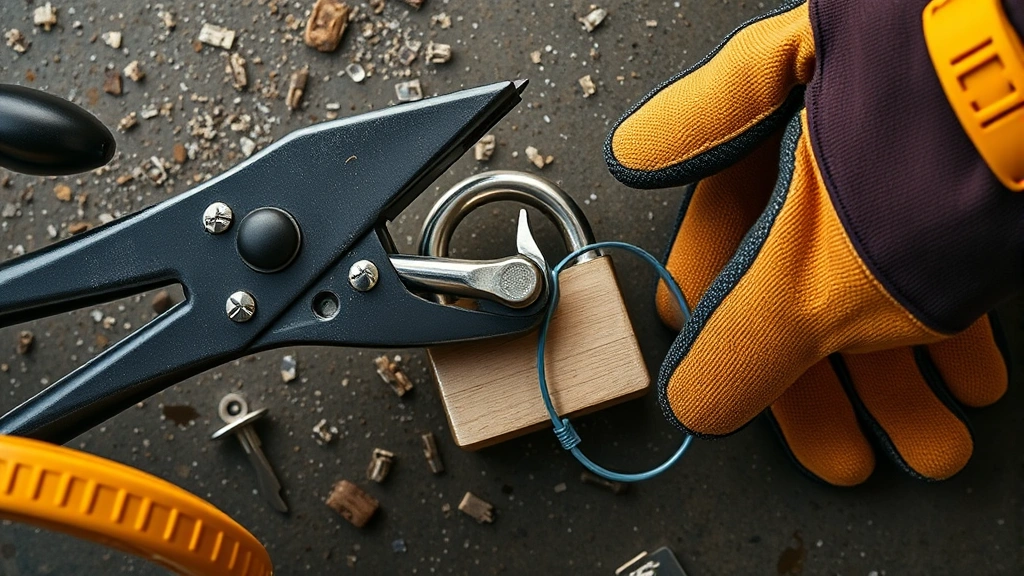
When non-destructive methods fail and you need immediate access, bolt cutters provide a reliable solution. This method is destructive, meaning the lock will be damaged beyond repair, but it’s often the quickest option when you own the locked item.
Selecting the Right Tools
Not all bolt cutters are created equal. For opening a number lock, you’ll need heavy-duty bolt cutters rated for the lock’s shackle diameter. Standard 24-inch bolt cutters work for most padlocks, while industrial-grade locks may require 36-inch cutters or specialized tools. Visit a hardware store and bring your lock to ensure proper fit. Alternatively, Family Handyman offers detailed guidance on padlock cutting.
Safety Precautions
Wear safety glasses to protect against metal shards that may fly during cutting. Work gloves prevent hand injuries from sharp edges. Ensure the lock is secured or held firmly so it doesn’t slip during cutting. Never cut toward your body or anyone else’s direction.
Cutting Technique
Position the bolt cutters so the shackle sits deep in the cutting jaws. Apply steady, even pressure rather than jerking motions. The cutting edges should be perpendicular to the shackle for maximum efficiency. One clean cut typically severs the shackle completely. If the shackle doesn’t cut on the first attempt, reposition and try again rather than forcing the cutters, which can damage them.
Aftercare
After cutting through the lock, carefully remove metal burrs from the cut edges. If the lock was securing something valuable, consider installing a new quality replacement lock from This Old House’s lock recommendations.
Method 3: Shimming the Lock
Shimming is an advanced technique that exploits weaknesses in lock design without cutting or permanent damage. A shim is a thin piece of material inserted into the lock mechanism to manipulate the internal components.
Creating a Shim
You can create a basic shim from aluminum soda cans, thin plastic, or metal shim stock. Cut a piece approximately 2 inches long and 0.5 inches wide. Bend it slightly at a right angle, about 0.5 inches from one end. The bent portion should be approximately 90 degrees. This bent section will engage with the lock’s internal mechanism.
Insertion and Manipulation
Slide the shim into the gap between the shackle and the lock body, with the bent portion pointing downward. Gentle wiggling and slight upward pressure on the shackle may cause the internal components to align, releasing the lock. This technique requires patience and multiple attempts, as success depends on precise positioning and the lock’s design vulnerabilities.
Limitations
Modern locks feature design improvements that eliminate common shimming vulnerabilities. Security-grade padlocks typically won’t respond to shimming techniques. Additionally, some locks have safety features specifically designed to prevent this method. If shimming doesn’t work after several careful attempts, move on to other methods.
Method 4: Professional Lock Picking
Lock picking is a legitimate skill used by locksmiths and security professionals to open number locks non-destructively. While it requires specialized tools and significant practice, understanding the basics can help you appreciate why some locks are more secure than others.
Essential Tools
Professional lock picking requires a tension wrench and pick tools. Tension wrenches apply rotational pressure while picks manipulate internal components. You can purchase beginner lock picking sets online, though they’re often marketed as educational tools. Many locksmiths recommend starting with practice locks before attempting real security devices.
The Picking Process
Insert the tension wrench first, applying light rotational pressure in the direction the lock opens. While maintaining this tension, use the pick to feel for and manipulate the lock’s internal pins or wheels. Each component should set individually, and you’ll feel subtle feedback as they align. Once all components are set, the lock should open.
When to Call a Professional
If you’ve attempted multiple methods without success, calling a professional locksmith is the most efficient option. They have specialized tools, extensive training, and can often open locks in minutes. The cost typically ranges from $50-$150 depending on lock complexity and your location. For valuable items or high-security locks, professional assistance is always recommended.
Preventing Future Lock Lockouts
The best approach to dealing with forgotten combinations is preventing the situation entirely. Implement these strategies to avoid future frustration.
Recording Your Combination Safely
Write your combination in a secure location—a password manager, a locked safe, or with a trusted family member. Never tape the combination to the lock or keep it in an obvious location. Digital password managers like LastPass or 1Password offer encrypted storage specifically for this purpose.
Using Master Locks Strategically
Master locks and other resettable combination locks allow you to set your own combination, making it easier to remember. Keep documentation of all your lock combinations in one secure location. If you manage multiple locks, a spreadsheet with descriptions helps you match locks to their combinations.
Regular Maintenance
Keep locks clean and lightly lubricated with silicone-based lubricants. Avoid WD-40, which attracts dirt. Regular maintenance prevents rust and corrosion that can jam locks or make them harder to operate. Clean locks are also easier to manipulate if you ever need to use non-destructive opening techniques.
Choosing Quality Locks
Invest in higher-quality locks for items of significant value. Better locks feature improved mechanisms that resist manipulation and are less prone to jamming. Check Home Depot’s padlock selection for various security grades and price points.
FAQ
Can I open a number lock without damaging it?
Yes, several non-destructive methods exist, including gentle manipulation and shimming. However, success depends on the lock’s age, quality, and design. Older, lower-quality locks are more susceptible to these techniques than modern security locks. If non-destructive methods fail after reasonable attempts, destructive methods like bolt cutting may be necessary.
How long does it take to open a number lock?
Non-destructive methods can take anywhere from five minutes to several hours, depending on the lock type and your experience level. Bolt cutting typically takes less than a minute. Professional locksmiths can usually open most locks within 10-30 minutes. Patience and methodical approaches yield better results than rushing.
What should I do if I’ve forgotten my combination?
First, check if you recorded the combination anywhere—email receipts, password managers, or documents. Contact the lock manufacturer if you can provide proof of ownership; some manufacturers maintain records. If neither option works, proceed with the opening methods described in this guide based on whether you need to preserve the lock.
Are there any legal concerns with opening locks?
Opening a lock you own is entirely legal. However, opening locks you don’t own without permission is illegal. Always verify you have ownership rights before attempting to open someone else’s lock. If you’re locked out of a rental property, contact your landlord or property manager before attempting to open the lock yourself.
Which method works best for master locks?
Master locks respond well to the gentle manipulation technique due to their design characteristics. Many users report success with careful tension and feeling for binding points. However, newer master lock models feature improved security that resists manipulation. Bolt cutting remains the most reliable method if manipulation fails.
Can I reuse a lock after opening it non-destructively?
Yes, if you use non-destructive methods, the lock remains functional and can be reused. However, if you’ve manipulated or shimmed it, the internal mechanism may be slightly damaged or misaligned. Test the lock thoroughly before relying on it for security purposes again.

Related Posts

Superscript in Google Docs: Expert Tips

Strikethrough in Excel: Easy Steps for Beginners
