

Unlock Number Lock? Expert Tips Inside!
How to Open a Number Lock: Expert Tips and Techniques
A number lock, also known as a combination padlock or dial lock, is one of the most common security devices found in homes, gyms, schools, and offices. Whether you’ve forgotten your combination, inherited a lock with an unknown code, or simply need to access a secured item urgently, knowing how to open a number lock can be incredibly valuable. This comprehensive guide walks you through multiple methods—from trying to recall your combination to using advanced techniques—to help you regain access without damaging the lock or the item it secures.
Number locks come in various styles, including dial locks with rotating dials, push-button combination locks, and digital electronic locks. Each type requires a slightly different approach, but the fundamental principles remain similar. In this article, we’ll explore practical, step-by-step techniques that anyone can use to open a number lock, whether you’re dealing with a padlock on a storage unit, a locker at your gym, or a safe in your home.
Understanding Number Lock Mechanics
Before attempting to open a number lock, it’s essential to understand how these devices work. Most traditional dial combination locks operate using an internal mechanism of rotating wheels or discs. When you input the correct combination, these wheels align, allowing the shackle (the U-shaped metal part) to release. The lock’s security relies on the precise alignment of these internal components.
Number locks typically fall into two categories: mechanical locks and electronic locks. Mechanical locks use physical wheels and springs, while electronic locks rely on digital circuits and batteries. Understanding which type you’re dealing with will help you choose the most effective opening method. Additionally, familiarizing yourself with lock terminology—such as the shackle, dial, and fence—will make the following techniques much easier to understand and execute.
Quality varies significantly among number locks. Budget locks from discount retailers are often easier to manipulate, while high-security locks from reputable manufacturers are designed to resist common bypass techniques. If you need to access a secured item quickly, exploring how-to guides and tutorials can provide additional context for your specific situation.

Method 1: Trying Common Combinations
The simplest approach to opening a number lock is attempting common combinations that many people use. While this might seem obvious, it’s worth trying before moving to more complex techniques. Start by trying these frequently used combinations:
- 0-0-0 or 1-1-1 through 9-9-9 (repeated digits)
- 1-2-3 or 3-2-1 (sequential numbers)
- Birth dates or anniversaries
- The last four digits of a phone number
- Repeating patterns like 1-2-1 or 2-4-6
- The year you purchased the lock
If the lock belongs to you but you’ve simply forgotten the combination, check any documentation that came with the lock or your email for purchase receipts. Many manufacturers include the combination in the packaging or can reset it if you provide proof of purchase. This method requires patience and systematic testing, but it often works for locks that were set to simple combinations.
Method 2: Using the Shimming Technique
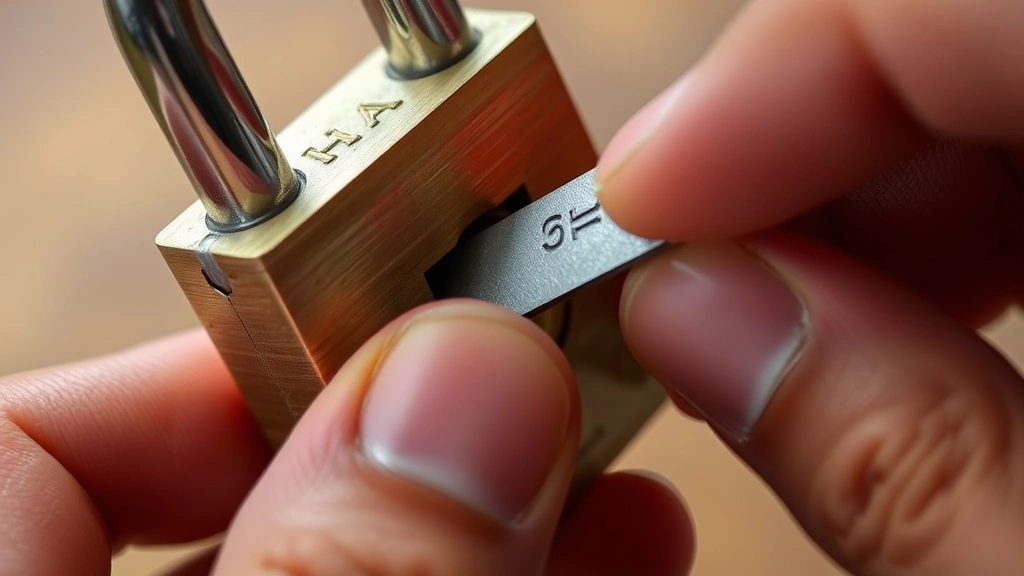
Shimming is a technique used to bypass certain types of number locks by inserting a thin piece of material between the lock components to disengage the locking mechanism. This method works best on lower-quality padlocks and combination locks with loose tolerances. Here’s how to attempt shimming:
- Gather materials: You’ll need a thin piece of metal or plastic, such as a shim made from aluminum foil, a soda can, or a thin metal ruler. Some locksmiths use specialized shims, but household items can work in a pinch.
- Identify the shackle gap: Look at the space where the shackle (the curved metal part) enters the lock body. This is where you’ll insert the shim.
- Insert the shim: Carefully slide the shim into the gap between the shackle and the lock body. Apply gentle, consistent pressure while wiggling it slightly to find the release mechanism.
- Feel for resistance: As you insert the shim, you should feel for any springs or catches that might release the lock. This requires a delicate touch and patience.
- Lift or pull: Once you’ve positioned the shim, try lifting or pulling on the shackle while maintaining slight pressure on the shim. The lock should open if the technique is successful.
It’s important to note that shimming only works on certain lock designs, particularly those with poor manufacturing quality or loose tolerances. High-security locks are specifically designed to resist shimming, so this technique may not work on premium locks. Additionally, shimming should only be attempted on locks you own or have explicit permission to open.
Method 3: Listening for Click Sounds
This technique involves carefully rotating the dial while listening and feeling for subtle click sounds or vibrations. Professional locksmiths often use this method because it can provide valuable feedback about the lock’s internal mechanism. To attempt this method:
- Clear your mind: Find a quiet environment where you can concentrate on subtle sounds and vibrations. Eliminate background noise by turning off music, televisions, and other distractions.
- Hold the lock steady: Grip the lock firmly in one hand while using your other hand to manipulate the dial. Some people prefer placing the lock against their ear to hear clicks more clearly.
- Rotate slowly: Begin turning the dial very slowly in one direction (typically clockwise). Pay close attention to any changes in resistance or subtle clicking sounds.
- Feel the vibrations: As you rotate, try to feel for slight vibrations or resistance changes that might indicate the wheels are aligning. Each click might correspond to a wheel position.
- Mark positions: When you detect a click or resistance change, mark that position on the dial. Continue rotating and noting these positions.
- Analyze the pattern: Once you’ve identified several positions, look for patterns that might correspond to the combination.
This method requires significant practice and a keen sense of touch and hearing. While professional locksmiths develop this skill through years of experience, it’s challenging for beginners. However, with patience and persistence, you might be able to identify certain positions that align with the lock’s internal mechanism.
Method 4: Applying Pressure and Feel
Another technique involves applying slight pressure to the shackle while manipulating the dial. This method works on some mechanical locks because the pressure can help you feel when the internal wheels align. Here’s how to try this approach:
- Apply upward pressure: Pull up gently on the shackle with consistent, steady pressure. Don’t use excessive force, as this can damage the lock.
- Rotate the dial: While maintaining pressure on the shackle, slowly rotate the dial. You’re looking for a position where the dial moves slightly more easily or where you feel a subtle change in resistance.
- Test each position: When you detect a potential alignment, try rotating the dial further while maintaining the upward pressure. Some locks will have a “sweet spot” where the dial feels different.
- Try different pressure levels: If the initial pressure doesn’t work, try varying the amount of force you apply. Some locks respond better to lighter pressure, while others require more force.
- Combine with other methods: This technique works best when combined with listening for clicks or feeling for vibrations, creating a multi-sensory approach to lock manipulation.
This method is particularly effective on older locks or lower-quality models that have worn components. High-security locks are designed to prevent this technique, so success rates vary significantly depending on the lock’s quality and age.
Method 5: Contacting the Manufacturer
If you own the lock or can prove ownership, contacting the manufacturer is often the most straightforward solution. Most reputable lock manufacturers maintain records of combinations and can help you regain access to your property. Here’s how to proceed:
- Identify the manufacturer: Look for the lock’s brand name, which is usually printed or embossed on the lock body. Common manufacturers include Master Lock, Abus, Brinks, and Defiant.
- Find contact information: Visit the manufacturer’s website or search online for their customer service contact details. Most companies have phone numbers, email addresses, and online contact forms.
- Prepare documentation: Gather any proof of purchase, such as receipts, warranty information, or photos of the lock with identifying features. Some manufacturers may require serial numbers.
- Explain your situation: Contact the manufacturer and explain that you’ve lost the combination or inherited the lock. Be honest about your ownership or authorization to access the lock.
- Follow their process: The manufacturer will guide you through their verification process. This might include providing photos, answering security questions, or visiting a local retailer with proof of purchase.
- Receive the combination: Once verified, the manufacturer will provide you with the combination or send you a replacement lock.
This method is the most reliable and safest option if you own the lock. It typically takes 24 to 48 hours, though some manufacturers can provide combinations more quickly. If you’re dealing with a commercial or institutional lock, contact the facility’s management or security office, as they may have the combination on file.
Method 6: Professional Locksmith Services
If you need immediate access and other methods haven’t worked, hiring a professional locksmith is your best option. Locksmiths have specialized tools and expertise to open almost any lock without damaging it. They can also help with emergency access situations and other security-related issues.
When hiring a locksmith, consider these factors:
- Credentials: Verify that the locksmith is licensed and insured. Check online reviews and ask for references from previous customers.
- Experience: Choose a locksmith with experience opening the specific type of lock you have. Some specialize in padlocks, while others focus on safes or electronic locks.
- Cost: Get a quote before the work begins. Emergency services typically cost more than standard appointments. Expect to pay between $50 and $200 for basic lock opening, depending on the lock’s complexity and your location.
- Speed: Professional locksmiths can usually open a lock within 15 to 30 minutes, making this ideal for urgent situations.
- Damage prevention: Locksmiths use techniques that minimize damage to the lock and surrounding property, unlike forced entry methods.
If you’re locked out of your home, office, or vehicle, calling a professional locksmith is often faster and safer than attempting DIY methods that might cause damage. This Old House recommends professional services for high-security locks or valuable properties.
Prevention and Best Practices
Once you’ve successfully opened your number lock, implement these strategies to prevent future problems:
- Write down the combination: Store the combination in a secure location, such as a password manager, safe deposit box, or encrypted digital file. Never write it on the lock itself or on easily accessible documents.
- Take a photo: Photograph the lock’s serial number and any identifying information. This helps if you need to contact the manufacturer later.
- Choose quality locks: Invest in locks from reputable manufacturers like Master Lock or Abus. Quality locks are more reliable and secure.
- Regular maintenance: Keep locks clean and dry to prevent rust and mechanical failure. Apply a small amount of lubricant occasionally to keep the mechanism functioning smoothly.
- Share combinations safely: If you need to share a combination with family members or employees, use secure communication methods and change the combination periodically.
- Test periodically: Occasionally open and close your locks to ensure they’re functioning properly. This helps you catch problems before they become emergencies.
- Consider alternatives: For frequently used locks, consider switching to keyless entry systems or smart locks that don’t rely on memorized combinations.
Additionally, understanding precise measurement techniques can help you identify the exact lock model when ordering replacements or contacting manufacturers. Proper documentation and organization prevent many lock-related problems before they start.
FAQ
Can I open a number lock without the combination?
Yes, there are several methods to open a number lock without knowing the combination, including shimming, listening for clicks, applying pressure while manipulating the dial, contacting the manufacturer, or hiring a professional locksmith. However, success depends on the lock’s quality and your skill level.
Is it legal to open a number lock that isn’t mine?
No, opening a lock you don’t own or don’t have permission to open is illegal. Always ensure you own the lock or have explicit authorization from the owner before attempting to open it.
How long does it take to open a number lock?
The time varies depending on the method. Trying common combinations might take minutes to hours. Shimming or listening techniques could take 15 to 60 minutes. Professional locksmiths typically complete the job in 15 to 30 minutes.
What should I do if I’ve lost the combination to my lock?
Contact the lock’s manufacturer with proof of purchase. If that’s not possible, hire a professional locksmith. Attempting DIY methods should be your last resort, as they might damage the lock.
Can all number locks be opened without the combination?
No, high-security locks are specifically designed to resist common bypass techniques. These locks require professional locksmith services or manufacturer assistance.
Is shimming effective on all locks?
Shimming only works on certain lock types, particularly lower-quality padlocks with loose tolerances. High-security locks are designed to resist shimming.
How much does a locksmith charge to open a number lock?
Professional locksmith fees typically range from $50 to $200, depending on the lock’s complexity, your location, and whether it’s an emergency service. Get a quote before the work begins.
What’s the best way to prevent forgetting my combination?
Store the combination in a secure location like a password manager, safe deposit box, or encrypted digital file. Take photos of the lock’s serial number and keep them with your important documents.

Related Posts

Superscript in Google Docs: Expert Tips

Strikethrough in Excel: Easy Steps for Beginners
