
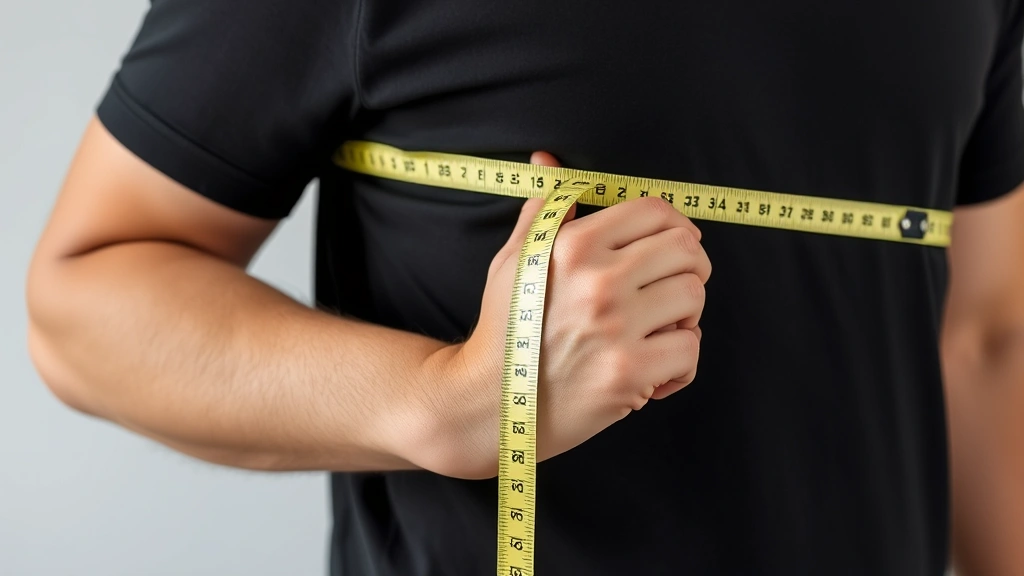
How to Measure Arm Length? Expert Tips Inside
How to Measure Arm Length: Expert Tips Inside
Knowing how to measure arm length accurately is essential for numerous applications, from purchasing properly fitted clothing and athletic gear to conducting fitness assessments and medical evaluations. Whether you’re a tailor, fitness enthusiast, healthcare professional, or simply someone who wants to ensure your garments fit perfectly, understanding the correct measurement techniques can save you time and frustration.
Arm length measurements vary depending on the purpose and the specific points you’re measuring between. This comprehensive guide will walk you through professional methods used by tailors, athletic trainers, and medical professionals to obtain precise arm measurements every time.
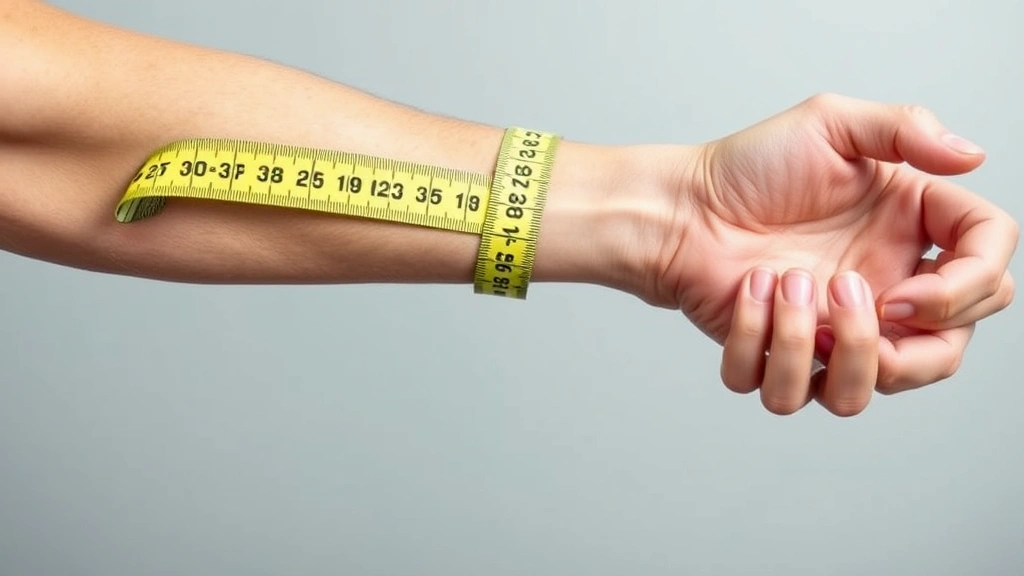
Understanding Arm Measurement Basics
Arm length is typically measured from the shoulder bone to the wrist bone, though variations exist depending on your specific needs. The most common measurement in tailoring and clothing is the inseam measurement, which runs from the shoulder point down to the wrist. Understanding where these key anatomical landmarks are located is crucial for obtaining consistent results.
The shoulder bone, medically known as the acromion process, serves as your starting point. This is the bony protrusion at the top of your shoulder. Your wrist bone, or styloid process, marks the endpoint. The distance between these two points represents your functional arm length—the measurement most relevant for clothing fit and everyday purposes.
Different professions may use different standards. For example, when measuring dimensions for home projects, precision is equally important. Tailors often measure sleeve length, which extends from the shoulder seam down to where the cuff should sit. Fitness professionals might measure from the shoulder to the fingertip to assess arm span. Medical professionals use upper arm circumference and length for health assessments.

Tools You’ll Need
Having the right tools makes the measurement process significantly easier and more accurate. Here’s what you should gather before starting:
- Soft measuring tape: A flexible cloth or plastic measuring tape is essential. Avoid rigid rulers or metal measuring tapes, which won’t conform to your body’s contours.
- Mirror: A full-length mirror helps you verify positioning and ensure the measuring tape stays straight along the arm.
- Notepad or phone: Write down your measurements immediately to avoid forgetting the numbers.
- Helper (optional but recommended): Having another person take measurements eliminates guesswork about tape positioning and tension.
- Proper clothing: Wear fitted clothing or go shirtless on the arm being measured to ensure accuracy.
- Straight edge: Some professionals use a small ruler or straightedge to mark the exact shoulder point before measuring.
Investing in a quality measuring tape is worthwhile. Professional seamstress tapes are inexpensive and last for years. They typically feature both inches and centimeters, making them versatile for different projects.
Step-by-Step Measurement Instructions
Method 1: The Standard Shoulder-to-Wrist Measurement
- Position yourself correctly: Stand upright with your arm relaxed at your side. Keep your posture straight but natural—avoid tensing your muscles or dropping your shoulder unnaturally.
- Locate your shoulder point: Feel along the top of your shoulder until you find the bony protrusion. This is your acromion process. Some people place a small piece of tape here to mark the exact spot.
- Find your wrist bone: On the inside of your wrist, locate the bony prominence on the thumb side. This is your styloid process.
- Measure the distance: Starting at the shoulder point, run the measuring tape down the outside of your arm to your wrist bone. Keep the tape straight but not overly tight—it should follow the natural line of your arm.
- Read and record: Note the measurement at the point where the tape meets your wrist bone. Write this number down immediately.
- Verify with a second measurement: Repeat the process to ensure consistency. If the measurements differ by more than a quarter inch, measure a third time and use the average.
Method 2: The Shoulder Seam-to-Wrist Measurement
This method is preferred by tailors and is especially useful when purchasing clothing. It accounts for where the sleeve seam naturally sits on your shoulder:
- Wear a fitted shirt: Put on a well-fitting long-sleeved shirt or have someone hold a measuring tape at the shoulder seam.
- Identify the shoulder seam: Locate where the sleeve meets the body of the shirt at the shoulder. This is your starting point.
- Measure to the wrist: Run the tape down the sleeve to your wrist bone. This measurement accounts for natural shoulder width variation.
- Record the result: This is your sleeve length measurement, crucial for ordering custom clothing or ensuring proper fit.
Method 3: The Shoulder-to-Fingertip Measurement
Athletes and fitness professionals often use this method to assess arm span:
- Extend your arm: Hold your arm straight out to the side at shoulder height, or extend it forward with a slight bend at the elbow.
- Start at the shoulder: Begin measuring from the shoulder point, as described in Method 1.
- Extend to fingertips: Run the tape all the way to the tip of your middle finger. Keep your fingers slightly spread apart, as they would be naturally.
- Note the measurement: This gives you your full arm length including hand length, useful for athletic assessments and medical evaluations.
When working with a helper, communication is essential. Have them confirm they’re measuring from the correct landmarks and that the tape is straight before reading the final measurement. Our other detailed guides emphasize similar precision principles for various measurement tasks.
Different Measurement Methods
Circumference Measurements
Beyond length, arm circumference measurements are important for medical assessments, custom clothing, and fitness tracking. Measure around the fullest part of your bicep while your arm is relaxed at your side. Keep the tape snug but not tight—it should sit firmly without compressing the muscle. This measurement is particularly useful for monitoring muscle development or ensuring proper sleeve fit.
Upper Arm Length
This measurement runs from the shoulder point to the elbow. It’s valuable for medical professionals assessing growth in children and for determining proper sleeve length when the elbow position matters. Bend your arm at a 90-degree angle and measure from shoulder to the outside of your elbow joint.
Forearm Length
Measured from the elbow to the wrist, forearm length helps tailor sleeve proportions and is useful in ergonomic assessments. This measurement is particularly relevant when determining proper positioning for various tasks, as forearm length affects reach and comfort.
Hand Length
From wrist crease to fingertip, hand length completes the picture of overall arm dimensions. This measurement helps tailors create properly proportioned sleeves and is essential for glove sizing.
Common Mistakes to Avoid
Measuring with Tension
One of the most frequent errors is pulling the measuring tape too tightly. This compresses soft tissue and produces inaccurate results. The tape should follow your arm’s natural contours without stretching the skin. Think of it as following the surface of your arm, not cutting into it.
Inconsistent Starting Points
Measuring from slightly different points each time produces varying results. Use anatomical landmarks like bones rather than estimating where to start. If you measure from the shoulder seam one time and the shoulder bone the next, you’ll get different measurements even though your actual arm length hasn’t changed.
Slack Tape
Conversely, if your measuring tape is too loose, it will sag and give inflated measurements. Keep the tape snug and straight without being uncomfortable. A helper can ensure proper tape positioning better than trying to do it yourself.
Measuring Over Bulky Clothing
Thick sweaters, jackets, and padded shirts interfere with accurate measurements. Always measure on bare skin or thin, fitted clothing. If you’re measuring someone else, have them wear minimal clothing on the measured area.
Arm Positioning Variations
Measuring with your arm flexed versus relaxed produces different results. Establish a standard position and use it consistently. For most purposes, a relaxed arm at your side is the standard position. If you’re measuring for specific purposes like athletic assessment, the position should match the intended use.
Improper Landmark Identification
Incorrectly identifying your shoulder bone or wrist bone leads to inaccurate measurements. Take time to carefully palpate (feel) these landmarks. If you’re unsure, use a mirror and have a helper confirm the locations before measuring.
Recording and Using Your Measurements
Create a measurement record that includes the date, method used, and conditions (arm position, clothing, etc.). This becomes valuable for tracking changes over time, whether for fitness progress, medical monitoring, or ensuring consistent clothing fit.
For Clothing Purchases
When ordering custom clothing or tailored items, provide your complete arm measurement data. Include sleeve length (shoulder seam to wrist), upper arm circumference, and forearm length if available. Different brands may have varying fit standards, so knowing your measurements in inches and centimeters helps when shopping internationally.
For Fitness Tracking
Record arm length and circumference measurements monthly if you’re tracking muscle development. Always measure under identical conditions—same time of day, same position, same clothing. This consistency makes it easier to spot genuine progress.
For Medical Purposes
If a healthcare provider requests arm measurements, ask about the specific landmarks they want measured and use the same method consistently. Document the date and any relevant health conditions that might affect the measurements.
Professional resources like This Old House and Family Handyman emphasize the importance of precise measurements in all home and personal projects. Similarly, measuring arm length with precision ensures accurate results whether you’re purchasing clothing or conducting fitness assessments.
FAQ
What’s the average arm length for adults?
Average arm length (shoulder to wrist) for adults ranges from 22 to 28 inches, depending on height, gender, and individual variation. Men typically have slightly longer arms than women on average, but significant overlap exists. Your personal measurement is more relevant than averages when purchasing clothing or conducting fitness assessments.
Should I measure my arm when it’s cold or warm?
Arm circumference can vary slightly with temperature due to blood vessel dilation and contraction. For the most consistent results, measure at the same time of day and under similar temperature conditions. If you’re tracking measurements over time, consistency matters more than absolute accuracy.
How often should I remeasure my arm?
For fitness tracking, monthly measurements are sufficient to detect meaningful changes. For clothing purchases, remeasure whenever significant weight changes occur or if more than a year has passed since your last measurement. Medical measurements should follow your healthcare provider’s recommendations.
Can I use a ruler instead of a measuring tape?
Rigid rulers don’t conform to your arm’s curved surface, making them unsuitable for body measurements. A flexible measuring tape is essential for accurate results. If you don’t have one, many retailers sell inexpensive cloth measuring tapes, or you can use a piece of string and then measure it against a ruler.
Is arm length the same as sleeve length?
Not exactly. Arm length typically refers to the shoulder-to-wrist measurement, while sleeve length varies based on where the sleeve seam sits on your shoulder and where the cuff should end. Sleeve length is more relevant for clothing fit, while arm length is useful for medical and fitness assessments.
Why do my measurements differ from previous times?
Variations can result from different starting points, tape tension, arm position, time of day, or clothing worn during measurement. If differences are small (less than a quarter inch), they’re likely due to measurement technique variations. Larger differences might indicate actual changes in arm size or suggest reviewing your measurement technique.
Should I have someone else measure my arm?
Having a helper measure your arm eliminates positioning guesswork and ensures the tape stays straight. However, consistent self-measurement using the same technique produces reliable results. Choose whichever method you can perform most consistently.

Related Posts

Superscript in Google Docs: Expert Tips

Strikethrough in Excel: Easy Steps for Beginners
