
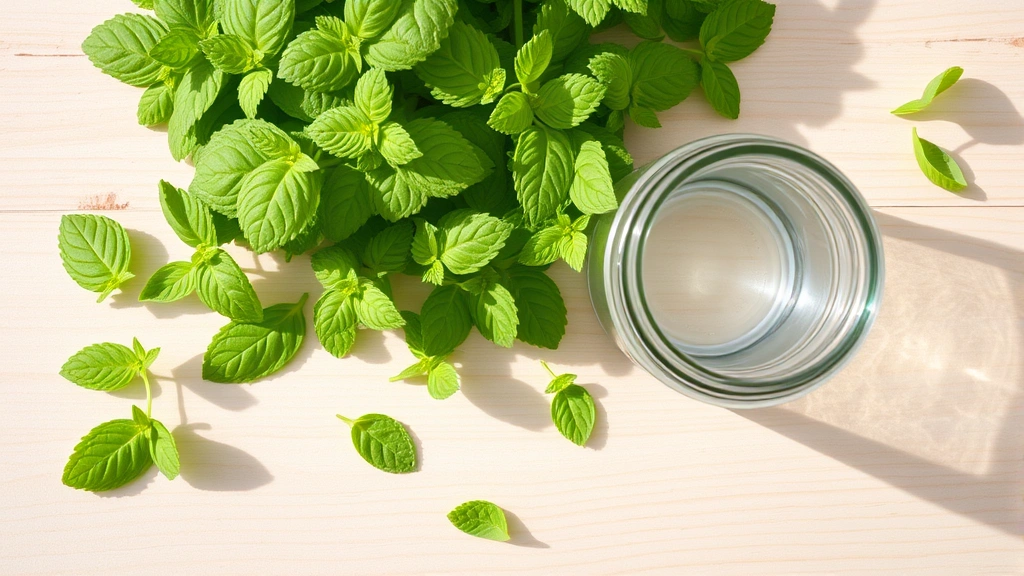
DIY Lemon Balm Extract: Herbalist’s Guide
DIY Lemon Balm Extract: Herbalist’s Guide
Creating your own lemon balm extract at home is one of the most rewarding herbal projects you can undertake. This fragrant, citrus-scented herb has been used for centuries in traditional medicine and culinary applications, and making an extract allows you to preserve its beneficial compounds in a concentrated, shelf-stable form. Whether you’re interested in creating natural remedies, enhancing your cooking, or exploring herbalism as a hobby, learning how to make lemon balm extract opens up endless possibilities.
Lemon balm (Melissa officinalis) is a hardy perennial mint family member that thrives in most climates and grows abundantly in home gardens. The beauty of making your own extract is that you control every aspect of the process—from the quality of the herbs you harvest to the type of extraction medium you choose. This comprehensive guide walks you through everything you need to know to create professional-quality extracts right in your kitchen.
Understanding Lemon Balm Extracts
An extract is essentially a concentrated form of an herb where the active compounds are drawn out and preserved in a liquid medium. When you learn how to make lemon balm extract, you’re utilizing a process called maceration or infusion, where plant material steeps in a solvent to dissolve beneficial compounds. The result is a potent preparation that captures the essence of fresh lemon balm in a form that lasts for years.
Lemon balm extracts come in several varieties, each suited to different purposes. Alcohol-based tinctures are the most common and shelf-stable, typically lasting 5-10 years when stored properly. Glycerin-based extracts offer a gentler, alcohol-free alternative perfect for children or those sensitive to alcohol. Some herbalists also create water-based infusions, though these require refrigeration and have shorter shelf lives. Understanding the differences helps you choose the right method for your specific needs.
The extraction process works because alcohol and glycerin are excellent solvents for plant compounds. They dissolve and concentrate the aromatic oils, flavonoids, and other beneficial constituents that make lemon balm valuable. The longer the herb steeps, the more thoroughly these compounds are extracted, creating a more potent final product. Most extracts reach optimal strength within 4-6 weeks, though some herbalists prefer longer steeping periods for maximum potency.
Gathering Your Materials and Tools
Before you begin your extraction project, assemble all necessary materials and tools. Having everything ready ensures a smooth, efficient process and helps maintain cleanliness and safety standards throughout your work. Here’s what you’ll need:
- Glass jars: Use clean, preferably dark glass quart-sized jars with tight-fitting lids. Dark glass protects extracts from light degradation. Mason jars work perfectly and are readily available.
- Extraction medium: Choose either high-proof vodka (80 proof minimum, 100 proof preferred), grain alcohol (95% ABV), or vegetable glycerin for alcohol-free options.
- Cheesecloth or fine mesh strainer: Essential for filtering plant material from your finished extract without losing valuable compounds.
- Funnel: A stainless steel or glass funnel makes transferring liquid cleaner and easier.
- Dark glass bottles: For storing your finished extract with dropper tops for easy dosing.
- Labels: Create detailed labels with extraction dates and contents for proper tracking.
- Kitchen scale: Precise measurements ensure consistent, reproducible results.
- Cutting board and sharp knife: For preparing fresh herb material.
You’ll also want to gather supporting materials like unbleached coffee filters, rubber bands, and a cool, dark storage location. Cleanliness is paramount in herbal extraction, so sanitize all glass containers with hot water or a dilute bleach solution before use. Proper sanitation prevents contamination and ensures your extract maintains quality throughout its shelf life.
Harvesting Fresh Lemon Balm
The quality of your extract depends heavily on the quality of your starting material. Harvesting lemon balm at the right time maximizes the concentration of beneficial compounds in your plant material. The best time to harvest is mid-morning, after the dew has dried but before the heat of the day has stressed the plant. At this time, essential oil content is typically at its peak.
For optimal results, harvest lemon balm just as the plant begins flowering. This is when the concentration of active compounds reaches its maximum. Simply pinch or cut the top third of the stems, leaving the lower portions intact to encourage regrowth. You can harvest lemon balm multiple times throughout the growing season—typically three to four harvests are possible from spring through fall.
If you don’t have fresh lemon balm available, you can purchase dried herb from reputable herbal suppliers. However, fresh herb produces superior extracts with more vibrant flavor and aroma. When using dried lemon balm, use slightly less than fresh herb since drying concentrates the plant material. Look for bright green color and strong lemon scent as indicators of quality dried herb.
Preparing Your Herbs
Once harvested, proper preparation is crucial for extraction success. If using fresh lemon balm, gently rinse the leaves and stems under cool water to remove any dust or debris. Pat them dry thoroughly with clean towels—excess moisture can dilute your extraction medium and potentially encourage mold growth. Some herbalists prefer to wilt fresh herbs for 24 hours before extraction, which removes some surface moisture while concentrating the plant material.
Chop or tear your lemon balm into smaller pieces to increase surface area available for extraction. Smaller pieces allow the solvent to penetrate more effectively, resulting in faster, more complete extraction. However, don’t pulverize the herb into a fine powder, as this can make filtering difficult and may result in a cloudy final product.
If using dried lemon balm, you can skip the drying step but should still chop it into manageable pieces. Dried herb is already concentrated, so you’ll need approximately 25-30% less dried material compared to fresh herb for equivalent extraction strength. A helpful ratio is one part dried herb to two parts extraction medium, or one part fresh herb to three parts extraction medium.
Alcohol-Based Extraction Method
The alcohol-based tincture method is the most popular approach for creating shelf-stable lemon balm extracts. This traditional method has been refined over centuries and produces reliable, long-lasting results. Here’s the step-by-step process:
Step 1: Calculate Your Proportions
Determine how much extract you want to make. A standard 1:3 ratio means one part fresh herb to three parts alcohol by weight. For example, if you have 100 grams of fresh lemon balm, use 300 milliliters of alcohol. For dried herb, use a 1:2 ratio (100 grams dried herb to 200 milliliters alcohol).
Step 2: Combine Materials
Place your prepared lemon balm into a clean glass jar. Pour your chosen alcohol slowly over the herb until completely submerged and covered by at least an inch of liquid. Stir gently to remove air pockets and ensure even distribution. Seal the jar tightly with a non-metal lid (plastic or cork works well, as metal can corrode over time).
Step 3: Label and Store
Create a detailed label indicating the herb type, extraction medium, ratio used, and the date you began extraction. Store your jar in a cool, dark location away from direct sunlight. A kitchen cabinet, pantry, or basement works perfectly. Avoid areas subject to temperature fluctuations, as consistency helps ensure proper extraction.
Step 4: Shake Regularly
For the first two weeks, shake your jar vigorously for 30-60 seconds at least once daily. This agitation helps distribute plant material and ensures thorough contact between herb and alcohol. After two weeks, you can reduce shaking to several times weekly. Many herbalists continue gentle shaking throughout the entire extraction period.
Step 5: Strain and Filter
After 4-6 weeks, your extract should be ready. Pour the liquid through cheesecloth or a fine mesh strainer into a clean glass bowl, pressing gently on the herb material to extract remaining liquid. Don’t squeeze forcefully, as this can push fine particles into your extract. For extra clarity, filter again through unbleached coffee filters into your final storage bottles.
Step 6: Bottle and Label
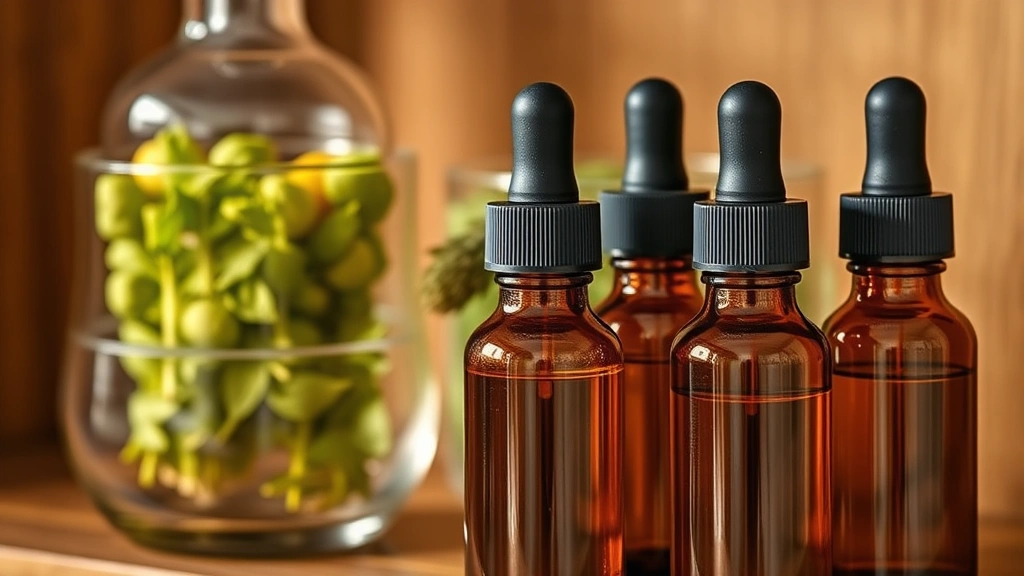
Transfer your finished extract into dark glass bottles with dropper tops. These specialty bottles are available from herbal suppliers and make dosing convenient. Label each bottle with the herb name, extraction date, ratio used, and any relevant notes. Store in a cool, dark place where your extract will remain stable for 5-10 years.
Glycerin Extraction Alternative
For those preferring an alcohol-free option or creating extracts for children, vegetable glycerin offers an excellent alternative. Glycerin is a natural humectant that draws water from plant cells, effectively extracting compounds while creating a sweet-tasting preparation. The process is similar to alcohol extraction but with some important differences.
Use a 1:1 ratio of dried herb to glycerin by weight, or 1:3 for fresh herb. Since glycerin is thicker than alcohol, you may need to warm it slightly to improve flow. Heat glycerin gently in a water bath to about 120°F—never apply direct heat, as this can damage beneficial compounds. Combine warmed glycerin with your prepared lemon balm in a glass jar and proceed with the same storage and shaking protocol as alcohol extraction.
Glycerin extracts typically require 6-8 weeks for optimal extraction, slightly longer than alcohol-based versions. The resulting extract will be sweeter and thicker, with a different flavor profile than alcohol tinctures. Glycerin extracts last 3-5 years when stored properly, shorter than alcohol versions but still providing excellent shelf stability. They’re particularly popular for herbal preparations intended for culinary use or for creating naturally sweetened remedies.
You can also create a hybrid extract by combining glycerin with a small amount of alcohol. This approach combines the gentle nature of glycerin with the superior extraction power and preservation qualities of alcohol. A 70% glycerin to 30% alcohol ratio creates an excellent balanced extract suitable for most applications.
Storing and Using Your Extract
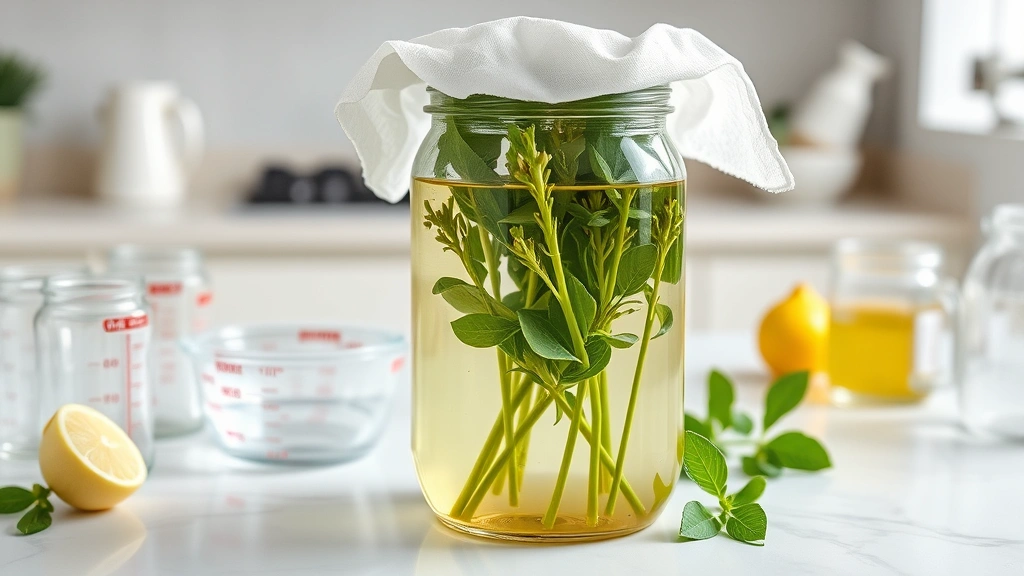
Proper storage is essential for maintaining extract quality and potency throughout its shelf life. Store all extracts in dark glass bottles with tight-fitting lids in a cool, dark location. Temperature stability is important—avoid storing in areas subject to temperature swings like kitchens near ovens or windowsills. A pantry, closet, or basement maintains the consistent cool conditions extracts prefer.
Keep extracts away from direct sunlight, as UV rays degrade beneficial compounds and can alter color and flavor. Dark amber or cobalt glass bottles provide excellent protection, which is why these are the standard for herbal preparations. Never store extracts in plastic containers, as alcohol and glycerin can leach chemicals from plastic over time.
Lemon balm extract is typically used in small doses—usually 1-3 milliliters (roughly 20-60 drops) taken 2-3 times daily. The dropper bottles make precise dosing simple. You can take extracts directly under the tongue for faster absorption, or add them to water, tea, or juice for palatability. Some people prefer mixing extracts into herbal teas or adding them to culinary preparations for flavor and potential health benefits.
For culinary applications, lemon balm extract adds concentrated flavor to beverages, desserts, and savory dishes. A few drops enhance lemonade, cocktails, baked goods, or salad dressings. The extract concentrates the bright, citrusy notes that make lemon balm distinctive, allowing you to achieve significant flavor impact with minimal liquid addition.
Troubleshooting Common Issues
Even with careful attention to detail, extraction sometimes presents challenges. Understanding common issues and their solutions helps you achieve consistent success. If your extract develops a cloudy appearance, this typically indicates fine plant particles suspended in the liquid. Simply filter again through coffee filters or allow the jar to sit undisturbed for several weeks, then carefully pour off the clear liquid, leaving sediment behind.
If mold appears on your extract’s surface, the batch is contaminated and should be discarded. Mold growth usually results from insufficient alcohol content, excessive moisture in the herb material, or contaminated containers. Prevent this by ensuring your starting herb is thoroughly dry, using high-proof alcohol, and sanitizing all equipment before use.
Weak flavor or aroma in your finished extract suggests insufficient extraction time or inadequate herb material. The solution is simple—next time use fresh herb, extend steeping to 8 weeks, or increase the ratio of herb to solvent. Some batches simply extract faster than others depending on herb freshness and size of plant material pieces.
If your extract becomes too strong or concentrated, simply dilute it with additional alcohol or glycerin to reach desired potency. Keep detailed notes on each batch so you can adjust ratios and timing for future extractions based on results. Over time, you’ll develop an intuitive sense for optimal extraction timing and ratios.
Sometimes extracts develop sediment at the bottom of storage bottles. This is completely normal and indicates settling of fine particles. Simply shake gently before use, or carefully pour off the clear liquid if you prefer. The sediment itself is harmless and contains beneficial plant material.
FAQ
Can I use fresh lemon balm from my garden immediately after harvesting?
Yes, you can use fresh lemon balm immediately after harvesting and rinsing. However, allowing it to wilt for 24 hours removes surface moisture, which can help prevent dilution of your extraction medium. This optional step isn’t necessary but can improve results.
What’s the difference between an extract and an infusion?
Extracts use alcohol or glycerin as solvents and concentrate beneficial compounds into a potent preparation lasting years. Infusions use hot water and create a weaker preparation requiring refrigeration and lasting only days or weeks. Extracts are more shelf-stable and concentrated.
Is alcohol-based extract safe for children?
Alcohol-based extracts contain minimal actual alcohol when used in typical doses (1-3 milliliters). However, for children or those sensitive to alcohol, glycerin-based extracts provide a suitable alcohol-free alternative with similar benefits.
How do I know when extraction is complete?
Most extracts reach optimal potency after 4-6 weeks. You can test readiness by tasting a small sample—if the flavor is strong and well-developed, extraction is likely complete. Continuing beyond 6 weeks won’t significantly improve potency but may introduce undesirable flavors.
Can I extract lemon balm using other methods?
Yes, you can create water-based infusions by steeping lemon balm in hot water for 10-15 minutes, though these require refrigeration. You can also create cold infusions by steeping in room-temperature water for 24-48 hours. These methods are simpler but produce less shelf-stable preparations.
What proof alcohol works best for extraction?
High-proof alcohol (80 proof minimum, 100 proof preferred) extracts compounds most effectively. Vodka is popular due to neutral flavor, though brandy or other spirits work. The higher alcohol content ensures better preservation and extraction efficiency.
How should I use lemon balm extract therapeutically?
Typical dosing is 1-3 milliliters (20-60 drops) taken 2-3 times daily. You can take it directly or dilute in water or tea. For specific therapeutic applications, consult herbal references or healthcare providers familiar with herbal medicine.

Related Posts

Superscript in Google Docs: Expert Tips

Strikethrough in Excel: Easy Steps for Beginners
