

Seafood Boil Recipe: Expert Tips and Tricks
Seafood Boil Recipe: Expert Tips and Tricks for Restaurant-Quality Results
A seafood boil is more than just a meal—it’s an experience that brings people together around a table laden with succulent shrimp, tender crab, sweet corn, and perfectly seasoned broth. Whether you’re hosting a casual backyard gathering or planning an elegant dinner party, mastering the art of the seafood boil will elevate your cooking repertoire. This comprehensive guide walks you through every step, from ingredient selection to serving, ensuring your homemade seafood boil rivals any restaurant version.
The beauty of a seafood boil lies in its versatility and simplicity. Unlike complex recipes that require advanced culinary techniques, this dish celebrates fresh ingredients and bold flavors. With the right knowledge and preparation, you’ll create a memorable meal that impresses guests and satisfies even the most discerning seafood lovers. Let’s dive into the expert tips and tricks that transform a basic boil into something extraordinary.
Essential Ingredients for the Perfect Seafood Boil
Creating an exceptional seafood boil begins with understanding the core ingredients that make this dish work. The foundation consists of quality seafood, aromatics, and seasonings that work in harmony. When learning how to make a seafood boil, most home cooks underestimate the importance of ingredient selection—this is your first opportunity to set your dish apart.
Start with your protein selection. The classic combination includes large shrimp (16/20 count), blue crab or crab legs, and sometimes lobster tails for a luxurious touch. Fresh seafood makes an enormous difference in the final result. Look for shrimp that smell like the ocean, not ammonia, and choose crabs with active movement. If fresh isn’t available, high-quality frozen seafood works well—just ensure it’s properly thawed before cooking.
Your vegetable selection adds texture and absorbs the flavorful broth. Essential vegetables include corn on the cob (cut into thirds), baby potatoes, and onions. Many cooks also add sausage—andouille or smoked sausage contributes a smoky depth that complements seafood beautifully. For those interested in culinary experimentation at home, the seafood boil offers endless customization possibilities.
- Shrimp: 2-3 pounds (16/20 count preferred)
- Crab: 2-3 whole crabs or 1-1.5 pounds crab legs
- Corn: 4-6 ears, cut into thirds
- Potatoes: 1.5 pounds baby potatoes
- Sausage: 1 pound smoked sausage, cut into chunks
- Onions: 2 large yellow onions, quartered
- Garlic: 1 full head, halved
- Lemon: 3-4 whole lemons, halved
The broth base requires quality stock or water enhanced with seasoning. Many experts recommend using This Old House’s approach to outdoor entertaining, which emphasizes fresh ingredients and proper technique. The liquid should be generously salted—it should taste like the sea, as this is where your seafood absorbs its primary flavoring.
Choosing and Preparing Your Seafood
The quality of your seafood directly determines your boil’s success. Understanding how to select and prepare proteins ensures optimal texture and flavor. Fresh seafood should be purchased the day of cooking whenever possible, though high-quality frozen options work adequately when thawed properly.
When selecting shrimp, examine the color and texture. Fresh shrimp ranges from white to pink and should be firm to the touch. Avoid any with black spots or an overly fishy smell. For this recipe, larger shrimp (16/20 count means 16-20 shrimp per pound) work best because they remain tender and don’t overcook as quickly as smaller varieties. Pat shrimp dry before cooking to ensure proper searing.
Crabs require special attention. Live crabs should be active, with all legs intact. When selecting crab legs, choose those that feel heavy for their size, indicating quality meat inside. If using whole live crabs, place them in the freezer for 15 minutes before cooking to minimize their stress. This humane approach also makes handling easier.
Lobster tails, if included, should be thawed completely if frozen. Split them lengthwise to ensure even cooking and better seasoning penetration. This preparation step, while optional, significantly improves both appearance and flavor distribution.
Prep work extends beyond the seafood. Cut all vegetables uniformly to ensure even cooking. Potatoes should be roughly the same size as corn pieces. Sausage should be cut into 2-inch chunks for easy serving. Pre-prepare everything before the boil begins, as the cooking process moves quickly once you start.
Building Your Flavor Base
The broth is your seafood boil’s soul. This flavorful liquid infuses every ingredient with depth and complexity. Building this base requires understanding how flavors develop and meld together over time.
Begin by filling a large pot (12-16 quarts) with water, leaving about 4 inches of space at the top. Add 1 cup of kosher salt—this seems like a lot, but remember the liquid will dilute the salt concentration significantly. The broth should taste distinctly salty, almost aggressively so. This salt level is essential because it seasons the seafood and vegetables as they cook.
Add your aromatics to the cold water before heating. Include the halved garlic head, quartered onions, and halved lemons. These ingredients will slowly release their flavors as the water heats, creating a complex base. Some cooks add bay leaves (4-5), dried thyme (1 tablespoon), and whole peppercorns (1 tablespoon) for additional depth.
Bring this mixture to a rolling boil over high heat. This initial boil is crucial—it extracts maximum flavor from your aromatics and creates the foundation for everything that follows. Let it boil for 10 minutes before adding any other ingredients. This brief period allows the flavors to meld and develop.
Next, add your potatoes and sausage. These ingredients require the longest cooking time and benefit from an early start. Simmer them for 10-12 minutes until the potatoes are nearly tender but still have slight firmness. This staggered approach prevents overcooking delicate seafood while ensuring heartier ingredients are perfectly cooked.
Step-by-Step Cooking Instructions
Now that your flavor base is established, it’s time to add ingredients in strategic intervals. Proper timing ensures each component reaches perfect doneness simultaneously—a crucial skill when learning how to make a seafood boil that impresses.
Step 1: Prepare Your Station Set up your cooking area with all ingredients prepped and within arm’s reach. Have a large colander ready for draining and a serving platter prepared. Gather small bowls for melted butter, cocktail sauce, and any additional condiments.
Step 2: Start the Base Fill your pot with salted water and bring it to a boil with aromatics. This process takes approximately 15-20 minutes. While waiting, you can organize your workspace or prepare any side dishes.
Step 3: Add Long-Cooking Vegetables Once your broth is at a rolling boil, add potatoes and sausage. These items need 10-12 minutes to reach the proper texture. Stir occasionally to ensure even cooking.
Step 4: Introduce Corn After the potatoes have cooked for about 8 minutes, add your corn. Corn requires only 4-5 minutes of cooking time, so this timing ensures everything finishes together. The corn should be tender but still have a slight bite.
Step 5: Add the Crabs Crabs require 8-10 minutes of cooking time. Add them to the boiling broth and maintain a steady boil. The shell will turn a bright red-orange color as they cook. This visual cue helps determine doneness.
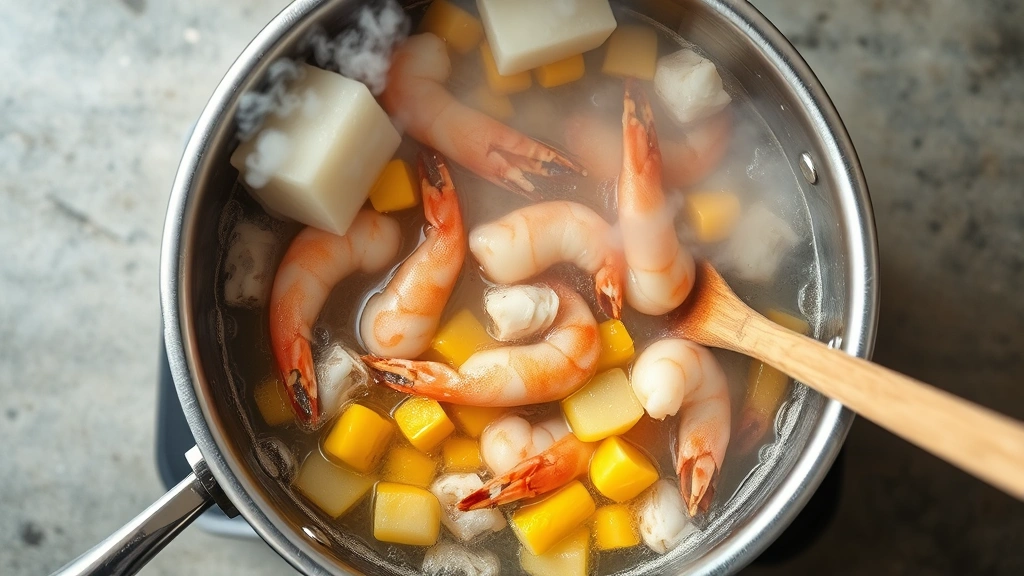
Step 6: Final Additions In the last 3-4 minutes of cooking, add your shrimp. This brief cooking window prevents them from becoming rubbery. Shrimp will curl and turn pink when properly cooked. Avoid the temptation to overcook—shrimp goes from perfectly tender to tough in seconds.
Step 7: Drain and Serve Using your colander, carefully drain all ingredients. Reserve some of the flavorful broth for dipping or serving alongside. Transfer everything to a large platter or directly onto newspaper-covered tables for a casual presentation.
Timing and Temperature Control
Mastering timing is perhaps the most critical skill in seafood boil preparation. Each ingredient has a specific window of perfection, and understanding these windows prevents costly mistakes.
Temperature control requires maintaining a rolling boil throughout the cooking process. This consistent heat ensures even cooking and helps maintain the broth’s ability to properly season ingredients. If your heat drops, the cooking times will extend unpredictably. Use a reliable thermometer to verify your water maintains 212°F (100°C).
Potatoes present unique timing challenges. Their cooking time varies based on size and freshness. To test doneness, pierce a potato with a fork—it should offer slight resistance but not be rock hard. Undercooked potatoes are unpleasant; overcooked ones become mealy.
Corn timing is more forgiving. It can withstand 5-7 minutes of boiling without significant quality loss. The key is ensuring it’s heated through—cold corn in the center creates an unpleasant eating experience.
Crabs require careful attention. At a full rolling boil, large crabs need 18-20 minutes total, though this time begins when you first add them. The shell color transformation from brown to bright red-orange indicates they’re nearly done. Always test by checking if legs pull away from the body easily.
Shrimp represents your most time-sensitive ingredient. The difference between perfectly cooked and overdone shrimp is literally 30-60 seconds. Watch for the moment they curl completely and turn pink throughout. This typically occurs 3-4 minutes after adding them to boiling water, depending on their size.
Pro tip: If you’re serving a large crowd, consider cooking in batches rather than overcrowding your pot. Overcrowding lowers water temperature, extending cooking times unpredictably and potentially resulting in unevenly cooked seafood.
Advanced Seasoning Techniques
Beyond the basic salt and aromatics, advanced seasoning techniques elevate your seafood boil from good to extraordinary. These methods add layers of flavor that keep guests asking for your recipe.
Creating a Spice Blend Rather than adding individual spices, create a cohesive blend that works together harmoniously. Combine 1 tablespoon Old Bay seasoning, 1 teaspoon cayenne pepper, 1 teaspoon smoked paprika, 1 teaspoon garlic powder, and ½ teaspoon black pepper. Add this blend to your broth 5 minutes before adding vegetables. This timing allows the spices to fully hydrate and distribute evenly.
Butter Enhancement Create a compound butter by mixing softened butter with minced garlic, fresh parsley, lemon zest, and a pinch of cayenne. Melt this over your cooked seafood just before serving. The butter’s richness complements the broth’s boldness beautifully.
Acid Balance Fresh lemon juice added at the very end brightens all the flavors. Squeeze 2-3 fresh lemons over the finished dish just before serving. This acidity cuts through the richness and prevents the dish from feeling heavy.
Smoke Infusion For advanced cooks, smoking the sausage before adding it to the boil creates incredible depth. Use a small smoker or smoking gun to expose the sausage to smoke for 15-20 minutes before slicing and adding to the pot. This technique, while requiring additional equipment, produces restaurant-quality results.
Wine Integration Some cooks add 2 cups of dry white wine to their broth for additional complexity. Add the wine after bringing the water to a boil but before adding vegetables. Allow it to simmer for 5 minutes so the alcohol burns off while the flavor remains.
Serving and Presentation Tips
How you present your seafood boil significantly impacts the dining experience. Presentation doesn’t require fancy plating—sometimes the most impressive presentations are the simplest and most communal.
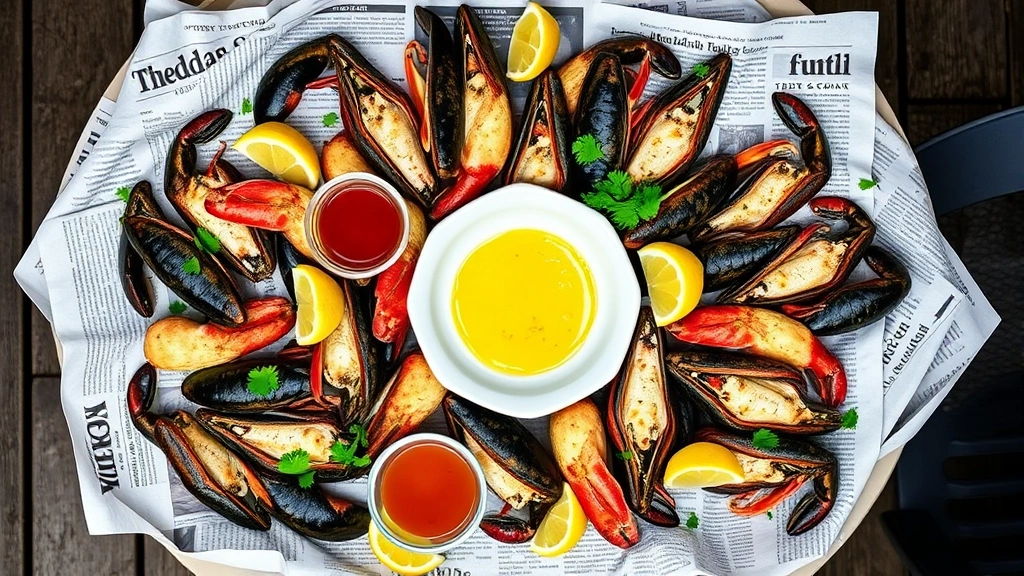
Traditional Newspaper Service The classic approach involves spreading newspaper across your table and dumping the entire boil directly onto it. This casual, interactive presentation encourages guests to dig in and enjoy the experience together. Provide small bowls for shells and a trash receptacle nearby for easy cleanup. This method works particularly well for outdoor entertaining and casual gatherings.
Platter Presentation For more formal occasions, arrange your seafood and vegetables on a large platter, layering for visual appeal. Place shrimp around the perimeter, arrange crab legs in the center, and tuck corn and potatoes in between. Garnish with fresh parsley and lemon wedges. This approach maintains the boil’s casual nature while elevating its appearance.
Individual Bowls For smaller gatherings or more formal dining, serve portions in wide, shallow bowls with some of the cooking broth. This method keeps everything warm and allows guests to enjoy the flavorful liquid throughout their meal.
Accompaniments Matter Serve your seafood boil with complementary sides. Melted butter infused with garlic is essential. Cocktail sauce provides a tangy contrast. Consider serving crusty bread for soaking up broth, coleslaw for freshness, and corn bread for heartiness. For beverage pairings, consider Family Handyman’s outdoor entertaining suggestions, which often include beverage guidance.
Temperature Maintenance If serving over an extended period, keep your seafood boil hot by placing the pot on a portable burner set to low heat. This keeps everything at safe serving temperature while allowing guests to help themselves throughout the meal.
Garnish for Impact Fresh herbs transform the visual appeal dramatically. Scatter fresh parsley, dill, and chives over the finished dish. Add lemon wedges around the platter. These simple additions make your presentation look intentional and polished.
For those interested in comprehensive entertaining guides, the Home Depot outdoor living section offers excellent resources for setting up entertaining spaces. Similarly, if you’re planning outdoor events, you might find our guide on DIY home projects and entertaining helpful for preparing your space.
Frequently Asked Questions
Can I prepare a seafood boil in advance?
Partial preparation is possible—you can prep all vegetables and prepare your flavor base the day before. However, cook the actual seafood only when you’re ready to serve. Cooked seafood left sitting becomes tough and loses its optimal texture. The beauty of the seafood boil lies in its fresh, just-cooked quality.
What’s the best substitute for Old Bay seasoning?
If Old Bay isn’t available, create your own blend using paprika, cayenne, celery salt, mustard powder, and black pepper. The exact proportions matter less than achieving a balance of smoky, spicy, and savory notes. Experiment to find your preferred flavor profile.
How do I know when my seafood is perfectly cooked?
Each protein shows specific visual cues. Shrimp curl completely and turn pink throughout. Crab legs turn bright red-orange and legs pull away from the body easily. Potatoes yield to a fork with slight resistance. Corn kernels are tender but not mushy. These visual indicators are more reliable than strict timing, as variables like pot size and ingredient quantity affect cooking duration.
Can I use frozen seafood?
Yes, frozen seafood works well when properly thawed in the refrigerator overnight or under cold running water. Pat it dry before cooking to ensure proper texture development. Avoid thawing at room temperature, as this creates bacterial growth risks. Thawed frozen seafood cooks in the same timeframe as fresh.
What’s the ideal water-to-salt ratio?
The general rule is approximately 1 cup of kosher salt per 4 gallons of water, though this varies based on personal preference. The broth should taste noticeably salty—like seawater. If you’re uncertain, taste the broth before adding ingredients and adjust accordingly. Remember that salt doesn’t fully dissolve in cold water, so always dissolve it in boiling water for even distribution.
How should I store leftovers?
Refrigerate cooked seafood in an airtight container for up to 2 days. The broth can be frozen for up to 3 months and used as a base for seafood soups or future boils. Reheat gently to avoid overcooking the seafood. Many cooks enjoy cold leftover shrimp the next day as a salad addition or appetizer.
Can I cook a seafood boil indoors?
Absolutely. Use your largest pot and ensure adequate ventilation, as the steam and seafood aroma will be significant. An indoor seafood boil requires the same technique and timing as an outdoor version. Some cooks prefer indoor cooking for weather independence and easier cleanup. Just ensure your stovetop can handle the large pot’s weight and heat demands.
What vegetables work best in a seafood boil?
Corn, potatoes, and onions are traditional choices, but experimentation is encouraged. Brussels sprouts, carrots, and asparagus all work well. The key is selecting vegetables that can withstand boiling without becoming mushy. Add harder vegetables earlier and tender ones later to ensure even doneness. You might also explore our guide on outdoor entertaining preparation for additional hosting tips.

Related Posts

Superscript in Google Docs: Expert Tips

Strikethrough in Excel: Easy Steps for Beginners
