
Remove Urine from Mattress: Expert Tips
How to Get Urine Out of a Mattress: Expert Tips and Proven Methods
Discovering urine on your mattress is never pleasant, whether it’s from a child’s accident, a pet mishap, or an adult medical issue. The challenge isn’t just removing the visible stain—it’s eliminating the odor that can linger for months if not treated properly. Urine penetrates deep into mattress fibers and foam layers, making surface cleaning ineffective. This comprehensive guide walks you through proven methods to completely remove urine from your mattress, restore its freshness, and prevent permanent damage.
The key to success is acting quickly and using the right combination of cleaning agents. Uric acid crystals in urine become increasingly difficult to break down as they dry, so timing matters significantly. We’ll cover everything from immediate response techniques to deep-cleaning solutions that tackle stubborn, set-in stains. Whether you’re dealing with fresh accidents or old odors, you’ll find practical, step-by-step instructions that actually work.
Why Urine Stains Are So Difficult to Remove
Understanding why urine is so stubborn helps explain why standard cleaning methods fail. Urine contains three main components: urea, creatinine, and uric acid. When urine dries, uric acid crystals bond with mattress fibers at a molecular level, creating odors that persist even after surface cleaning. Unlike water-based stains, urine requires specific chemical reactions to break these bonds.
The longer urine sits, the more these crystals set into the mattress structure. Fresh urine is relatively easy to treat, but old stains—sometimes years old—can seem impossible to eliminate. This is why many people resort to buying new mattresses when they could have solved the problem with proper treatment. The depth of mattress foam and padding means urine often soaks through multiple layers, making it essential to treat the entire affected area, not just the surface.
Temperature and humidity also affect how urine odors develop. Warm, moist conditions accelerate bacterial growth, which compounds the smell. This is why a mattress may smell worse in summer or in humid climates. Understanding these factors helps you choose the most effective removal method for your specific situation.
Immediate Steps: Acting Fast
Time is your greatest asset when dealing with fresh urine. The first 24 hours are critical for preventing permanent staining and odor.
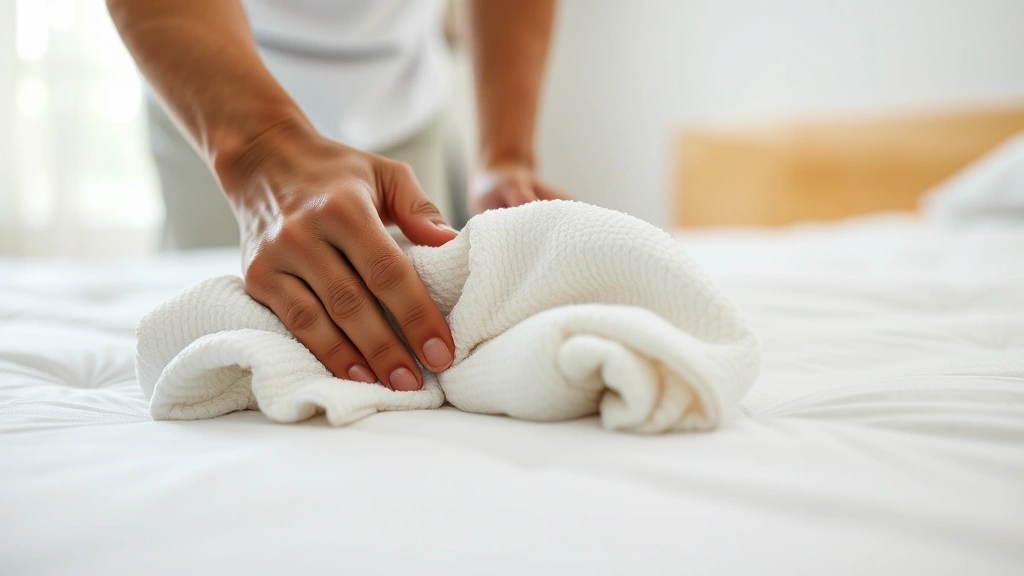
- Blot immediately: Use clean, dry towels to blot up as much liquid as possible. Press down firmly rather than rubbing, which spreads the urine deeper into fibers. Work from the outside edges toward the center of the stain.
- Avoid heat: Don’t use a hair dryer or direct heat source. Heat sets urine stains and makes them harder to remove. It also activates odor-causing compounds.
- Strip and inspect: Remove all bedding and check the mattress cover and underside. Urine often soaks through to the bottom, especially on older mattresses with thin covers.
- Ventilate: Open windows and increase air circulation immediately. Fresh air helps prevent odor compounds from concentrating in the mattress.
- Don’t wait: Begin treatment within hours, not days. Every hour that passes allows uric acid crystals to bond more strongly with mattress materials.
Method 1: Vinegar and Baking Soda Solution
This is the most popular DIY method because it’s affordable, uses common household items, and actually works. Vinegar’s acidity breaks down uric acid crystals, while baking soda absorbs odors. Many people use this approach as their first line of defense and find it completely solves fresh stains.
What you’ll need:
- White vinegar (regular household vinegar works fine)
- Baking soda
- Spray bottle
- Clean towels
- Vacuum with hose attachment
Step-by-step process:
- Prepare the area: Blot up excess moisture with towels. The area should be damp but not dripping wet.
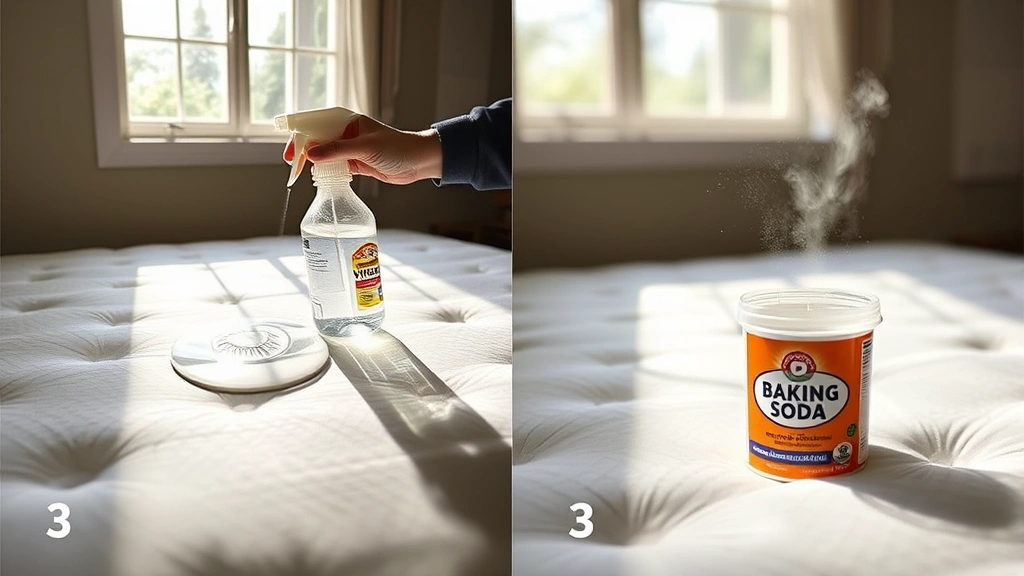
- Apply vinegar spray: Mix equal parts white vinegar and water in a spray bottle. Spray the affected area generously, ensuring the solution penetrates at least an inch into the mattress. Don’t oversaturate, but do ensure complete coverage of the stained area.
- Let it sit: Allow the vinegar solution to work for 5-10 minutes. The acidity begins breaking down uric acid crystals immediately. You may notice the vinegar smell intensifying—this is normal and temporary.
- Blot again: Use fresh towels to blot up the vinegar solution. Press firmly to remove as much liquid as possible. This step is important because excess moisture can lead to mold growth.
- Apply baking soda: Sprinkle baking soda generously over the entire treated area. Use enough to create a visible coating. Baking soda absorbs remaining moisture and odors while the mattress dries.
- Wait overnight: Leave the baking soda in place for 8-12 hours, or longer if possible. This gives it maximum time to absorb odors and any remaining liquid.
- Vacuum thoroughly: Use a vacuum with a hose attachment to remove all baking soda. Make multiple passes to ensure complete removal, as leftover powder can attract moisture and create new odors.
This method works best on fresh stains (less than 24 hours old). For older stains, you may need to repeat the process 2-3 times or combine it with other methods.
Method 2: Enzymatic Cleaners
Enzymatic cleaners are specifically designed to break down organic compounds like those in urine. Unlike vinegar and baking soda, enzymes attack the actual uric acid molecules, making them highly effective on both fresh and set-in stains. Family Handyman recommends enzymatic cleaners as one of the most reliable solutions.
Popular enzymatic cleaner options:
- Nature’s Miracle Enzymatic Cleaner
- Rocco & Roxie Professional Strength Stain & Odor Eliminator
- Sunny & Honey Enzyme Cleaner
- Angry Orange Pet Odor Eliminator
Application method:
- Choose your product: Select an enzymatic cleaner specifically labeled for urine removal. Pet-focused cleaners work excellently for human urine too, as they’re formulated to handle the same chemical compounds.
- Pre-treat if needed: For old stains, lightly spray the area with water first to reactivate dried urine crystals. This helps enzymes penetrate and work more effectively.
- Apply generously: Follow the product instructions, but generally, apply enough cleaner to saturate the affected area. The solution needs to reach deep into the mattress.
- Let enzymes work: Most enzymatic cleaners require 6-24 hours to fully break down uric acid. Don’t rush this step—the longer the enzymes work, the more effective they are. Keep the mattress in a warm location if possible, as warmth activates enzymes.
- Blot and extract: After the recommended time, blot up the cleaner with towels. You can also use a wet/dry vacuum to extract moisture more thoroughly.
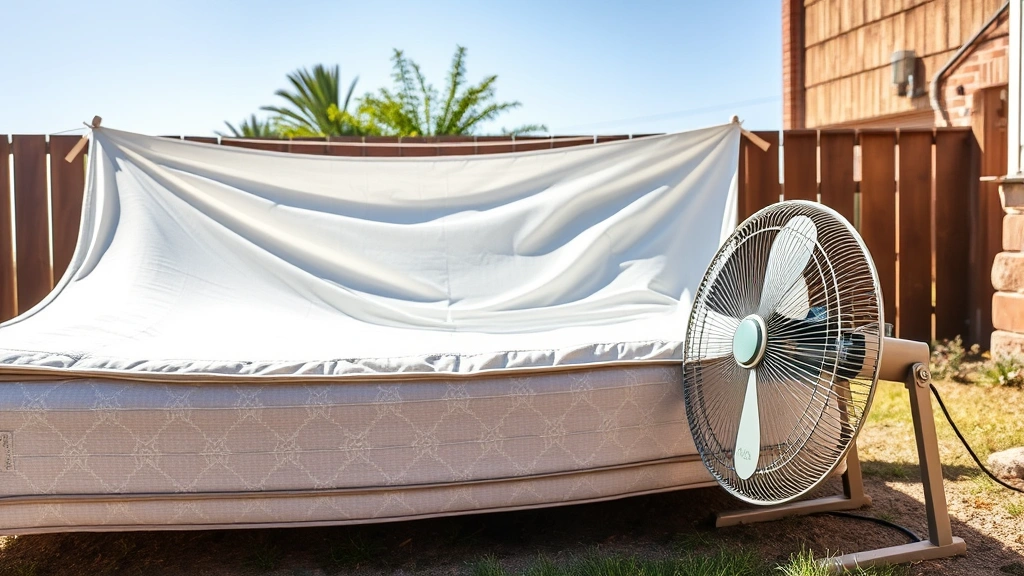
- Allow to dry completely: Enzymatic cleaners require thorough drying. Use fans, open windows, and if possible, place the mattress in direct sunlight.
Enzymatic cleaners often cost more than vinegar and baking soda but deliver superior results, especially on stubborn stains. They’re worth the investment for serious urine problems.
Method 3: Hydrogen Peroxide Treatment
Hydrogen peroxide is a powerful oxidizing agent that breaks down uric acid crystals through chemical reaction. It’s particularly effective on old stains and works faster than vinegar. However, it requires more caution because peroxide can potentially bleach colored mattress covers.
Important safety notes:
- Test on an inconspicuous area first to ensure no discoloration occurs
- Use 3% food-grade hydrogen peroxide (standard drugstore strength)
- Avoid mixing with other cleaners, especially ammonia
- Ensure good ventilation during and after application
Application process:
- Test first: Apply a small amount of hydrogen peroxide to a hidden mattress area and wait 24 hours to check for discoloration.
- Prepare the area: Blot up excess moisture with towels if dealing with fresh urine.
- Apply hydrogen peroxide: Pour or spray 3% hydrogen peroxide directly onto the stained area. Use enough to saturate the spot thoroughly, but avoid oversaturating to the point of dripping through to the other side.
- Add baking soda: Immediately sprinkle baking soda over the wet peroxide. The combination creates a fizzing action that helps break down uric acid and penetrate deeper into the mattress.
- Let it work: Allow 5-10 minutes for the fizzing to subside. The chemical reaction is what makes this method effective.
- Blot thoroughly: Use clean towels to blot up the mixture. Press hard to remove as much liquid as possible.
- Repeat if necessary: For stubborn stains, repeat the process after the mattress dries (usually 4-6 hours).
- Final drying: Ensure the mattress dries completely. Use fans and increase air circulation.
Hydrogen peroxide often produces the fastest visible results and can eliminate even years-old odors that other methods miss. However, it’s best used as a second treatment if vinegar and baking soda don’t fully resolve the problem.
Deep Cleaning for Set-In Stains
When you’ve inherited a mattress with old urine stains or previous methods haven’t worked, deep cleaning becomes necessary. These techniques require more time and effort but can salvage mattresses that seem beyond help.
Steam cleaning approach:
Renting or hiring a professional steam cleaner can penetrate deep into mattress layers. Steam heat activates urine crystals, allowing cleaning solutions to work more effectively. Use this method in combination with enzymatic cleaners for maximum impact. After steam cleaning, apply enzymatic cleaner, allow it to work overnight, then extract with the steam cleaner again.
Combination treatment:
- Apply hydrogen peroxide and baking soda as described above
- Once dry (4-6 hours), apply enzymatic cleaner
- Let enzymatic cleaner work overnight
- Blot and extract thoroughly
- Apply vinegar and baking soda treatment
- Allow to dry completely (24+ hours)
This three-step approach attacks urine from multiple chemical angles. While time-intensive, it succeeds on stains that individual methods cannot solve. Related cleaning challenges like how to clean a couch use similar layered approaches for stubborn stains.
Professional restoration option:
If DIY methods fail after multiple attempts, consider professional mattress cleaning services. These companies use industrial-grade equipment and specialized solutions that exceed what’s available for home use. Many guarantee odor removal, making them a worthwhile investment for expensive mattresses.
Drying Your Mattress Completely
Incomplete drying is a major reason why urine odors return. Any remaining moisture can reactivate odor compounds and promote mold and mildew growth. Thorough drying is non-negotiable for permanent odor elimination.
Drying strategies:
- Sun exposure: If possible, place your mattress in direct sunlight for several hours. UV rays kill bacteria and odor-causing microorganisms while heat helps evaporate remaining moisture. Flip the mattress if you can treat both sides.
- Fans: Position box fans or pedestal fans to blow across the mattress surface. Continuous air circulation is more effective than a single fan. Aim for 8+ hours of fan drying minimum.
- Dehumidifier: In humid climates, a dehumidifier dramatically speeds drying and prevents mold growth. Run it in the room with the mattress for 24-48 hours.
- Open windows: Fresh air circulation is essential. Open multiple windows to create cross-ventilation that pulls moisture out of the mattress.
- Moisture meter: If available, use a moisture meter to verify the mattress has dried to safe levels (below 15% moisture content). This takes guesswork out of the drying process.
- Extended drying time: Plan for at least 24-48 hours of drying, longer in humid conditions. Putting a mattress back in use before it’s completely dry virtually guarantees odor problems will return.
Many people skip this step or rush it, which is why their urine odor problems persist. Treat drying as seriously as the cleaning process itself.
Prevention Tips
Once you’ve successfully removed urine from your mattress, preventing future incidents protects your investment and saves you from repeating this process.
Mattress protection strategies:
- Waterproof mattress protectors: Invest in a high-quality waterproof mattress protector that covers the entire surface. These prevent liquids from reaching the mattress core. Look for protectors that are breathable to avoid heat buildup.
- Fitted sheet protection: Use waterproof fitted sheets under regular sheets. They provide an additional barrier while remaining comfortable.
- Regular inspection: Check your mattress monthly for any signs of moisture or odor. Early detection allows you to treat issues before they become entrenched.
- Bedroom habits: Avoid eating or drinking in bed, especially sugary beverages that can attract bacteria. Keep pets off the bed if they have incontinence issues.
- Medical management: For adults or elderly individuals with incontinence, work with healthcare providers on management solutions. Protective underwear, absorbent pads, or medical treatments can prevent mattress accidents.
- Child training: For children learning nighttime dryness, use waterproof mattress protectors as a standard precaution. This removes stress from both parent and child about potential accidents.
- Pet management: If you have pets prone to accidents, consider restricting bed access or using separate pet bedding on top of your mattress.
These preventive measures are far simpler and cheaper than treating established urine problems. A quality mattress protector costs $30-100 and can save you from expensive mattress replacement or extensive cleaning.
For additional fabric and surface cleaning challenges, explore our guide on how to get sweat stains out of hats, which uses similar enzymatic and oxidizing approaches. The principles of breaking down organic stains apply across many household materials and situations.
FAQ
How long does it take to completely remove urine odor from a mattress?
Fresh stains may be eliminated in 24-48 hours with the vinegar and baking soda method. Older, set-in stains require 3-7 days of treatment, potentially involving multiple applications and enzymatic cleaners. Complete drying time must be added to all treatment timelines. Severe cases may take 1-2 weeks of intensive treatment. The older the stain, the longer the process.
Can I sleep on the mattress while treating it?
No. You must wait until the mattress is completely dry after treatment. Sleeping on a damp mattress interferes with the drying process, reactivates odor compounds, and can promote mold growth. Plan for the mattress to be out of service for at least 24 hours during treatment and drying. For extensive treatments, expect 2-3 days minimum.
Will vinegar and baking soda work on old urine stains?
Vinegar and baking soda are less effective on stains older than 2-3 weeks. For old stains, enzymatic cleaners or hydrogen peroxide work better. However, vinegar and baking soda can still help as part of a multi-method approach. You may need to repeat the treatment 2-3 times or combine it with other methods. Persistence often succeeds even on very old stains.
What if the urine smell returns after cleaning?
Returning odor usually indicates incomplete drying or urine that penetrated deeper than treated. Repeat the treatment process, focusing on thorough drying afterward. If the smell returns multiple times, the urine likely reached the mattress core or wood frame. In these cases, professional cleaning services or mattress replacement may be necessary. Consider a mattress protector to prevent future incidents.
Are enzymatic cleaners safe for all mattress types?
Most enzymatic cleaners are safe for all mattress types, including memory foam, innerspring, and hybrid mattresses. However, check your specific mattress warranty and the cleaner instructions. Some premium mattresses may have specific cleaning requirements. Test any new cleaner on a hidden area first. When in doubt, contact the mattress manufacturer for approved cleaning methods.
Can I use bleach to clean urine from a mattress?
Bleach is not recommended for mattresses. It can damage fabrics, discolor covers, and create toxic fumes if mixed with other cleaning products. Bleach may kill odor-causing bacteria but won’t remove uric acid crystals that cause the smell. Stick with vinegar, baking soda, enzymatic cleaners, or hydrogen peroxide instead. These are safer and more effective.
How can I tell if my mattress is completely dry?
A completely dry mattress should feel cool and firm, not damp or spongy. Press your hand firmly into the surface—you shouldn’t feel moisture. If you have a moisture meter, readings should be below 15%. The mattress should have no musty or mildew smell. When in doubt, extend drying time. It’s better to over-dry than to put a damp mattress back in use.
What’s the best mattress protector to prevent urine damage?
Look for protectors labeled “waterproof” or “liquid-proof” with a TPU (thermoplastic polyurethane) or PVC backing. Ensure it covers all six sides of the mattress, including the bottom. Top-rated options include This Old House’s recommended mattress protectors. The protector should be washable, breathable to prevent heat buildup, and fit snugly without shifting. Quality protectors typically last 2-3 years before replacement.
Is it better to replace the mattress or try cleaning it?
Attempt cleaning first unless the mattress is already old, worn, or inexpensive. Quality mattresses are expensive—$500-2,000 or more. Cleaning costs $0-500 depending on the method and whether you hire professionals. Even after successful cleaning, a mattress protector prevents future damage. Only consider replacement if cleaning attempts fail repeatedly, the mattress has other damage, or you’ve owned it 7+ years and are ready for an upgrade anyway.

Related Posts

Superscript in Google Docs: Expert Tips

Strikethrough in Excel: Easy Steps for Beginners
