
Remove Sweat Stains from Hats: Expert Tips
How to Remove Sweat Stains from Hats: Expert Tips and Techniques
Sweat stains on hats are one of the most stubborn laundry challenges homeowners face. Whether you’re dealing with a beloved baseball cap, a vintage fedora, or an expensive athletic hat, those yellowish or brownish stains seem almost permanent once they set in. The good news? With the right approach and a bit of patience, you can restore your hats to their original condition without damaging the fabric or compromising the hat’s structure.
The key to successful hat stain removal lies in understanding what causes these stains and choosing the appropriate cleaning method for your specific hat material. Sweat stains form when salt, oils, and proteins from perspiration bond with fabric fibers and oxidize over time, creating those telltale marks. This comprehensive guide walks you through proven techniques that actually work, from simple home remedies to professional-grade solutions.
Understanding Sweat Stains on Hats
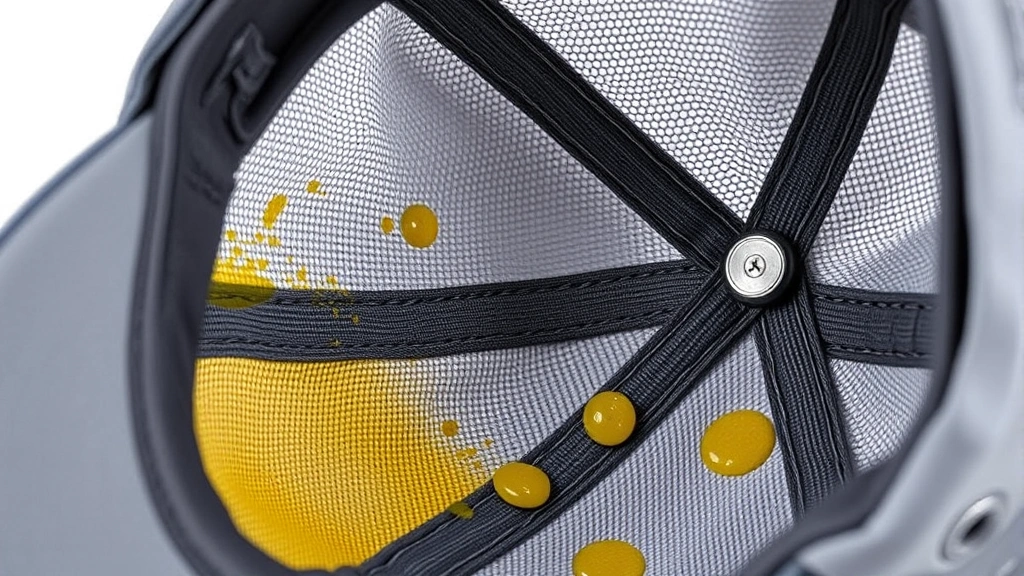
Before diving into removal techniques, it’s essential to understand exactly what you’re fighting against. Sweat stains aren’t just dirt—they’re a complex combination of salt, uric acid, proteins, and oils that accumulate on hat fabric, particularly in the sweatband area. When exposed to air and heat, these organic compounds oxidize and create stubborn discoloration that regular washing often can’t remove.
The material of your hat plays a crucial role in determining which cleaning method works best. Cotton baseball caps respond well to most cleaning solutions, while delicate materials like wool felt or vintage fabrics require gentler approaches. Synthetic materials and blended fabrics have their own specific needs. Understanding your hat’s composition before treating it prevents accidental damage and ensures better results.
Fresh sweat stains are always easier to remove than old, set-in stains. If you notice discoloration immediately after wearing your hat, address it promptly using gentle methods. However, even months-old stains can be successfully removed with persistence and the right technique.
Preparation and Safety Considerations
Successful hat cleaning starts with proper preparation. First, check the hat’s care label for any manufacturer recommendations or warnings. Some hats have special coatings or treatments that react poorly to certain chemicals. If no label exists, test any cleaning solution on a hidden interior section first to ensure it doesn’t damage the fabric or cause color bleeding.
Gather your supplies before beginning. You’ll need clean white cloths or soft-bristled brushes, depending on your chosen method. Avoid using rough materials that could damage delicate hat fabrics. Ensure your work area is well-ventilated, especially when using vinegar or hydrogen peroxide solutions. Wear rubber gloves to protect your hands and prevent oils from transferring back to the hat.
Never use hot water on hats, as heat can set stains permanently and damage certain materials. Lukewarm or cold water is always your safest bet. Additionally, avoid the dryer entirely—machine drying can shrink hats and permanently damage their shape. Air drying is the only appropriate method for hat care.
The Baking Soda Method
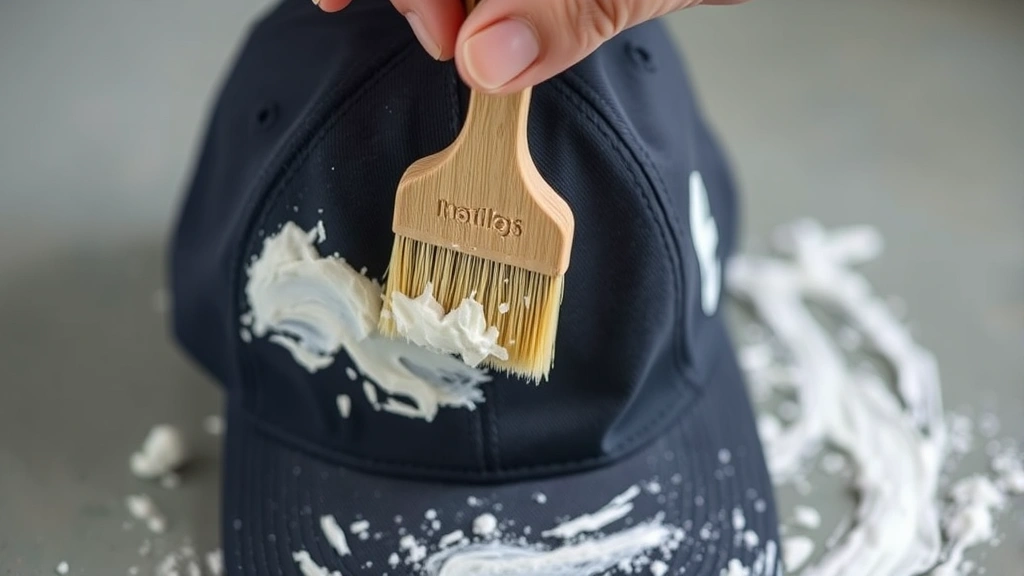
Baking soda is a powerhouse for removing sweat stains, and it’s gentle enough for almost all hat materials. This method works by creating a paste that draws out stains while neutralizing odors. To start, mix three parts baking soda with one part water to create a thick, spreadable paste. Adjust the ratio as needed—you want a consistency that clings to the stain without dripping.
Apply the paste directly to the sweat-stained areas, focusing on the sweatband and any visible discoloration. Use a soft cloth or old toothbrush to gently work the paste into the fabric using circular motions. Don’t scrub aggressively; let the baking soda do the work. Allow the paste to sit for at least 30 minutes, though overnight treatment produces better results for stubborn stains.
Once the paste has dried, rinse it away thoroughly with cool water. You may need to repeat this process two or three times for heavily stained hats. After rinsing completely, proceed to the gentle hand washing technique described later in this guide to remove any residual paste and restore the hat’s appearance.
Vinegar and Water Solution
White vinegar is another excellent natural option for tackling sweat stains. The acidity in vinegar breaks down the mineral deposits and organic compounds that create staining. Mix equal parts white vinegar and cool water in a spray bottle or bowl. This solution works particularly well on cotton and synthetic hats.
For spray application, mist the stained areas generously and let the solution sit for 15-20 minutes. For heavily stained hats, submerge the affected area in the vinegar solution for up to an hour. The vinegar smell will dissipate during the drying process, so don’t worry about permanent odor. If you’re concerned about the smell, you can add a few drops of essential oil like lavender to the solution.
After treating with vinegar, rinse the hat thoroughly with cool water until no vinegar smell remains. This method is safe for most hat materials and can be combined with other techniques if needed. Many people prefer this approach for vintage hats because it’s gentle yet effective.
Hydrogen Peroxide Treatment
Hydrogen peroxide is a mild bleaching agent that works wonders on stubborn, set-in sweat stains without being as harsh as chlorine bleach. Use a 3% solution, which is the standard drugstore variety. This method is particularly effective on white, light gray, or cream-colored hats but should be tested on darker materials first.
Mix one part hydrogen peroxide with two parts water, then apply the solution to stained areas using a clean cloth or soft brush. Allow it to sit for 10-15 minutes, checking periodically to ensure even treatment. You’ll often see the stain lighten visibly during this time. Once the stain has faded sufficiently, rinse thoroughly with cool water.
For white hats with particularly stubborn stains, you can use a slightly stronger solution of one part peroxide to one part water, but always test this concentration on a hidden area first. Never use full-strength hydrogen peroxide on delicate fabrics. This treatment is excellent for baseball caps, sun hats, and other casual styles but requires caution with vintage or specialty hats.
Commercial Stain Removers
If home remedies don’t work, several commercial products specifically target sweat and mineral stains. This Old House recommends oxygen-based cleaners like OxiClean as effective alternatives to chlorine bleach. These products are safer for colored fabrics and most hat materials while still delivering powerful stain-lifting action.
When using commercial removers, always follow the manufacturer’s instructions carefully. Most require dilution and specified soaking times. Enzyme-based cleaners are particularly effective because they break down the protein components in sweat stains. Apply the product to the stained area, let it work for the recommended time, then rinse thoroughly.
Look for products labeled as safe for delicate fabrics if your hat is vintage or made from specialty materials. Avoid chlorine bleach unless your hat is white 100% cotton and you’re absolutely certain bleach won’t damage any trim or interior components. When in doubt, stick with gentler options or consult a professional cleaner.
Gentle Hand Washing Technique
After treating with any stain removal method, proper hand washing ensures complete cleaning without damage. Fill a basin with cool water and add a small amount of mild detergent designed for delicate fabrics. Submerge the hat and gently agitate the water with your hands, allowing the soapy water to circulate around the hat.
Pay special attention to the sweatband and interior areas where stains concentrate. Gently work the soapy water through the fabric without twisting, wringing, or scrubbing aggressively. For stubborn areas, use a soft cloth to gently dab rather than rub. If your hat has a removable sweatband, this is an excellent time to clean that component separately.
Rinse the hat thoroughly under cool running water, changing the water several times until no soap residue remains. Squeeze out excess water gently—don’t wring the hat. If you need to remove sticker residue or adhesive from hat labels, see our guide on how to get sticker residue off glass for techniques that work on various surfaces.
Drying and Maintenance
Proper drying is crucial for maintaining your hat’s shape and preventing new stains from setting. Never use a clothes dryer or direct heat source. Instead, gently squeeze out excess water and place the hat on a clean, dry towel in a well-ventilated area. You can stuff the hat with clean, dry towels to help it maintain its shape as it dries.
For baseball caps and structured hats, place them on a round object like a bowl or hat form to preserve their shape during drying. Avoid direct sunlight, which can cause fading and further oxidation of remaining stain particles. Air drying typically takes 24-48 hours depending on humidity and hat material. Patience here ensures your hat emerges looking great without damage.
Once your hat is clean, implement preventative measures to minimize future staining. Wear a sweatband inside baseball caps during athletic activities, wash your hat every 2-3 weeks if you wear it regularly, and address fresh stains immediately. Proper storage in a cool, dry place prevents moisture accumulation that can encourage mold and mildew growth. These maintenance practices extend your hat’s life significantly.
For additional cleaning challenges around your home, check out our guide on how to clean rust off cast iron for techniques applicable to various stubborn stains. We also have resources on how to remove static from clothes that cover fabric care principles relevant to hat maintenance.
When dealing with particularly difficult stains or valuable vintage hats, Family Handyman suggests consulting professional dry cleaners who specialize in hat restoration. They have access to industrial-strength equipment and specialized solvents that can handle severe staining without risking damage to precious items.
FAQ
Can I machine wash my hat to remove sweat stains?
Machine washing is generally not recommended for hats because the agitation can damage the structure, fade colors, and set stains permanently. Hand washing with appropriate stain treatment methods is far more effective and safer for your hat’s longevity. The gentle approach of hand washing combined with targeted stain removal techniques yields better results than machine washing.
What’s the difference between white and colored hat stain removal?
White hats tolerate stronger treatments like hydrogen peroxide and diluted bleach solutions better than colored hats. For colored hats, always test solutions on hidden areas first and stick with gentler methods like baking soda, vinegar, or oxygen-based cleaners. The risk of color bleeding or fading is higher with colored fabrics, so conservative approaches work best.
How long does it take to remove old, set-in sweat stains?
Set-in stains require patience and may need multiple treatment sessions over several days. Some stains that have oxidized for months or years may require combining multiple methods—baking soda paste followed by hydrogen peroxide treatment, for example. Persistence typically pays off, though extremely old stains on delicate materials might warrant professional cleaning.
Will vinegar damage my hat’s color?
White vinegar is generally safe for colored hats and won’t cause fading when used at the recommended dilution ratio. However, always test on a hidden area first. The acidity is mild enough that it won’t bleach colors like stronger solutions would. Vinegar actually helps preserve colors by removing mineral deposits that can dull fabric appearance.
Can I use bleach on my baseball cap?
Bleach should only be used on white 100% cotton caps and only as a last resort. Dilute bleach heavily—one part bleach to ten parts water—and test on an inconspicuous area first. Never use bleach on caps with colored trim, logos, or synthetic materials. Oxygen-based cleaners are safer alternatives that work almost as effectively without the damage risk.
What if the sweat stain returns after cleaning?
Returning stains typically indicate incomplete rinsing or that the stain wasn’t fully removed. Repeat the appropriate treatment method and ensure thorough rinsing afterward. If stains keep returning after multiple treatments, the discoloration may be permanent oxidation that requires professional restoration. Prevention through regular cleaning and prompt stain treatment is more effective than dealing with stubborn, returning stains.
How often should I clean my hat to prevent sweat stains?
For hats worn daily or during athletic activities, cleaning every 1-2 weeks prevents stain buildup. For occasional-wear hats, monthly cleaning suffices. Address visible sweat marks immediately after they appear rather than waiting. Regular maintenance prevents stains from setting deeply into fibers, making removal much easier when you do need to clean.
Are there any hat materials I shouldn’t treat with these methods?
Delicate materials like silk, satin, or vintage felt require professional cleaning or very gentle methods. Leather hats need specialized leather cleaners rather than water-based solutions. Straw and woven hats should avoid soaking and prefer dry cleaning methods. Always check care labels and test solutions on hidden areas before treating valuable or specialty hats.

Related Posts

Superscript in Google Docs: Expert Tips

Strikethrough in Excel: Easy Steps for Beginners
