
Remove Smoke Smell from Car: Expert Tips
How to Get Smoke Smell Out of Car: Expert Tips and Proven Methods
A lingering smoke smell in your car can be incredibly frustrating, whether you’ve recently purchased a used vehicle or dealt with smoke damage from an accident. This persistent odor doesn’t just affect your driving experience—it can also impact your vehicle’s resale value and make passengers uncomfortable. The good news is that removing smoke smell from a car is entirely achievable with the right approach and patience.
Unlike many car odors that fade naturally over time, smoke smell tends to embed itself into your vehicle’s upholstery, carpeting, air conditioning system, and even the headliner. The particles from cigarette, cigar, or fire smoke bond to these materials, creating a stubborn problem that requires systematic treatment. Whether you’re dealing with mild cigarette smoke or heavy smoke damage, this comprehensive guide will walk you through proven methods to eliminate the odor completely.
Understanding Why Smoke Smell Persists in Cars
Smoke odor is particularly challenging to remove because smoke particles are extremely small and can penetrate deep into materials. When cigarette or fire smoke circulates through your vehicle, the tiny particles settle into every surface—upholstery fibers, carpet backing, foam cushioning, and air vents. These particles don’t just sit on the surface; they bond chemically to the materials, which is why simple air fresheners and surface cleaning rarely solve the problem.
The smoke smell becomes even more entrenched when the car’s air conditioning system is involved. As the AC recirculates air, it pulls smoke particles through the cabin air filter and evaporator core, distributing the odor throughout the entire vehicle. This means that addressing the HVAC system is just as important as cleaning the interior surfaces. Understanding this multi-layered problem helps you appreciate why a comprehensive, multi-step approach is necessary for complete odor elimination.
Initial Assessment and Preparation
Before diving into odor removal, take time to assess the severity of the smoke smell in your vehicle. Open all doors and windows, and let the car air out for several hours. After closing everything up for 30 minutes, note how strong the smell is when you first enter. This baseline will help you measure your progress as you work through different remediation methods.
Next, prepare your workspace and gather supplies. You’ll need:
- Vacuum cleaner with upholstery attachment
- Clean microfiber cloths and towels
- Baking soda (multiple boxes)
- Activated charcoal or odor-absorbing materials
- White vinegar or specialized automotive odor eliminators
- Rubber gloves and a dust mask
- Access to your vehicle’s cabin air filter
- Optional: enzyme-based cleaners or professional-grade ozone machines
Remove all personal items from your car, including floor mats, seat covers, and any loose items from the trunk. This gives you full access to all surfaces that may harbor smoke particles. If your floor mats are removable, take them out and clean them separately—they often trap the most concentrated smoke odors.
Deep Cleaning the Interior
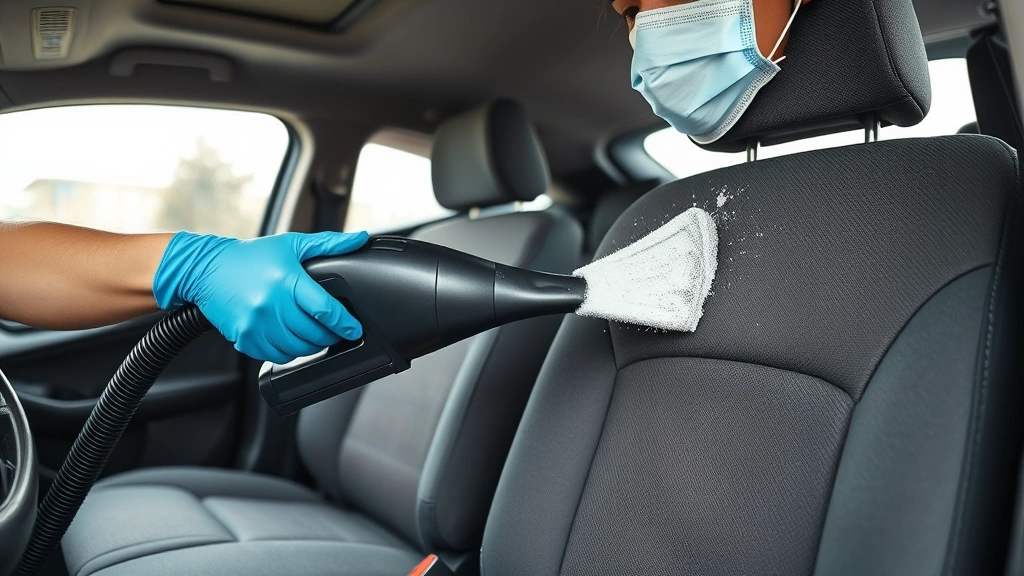
Start your odor removal process with a thorough vacuum of the entire interior. Use the upholstery attachment to vacuum all seats, including the crevices between cushions where smoke particles accumulate. Pay special attention to areas where smokers typically sat, as these spots will have the heaviest concentration of odor-causing particles. Vacuum the carpeting thoroughly, including under the seats and in the trunk.
After vacuuming, apply baking soda generously to all fabric surfaces. Sprinkle baking soda on the seats, carpeting, headliner, and any other cloth surfaces. Let it sit for 24 to 48 hours—the longer, the better. Baking soda works by absorbing odor molecules rather than masking them, making it one of the most effective natural solutions available. Close all windows and doors during this period to maximize contact between the baking soda and smoke-saturated materials.
Once the baking soda has had adequate time to work, vacuum it all up thoroughly. You may need to go over the surfaces multiple times to ensure all the powder is removed. For stubborn areas, use a damp cloth to wipe down surfaces, then follow with a dry cloth. This moisture can help capture remaining baking soda particles and odor molecules.
For seats and upholstery that are particularly affected, consider using an enzyme-based cleaner. These specialized products break down the organic compounds in smoke, rather than simply masking the odor. Follow the manufacturer’s instructions carefully, as these cleaners typically require application, dwell time, and extraction. Family Handyman recommends enzyme cleaners for particularly stubborn automotive odors.
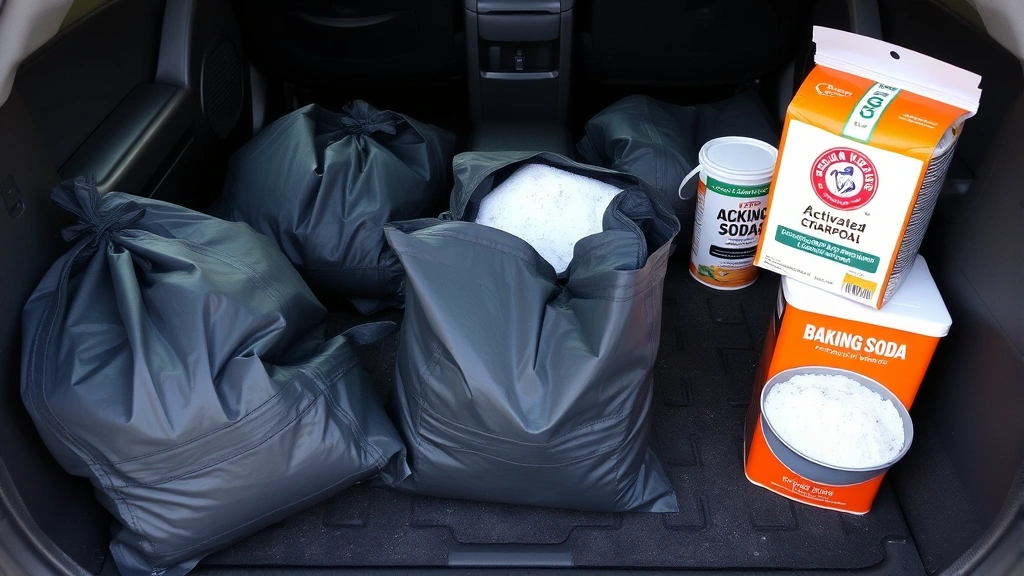
Don’t neglect the trunk and undercarriage areas. Smoke can accumulate in these spaces, especially if the trunk was open during a fire or if the car was exposed to heavy smoke. Apply the same baking soda treatment and vacuuming process to these areas. Check the spare tire area and any storage compartments, as these enclosed spaces can concentrate odors.
Treating the Air Conditioning System
Your vehicle’s air conditioning system is a major culprit in perpetuating smoke smell. The cabin air filter is your first line of defense. Locate your car’s cabin air filter—consult your owner’s manual for the specific location, as it varies by make and model. In many vehicles, it’s behind the glove compartment or under the hood near the windshield. Replace the existing filter with a new one, as the old filter is likely saturated with smoke particles.
After replacing the cabin air filter, run your air conditioning system on recirculation mode for 10 to 15 minutes while parked. This helps push fresh air through the system and removes some residual odor. Then switch to fresh air intake mode and repeat the process. This cycling helps clear smoke particles from the HVAC ducts.
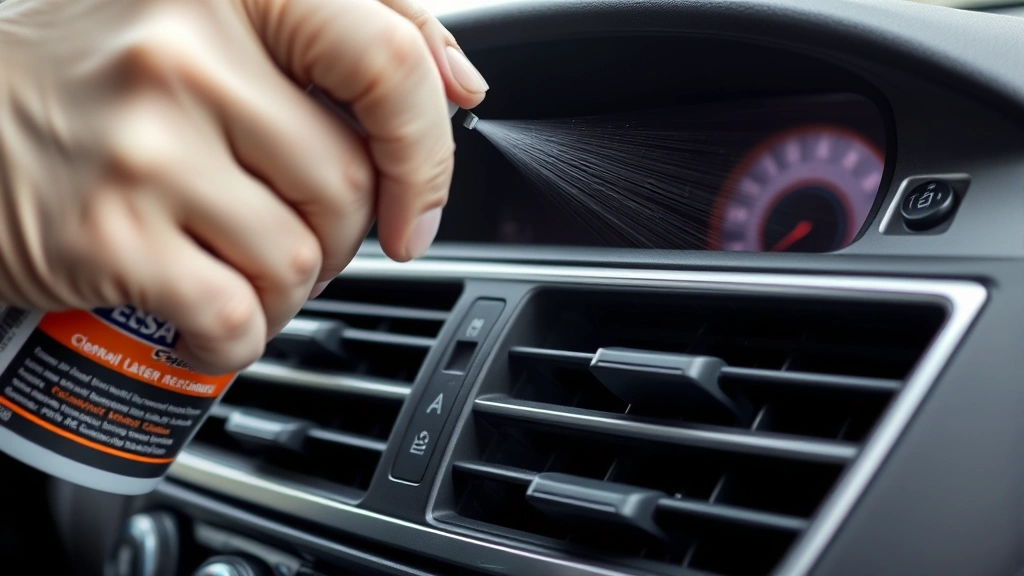
For more aggressive HVAC treatment, consider spraying an automotive air conditioning cleaner into the fresh air intake vents. These specialized products are designed to break down odor-causing bacteria and particles in the evaporator core and ductwork. Follow product instructions carefully, as improper application can damage your system. Many of these cleaners require the engine to be running and the AC set to a specific mode.
If the smoke smell persists after these steps, the evaporator core may be heavily contaminated. Some professional shops offer evaporator core cleaning services, which involve flushing the system with specialized solutions. This is a more involved procedure but highly effective for smoke odor that originates from the AC system.
Using Odor Neutralizers and Absorbers
Beyond baking soda, several other materials effectively absorb and neutralize smoke odors. Activated charcoal is particularly powerful—it has a porous structure that traps odor molecules better than baking soda. Place activated charcoal briquettes or bags throughout your vehicle: under the seats, in cup holders, in the trunk, and anywhere you have space. Leave them in place for several days or even weeks for maximum effect.
Another effective approach involves white vinegar, which neutralizes odors rather than masking them. Create a solution of equal parts white vinegar and water in a spray bottle. Lightly mist this solution onto upholstered surfaces, being careful not to saturate them. The vinegar smell will dissipate as it dries, and it will take much of the smoke odor with it. Ensure adequate ventilation while using this method, as the vinegar smell can be strong initially.
Crumpled newspaper is another surprisingly effective odor absorber. Fill your car with crumpled newspaper, leaving space for ventilation, and let it sit for several days. Newspaper has a porous structure that absorbs odors effectively. Some people swear by leaving a bowl of used coffee grounds in the car—the coffee absorbs odors while adding a pleasant scent.
For a more modern approach, consider specialized automotive odor eliminators available at This Old House and major auto parts retailers. Products like Ozium or Febreze Automotive are specifically formulated for vehicle interiors and can be effective when used as part of a comprehensive odor removal strategy. However, these should complement rather than replace the deep cleaning methods discussed earlier.
Leave your car windows cracked open when parked (if safe and secure) to allow continuous air circulation. Fresh air is one of your best allies in eliminating lingering smoke odors. Even a small gap allows stale, odor-laden air to escape and fresh air to enter.
Professional Remediation Options
If home remedies aren’t producing satisfactory results after two to three weeks of treatment, professional help may be necessary. Several professional options exist for stubborn smoke odor removal:
Ozone Treatment: Professional detailing shops use ozone generators to eliminate smoke odors. Ozone is a powerful oxidizing agent that breaks down odor-causing molecules at a molecular level. The car is sealed, and ozone is introduced for several hours. This method is highly effective but requires the vehicle to be unoccupied during treatment, and you must air out the car thoroughly afterward before driving it. This Old House notes that ozone treatment is one of the most effective professional options available.
Thermal Fogging: This process involves heating a specialized solution to create a fog that penetrates all vehicle surfaces. The fog reaches areas that manual cleaning cannot, making it particularly effective for smoke odor embedded in hard-to-reach locations.
Professional Detailing: A professional auto detailer can perform deep cleaning that goes beyond what most DIY efforts achieve. They have industrial-strength equipment, specialized cleaning solutions, and expertise in targeting smoke odor specifically. Many offer packages that combine interior shampooing, air duct cleaning, and odor neutralization.
HVAC Professional Service: If you suspect the air conditioning system is the primary source of lingering odor, an automotive HVAC specialist can perform comprehensive duct cleaning and evaporator core treatment that’s more thorough than DIY methods.
When selecting a professional service, ask specifically about their experience with smoke odor removal. Not all detailers specialize in this area, and expertise makes a significant difference in results. Check reviews and ask for references from previous customers who had similar smoke odor issues.
Prevention Tips for the Future
Once you’ve successfully eliminated the smoke smell from your car, take steps to prevent it from returning. The most obvious prevention method is avoiding smoking in your vehicle entirely. If you purchase a used car in the future, inspect it thoroughly for smoke odor before committing to the purchase—this is one of the hardest odors to remove and can significantly impact your ownership experience.
Maintain your cabin air filter by replacing it annually or every 15,000 miles, depending on your driving conditions. A clean filter prevents odor-causing particles from accumulating in your HVAC system. Regular vacuuming of your vehicle’s interior—at least monthly—prevents any odors from becoming embedded in upholstery and carpeting.
If you live in an area prone to wildfires or other smoke exposure, keep your windows closed during smoky conditions and use your air conditioning on fresh air mode rather than recirculation. This prevents external smoke from entering your vehicle in the first place.
Consider using activated charcoal air fresheners as a preventive measure. These work continuously to absorb any developing odors before they become problematic. Unlike traditional air fresheners that mask smells, charcoal-based products actually remove odor-causing particles.
If you’re the type to occasionally smoke in your vehicle, designate it as a non-smoking space. The effort to remove smoke odor is substantial, making prevention far easier than remediation. If passengers smoke, ask them to refrain from doing so in your car, or roll down windows to prevent smoke from settling on interior surfaces.
FAQ
How long does it take to completely remove smoke smell from a car?
The timeline depends on the severity of the odor and the methods you use. Light smoke smell may disappear in one to two weeks with consistent baking soda treatment and proper ventilation. Heavy smoke odor can take three to six weeks or longer. Professional ozone treatment can produce results in a single session, though the car requires airing out afterward. Patience and persistence are key—rushing the process often leads to incomplete odor removal.
Will air fresheners eliminate smoke smell?
Traditional air fresheners only mask smoke odor temporarily; they don’t eliminate it. Once the air freshener scent fades, the smoke smell returns. This is why comprehensive odor removal methods that absorb or neutralize odors (baking soda, activated charcoal, vinegar) are more effective than scent-based solutions. You can use air fresheners as a final touch after removing the underlying odor, but they shouldn’t be your primary strategy.
Is professional ozone treatment safe for my car?
Ozone treatment is safe for your vehicle’s materials when performed by professionals who understand proper exposure times and concentrations. However, ozone can be harmful to humans and pets, so the car must be completely empty during treatment. You must thoroughly air out the vehicle for at least 24 hours after treatment before occupying it. Always verify that your chosen professional follows proper safety protocols.
Can I remove smoke smell without professional help?
Yes, many smoke odor problems can be resolved with dedicated DIY effort. The combination of thorough vacuuming, baking soda treatment, cabin air filter replacement, and HVAC system attention addresses the root causes of smoke smell. However, very heavy smoke damage or odors that persist after several weeks of treatment may require professional intervention. Starting with DIY methods is cost-effective and often successful.
Why does smoke smell return after I’ve cleaned my car?
Smoke smell returns when cleaning efforts don’t address all sources of the odor. Common reasons include: incomplete HVAC system treatment, smoke particles remaining in hard-to-reach areas, insufficient dwell time for odor absorbers, or smoke embedded in areas you didn’t treat (like the trunk or under carpeting). This is why a systematic, multi-step approach works better than isolated cleaning efforts. If smell returns, revisit each step methodically.
Should I replace my car’s upholstery to remove smoke smell?
Upholstery replacement should be a last resort. In most cases, thorough cleaning combined with odor absorbers and time will eliminate smoke smell without requiring replacement. Only consider upholstery replacement if you’ve exhausted all other options over several months and the smell persists. Many people successfully remove even heavy smoke odors without replacing any interior components.

Related Posts

Superscript in Google Docs: Expert Tips

Strikethrough in Excel: Easy Steps for Beginners
