
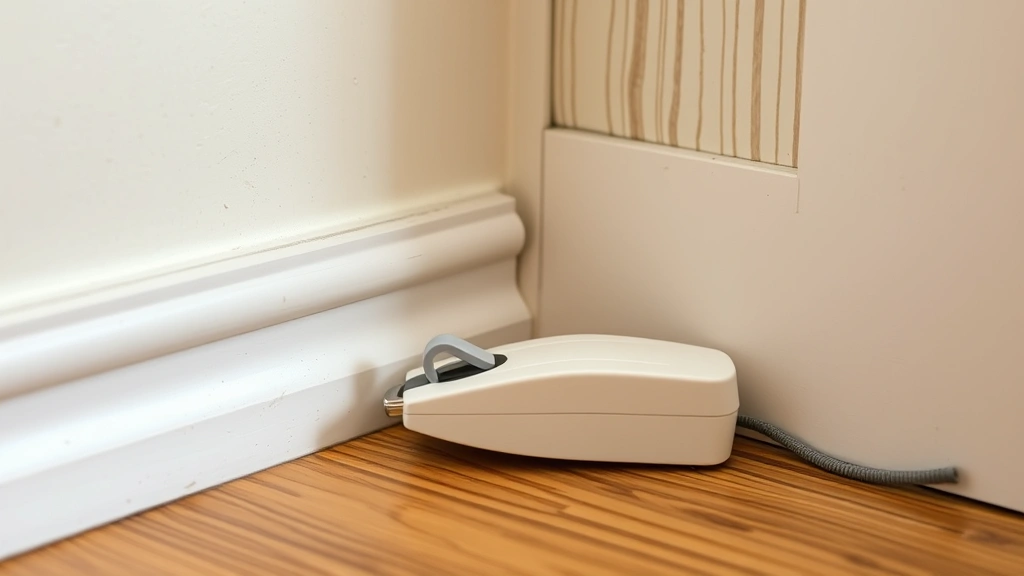
Banish Mice from Walls: Expert Tips & Tricks
Banish Mice from Walls: Expert Tips & Tricks
Discovering mice in your walls is one of the most frustrating home problems homeowners face. These tiny rodents can cause significant damage to insulation, electrical wiring, and structural components while creating health hazards through their droppings and urine. The challenge with wall-dwelling mice is that they’re hidden from view, making detection and removal considerably more difficult than dealing with visible pests.
Understanding how mice enter walls, why they establish nests there, and what methods actually work is essential for reclaiming your home. This comprehensive guide provides expert strategies to eliminate mice from your walls and prevent future infestations. Whether you’re dealing with an active problem or want to protect your home, these proven techniques will help you take control of the situation.
Signs of Mice in Walls
Before you can effectively eliminate mice from your walls, you need to confirm their presence. Several telltale signs indicate an active infestation within your wall cavities. The most obvious indicator is audible noise—scratching, scurrying, or squeaking sounds, particularly during nighttime hours when mice are most active. These sounds typically come from behind walls, above ceilings, or within floor cavities.
Look for droppings, which are small, dark, rice-shaped pellets approximately 3-8mm in length. You’ll commonly find these along baseboards, in cabinets, or near food sources. Gnaw marks on wood, drywall, or electrical wires indicate active mice. If you notice a musty odor in certain areas of your home, this could signal mouse urine and droppings accumulating within walls.
Other warning signs include small holes in walls or baseboards (typically 10-13mm diameter), grease marks along wall edges where mice frequently travel, and nesting materials like shredded paper, fabric, or insulation visible in wall cavities. You might also see dead mice or notice a sudden strong odor indicating a deceased rodent within the wall.
Why Mice Enter Wall Cavities
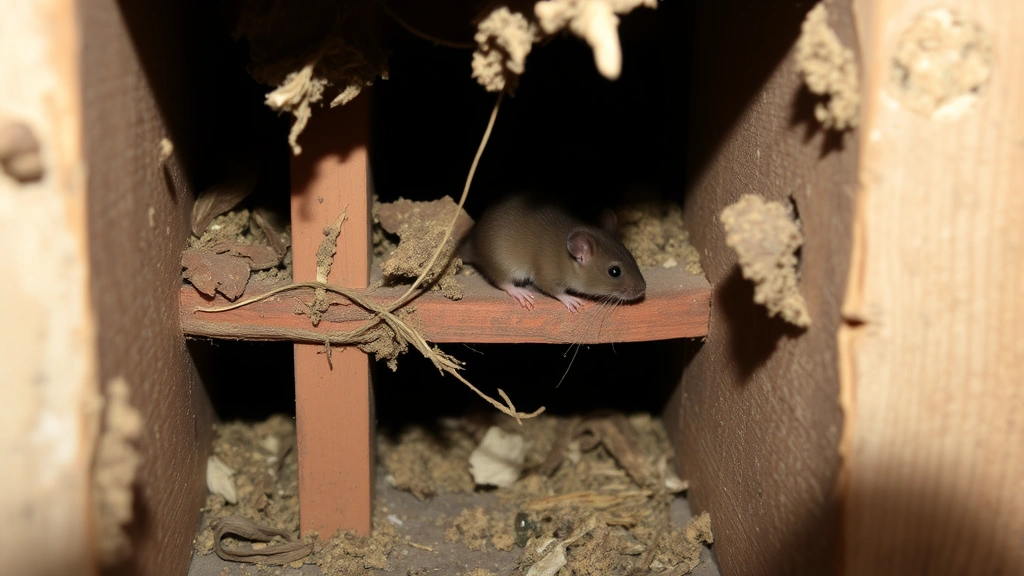
Understanding mouse behavior helps you develop a comprehensive elimination strategy. Mice seek wall cavities for several compelling reasons. Temperature regulation makes walls attractive, especially during cold months when they provide insulation and protection from outdoor elements. Walls also offer safety from predators and human activity, creating ideal nesting environments.
Mice are drawn to homes where food sources are readily accessible. Pantries, kitchens, and areas with improperly stored food attract them indoors. Once inside, they naturally gravitate toward walls because these spaces provide both shelter and proximity to food. Nesting materials are abundant in walls—insulation, fiberglass, and existing debris make perfect bedding for mouse colonies.
The structure of your home also matters. Older homes with larger cracks and gaps in foundations, siding, and around pipes are more vulnerable. New construction sometimes has inadequate sealing around utility penetrations. Mice only need an opening the size of a dime to squeeze through, so even tiny gaps become entry highways.
Sealing Entry Points and Prevention
Prevention is your most effective long-term strategy for keeping mice out of walls. Begin by conducting a thorough inspection of your home’s exterior. Look for gaps around foundation cracks, holes where utilities enter, spaces around windows and doors, and damaged vents or screens. Document every potential entry point, no matter how small.
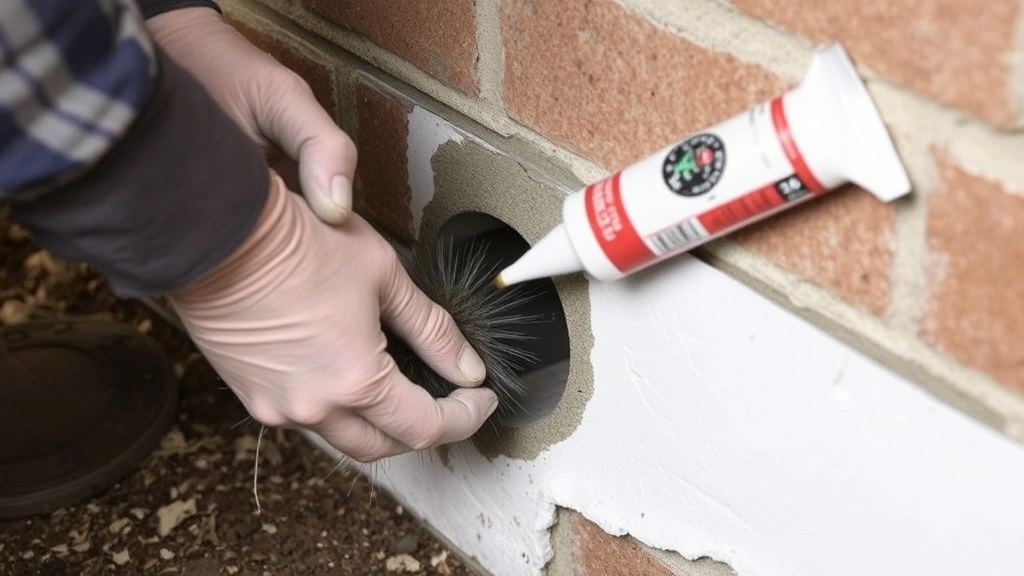
Use steel wool combined with caulk to seal small gaps—mice cannot chew through steel wool. For larger openings, install hardware cloth or metal mesh before caulking. This creates a barrier mice cannot penetrate. Around pipes and electrical conduits, use foam sealant or caulk rated for the specific application.
Focus on these critical areas:
- Foundation cracks—seal with concrete caulk or patching compound
- Gaps around doors and windows—install weather stripping or door sweeps
- Attic vents and soffit vents—install 1/4-inch hardware cloth screens
- Dryer vents and exhaust pipes—ensure dampers close properly and install vent covers
- Gaps around utility lines—seal with expandable foam, then trim and caulk
- Spaces under siding—install metal flashing or trim
Maintain your home’s exterior by trimming tree branches that hang over your roof (mice use these as highways), keeping gutters clean and functioning, and ensuring proper drainage away from your foundation. Store firewood at least 20 feet from your home and elevate it off the ground.
Trapping Methods That Work
When mice are already in your walls, trapping is often the most effective removal method. Understanding different trap types helps you choose the right tool for your situation. For guidance on dealing with other household pests, check out our guide on how to get rid of gnats, which uses similar exclusion principles.
Snap traps remain highly effective and are considered humane when properly deployed. They kill mice instantly when triggered correctly. Set them perpendicular to walls where you’ve observed activity, as mice travel along baseboards and edges. Bait them with peanut butter, chocolate, or nesting material. Check traps daily and dispose of dead mice promptly using gloves and a sealed bag.
Electronic traps deliver a high-voltage shock, killing mice instantly. They’re more expensive but eliminate the need for manual removal of dead mice and reduce the mess. Some models alert you via light or sound when a mouse is caught.
Live-catch traps allow you to capture mice alive for relocation. However, relocating mice raises ethical concerns, as they typically don’t survive in unfamiliar territory. If you choose this method, release mice at least 2 miles from your home in appropriate habitat. Check local regulations, as some areas restrict live relocation.
Glue traps are controversial and considered inhumane by many experts due to the prolonged suffering they cause. The This Old House pest control guide recommends avoiding these traps in favor of more humane alternatives.
For wall-dwelling mice, place traps:
- Along baseboards where you’ve seen droppings
- Near holes or gaps in walls
- Behind appliances and furniture
- In cabinets where food is stored
- Along established mouse highways (grease marks indicate these routes)
Use multiple traps strategically placed throughout your home. A single trap catches one mouse, but you may have several. Set 10-15 traps if you suspect a significant infestation. Wear gloves when handling traps to avoid leaving human scent, which can deter mice.
Using Poison Safely in Walls
Rodent poison (rodenticide) can be effective for wall mice, but it requires careful consideration regarding safety and effectiveness. Never use poison as your primary control method—it should complement trapping and exclusion efforts. The main concern with poison in walls is that mice may die within inaccessible areas, creating odor problems that can persist for weeks.
Anticoagulant rodenticides are most common and work by preventing blood clotting. Mice must consume multiple feedings over several days to die, which extends the timeline for control. Single-dose rodenticides kill more quickly but are more toxic to non-target animals.
If you use poison in walls, follow these safety guidelines:
- Place poison in tamper-resistant bait stations to prevent accidental poisoning of children or pets
- Position stations along walls where you’ve confirmed mouse activity
- Check bait stations regularly and replenish as needed
- Keep detailed records of bait placement locations
- Never place loose poison directly in walls or attics
- Dispose of dead mice promptly using gloves and sealed bags
- Consider the risk of secondary poisoning if your pets or local wildlife consume poisoned mice
Many pest control professionals now recommend avoiding poison in walls altogether, preferring trapping combined with exclusion. This approach is more humane, avoids odor problems, and eliminates secondary poisoning risks.
Professional Removal Options
For severe infestations or if DIY methods haven’t worked, professional pest control services offer expertise and resources. Exterminators conduct thorough inspections to identify all entry points and nesting sites. They have access to professional-grade traps, equipment, and treatments not available to consumers.
Professional services typically include:
- Comprehensive inspection using specialized equipment to locate mice and entry points
- Exclusion work to seal entry points and prevent future infestations
- Strategic trap placement based on professional knowledge of mouse behavior
- Regular monitoring and trap checks until the infestation is resolved
- Follow-up visits to ensure the problem is completely eliminated
- Warranty or guarantee on their work
When hiring a professional, verify they’re licensed and insured. Ask about their methods and whether they use humane practices. Get multiple quotes and compare services offered. The Family Handyman resource on mouse removal provides additional guidance on selecting professionals.
Cleanup and Sanitation
After eliminating mice from your walls, thorough cleanup prevents disease transmission and removes attractants for future infestations. Mouse droppings and urine can harbor hantavirus and other pathogens, making proper cleanup essential for health protection.
Safety precautions are critical. Always wear:
- N95 or HEPA-filter respirator mask
- Disposable gloves (nitrile or latex)
- Eye protection
- Protective clothing you can wash afterward
Never sweep or vacuum mouse droppings dry, as this aerosolizes pathogens. Instead, spray affected areas with a disinfectant solution (1 part bleach to 10 parts water) and let sit for 5 minutes before wiping. Place contaminated materials in sealed bags for disposal.
Clean areas where you’ve found:
- Droppings and urine
- Nesting materials
- Dead mice or remains
- Contaminated insulation
After cleanup, improve sanitation to prevent reinfestation. Store all food in airtight containers, clean up crumbs promptly, secure garbage in sealed bins, and remove clutter where mice could hide. Don’t leave pet food out overnight.
Consider replacing contaminated insulation if mice have nested extensively. This improves your home’s energy efficiency while eliminating a potential health hazard. If you’re tackling home maintenance projects, our FixWiseHub blog offers comprehensive guides for various home improvement tasks you might encounter while making repairs.
FAQ
How long does it take to get rid of mice in walls?
Timeline depends on infestation severity and control methods used. With aggressive trapping, most infestations are controlled within 1-2 weeks. Complete elimination, including prevention of reinfestation through exclusion, typically takes 2-4 weeks. Professional services may take longer but ensure thorough results.
Can I use poison to kill mice in walls?
While poison can work, it’s not ideal for wall mice because they may die in inaccessible areas, creating odor problems lasting weeks. Trapping is generally preferred. If you use poison, place it only in tamper-resistant bait stations and combine it with trapping and exclusion efforts.
What’s the best bait for mouse traps?
Peanut butter is highly effective and sticky enough to stay on snap trap triggers. Chocolate, nuts, and nesting materials (cotton balls, fabric scraps) also work well. Avoid cheese—it’s a common myth that mice prefer it. Rotate baits if mice seem to ignore one type.
Should I call a professional or handle this myself?
For small infestations caught early, DIY methods work well and cost less. For severe infestations, wall damage, or if DIY attempts haven’t worked, professional services are worth the investment. Professionals save time and ensure complete elimination with warranty protection.
How do I prevent mice from returning?
Seal all entry points using steel wool and caulk, install hardware cloth over vents, trim tree branches near your roof, keep your home clean and clutter-free, store food in airtight containers, and maintain proper drainage around your foundation. Regular inspections help catch problems early.
Are mice in walls a health hazard?
Yes. Mouse droppings and urine can contain hantavirus, salmonella, and other pathogens. Inhaling dust from contaminated areas poses respiratory risks. Proper cleanup with protective equipment is essential. If you have concerns about health risks, consult your healthcare provider.
Can I hear mice in walls at night?
Absolutely. Mice are nocturnal and most active between dusk and dawn. Scratching, scurrying, and squeaking sounds are most noticeable at night when your home is quiet. If you’re hearing these sounds consistently, you likely have an active infestation requiring immediate action.
What if a mouse dies in my wall?
A dead mouse in your wall creates a strong odor that can last 2-4 weeks. Unfortunately, there’s limited recourse—the smell will eventually fade as the carcass decomposes. Drilling holes to locate and remove the mouse is invasive and may not be necessary. Increasing ventilation and using odor-absorbing products can help manage the smell. Prevention through trapping before mice die in walls is the better approach.

Related Posts

Superscript in Google Docs: Expert Tips

Strikethrough in Excel: Easy Steps for Beginners
