
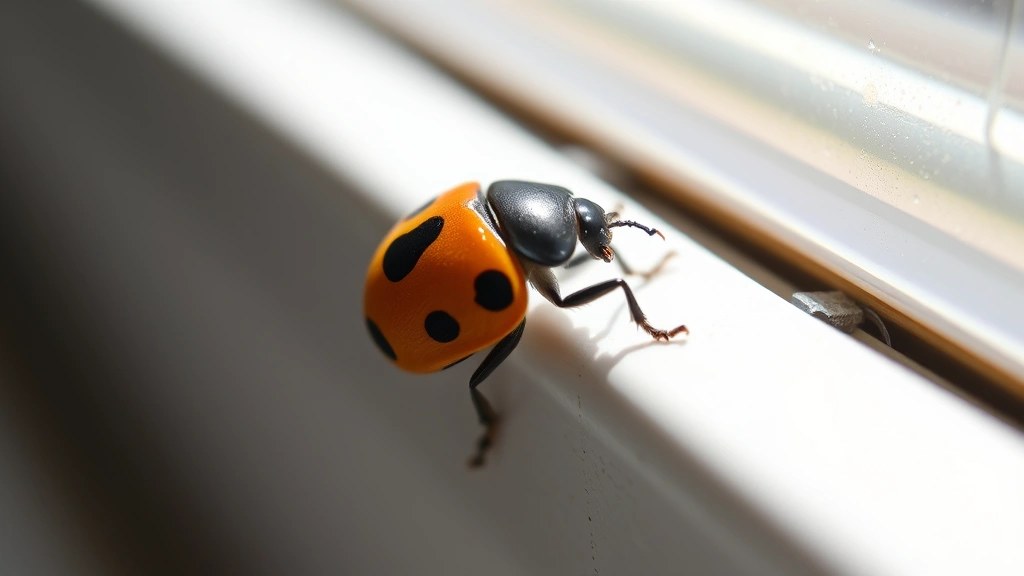
Banish Asian Beetles: Expert Tips & Tricks
Banish Asian Beetles: Expert Tips & Tricks to Reclaim Your Home
Asian beetles, also known as Asian lady beetles or Harmonia axyridis, have become a significant pest problem for homeowners across North America. Unlike their native ladybug cousins, these invasive insects congregate in massive numbers during fall and winter months, seeking warm shelter inside homes, attics, and wall cavities. If you’ve noticed clusters of these beetles around your windows or discovered them hibernating in your living spaces, you’re not alone—millions of homeowners face this frustrating issue annually.
The challenge with Asian beetles extends beyond their sheer numbers. These insects can bite, produce foul-smelling secretions that stain surfaces and fabrics, and cause structural damage by chewing through insulation and wood. They’re also notoriously difficult to eliminate once they’ve established themselves in your home. However, with the right knowledge and strategic approach, you can successfully get rid of Asian beetles and prevent future infestations. This comprehensive guide will walk you through proven methods, preventative measures, and expert techniques to reclaim your home from these unwelcome invaders.
Understanding Asian Beetles and Why They Invade
Asian beetles were originally introduced to North America in the 1980s as a biological control agent for aphids and other garden pests. While they’ve proven effective in agricultural settings, their population has exploded beyond control, making them a serious residential pest. These beetles thrive in temperate climates and become particularly aggressive when autumn temperatures drop.
The primary reason Asian beetles invade homes is straightforward: they’re seeking shelter for overwintering. As temperatures plummet in fall, these insects instinctively search for protected spaces where they can survive the cold months in a dormant state. Your home, with its warm interior and numerous crevices, represents an ideal hibernation site. Once a few beetles find their way inside, they release pheromones that attract hundreds or thousands of their relatives to the same location, creating massive infestations that can number in the tens of thousands.
Understanding this behavior is crucial because it informs your pest management strategy. Rather than trying to eliminate beetles once they’ve invaded, the most effective approach focuses on prevention—blocking their entry points before they arrive. However, if you’re already dealing with an active infestation, knowledge of their habits helps you target removal efforts more effectively.
Identifying an Asian Beetle Infestation
Before implementing any control measures, you need to confirm you’re actually dealing with Asian beetles rather than native ladybugs. Misidentification can lead to ineffective treatment strategies and wasted time and resources. Asian beetles typically measure 5-8mm in length and display a rounded, dome-shaped body. Their coloration varies significantly, ranging from pale yellow-orange to deep red, often with or without black spots on their wing covers.
The most reliable distinguishing feature is the marking on their pronotum—the area behind their head. Asian beetles have a distinctive white or cream-colored marking with a dark M or W shape, while native ladybugs lack this characteristic pattern. Additionally, Asian beetles tend to congregate in large numbers in specific locations, whereas native ladybugs are typically solitary or found in small groups.
Common signs of an Asian beetle infestation include:
- Clusters of beetles around window frames, particularly south and west-facing windows that receive maximum sunlight
- Beetles congregating in attics, crawl spaces, or wall cavities
- Yellow or orange staining on walls, curtains, and fabrics caused by their defensive secretions
- A distinctive odor—described as musty or pungent—in areas where beetles congregate
- Dead beetles accumulating on windowsills and in light fixtures
- Visible beetle activity during warm winter days when they become active
Immediate Removal Methods
If you’ve confirmed an active infestation, immediate removal is necessary to prevent the beetles from spreading throughout your home. Several effective techniques can be deployed right away without requiring chemical treatments or extensive preparation.
Vacuum Removal
The most straightforward and immediately effective method is using a vacuum cleaner to remove beetles from surfaces and crevices. Use a handheld or shop vacuum with a hose attachment to target beetles around windows, in corners, and along baseboards. After vacuuming, immediately seal the vacuum bag in a plastic bag and dispose of it in an outdoor trash container. If using a bagless vacuum, empty the contents into a sealed plastic bag outdoors. This prevents beetles from escaping back into your home or reproducing within the vacuum.
For large concentrations of beetles, vacuum in multiple passes and repeat daily during peak infestation periods. This method is particularly effective for beetles that have already entered your home and are clustering in visible locations.
Manual Collection and Removal
For smaller infestations or isolated beetles, manual collection using a cloth or paper towel works effectively. Gently brush beetles into a container and transport them outdoors, releasing them far from your home’s perimeter. Wear gloves during this process, as some people experience mild allergic reactions to beetle secretions. Never crush the beetles indoors, as their defensive chemicals can stain surfaces and leave odors that attract additional beetles.
Soapy Water Traps
Create simple yet effective traps using shallow containers filled with soapy water placed near windows and light sources. Asian beetles are attracted to light and warmth, making these traps highly effective. Position traps along windowsills where beetles congregate, particularly on sunny days. The soapy water reduces surface tension, causing beetles to sink and drown. Check and empty traps daily, disposing of dead beetles in sealed bags.
Natural and Chemical Control Options
Beyond immediate removal, several control methods can significantly reduce beetle populations and prevent their resurgence. These range from natural approaches to chemical interventions, each with distinct advantages and limitations.
Natural Control Methods
Diatomaceous earth (food-grade) represents an effective natural pesticide option. This powder, composed of fossilized algae, damages the exoskeletons of insects, causing dehydration and death. Apply food-grade diatomaceous earth around entry points, in attics, and along baseboards where beetles congregate. Reapply after rain or every two weeks during peak infestation season. Wear a dust mask during application to avoid inhaling particles.
Neem oil, derived from the neem tree, disrupts beetle reproduction and feeding patterns. Mix neem oil according to package directions and spray affected areas, focusing on window frames and entry points. Apply in early morning or late evening when beetles are less active. Multiple applications may be necessary for optimal effectiveness.
Essential oils including peppermint, clove, and citrus have shown promise in repelling Asian beetles. Create a spray by mixing 10-15 drops of essential oil with water in a spray bottle and apply around entry points and congregation areas. While less potent than chemical alternatives, essential oils offer a non-toxic option for households with children or pets.
Chemical Control Options
For severe infestations, chemical insecticides may be necessary. Pyrethrin-based products, derived from chrysanthemum flowers, effectively kill beetles on contact. These products break down quickly in sunlight, making them safer for indoor use than synthetic alternatives. Follow all label directions carefully and ensure adequate ventilation during application.
Synthetic pyrethroids such as deltamethrin and permethrin provide longer-lasting residual protection than natural pyrethrins. These chemicals remain effective for extended periods on treated surfaces, continuously killing beetles that contact them. Apply to entry points, window frames, and other areas where beetles congregate. Always wear protective equipment and follow label instructions precisely.
Imidacloprid, a systemic insecticide, can be applied to exterior surfaces and entry points for season-long protection. This approach prevents beetles from entering your home rather than eliminating those already inside. Professional pest control services often use this chemical for its effectiveness and extended protection period.
Sealing Entry Points and Prevention
Prevention represents the most cost-effective and long-term solution for managing Asian beetle infestations. By sealing entry points before beetles arrive in fall, you can eliminate the problem at its source. This proactive approach requires identifying and addressing vulnerabilities in your home’s exterior.
Common Entry Points
Asian beetles exploit numerous entry points to access your home’s interior. Window frames and sills represent primary access routes, particularly around weatherstripping that has deteriorated or separated. Door frames, especially around garage and basement doors, provide additional entry opportunities. Utility penetrations where pipes, cables, and wires enter your home create gaps that beetles readily exploit. Attic vents, soffit vents, and roof penetrations are common access points that beetles use to reach wall cavities and attic spaces.
Sealing Techniques
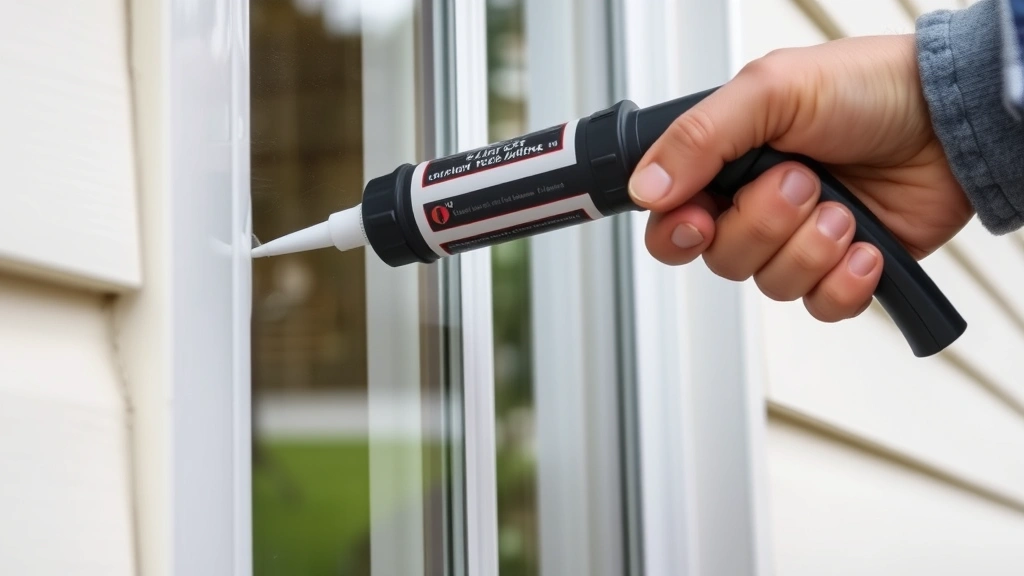
Begin your sealing efforts in late summer, well before beetles become active in fall. Inspect all windows and doors, replacing any damaged or deteriorated weatherstripping. Use high-quality silicone caulk to seal gaps around window frames, door frames, and trim. Pay particular attention to corners and areas where different materials meet, as these are prime beetle entry points.
Apply caulk in a continuous bead, smoothing it with a wet finger or caulk tool to ensure complete coverage. For larger gaps, use expanding foam sealant before caulking over it with silicone. This two-step approach provides superior sealing compared to caulk alone.
Install or repair screens on all windows and vents, ensuring mesh is intact and properly fitted. Replace damaged screens before the infestation season begins. For attic and soffit vents, install or repair exclusion screening that prevents beetle entry while maintaining necessary ventilation.
Seal utility penetrations using a combination of caulk and foam sealant. Ensure all penetrations are completely sealed, leaving no gaps larger than 1/8 inch. This work can be physically demanding, so don’t hesitate to hire professional home improvement services if you lack the time or expertise.
Exterior Maintenance
Trim vegetation away from your home’s exterior, particularly tree branches that touch or overhang the roof. Asian beetles use vegetation as pathways to reach entry points on your home. Maintain a clear perimeter of at least 3-6 feet between landscaping and your home’s exterior.
Remove leaf litter and debris from gutters, roof valleys, and around your home’s foundation. These areas attract beetles and provide shelter where they congregate before entering your home. Regular cleaning reduces the attractiveness of your property to overwintering beetles.
Long-Term Management Strategies
Effective Asian beetle management requires sustained effort throughout the year, not just during peak infestation periods. Implementing comprehensive long-term strategies prevents infestations from becoming established and recurring annually.
Seasonal Monitoring and Early Detection
Beginning in late August, regularly inspect your home’s exterior for beetle activity. Look for clusters forming around south and west-facing walls, window frames, and entry points. Early detection allows you to implement control measures before beetles establish large colonies. Install sticky traps around your home’s perimeter and monitor them weekly for beetle activity.
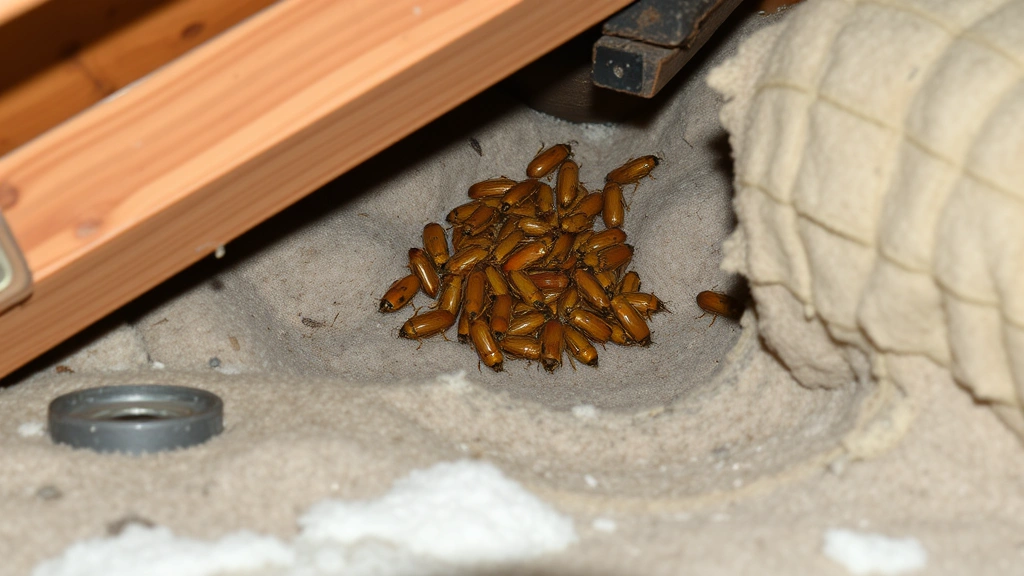
During winter months, periodically check attics, crawl spaces, and wall cavities for beetle hibernation sites. If beetles are discovered, remove them using vacuum or manual collection methods before they become active in spring. This proactive approach prevents spring emergence and population expansion.
Light Management
Asian beetles are strongly attracted to light, particularly ultraviolet wavelengths. Reduce exterior lighting during peak beetle season (September through November) or replace outdoor lights with yellow sodium vapor bulbs that are less attractive to insects. If exterior lighting is necessary for security, position lights away from entry points and ensure they don’t illuminate windows or doors.
Inside your home, close blinds and curtains during the day when beetles are most active, particularly on warm days. This reduces the attraction of interior lights and warmth that draw beetles to windows.
Climate Control
Maintaining consistent interior temperatures prevents beetles from becoming active during winter warm spells. Avoid allowing interior spaces to exceed 65-70°F during winter months, as warmer temperatures trigger beetle activity and emergence from hibernation. If you discover beetles in your attic or crawl space, temporarily lowering temperatures in those areas can suppress beetle activity.
Professional Pest Management
Consider establishing a relationship with a professional pest control company for annual preventative treatments. Many companies offer seasonal treatments in late summer or early fall that create chemical barriers preventing beetle entry. These treatments are often more effective than DIY approaches and provide peace of mind during peak infestation season. Similar to how you might seek professional help for other home issues, like getting rid of wasps, professional pest management offers expertise and equipment that homeowners typically lack.
When to Call Professional Pest Control
While many homeowners can manage minor Asian beetle infestations independently, certain situations warrant professional intervention. If you’re dealing with a severe infestation affecting multiple areas of your home, professional pest control becomes cost-effective and necessary.
Signs that professional help is needed include:
- Infestations numbering in the thousands of beetles
- Beetles present in multiple rooms or throughout your home
- Previous DIY treatment attempts that failed to resolve the problem
- Allergic reactions to beetle secretions or bites among household members
- Inability to locate and seal all entry points
- Infestations in difficult-to-access areas like wall cavities or attic spaces
- Structural damage caused by beetle activity
Professional pest control companies have access to commercial-grade pesticides, specialized application equipment, and expertise in identifying all entry points. They can develop comprehensive treatment plans tailored to your home’s specific situation and provide follow-up monitoring to ensure infestations don’t recur.
When hiring professional services, request references, verify licensing and insurance, and obtain detailed quotes in writing. Reputable companies like those recommended by This Old House offer warranties on their work and guarantee customer satisfaction. Ask about their approach to pest management, including whether they use integrated pest management (IPM) principles that minimize pesticide use while maximizing effectiveness.
FAQ
Can Asian beetles bite or sting?
Asian beetles can bite, though they rarely do so unless threatened or crushed. Their bites are typically painless but may cause mild irritation in sensitive individuals. More commonly, people experience allergic reactions to their defensive secretions—a yellowish liquid they release when threatened. This secretion can cause skin irritation or allergic reactions in susceptible individuals.
Are Asian beetles dangerous to pets?
While Asian beetles are not typically dangerous to pets, large ingestions can cause gastrointestinal irritation. Dogs and cats may attempt to eat beetles, particularly if they’re swarming indoors. If your pet ingests a large number of beetles, monitor them for vomiting or diarrhea and contact your veterinarian if symptoms develop.
How long do Asian beetles live?
Adult Asian beetles typically live 2-3 years, with most individuals surviving through one complete year cycle including overwintering. A single female can lay hundreds of eggs during her lifetime, making population control critical. This longevity underscores the importance of prevention strategies that prevent beetles from establishing in your home.
What’s the best time to seal entry points?
The optimal time for sealing entry points is late summer (July through August), well before beetles become active and seek shelter. Sealing during this period ensures your home is fully protected before the infestation season begins. However, sealing can be performed anytime, and addressing entry points discovered during active infestation is better than leaving them open.
Do natural remedies really work against Asian beetles?
Natural remedies offer varying levels of effectiveness. Diatomaceous earth and neem oil demonstrate genuine pest control capabilities when applied correctly and consistently. Essential oils provide repellent effects but offer less reliable control than chemical alternatives. For severe infestations, chemical treatments typically prove more effective, though natural approaches work well for prevention and minor infestations.
Can I use the same methods to eliminate other household pests?
Many techniques discussed here work for various household pests. Sealing entry points prevents numerous insects from entering your home. However, different pests require species-specific approaches. For example, methods for eliminating wasps differ significantly from beetle control due to their nesting behavior and biology.
Will my homeowner’s insurance cover Asian beetle damage?
Most homeowner’s insurance policies do not cover damage caused by insects, including Asian beetles. Pest damage is typically considered a maintenance issue rather than a covered peril. However, if beetles cause damage that leads to other covered issues (such as water damage through compromised exterior sealing), some coverage may apply. Review your specific policy and consult your insurance agent for clarification.
How do I know if my infestation is gone?
Monitor your home for beetle activity using sticky traps and visual inspections. If you discover no new beetles for 2-3 weeks following treatment, and sticky traps remain clean, your infestation has likely been resolved. However, continued vigilance during the following fall season is important, as new beetles may attempt to establish infestations. Annual monitoring and preventative measures protect against future infestations.

Related Posts

Superscript in Google Docs: Expert Tips

Strikethrough in Excel: Easy Steps for Beginners
