
Remove Permanent Marker? Expert Tips & Tricks
How to Get Permanent Marker Off: Expert Tips & Tricks
Permanent marker mishaps happen to everyone. Whether your child created an unintended masterpiece on the wall, you accidentally marked your furniture, or you need to clean up a workspace, knowing how to get permanent marker off various surfaces can save you time, money, and frustration. The good news? Most permanent marker stains aren’t actually permanent, and you likely have the solution already in your home.
The key to successful marker removal is understanding that permanent markers use oil-based inks that bond differently to various surfaces. With the right approach and a bit of patience, you can remove these stubborn marks from walls, fabric, skin, and more. This guide walks you through proven methods that actually work, plus preventative tips to avoid future incidents.
Understanding Permanent Marker Composition
Before diving into removal methods, it helps to understand what you’re dealing with. Permanent markers contain alcohol-based or oil-based solvents that allow the pigment to adhere strongly to surfaces. This is what makes them “permanent” compared to water-based markers. The ink penetrates into the material rather than sitting on top of it, which is why standard soap and water won’t work.
Different surfaces interact with permanent marker differently. Porous materials like paper, cardboard, and fabric absorb the ink deeply. Non-porous surfaces like plastic, glass, and sealed wood allow the marker to sit more on the surface. Understanding these differences helps you choose the most effective removal method for your specific situation. The solvent-based nature of permanent markers means you’ll need solvent-based solutions to break down the ink bonds.
Removing Marker from Painted Walls
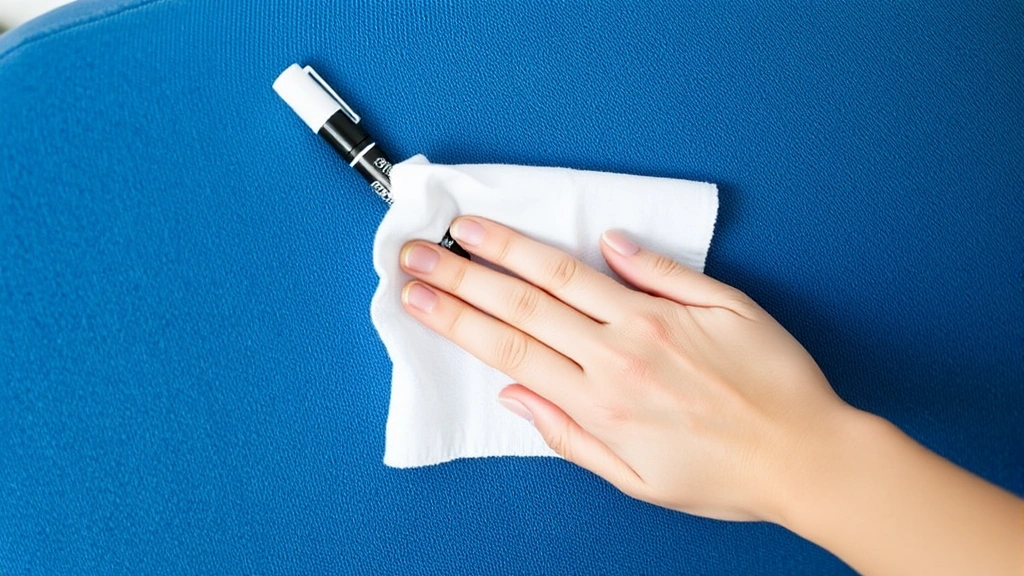
Permanent marker on walls is one of the most common household incidents, especially in homes with children. The good news is that painted drywall is relatively forgiving compared to other surfaces. Here’s your step-by-step approach:
- Test first: Always test your chosen solution on an inconspicuous area of the wall first. Apply a small amount and wait 5 minutes to ensure it doesn’t damage the paint.
- Rubbing alcohol method: Dampen a cloth with isopropyl rubbing alcohol (70% concentration works well). Gently rub the marker in circular motions. The alcohol breaks down the oil-based ink without damaging most latex paints. This is often the most effective first attempt.
- Magic eraser approach: These melamine foam erasers work surprisingly well on walls. Dampen the eraser slightly and rub gently. Be cautious—aggressive rubbing can remove paint, so use light pressure and check frequently.
- Hairspray solution: Spray hairspray directly onto the marker mark and let it sit for 30 seconds. The alcohol content in hairspray helps dissolve the ink. Wipe away with a clean cloth.
- Baking soda paste: Mix baking soda with a small amount of water to create a paste. Apply to the marker and let sit for 5 minutes before gently rubbing. This is gentler on paint than harsher solvents.
For stubborn marks that resist these methods, try acetone (found in nail polish remover), but test it extensively first as it can damage some paint finishes. Apply with a cotton ball and work in small sections. Always ventilate the area well when using chemical solvents.
Cleaning Marker Off Fabric and Clothing
When permanent marker gets on clothing or upholstery, quick action is your best friend. The longer the ink sits, the more it sets into the fibers. Here’s how to tackle fabric-based marker stains effectively:
- Immediate blotting: Don’t rub! Blot the area gently with a clean, dry cloth to absorb excess marker. Rubbing spreads the stain and pushes it deeper into fibers.
- Isopropyl alcohol treatment: Saturate a cloth with rubbing alcohol and press it against the stain. Let it sit for 2-3 minutes, then blot. Repeat until the stain lightens. This is highly effective on most fabrics.
- Hairspray method: Similar to walls, spray hairspray onto the stain and blot immediately. The alcohol content works on fabric just as well.
- Acetone for tough stains: Test on an inconspicuous area first, then apply acetone with a cotton ball. Work from the outside edges toward the center to prevent spreading.
- Milk soak: This surprising method works for some fabrics. Soak the stained area in milk for several hours, then wash normally. The proteins in milk can help lift certain marker pigments.
- Washing after treatment: Once you’ve reduced the stain, wash the garment in the hottest water safe for the fabric with your regular detergent. Air dry to check results before heat-setting the stain.
For upholstery, follow the same steps but be extra cautious with test spots, as some fabrics are more delicate. If dealing with leather furniture, skip harsh solvents and consult our guide on how to remove stains from clothes for additional fabric-safe techniques. You might also find helpful strategies in our article about how to get pen out of clothes, which covers similar ink-based stain removal.
Marker Removal from Skin and Hands
Getting permanent marker on your skin is less concerning than on surfaces, since skin naturally sheds. However, if you want to remove it quickly for appearance reasons, several methods work well:
- Soap and water: Start with warm soapy water and vigorous scrubbing. While this won’t remove permanent marker completely, it will lighten it significantly over a few washes.
- Rubbing alcohol: Apply isopropyl alcohol directly to the skin and rub. It’s safe for skin and very effective at breaking down marker ink.
- Hand sanitizer: The alcohol content in hand sanitizer works similarly to rubbing alcohol. Apply and rub vigorously.
- Dry-erase marker over permanent marker: This unusual trick actually works on skin. Draw over the permanent marker with a dry-erase marker, then wipe away both together. The solvents in dry-erase markers can lift permanent marker from skin.
- Nail polish remover: Acetone-based nail polish remover works quickly on skin. Apply with a cotton ball and rub until the marker fades.
- Sunscreen method: Some people report that sunscreen helps lift marker from skin, though results vary.
For children, stick with gentler methods like soap and water or hand sanitizer rather than harsh chemical solvents. Most permanent marker will fade naturally within a few days as skin cells shed naturally.
Getting Marker Off Plastic and Laminate
Plastic and laminate surfaces are relatively easy to clean because the marker typically doesn’t penetrate as deeply as it does on porous materials. Here’s your approach:
- Start with dry-erase marker: This counterintuitive method is surprisingly effective on plastic. Write over the permanent marker with a dry-erase marker and immediately wipe with a cloth. The solvents interact to lift the permanent marker.
- Rubbing alcohol: Apply with a cloth and rub gently. The non-porous surface means the alcohol stays on top, making this very effective.
- Magic eraser: These work excellently on plastic. Use light pressure to avoid scratching the surface.
- Acetone: For stubborn marks on plastic, acetone works well, but test first as some plastics can be damaged by it.
- Baking soda paste: A gentler option that works on most plastics without risk of damage.
Laminate countertops and tables respond particularly well to the dry-erase marker trick and rubbing alcohol methods. Avoid excessive scrubbing that could damage the laminate’s surface coating.
Whiteboard and Glass Surface Solutions
Ironically, permanent marker on whiteboards and glass can be easier to remove than on some other surfaces, particularly with the right technique:
For whiteboards: Use a whiteboard eraser first—sometimes permanent marker will come off with vigorous erasing. If that doesn’t work, apply rubbing alcohol to a cloth and wipe. The non-porous surface helps prevent deep penetration.
For glass surfaces: Glass is completely non-porous, making marker removal straightforward. Rubbing alcohol, acetone, or even window cleaner works effectively. Apply your chosen solvent and wipe with a cloth or paper towel. For large glass areas, spray rubbing alcohol directly onto the glass and wipe clean.
These non-porous surfaces typically respond well to most solvents because the marker sits on top rather than soaking in. You have more flexibility in your approach and can use stronger solvents if needed.
Prevention and Best Practices
While knowing how to remove permanent marker is valuable, prevention is always better than cure. Implement these strategies to minimize future incidents:
- Storage control: Keep permanent markers in a secure location away from young children. Use child-proof containers or high shelves.
- Supervision: Actively supervise children during marker use. Establish clear rules about where markers can be used.
- Designated surfaces: Provide chalkboards, whiteboards, or large paper for creative expression. Make these the “approved” marker zones.
- Protective measures: Cover furniture and walls in high-risk areas with plastic sheeting or protective coverings during activities involving markers.
- Washable alternatives: When possible, use washable markers instead of permanent ones. They provide similar functionality with much easier cleanup.
- Quick response: The faster you address a permanent marker stain, the easier it is to remove. Don’t let marks sit for extended periods.
For additional guidance on maintaining clean surfaces and handling other tough stains, check out our FixWiseHub blog for comprehensive how-to guides covering various household maintenance tasks. We also have detailed advice on how to get nail glue off and other stubborn substance removal techniques that use similar approaches.
If you’re dealing with broader surface maintenance, understanding how to clean and maintain different materials is essential. Our guides help you keep all household surfaces in top condition, from walls to furniture to appliances.
FAQ
Will permanent marker eventually fade on its own?
On skin, yes—permanent marker will fade naturally within a few days as skin cells shed. On other surfaces, it won’t fade without intervention. The ink bonds to the material and will remain until actively removed.
Is rubbing alcohol safe for all paint types?
Rubbing alcohol is safe for most modern latex paints, but it can potentially damage oil-based paints or old finishes. Always test on an inconspicuous area first. If the paint begins to dull or dissolve, stop immediately and try a gentler method.
Can I use dry-erase marker on any surface?
The dry-erase marker trick works best on non-porous surfaces like plastic, glass, and whiteboards. It’s less effective on porous materials like fabric or unfinished wood. Always test first on any valuable surface.
What’s the difference between permanent and washable markers?
Permanent markers use oil or alcohol-based solvents that bond strongly to surfaces, while washable markers use water-based inks that don’t penetrate as deeply. Washable markers can be removed with water alone, making them ideal for households with children.
How long does it take to remove permanent marker?
Simple cases using rubbing alcohol or magic erasers typically take 5-15 minutes. Stubborn stains may require multiple applications over 30-60 minutes. Fabric stains often need to soak for several hours or overnight for best results.
Should I use hot or cold water when washing marker-stained fabric?
Always use the hottest water safe for the fabric. Heat helps solvents work more effectively and can help lift the ink. Check the fabric care label first to determine the maximum safe temperature.
Can acetone damage surfaces?
Acetone is a strong solvent that can damage some plastics, paints, and finishes. Always test on a hidden area first. It’s generally safe for glass, metals, and most sealed surfaces, but risky for painted walls or delicate fabrics.
What should I do if the marker stain won’t come off?
If standard methods fail, try acetone as a stronger option (with testing first). For valuable items, consider consulting a professional cleaner. Sometimes accepting a faint stain is better than risking surface damage with increasingly harsh methods.

Related Posts

Superscript in Google Docs: Expert Tips

Strikethrough in Excel: Easy Steps for Beginners
