

Remove Pen Ink from Clothes: Expert Tips
How to Get Pen Out of Clothes: Expert Tips for Every Ink Type
Discovering a pen leak in your favorite shirt pocket or an accidental ink stain on your pants can feel like a disaster. Pen ink is one of the most stubborn fabric stains, but with the right approach and quick action, you can successfully remove it without damaging your clothing. Whether you’re dealing with ballpoint, gel, or permanent marker ink, understanding the specific treatment methods makes all the difference between saving your garment and watching the stain set permanently.
The key to removing pen ink lies in acting fast and understanding the ink type you’re working with. Different pens use different ink formulations, and each requires slightly different removal techniques. This comprehensive guide walks you through proven methods that actually work, from household items you already have to specialized stain removers that tackle the toughest marks.
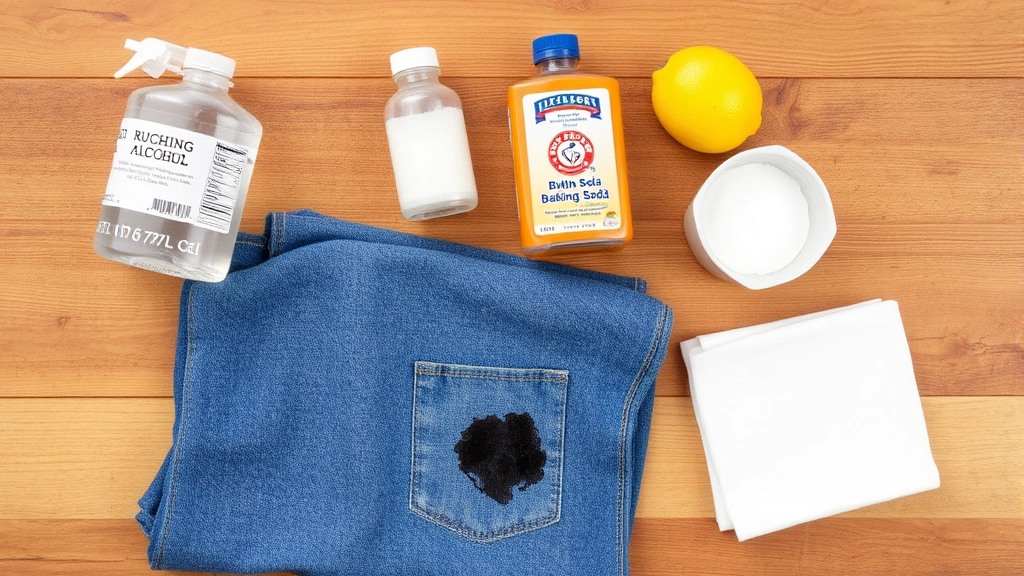
Act Immediately for Best Results
The moment you notice pen ink on your clothing, time becomes your greatest ally. Fresh ink stains are significantly easier to remove than set-in stains because the ink hasn’t bonded completely with the fabric fibers. If you can treat the stain within the first few minutes to hours, your success rate increases dramatically.
Start by blotting the stain gently with a clean, white cloth or paper towel. Press down firmly but avoid rubbing, which spreads the ink deeper into the fabric. If the pen is still leaking, remove the garment immediately and place it on a flat surface. Never put a stained item in the washing machine without treating it first, as heat and moisture can permanently set the stain.
For fresh spills, place the stained area face-down on a clean white cloth. This positioning allows the ink to transfer away from the fabric rather than deeper into it. Check the underside of the fabric to see if ink is transferring to your blotting cloth, confirming the treatment is working.

Identify Your Pen Type
Before you start treating the stain, determine what kind of pen caused the damage. Different ink formulations require different solvents and techniques. Ballpoint pens use oil-based inks, gel pens contain water-based gels, and permanent markers use alcohol-based formulas. Understanding which type you’re dealing with helps you choose the most effective removal method.
Check the pen itself if it’s nearby, or think about where the stain came from. Ballpoint pens are the most common in offices and homes, while gel pens are popular for writing and art projects. Permanent markers leave darker, more stubborn stains. If you’re unsure, you can test a removal method on a hidden area of the garment first to ensure it won’t damage the fabric.
Ballpoint Pen Ink Removal
Ballpoint pen ink is oil-based, making it particularly stubborn on fabric. The good news is that oil-based inks respond well to certain solvents that break down the oil molecules. This is why removing stubborn adhesives and oil-based stains often requires similar techniques.
Method 1: Rubbing Alcohol
Rubbing alcohol is highly effective for ballpoint ink because it dissolves the oil-based formula. Dampen a cloth with isopropyl alcohol (70% concentration works well) and dab the stain repeatedly. Work from the outside edges toward the center to prevent spreading. You should see the ink transferring to your cloth as you dab. Continue until no more ink transfers, then rinse with cold water.
Method 2: Hairspray Treatment
Hairspray contains alcohol that breaks down ballpoint ink effectively. Spray the stain generously with hairspray and let it sit for 30 seconds. Blot with a clean cloth and repeat if necessary. This method works particularly well on cotton and cotton blends. Always test on an inconspicuous area first, as some hairsprays may contain ingredients that affect certain dyes.
Method 3: Acetone Application
Nail polish remover containing acetone can remove ballpoint pen stains, but use it cautiously on delicate fabrics. Apply a small amount to a cloth and dab the stain. Acetone is strong and can damage some synthetic fabrics, so always test first. Never use this method on acetate, triacetate, or modacrylic fabrics.
Gel Pen Stain Solutions
Gel pens contain water-based inks that behave differently from ballpoint ink. These stains often appear more vibrant and can be tricky because water alone won’t remove them. The pigments in gel ink bond differently to fabric, requiring specific treatment approaches. If you’re also dealing with stubborn substance removal, understanding solvent chemistry helps tremendously.
Method 1: Vinegar Solution
White vinegar is surprisingly effective on gel pen stains. Mix equal parts white vinegar and water, then soak the stained area for 15-30 minutes. The acidity helps break down the gel pigments. After soaking, blot with a clean cloth and rinse thoroughly with cold water. This method is gentle enough for most fabrics and won’t cause damage.
Method 2: Alcohol-Based Approach
While gel ink is water-based, rubbing alcohol still helps by breaking down the dyes. Apply alcohol to the stain and let it sit for a few minutes before blotting. This works best on fresh stains before the gel has dried completely into the fabric.
Method 3: Enzymatic Cleaner
Enzymatic stain removers contain proteins that break down organic compounds in gel ink. Apply the cleaner according to package directions and let it work for the recommended time. These cleaners are particularly effective on protein-based dyes and work well on most fabric types.
Permanent Marker Treatment
Permanent markers present the greatest challenge because they’re specifically formulated to resist removal. The alcohol-based ink is designed not to wash out, which is why it’s so difficult to eliminate from clothing. However, several specialized approaches can still work, especially on fresh stains.
Method 1: Rubbing Alcohol (Primary Choice)
Since permanent markers are alcohol-based, rubbing alcohol is your best weapon. Apply it liberally and let it soak for several minutes. Blot repeatedly with fresh cloth sections. You may need to repeat this process multiple times. The key is patience and persistence—don’t expect the stain to disappear with one application.
Method 2: Hairspray and Blotting
Hairspray works similarly to rubbing alcohol for permanent markers. Spray generously, wait 30-60 seconds, then blot firmly. Repeat until the stain lightens significantly. This method is less harsh than pure acetone while still being effective.
Method 3: Specialized Marker Removers
Products specifically designed to remove permanent marker are available at art supply stores and online retailers. These formulations are engineered to break down marker pigments without damaging most fabrics. Follow package instructions carefully for best results.
Household Items That Work
You don’t always need to buy specialized products. Many household items can effectively remove pen ink when you understand how they work chemically. This approach aligns with practical home maintenance principles, similar to how everyday cleaning challenges often have simple solutions.
Milk and Vinegar Paste
Combine milk and vinegar into a paste and apply directly to the stain. Let it sit for 15-20 minutes, then rinse with cold water. The lactic acid in milk combined with vinegar’s acidity creates an effective ink-breaking solution. This method is gentle and works on most fabrics.
Lemon Juice
The citric acid in lemon juice can help fade ink stains. Squeeze fresh lemon juice directly onto the stain and let it sit in sunlight if possible. The combination of acid and UV rays helps break down ink pigments. Rinse thoroughly after 30 minutes.
Baking Soda Scrub
Mix baking soda with water to create a paste. Apply gently to the stain and use a soft brush to work it in. This abrasive method works better on sturdy fabrics like denim or canvas. Avoid using this on delicate materials.
Toothpaste
White toothpaste (not gel) contains mild abrasives and cleaning agents. Apply a small amount to the stain and gently rub with an old toothbrush. This works particularly well on ballpoint pen stains on cotton fabrics. Rinse thoroughly after treatment.
Rubbing Alcohol (The Staple)
Most households have rubbing alcohol available, making it the most accessible solution. It’s effective on ballpoint and permanent marker ink, relatively safe for most fabrics, and inexpensive. Keep a bottle in your laundry room for quick stain treatment.
Professional Stain Removers
When household methods aren’t sufficient, commercial stain removers offer concentrated formulations designed specifically for tough stains. Family Handyman provides comprehensive stain removal guides that include product recommendations. These products work through various mechanisms depending on their formulation.
Oxygen-Based Cleaners
Products like OxiClean use oxygen ions to break down stain molecules. They’re safe for most fabrics and colors. Mix according to package directions, apply to the stain, and let sit for 6-24 hours before washing. These work best on set-in stains.
Solvent-Based Removers
Products containing petroleum distillates or other solvents break down oil-based inks. Apply directly to the stain, let sit for 5-10 minutes, then blot. These are particularly effective on ballpoint pen stains but require good ventilation during use.
Enzyme-Based Cleaners
Enzymes break down organic compounds in ink. These cleaners are safe for most fabrics and work well on dried stains. Apply, let sit as directed, then wash normally. They’re especially effective on gel and water-based inks.
Specialty Ink Removers
Some manufacturers create products specifically for ink removal. Check art supply stores, office supply retailers, and home improvement retailers like Lowe’s for these specialized formulations. Read reviews to find products that work on your specific ink type.
Fabric-Specific Considerations
Different fabrics require different approaches to prevent damage while removing stains. Understanding your garment’s material is crucial before applying any treatment. This knowledge helps you avoid creating new problems while solving the ink stain issue.
Delicate Fabrics (Silk, Satin, Lace)
Delicate materials require gentle treatment. Use mild solutions like vinegar and water or specialized delicate fabric cleaners. Avoid harsh solvents like acetone or strong rubbing alcohol. Always blot rather than rub, and consider professional dry cleaning for valuable items. The fabric’s integrity matters more than removing the stain completely.
Denim and Heavy Cotton
These sturdy fabrics can handle stronger treatments. Rubbing alcohol, hairspray, and even acetone-based removers work well. You can use gentle scrubbing motions with soft brushes. These materials are forgiving and less likely to be damaged by vigorous treatment.
Synthetic Blends
Many modern garments blend natural and synthetic fibers. Test any solvent on a hidden seam or inside area first. Some synthetics like polyester handle alcohol well, while others may be damaged. Acetone particularly risks damaging certain synthetics, so use cautiously.
Wool and Cashmere
Protein fibers require gentle handling. Use mild vinegar solutions, enzyme cleaners, or specialized wool-safe products. Avoid rough scrubbing and excessive moisture. Consider professional cleaning for expensive wool garments with stubborn stains.
White vs. Colored Fabrics
Light-colored fabrics show stains more obviously but benefit from stronger treatments since bleaching isn’t a concern. Colored fabrics require caution with treatments that might lighten or discolor them. Always test solutions on hidden areas first. The goal is removing the ink without creating a lighter spot where the stain was.
FAQ
Can I use bleach to remove pen ink stains?
Bleach is not recommended for ink stain removal. While it might lighten the stain, it will also damage or discolor the fabric itself. Stick with targeted solvents that break down ink rather than oxidizing agents. For white fabrics, other methods work better without the risk of yellowing or weakening fibers.
Should I wash the garment in hot or cold water after treatment?
Always use cold water for initial rinsing and washing after ink stain treatment. Hot water can set remaining stain particles into the fabric permanently. Only use hot water after you’re confident the stain is completely removed. Cold water prevents the stain from bonding further while you’re treating it.
How long can I wait before treating a pen ink stain?
While immediate treatment works best, you can still remove pen ink stains days or even weeks after they occur. Fresh stains are easier because the ink hasn’t fully bonded with fibers, but set-in stains respond to stronger treatments and longer soaking times. Don’t assume a stain is permanent just because time has passed.
Will the stain come back after washing?
If you’ve completely removed the ink before washing, the stain won’t return. However, if traces of ink remain and you wash in hot water, the stain may reappear or darken. Always check that the stain is completely gone before washing in the machine. Inspect the garment while damp to see remaining stain clearly.
What if the pen ink stain has already been washed and dried?
Set-in stains are more challenging but still removable. Use stronger treatments like concentrated rubbing alcohol, commercial stain removers, or enzyme-based cleaners. Let treatments soak longer—sometimes 24 hours or more. You may need to repeat treatments multiple times. Patience and persistence work better than aggressive scrubbing on dried stains.
Are there stains that can’t be removed?
Most pen ink stains can be removed or significantly lightened with proper treatment. However, some factors make removal difficult: extremely old stains where ink has chemically bonded with fibers, certain fabric dyes that react with treatment chemicals, or damage to fabric structure from aggressive treatment attempts. In these cases, professional dry cleaners have access to industrial solvents and expertise that might help.
Can I prevent pen ink stains from happening?
Prevention is always easier than removal. Keep pens in secure pen holders or cases rather than loose in pockets. Check pocket pens regularly for leaks. Use click pens that retract completely. Consider carrying pens in a separate bag rather than pockets. For valuable garments, avoid wearing them in situations where pen leaks are likely. These simple precautions prevent most ink stain incidents.

Related Posts

Superscript in Google Docs: Expert Tips

Strikethrough in Excel: Easy Steps for Beginners
