
How to Source Quality Palm Oil? Expert Tips
How to Source Quality Palm Oil: Expert Tips for Finding the Best Products
Finding high-quality palm oil requires understanding where it comes from, how to identify premium grades, and knowing which suppliers maintain the highest standards. Whether you’re using palm oil for cooking, cosmetics, or industrial applications, sourcing the right product makes a significant difference in results and sustainability. This comprehensive guide walks you through the essential steps to locate, evaluate, and purchase quality palm oil from reputable sources.
The global palm oil market contains products ranging from refined commodity oils to cold-pressed, certified organic varieties. Each type serves different purposes and comes with varying quality metrics. Learning to distinguish between grades, certifications, and sourcing practices ensures you invest in a product that meets your specific needs while supporting responsible production methods.
Understanding Palm Oil Grades and Types
Palm oil comes in several distinct grades, each with different characteristics and applications. Refined, bleached, and deodorized (RBD) palm oil represents the most common commercial form. This type undergoes processing to remove impurities, odors, and colors, making it suitable for food manufacturing and cosmetic production. RBD palm oil typically has a longer shelf life and higher smoke point, making it ideal for cooking applications.
Virgin or extra virgin palm oil maintains more natural properties since it undergoes minimal processing. Cold-pressed varieties retain beneficial compounds like carotenoids and vitamin E. These products cost more but offer superior nutritional profiles and are preferred for health-conscious consumers and premium applications. The color ranges from deep orange to red, indicating the presence of natural antioxidants.
Palm kernel oil differs from standard palm oil, extracted from the seed rather than the fruit. It contains higher saturated fat content and serves different culinary and industrial purposes. Understanding which type suits your needs prevents purchasing the wrong product and wasting resources.
Fractional palm oils are further refined products separated into different melting point components. Stearin fractions solidify at higher temperatures while olein fractions remain liquid. These specialized products serve niche applications in confectionery, pharmaceutical, and cosmetic industries. When sourcing quality palm oil, first determine whether you need whole oil or a specific fraction.

Identifying Reputable Suppliers and Distributors
Established distributors with proven track records provide more reliable quality assurance than unknown sellers. Look for suppliers who specialize in cooking oils and maintain transparent sourcing information. Major food ingredient distributors like Alibaba and GlobalSpec offer business-to-business connections with verified producers worldwide.
Specialty suppliers focusing on organic and sustainable products often maintain stricter quality controls. These companies typically provide detailed product specifications, certificates of analysis, and third-party testing results. Requesting samples before committing to bulk purchases allows you to verify quality firsthand. Many reputable suppliers offer this service at minimal cost or complimentary for serious buyers.
Check supplier credentials by verifying business registration, industry certifications, and customer reviews. Industry associations like the Roundtable on Sustainable Palm Oil (RSPO) maintain directories of certified producers and distributors. Membership in professional organizations indicates commitment to quality standards and ethical practices. Request references from existing customers and contact them directly about their experiences.
Visit supplier facilities when possible to assess infrastructure, storage conditions, and operational practices. Quality oil storage requires temperature control, protection from light exposure, and proper container materials. Facilities meeting international standards typically display certifications and maintain detailed documentation of their processes.
Checking Certifications and Standards
Multiple certification systems exist to verify palm oil quality and sustainability. RSPO certification ensures producers follow strict environmental and social criteria. This independent verification provides confidence that your purchase supports responsible farming practices and doesn’t contribute to deforestation or habitat destruction.
ISO 9001 certification indicates the supplier maintains quality management systems across all operations. This international standard requires documented procedures, regular audits, and continuous improvement processes. Suppliers holding this certification have demonstrated commitment to consistent product quality and customer satisfaction.
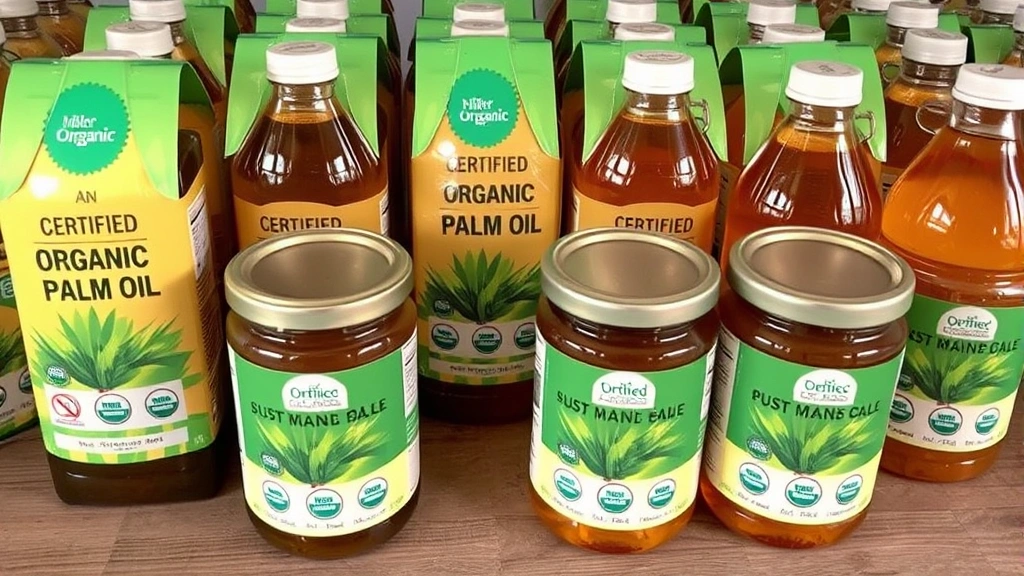
Organic certifications from bodies like USDA or EU Organic verify that products meet strict agricultural standards without synthetic pesticides or fertilizers. These certifications involve annual inspections and soil testing. Organic-certified palm oil commands premium prices but guarantees adherence to rigorous production requirements.
Food safety certifications such as FSSC 22000 or SQF demonstrate compliance with hazard analysis and critical control points (HACCP) principles. These programs ensure products remain free from contamination and meet food safety regulations across different countries. Request certificates directly from suppliers and verify their authenticity through issuing organizations.
Check expiration dates on all certifications and confirm they remain current. Certifications older than three years may indicate outdated practices or lapsed compliance. Cross-reference certificate numbers with official registries to prevent fraudulent documentation. Many certification bodies maintain online databases where you can verify supplier status instantly.
Evaluating Quality Indicators
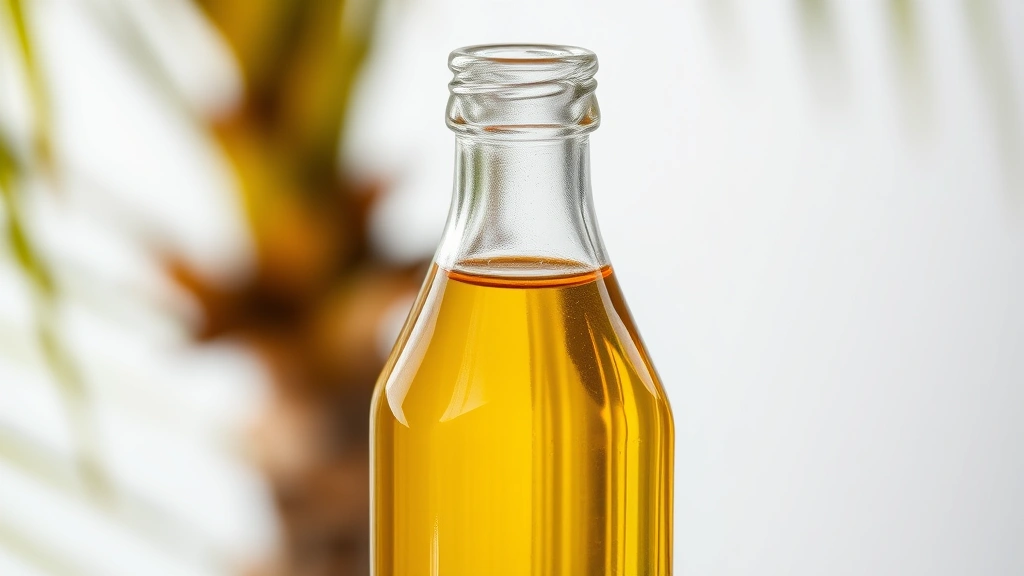
Physical appearance provides initial quality clues. Premium palm oil should display consistent color appropriate to its type. RBD oils appear clear and pale yellow, while virgin oils show deeper orange or reddish hues. Cloudiness, unusual discoloration, or sediment indicate quality issues, contamination, or improper storage.
Fatty acid composition significantly impacts oil performance. Quality palm oil contains specific ratios of saturated, monounsaturated, and polyunsaturated fats. Palmitic acid typically comprises 40-47% of quality oils. Request certificates of analysis detailing fatty acid profiles, ensuring they match published standards for your intended application.
Free fatty acid (FFA) content measures oil degradation. Lower FFA percentages indicate fresher, better-preserved oil. Premium grades typically maintain FFA levels below 0.5%, while lower-grade oils may exceed 2-3%. High FFA content suggests improper storage, extended shelf time, or inferior source material.
Peroxide value indicates oxidation levels. Fresh oils show low peroxide values, typically below 5 meq/kg. Elevated values suggest oil exposure to heat, light, or oxygen during storage and transport. Suppliers should provide peroxide value testing results within recent months, demonstrating product freshness.
Iodine value measures unsaturation degree. Different applications require specific iodine values. Food-grade oils typically range from 50-55, while industrial applications may require different specifications. Verify iodine values match your intended use requirements.
Request full laboratory testing reports including moisture content, impurities, and heavy metal analysis. Reputable suppliers conduct regular testing and provide results upon request. Third-party testing from independent laboratories offers additional verification of supplier claims.
Sourcing from Direct Producers
Connecting directly with palm oil producers eliminates middlemen and often improves pricing while ensuring supply chain transparency. Major producing countries include Indonesia, Malaysia, and smaller West African nations. Industry organizations maintain producer directories organized by region and certification status.
Visit Palm Oil World to access comprehensive producer listings and market information. This resource connects buyers with verified producers and provides detailed facility information. Direct relationships often require minimum order quantities, typically ranging from full containers (20,000+ kg) to smaller amounts for established buyers.
Establish communication with producer representatives to discuss your quality requirements, volume needs, and sustainability preferences. Many producers offer customized specifications and are willing to accommodate particular requests for established partnerships. Building long-term relationships often yields better pricing and priority allocation during supply shortages.
Negotiate contracts including quality guarantees, delivery timelines, and dispute resolution procedures. Written agreements protect both parties and establish clear expectations. Include clauses requiring certificates of analysis, third-party testing rights, and recourse for products failing to meet specifications.
Factor in import logistics, tariffs, and regulatory compliance when sourcing internationally. Work with customs brokers experienced in agricultural commodities to navigate documentation requirements. Understanding local regulations in your country ensures imported oil meets food safety and labeling standards.
Price Comparison and Budget Planning
Palm oil pricing fluctuates based on global commodity markets, seasonal production variations, and supply chain disruptions. Monitor market trends through commodity exchanges and industry publications to understand fair pricing. Unusually low prices may indicate quality issues, improper storage, or fraudulent products.
Compare per-kilogram costs across multiple suppliers while accounting for quality differences. Premium, certified products naturally cost more than commodity oils. Calculate total landed costs including shipping, tariffs, and storage to understand true expenses. Bulk purchasing reduces per-unit costs but requires adequate storage capacity and inventory management.
Subscription or long-term contracts with suppliers often provide better pricing than spot purchases. Many distributors offer volume discounts for regular orders. Negotiate payment terms that align with your cash flow needs while maintaining supplier relationships.
Budget for quality testing and verification. Allocating funds for independent laboratory analysis ensures products meet specifications and protects your investment. Some suppliers include testing in their pricing while others charge separately. Factor these costs into overall budget calculations.
Consider working with a procurement specialist or consultant if sourcing large volumes. Their expertise navigating supplier relationships, negotiating contracts, and ensuring quality compliance often pays for itself through cost savings and risk reduction. Many consultants specialize in agricultural commodities and understand regional market dynamics.
FAQ
What is the difference between refined and virgin palm oil?
Refined palm oil undergoes processing to remove impurities and odors, resulting in a neutral taste and longer shelf life. Virgin palm oil uses minimal processing, retaining natural antioxidants and vitamins but displaying stronger flavor and shorter shelf life. Choose refined oil for neutral applications and virgin oil for health-focused uses or premium products.
How can I verify a supplier’s certifications are legitimate?
Contact the certifying body directly using contact information from their official website. Most organizations maintain online registries where you can search certified entities. Request original certificates directly from the supplier and cross-reference details with registry databases. Be cautious of outdated or expired certifications.
What storage conditions preserve palm oil quality?
Store palm oil in cool temperatures between 10-25°C, away from direct sunlight and heat sources. Use food-grade containers made from stainless steel or food-safe plastic. Minimize air exposure by keeping containers properly sealed. Proper storage extends shelf life from 6 months to 2+ years depending on oil type.
Should I buy bulk quantities or smaller amounts?
Bulk purchasing reduces per-unit costs but requires proper storage and inventory management. For regular users with adequate storage, bulk purchases offer savings. For occasional users or those new to sourcing, smaller quantities allow testing different suppliers before committing to large orders.
Are there sustainable palm oil options that don’t compromise quality?
Yes, RSPO-certified sustainable palm oil maintains quality standards while ensuring responsible production. These products cost more but support environmental conservation and community welfare. Many premium suppliers specialize in sustainable options without sacrificing performance or purity.
How often should I test purchased palm oil?
Conduct testing on first shipments to verify supplier quality claims. For ongoing suppliers, periodic testing every 6-12 months ensures continued compliance. Increase testing frequency if you notice changes in appearance, odor, or performance. Testing costs are minimal compared to losses from using substandard oil.

Related Posts

Superscript in Google Docs: Expert Tips

Strikethrough in Excel: Easy Steps for Beginners
