
Achieve Glass Skin: Expert Tips & Techniques
Achieve Glass Skin: Expert Tips & Techniques for a Flawless, Luminous Complexion
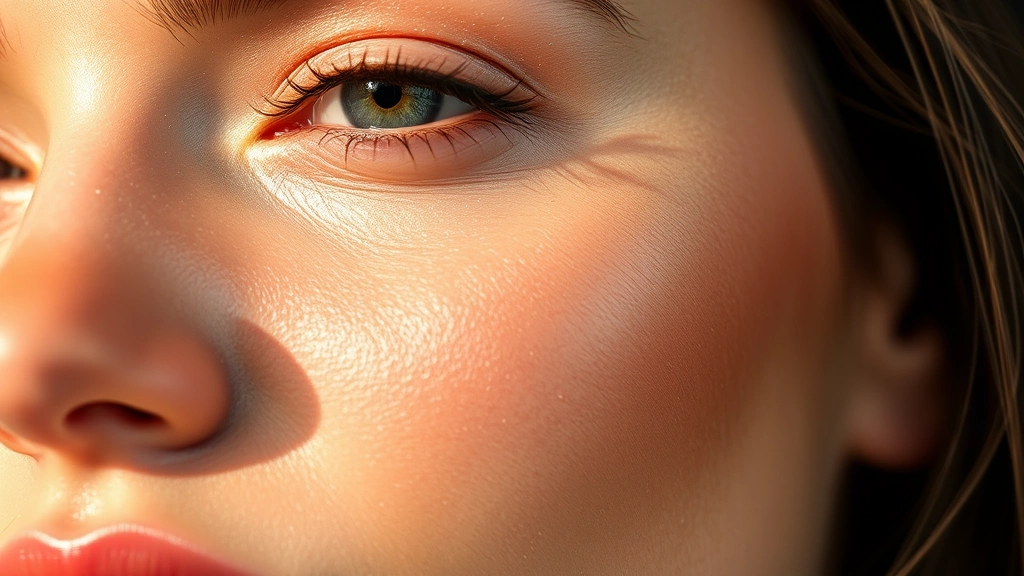
Glass skin—that coveted, poreless, luminous complexion that reflects light like polished glass—has become the holy grail of skincare goals. The term describes skin so smooth, clear, and radiant that it appears almost translucent, with a mirror-like finish that catches light beautifully. Achieving this aesthetic requires dedication, consistency, and a strategic approach combining professional treatments with an effective at-home skincare routine.
Whether you’re dealing with texture issues, dullness, or uneven tone, the path to glass skin is attainable through understanding your skin type, implementing proven techniques, and maintaining discipline with your regimen. This comprehensive guide breaks down everything you need to know about transforming your complexion into that enviable glass-like finish that has captivated beauty enthusiasts worldwide.
Understanding Glass Skin: What It Really Means
Glass skin represents the pinnacle of skin health and appearance, characterized by several key attributes. The skin appears smooth without visible pores, maintains an even tone throughout, possesses a natural radiance that doesn’t rely on heavy makeup, and demonstrates a supple, plump quality that reflects light evenly. Unlike matte or dewy skin finishes, glass skin has a specific reflective quality—smooth enough that light bounces off uniformly, creating that signature luminous appearance.
This aesthetic isn’t about having absolutely no pores—that’s biologically impossible. Rather, it’s about minimizing their appearance through proper hydration, texture refinement, and consistent care. When your skin is well-hydrated and healthy, pores appear smaller, fine lines diminish, and the overall surface becomes more uniform. The goal is achieving skin so healthy and well-maintained that it naturally exhibits that coveted glass-like quality.
Understanding that glass skin is fundamentally about skin health is crucial. You cannot achieve this look through makeup alone or with quick fixes. It requires addressing skin at the cellular level, improving barrier function, and maintaining consistency over weeks and months. Think of it as an investment in your skin’s future rather than a temporary cosmetic fix.
The Foundation: Skincare Basics
Before pursuing advanced techniques, master the fundamental skincare steps that form the foundation of any successful routine. These basics are non-negotiable for glass skin achievement and should be tailored to your specific skin type.
Step 1: Proper Cleansing
Cleansing removes dirt, oil, makeup, and environmental pollutants that accumulate on your skin throughout the day. Use a gentle cleanser appropriate for your skin type—gel or foam for oily skin, cream or milk cleansers for dry skin, and balanced formulas for combination skin. Cleanse twice daily: morning and evening. Many dermatologists recommend the double cleanse method: first use an oil-based cleanser to dissolve makeup and sebum, then follow with a water-based cleanser to remove remaining impurities.
The key is being gentle. Harsh scrubbing or hot water can damage your skin barrier, leading to irritation and compromising your glass skin goals. Use lukewarm water and massage your face in circular motions for 60 seconds before rinsing thoroughly.
Step 2: Exfoliation
Exfoliation removes dead skin cells that accumulate on the surface, revealing fresher, smoother skin underneath. This step is essential for achieving that glass-like texture. Two main types exist: physical exfoliants (scrubs, brushes) and chemical exfoliants (AHAs, BHAs, enzymes). For glass skin, chemical exfoliation is generally preferred as it’s gentler and more effective at improving skin texture and tone.
AHAs (Alpha Hydroxy Acids) like glycolic acid work on the skin’s surface, improving texture and brightness. BHAs (Beta Hydroxy Acids) like salicylic acid penetrate pores, making them ideal for congestion-prone skin. Start with exfoliation 2-3 times weekly, adjusting frequency based on your skin’s tolerance. Over-exfoliation can damage your barrier, so patience is essential.
Step 3: Hydration and Moisturization
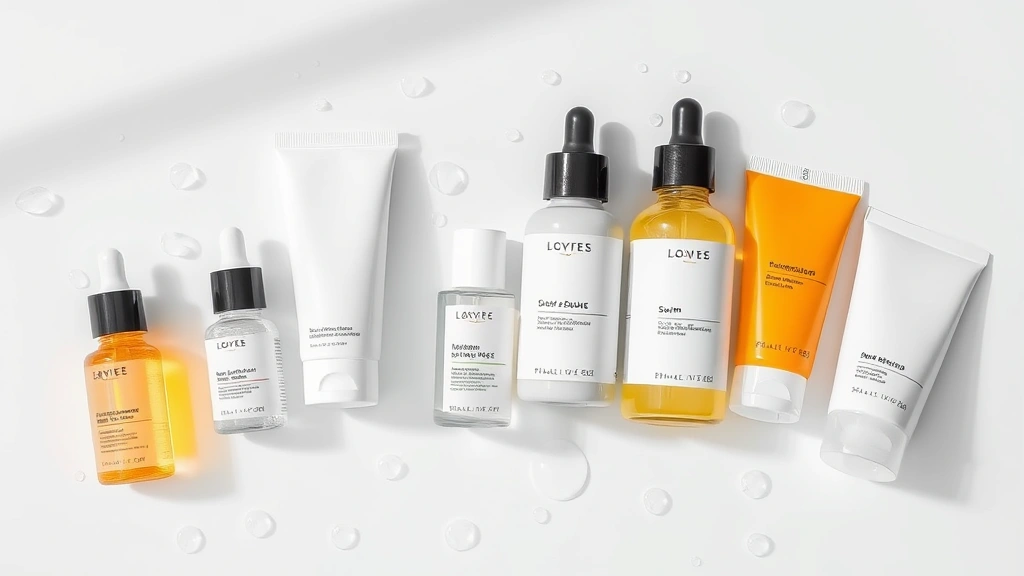
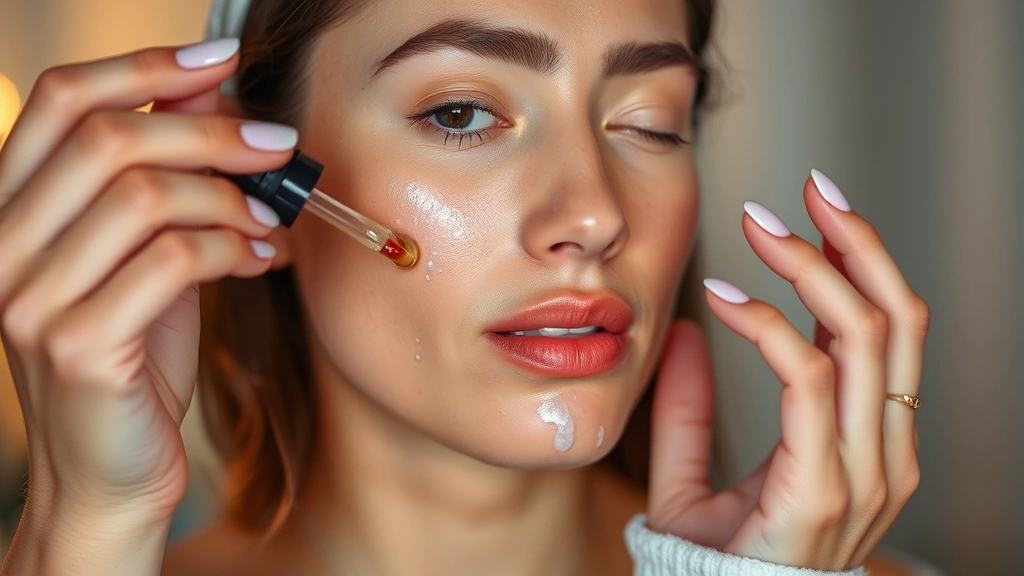
Hydration is perhaps the most critical factor in achieving glass skin. Well-hydrated skin appears plumper, smoother, and more radiant. Hydrating serums containing ingredients like hyaluronic acid, glycerin, or peptides should be applied to damp skin before moisturizer. These humectants draw water into your skin, improving hydration from within.
Follow with a moisturizer appropriate for your skin type. Even oily skin needs moisturizer—choose lightweight, non-comedogenic formulas. Moisturizers create a barrier that prevents transepidermal water loss, maintaining your skin’s hydration levels throughout the day. Apply moisturizer while your skin is still slightly damp to lock in hydration more effectively.
Step 4: Sun Protection
Sun damage is the primary cause of premature aging, uneven tone, and texture issues. Daily SPF 30+ application is non-negotiable for glass skin. UV exposure causes collagen breakdown, hyperpigmentation, and barrier damage—all obstacles to achieving your goal. Use a broad-spectrum sunscreen daily, reapplying every two hours if you’re outdoors. This single step prevents future damage while your other products work to repair existing issues.
Advanced Techniques and Treatments
Once you’ve mastered basic skincare, incorporating advanced treatments accelerates your progress toward glass skin. These can be professional treatments or advanced at-home products.
Professional Treatments
Chemical Peels: Professional-grade chemical peels use higher concentrations of acids than at-home products to remove damaged outer layers of skin. A series of peels (typically 4-6) dramatically improves texture, tone, and clarity. This Old House and similar resources often feature skincare expert recommendations for professional treatments.
Microneedling: This treatment uses tiny needles to create controlled micro-injuries, stimulating collagen and elastin production. Microneedling improves texture, minimizes pores, and enhances product penetration. Results improve over several sessions, with maintenance treatments recommended quarterly.
Laser Treatments: Various laser technologies address different concerns—fractional lasers improve texture and tone, while other wavelengths target pigmentation or stimulate collagen. Laser treatments require professional administration and downtime but deliver significant results.
Hydrafacials: This non-invasive treatment uses vortex-fusion technology to cleanse, extract, and hydrate skin while infusing serums. Multiple treatments create cumulative improvements in texture and radiance.
Advanced At-Home Products
For those preferring at-home solutions, several advanced products can significantly impact glass skin achievement:
- Retinoids: Vitamin A derivatives like retinol and prescription retinoids stimulate cell turnover, improve texture, and boost collagen production. Start with lower concentrations (0.25-0.5%) and gradually increase tolerance. Use retinoids at night only, always with SPF during the day.
- Vitamin C Serums: Stabilized vitamin C brightens skin, boosts collagen synthesis, and provides antioxidant protection. Apply to clean, dry skin in the morning before sunscreen for maximum benefit.
- Niacinamide: This versatile ingredient minimizes pore appearance, regulates sebum production, and strengthens the skin barrier. It’s well-tolerated by most skin types and can be layered with other actives.
- Peptides: These amino acid chains support collagen structure and improve skin firmness and elasticity. Peptide serums enhance skin plumpness, contributing to that glass skin appearance.
- Hyaluronic Acid: This humectant holds up to 1000 times its weight in water, plumping skin and improving hydration. Use in serums before moisturizer for optimal results.
Lifestyle Factors That Impact Skin Quality
Skincare products alone cannot achieve glass skin without supporting lifestyle factors. Your daily habits significantly impact your complexion’s appearance and health.
Sleep and Recovery
During sleep, your body increases blood flow to skin and rebuilds collagen. Aim for 7-9 hours nightly. Poor sleep increases cortisol, triggering inflammation and breakouts. Additionally, sleep deprivation impairs your skin barrier function, reducing its ability to retain moisture. Establish a consistent sleep schedule and create a relaxing bedtime routine to prioritize this crucial recovery time.
Nutrition and Hydration
What you eat directly affects your skin. A diet rich in antioxidants, omega-3 fatty acids, and vitamins supports skin health from within. Focus on: fatty fish (salmon, sardines), leafy greens, berries, nuts, and seeds. These foods provide nutrients that support collagen synthesis and protect against oxidative stress.
Drink adequate water—typically 8-10 glasses daily, adjusted for activity level and climate. Proper hydration maintains skin plumpness and supports all cellular functions. While water alone won’t create glass skin, dehydration certainly prevents it.
Stress Management
Chronic stress elevates cortisol, triggering inflammation, breakouts, and barrier dysfunction. Implement stress-reduction practices: meditation, yoga, exercise, or hobbies you enjoy. Even 10-15 minutes of daily stress relief improves skin quality noticeably. Exercise particularly benefits skin by increasing circulation, promoting detoxification through sweat, and reducing stress hormones.
Avoiding Skin Damaging Habits
Certain habits actively damage your progress toward glass skin. Smoking accelerates collagen breakdown and causes premature aging. Excessive alcohol dehydrates skin and impairs barrier function. Touching your face throughout the day transfers bacteria, potentially causing breakouts. Sleeping on your side or stomach can cause sleep creases that contribute to fine lines over time. Being mindful of these habits and actively working to eliminate them significantly accelerates results.
Building Your Custom Glass Skin Routine
The most effective routine is personalized to your specific skin type and concerns. Here’s how to build one strategically.
Identify Your Skin Type
Determine whether you have oily, dry, combination, or sensitive skin. This classification guides product selection and treatment frequency. If unsure, consult a dermatologist for professional assessment. Understanding your skin type prevents wasting money on inappropriate products and ensures your routine actually addresses your specific needs.
Sample Morning Routine
- Gentle cleanser appropriate for your skin type
- Hydrating toner or essence (optional but beneficial)
- Vitamin C serum or antioxidant serum
- Hydrating serum with hyaluronic acid
- Lightweight moisturizer
- Broad-spectrum SPF 30+ sunscreen
Sample Evening Routine
- Oil cleanser or makeup remover
- Gentle water-based cleanser
- Exfoliant (2-3 times weekly, not nightly)
- Hydrating toner or essence
- Targeted treatment serum (retinoid, peptides, or niacinamide)
- Rich moisturizer or sleeping mask
This structure ensures you’re cleansing thoroughly, delivering active ingredients, and maintaining hydration and barrier health. Consistency matters more than complexity—a simple routine followed religiously outperforms an elaborate routine used sporadically.
Timeline for Results
Glass skin doesn’t happen overnight. Realistic timelines: basic routine improvements visible in 4-6 weeks, significant texture improvement in 8-12 weeks, and dramatic transformation in 3-6 months of consistent effort. Skin cell turnover takes approximately 28 days, so patience is essential. Commit to your routine for at least 6-8 weeks before evaluating whether adjustments are needed.
Common Mistakes to Avoid
Many people sabotage their glass skin goals through common errors. Being aware of these pitfalls prevents setbacks:
Over-exfoliation: More exfoliation doesn’t equal faster results. Excessive exfoliation damages your barrier, causing irritation, redness, and increased sensitivity. Limit chemical exfoliation to 3-4 times weekly maximum, and take breaks if irritation develops.
Skipping Sunscreen: This single mistake undoes months of progress. UV damage causes pigmentation, texture issues, and accelerated aging. No glass skin routine succeeds without daily SPF application.
Mixing Incompatible Ingredients: Certain ingredients conflict when combined. Never mix retinoids with vitamin C, AHAs, or BHAs on the same night. Separate these actives into different routines to prevent irritation and maximize efficacy. If you’re exploring how to clean a coffee maker, you understand the importance of proper technique—the same principle applies to skincare ingredient combinations.
Using Too Many Products: Simplicity often wins. More products don’t guarantee better results and increase the risk of irritation and ingredient conflicts. Focus on essential steps: cleanse, exfoliate, hydrate, treat, and protect.
Expecting Overnight Results: Skin transformation requires patience. Unrealistic expectations lead to discouragement and routine abandonment. Celebrate small improvements and trust the process.
Ignoring Skin Sensitivity: If a product causes redness, itching, or burning, stop using it immediately. Irritated skin cannot achieve glass skin. Listen to your skin and adjust your routine accordingly. Sometimes the most effective routine is the simplest one your skin tolerates well.
Inconsistent Application: Skipping days or weeks derails progress. Consistency is the secret ingredient that separates successful glass skin achievers from those who abandon their routines. Treat skincare like brushing your teeth—non-negotiable daily habits.
Much like learning how to become a plumber requires systematic training and practice, achieving glass skin demands commitment to proven techniques applied consistently.
FAQ
How long does it take to achieve glass skin?
Most people notice improvements within 4-6 weeks of consistent skincare, with significant results appearing after 8-12 weeks. Dramatic transformation typically requires 3-6 months of dedicated effort. Professional treatments can accelerate results but should be combined with a solid at-home routine.
Can oily skin achieve glass skin?
Absolutely. Glass skin isn’t exclusive to dry or combination skin types. Oily skin requires appropriate products—lightweight hydrating serums, non-comedogenic moisturizers, and gentle exfoliation—but can definitely achieve that luminous, smooth appearance. The key is balancing hydration without excess oil.
Is glass skin achievable without professional treatments?
Yes, professional treatments accelerate results but aren’t mandatory. A consistent at-home routine with quality products, combined with lifestyle factors like sleep, nutrition, and stress management, can absolutely achieve glass skin. Professional treatments enhance results but work best alongside a solid routine.
What’s the most important step for glass skin?
Consistency and sun protection are equally crucial. Without daily SPF, UV damage undoes all other efforts. Without consistency, your skin cannot complete its natural renewal cycle. If forced to choose one product, sunscreen provides the most protection and prevention against damage.
Can sensitive skin achieve glass skin?
Sensitive skin requires a modified approach but can absolutely achieve glass skin. Focus on gentle, non-irritating products, introduce actives slowly, and prioritize barrier repair. Work with a dermatologist to identify triggers and develop an appropriate routine. Often, sensitive skin responds beautifully once irritants are removed and the barrier is healed.
Should I see a dermatologist?
If you have persistent skin concerns, significant acne, or uncertain about your skin type, a dermatologist consultation provides valuable guidance. They can recommend appropriate treatments, prescribe retinoids if beneficial, and rule out underlying conditions. For personalized advice on your journey to glass skin, professional dermatological input is invaluable.
Are there shortcuts to glass skin?
No legitimate shortcuts exist. Glass skin requires consistent effort over time. Beware of products promising overnight transformation—they’re marketing hype. The most effective approach combines proven techniques, quality products, professional treatments when appropriate, and lifestyle support. The journey itself becomes a rewarding self-care practice.

Related Posts

Superscript in Google Docs: Expert Tips

Strikethrough in Excel: Easy Steps for Beginners
