
Remove Cigarette Smell from Car: Expert Tips
How to Get Cigarette Smell Out of Car: Expert Tips and Proven Methods
Cigarette smoke odor in a car is one of the most stubborn and pervasive smells you’ll encounter. Whether you’ve recently purchased a used vehicle that smells like an ashtray or you’re trying to eliminate lingering smoke odors from your own smoking habit, the challenge is real. The problem with cigarette smell is that it doesn’t just sit on surfaces—it penetrates deep into upholstery, carpeting, air filters, and ventilation systems, making it incredibly difficult to eliminate completely.
The good news is that with the right approach and persistence, you can significantly reduce or completely remove cigarette smell from your car. This comprehensive guide will walk you through proven methods, from simple DIY solutions to more intensive treatments. We’ll cover everything from understanding why cigarette smoke is so persistent to implementing professional-grade techniques that actually work.
Why Cigarette Smoke Lingers in Cars
Understanding why cigarette smell persists is crucial to selecting the right removal method. Cigarette smoke contains thousands of chemical compounds that bond to surfaces at a molecular level. When someone smokes in a car, these compounds don’t just float around—they actively attach to every surface, including fabric, plastic, leather, rubber, and even the car’s ventilation system.
The smoke particles settle into the smallest crevices and pores of your car’s interior. This is why simply cracking the windows or using air fresheners provides only temporary relief. The odor molecules remain trapped in the material fibers and continue releasing the smell long after the initial smoking has stopped. Additionally, the car’s HVAC system circulates and recirculates these odor molecules, which means every time you turn on the air conditioning or heat, you’re essentially re-releasing the cigarette smell throughout the cabin.
Temperature changes also play a role in odor persistence. On hot days, the car’s interior heats up, causing the odor molecules to become more active and volatile, making the smell more noticeable. This is why a car that smells fine in the morning might reek of cigarettes by afternoon.
Quick Fixes and Immediate Solutions
If you need to reduce cigarette smell quickly, several immediate solutions can help mask or diminish the odor temporarily. These won’t provide a permanent fix, but they’re excellent starting points while you work on deeper cleaning methods.
Air Out Your Vehicle Thoroughly
Start by opening all windows and doors for at least 15-20 minutes. If weather permits, leave your car parked in direct sunlight with the windows down. UV rays can help break down some odor molecules, and fresh air circulation will help remove volatile compounds. For best results, do this on a warm, breezy day when you have several hours available.
Use Activated Charcoal
Activated charcoal is one of the most effective natural odor absorbers available. Place several open containers or bags of activated charcoal throughout your car—under the seats, on the dashboard, and in the trunk. Leave them there for 24-48 hours. The charcoal will absorb odor molecules from the air and surrounding surfaces. You can find activated charcoal at any pharmacy, grocery store, or online retailer. This method is inexpensive and completely safe for your vehicle’s interior.
Baking Soda Treatment
Baking soda is another powerful odor neutralizer. Sprinkle baking soda generously on all fabric surfaces—seats, carpets, floor mats, and headliners. Let it sit for several hours or overnight, then vacuum thoroughly. For stubborn areas, you can mix baking soda with a small amount of water to create a paste, apply it to affected areas, let it dry completely, then vacuum. Be patient with the drying process, as moisture trapped in upholstery can create other problems.
Coffee Grounds
Used coffee grounds are surprisingly effective at absorbing cigarette smell. Place dried, used coffee grounds in small containers or porous bags and distribute them throughout your car. Leave them for 24-48 hours. The coffee aroma will also help mask any remaining cigarette smell. This method works particularly well in combination with other treatments and won’t damage your vehicle’s interior.
Deep Cleaning the Interior
Once you’ve addressed immediate odor concerns, it’s time to tackle deep cleaning. This is where you’ll see the most significant results in eliminating cigarette smell permanently.
Vacuum Everything Thoroughly
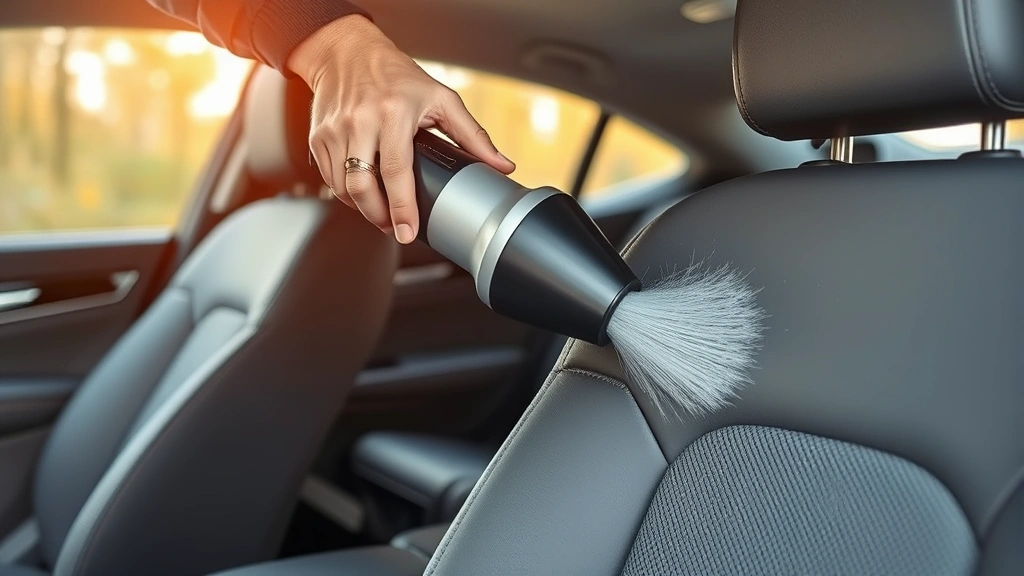
Begin by vacuuming every surface that can be vacuumed. This includes the seats, floor, under the seats, carpets, trunk, and even the headliner if your vacuum has an upholstery attachment. Pay special attention to seams and crevices where smoke particles accumulate. Use a high-powered shop vacuum if possible, as it will extract more deeply than a standard household vacuum. Don’t rush this step—spend at least 30-45 minutes ensuring every inch is thoroughly cleaned.
Clean Hard Surfaces
Wipe down all hard plastic and vinyl surfaces with appropriate cleaners. For the dashboard, steering wheel, door panels, and plastic trim, use a quality automotive interior cleaner. For leather surfaces, use a leather-specific cleaner and conditioner. These products not only clean but also help seal the surface, preventing odor molecules from re-embedding themselves. Don’t forget often-overlooked areas like the steering wheel underside, gear shift, and door handle interiors.
Clean Windows and Mirrors
Use glass cleaner to thoroughly clean all windows and mirrors. Smoke residue builds up on glass surfaces and can contribute to overall odor. Clean both the interior and exterior of windows for maximum effectiveness.
Treating Upholstery and Carpets
The upholstery and carpeting are where most cigarette smell originates, so this step is critical. If you’re serious about removing odors from your vehicle, investing time and resources here will pay dividends.
Steam Cleaning
Professional-grade steam cleaning is one of the most effective methods for removing cigarette smell from fabric. You can rent a carpet steam cleaner from most hardware stores or hire a professional detailing service. For DIY steam cleaning, use hot water mixed with a small amount of white vinegar or a specialized automotive upholstery cleaner. The heat and moisture help break down odor molecules and lift them from the fabric.
When steam cleaning, work in sections. Apply the solution, let it sit for 5-10 minutes, then extract with the steam cleaner. You may need to repeat this process 2-3 times on heavily affected areas. Make sure to extract as much moisture as possible and allow the vehicle to dry completely afterward. Run the defroster on high or park in the sun to speed up the drying process.
Enzymatic Cleaners
Enzymatic cleaners are specially formulated to break down organic compounds, including those in cigarette smoke. These cleaners contain enzymes that actually consume the odor-causing molecules rather than just masking the smell. Apply the enzymatic cleaner according to product instructions, typically by spraying on affected areas, letting it sit, and then extracting with a wet/dry vacuum or steam cleaner.
Vinegar Solution
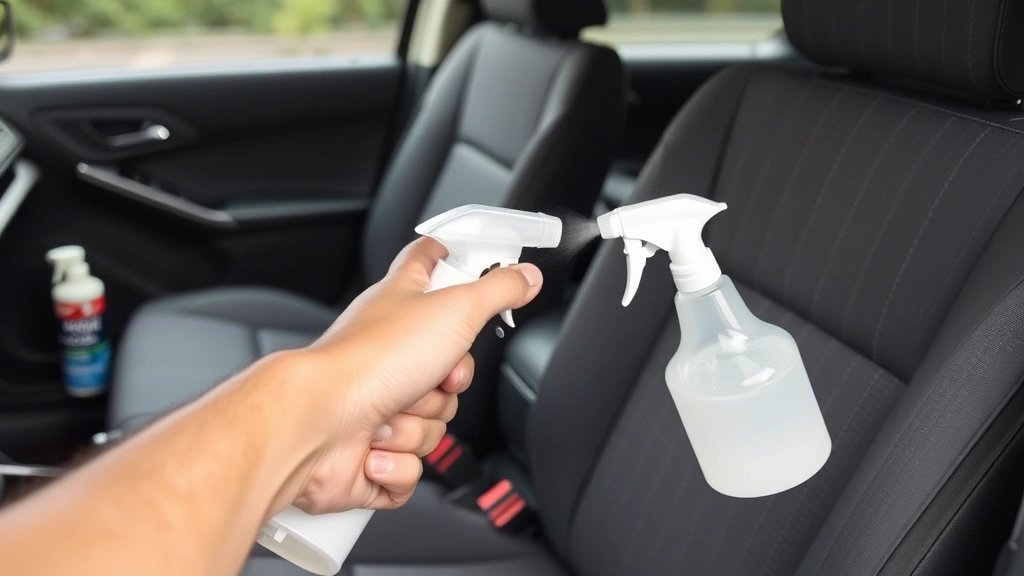
White vinegar is a powerful natural deodorizer. Mix equal parts white vinegar and water in a spray bottle. Lightly mist affected upholstery (don’t oversaturate), let it air dry, and the vinegar smell will dissipate while carrying away cigarette odors. The initial vinegar smell is temporary and far more pleasant than stale cigarette smoke.
Addressing the HVAC System
The car’s heating, ventilation, and air conditioning (HVAC) system plays a crucial role in circulating odors throughout the vehicle. If you don’t address this system, your other cleaning efforts will be undermined every time you use the air conditioning or heating.
Replace the Cabin Air Filter
The cabin air filter traps particles and odors before they’re circulated through your vehicle. If your car has been exposed to cigarette smoke, this filter is likely saturated with odor molecules. Replacing the cabin air filter is one of the easiest and most impactful steps you can take. Most cabin air filters are located behind the glove box and can be replaced in 10-15 minutes without special tools. Consult your owner’s manual for the exact location and replacement procedure. After replacement, run your air conditioning for several minutes to circulate fresh air through the system.
Clean the HVAC System
Beyond the cabin filter, cigarette smoke particles may have accumulated in the HVAC ducts and evaporator core. Professional HVAC cleaning services can flush the system with specialized chemicals designed to break down and remove odor-causing particles. If you prefer a DIY approach, you can use HVAC system cleaners available at automotive retailers. Follow the product instructions carefully, which typically involve running the system while the cleaner disperses through the ducts.
Run the Air Conditioner Regularly
After cleaning your HVAC system, run the air conditioning regularly to keep the system dry and prevent mold growth, which can create musty smells that compound the cigarette odor problem. Set the air conditioning to fresh air mode (not recirculate) to ensure you’re drawing in outside air rather than recycling interior air.
Long-Term Odor Elimination Strategies
For stubborn cigarette smells that resist initial treatment, consider these more intensive, long-term approaches.
Ozone Treatment
Professional ozone generators create ozone gas that oxidizes odor molecules, effectively destroying them rather than just masking the smell. This is one of the most effective methods for eliminating stubborn cigarette odors. However, ozone treatment should only be performed by professionals, as improper use can be harmful. Many professional detailing shops offer this service. The process typically involves sealing the car and running an ozone generator for 2-4 hours, then airing out the vehicle thoroughly. Expect to pay $150-$400 for professional ozone treatment, but the results are often worth the investment.
Thermal Fogging
Thermal fogging is another professional service that uses a heated chemical fog to penetrate every corner of your vehicle, including areas that are difficult to reach. The fog oxidizes odor molecules and eliminates them completely. This method is particularly effective for severe cigarette smell and can cost $200-$500 depending on your vehicle’s size and the severity of the odor.
Odor-Eliminating Sprays and Products
Once you’ve completed the initial cleaning steps, automotive odor-eliminating sprays can help maintain freshness. Look for products specifically designed for automotive use that contain enzymes or oxidizing agents rather than just fragrances. These products work best when applied to clean surfaces and are most effective as maintenance tools rather than primary solutions.
Prevention and Maintenance
After you’ve successfully removed cigarette smell from your car, maintaining that fresh-smelling interior requires ongoing effort.
Establish a No-Smoking Policy
The most effective prevention strategy is simply not allowing smoking in your vehicle. If you or someone else smokes, establish a clear rule that smoking is only permitted outside the car. This prevents new odor molecules from embedding themselves in your freshly cleaned interior.
Regular Vacuuming
Vacuum your car’s interior monthly to prevent odor accumulation. Regular vacuuming removes dust, debris, and any lingering odor particles before they can settle deeply into fabric.
Use Floor Mats and Seat Covers
Protective floor mats and seat covers can help shield your car’s original upholstery from odors and spills. If you’re concerned about smoke smell returning, these protective layers can catch odors before they reach the underlying fabric.
Keep Your Car Well-Ventilated
On pleasant weather days, crack the windows slightly or fully open them when parked to allow fresh air circulation. This prevents odors from building up and keeps your car smelling fresh naturally.
Use Odor Absorbers Preventatively
Keep activated charcoal or baking soda containers in your car year-round as a preventative measure. These products continuously work to absorb any odors before they become problematic. This is similar to how you might maintain cleanliness in other areas of your home, requiring consistent upkeep rather than waiting for problems to develop.
FAQ
How long does it take to completely remove cigarette smell from a car?
The timeline depends on the severity of the smell and which methods you use. Quick fixes like activated charcoal may show results within 24-48 hours. Deep cleaning can take several days to a week. Professional treatments like ozone generation show results immediately but require proper follow-up. For heavily smoked-in vehicles, complete odor elimination may take 2-4 weeks of consistent treatment and maintenance.
Can I use regular air fresheners to cover cigarette smell?
While air fresheners can temporarily mask cigarette smell, they don’t eliminate it. In fact, mixing fragrances with cigarette odor often creates an unpleasant combination. It’s better to focus on actual odor elimination methods rather than relying on fragrances alone.
Is professional odor removal worth the cost?
For severe cigarette smell that resists DIY methods, professional treatment like ozone generation or thermal fogging can be worth the investment. These methods are more effective and faster than DIY approaches. However, if the smell is mild to moderate, DIY methods are usually sufficient and much more budget-friendly.
Will replacing the cabin air filter alone eliminate cigarette smell?
Replacing the cabin air filter helps but won’t completely eliminate the smell on its own. The filter prevents future odor circulation but doesn’t remove odors already embedded in upholstery and other surfaces. Use it as one component of a comprehensive cleaning strategy.
Can I use essential oils or scented products to eliminate cigarette smell?
Essential oils and scented products can complement odor elimination efforts but shouldn’t be your primary strategy. Focus on actual odor removal first, then use pleasant-smelling products to maintain freshness. Applying scents to a still-smelly car is ineffective.
What if cigarette smell returns after I’ve cleaned everything?
If smell returns, someone may still be smoking in the vehicle, or odor molecules may still be present in hard-to-reach areas like the HVAC system or door panels. Ensure your no-smoking policy is being followed, and consider professional HVAC cleaning or ozone treatment to address remaining odors in inaccessible areas. You might also want to review guides on comprehensive cleaning techniques to ensure you haven’t missed any areas.
Is baking soda safe to use inside my car?
Yes, baking soda is completely safe for your car’s interior. It’s non-toxic, won’t damage upholstery or electronics, and is one of the most effective natural odor absorbers. Just make sure to vacuum thoroughly afterward to remove all residue.
How often should I apply odor-eliminating treatments?
After initial treatment, apply odor-eliminating treatments as needed—typically once monthly for maintenance. Keep activated charcoal or baking soda in your car year-round as a preventative measure. The frequency depends on how much use your car gets and whether anyone smokes in it.

Related Posts

Superscript in Google Docs: Expert Tips

Strikethrough in Excel: Easy Steps for Beginners
