
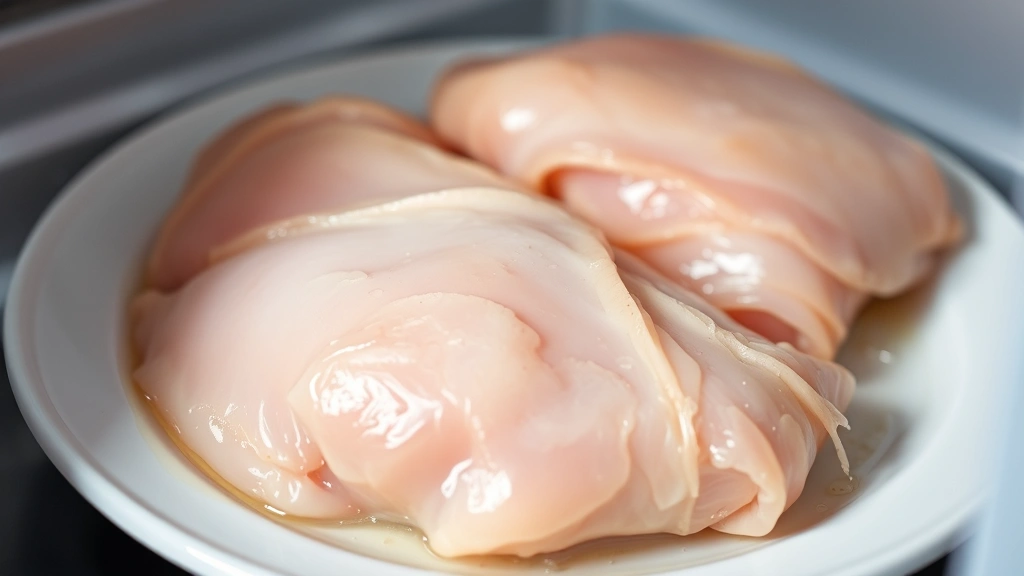
Defrost Chicken in Microwave? Expert Tips Here
How to Defrost Chicken in Microwave: Expert Tips for Safe, Quick Results
Defrosting chicken in the microwave is one of the fastest ways to prepare frozen poultry for cooking, but it requires careful attention to food safety and technique. Unlike passive thawing methods that can take hours or even overnight, microwave defrosting can have your chicken ready to cook in just 5-10 minutes, depending on the size and thickness of your pieces. However, improper microwave defrosting can lead to uneven thawing, partially cooked spots, and bacterial growth that compromises food safety.
In this comprehensive guide, we’ll walk you through the expert-approved process for safely defrosting chicken in your microwave, along with best practices, common mistakes to avoid, and alternative methods when you have more time. Whether you’re dealing with whole chickens, breasts, thighs, or ground chicken, you’ll find practical instructions that work for every situation. We’ll also cover important food safety considerations that the USDA recommends to ensure your meal is both delicious and safe to eat.
Understanding Microwave Defrosting Safety
Food safety is paramount when defrosting any poultry product. The danger zone for bacterial growth is between 40°F and 140°F, and chicken can develop harmful bacteria like salmonella when it sits in this temperature range for too long. Microwave defrosting, when done correctly, minimizes the time chicken spends in the danger zone compared to room temperature thawing, which is why it’s a safer rapid-defrosting option.
The microwave’s radiation heats water molecules in the chicken, which can thaw the outer portions while leaving the inside still frozen. This uneven thawing is the primary challenge you’ll face. The outer layers may become warm enough to begin cooking while the interior remains frozen—a situation that can harbor bacteria. This is why the USDA recommends using the defrost setting rather than full power, and why constant monitoring and turning is essential.
Before you begin, always check that your microwave has a dedicated defrost function or power level setting. Most modern microwaves have this feature, which cycles the microwave on and off to provide gentle, more even heating. If your microwave lacks this function, you can manually achieve similar results by using 30% power and turning the chicken frequently. Understanding these safety principles helps you make informed decisions about how to defrost chicken safely and effectively.
Step-by-Step Microwave Defrosting Process
Step 1: Prepare Your Chicken
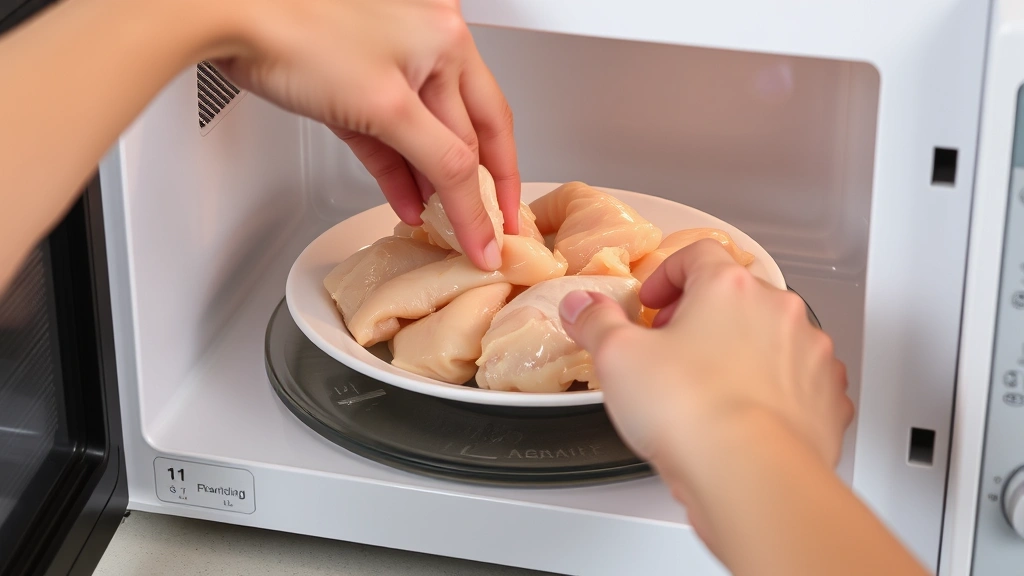
Remove your frozen chicken from the freezer and place it on a microwave-safe plate or shallow dish. If the chicken is in original packaging, check that the packaging is microwave-safe. Many frozen chicken packages are not designed for microwave use and may contain materials that can leach chemicals when heated. Transfer the chicken to a clean plate to be safe. Pat the exterior dry with a paper towel if there’s excess ice or freezer burn, as this helps with more even heating.
Step 2: Check Your Microwave’s Defrost Setting
Locate your microwave’s defrost button or settings menu. Most microwaves ask you to input the weight of the item you’re defrosting. If your microwave has this feature, enter the weight of your chicken package. If it doesn’t have automatic weight detection, you’ll manually set the defrost time. As a general rule, allow 5-10 minutes per pound on the defrost setting. For example, a 2-pound package of chicken breasts would need approximately 10-20 minutes.
Step 3: Start the Defrost Cycle
Place the chicken in the center of your microwave on a microwave-safe plate. Start the defrost cycle. During this process, the microwave will cycle on and off, typically running for 30-second to 1-minute intervals followed by rest periods. These rest periods are crucial because they allow heat to distribute more evenly throughout the chicken without cooking the outer layers.
Step 4: Monitor and Turn Regularly
Every 2-3 minutes, stop the microwave and check the chicken’s progress. Turn the chicken over and rotate it so that all sides receive equal exposure. Break apart any pieces that are starting to separate, especially with chicken breasts or thighs. This turning and rotating is the most important step for ensuring even defrosting. If you notice any portions becoming warm or starting to cook (appearing white or opaque), separate those pieces from the still-frozen portions immediately.
Step 5: Verify Complete Defrosting
The chicken is completely defrosted when it’s pliable throughout and no ice crystals remain. Use your fingers to gently test the thickest part—it should yield to gentle pressure. For whole chickens or very thick breasts, you can use a meat thermometer to confirm the thickest part has reached at least 40°F. Never assume defrosting is complete based on appearance alone, as the interior can still contain ice.
Defrosting Different Chicken Cuts
Chicken Breasts
Chicken breasts are among the most commonly defrosted cuts. Individual breasts typically require 5-8 minutes on the defrost setting, while a 2-pound package of several breasts needs 10-15 minutes. Breasts thaw unevenly because they’re thicker in the middle and thinner at the edges. To address this, turn them frequently and consider separating them as soon as they’re pliable enough to pull apart. This allows the smaller pieces to finish defrosting while preventing the outer portions from overcooking.
Chicken Thighs and Drumsticks
Thighs and drumsticks are more forgiving than breasts because they’re fattier and more difficult to overcook. They typically require 8-12 minutes per pound. Because these pieces have bones, they take longer to thaw completely. The bone conducts heat, which can help, but it also creates a temperature gradient from outside to inside. Check around the bone to ensure complete defrosting—the meat should be pliable right up against the bone.
Ground Chicken
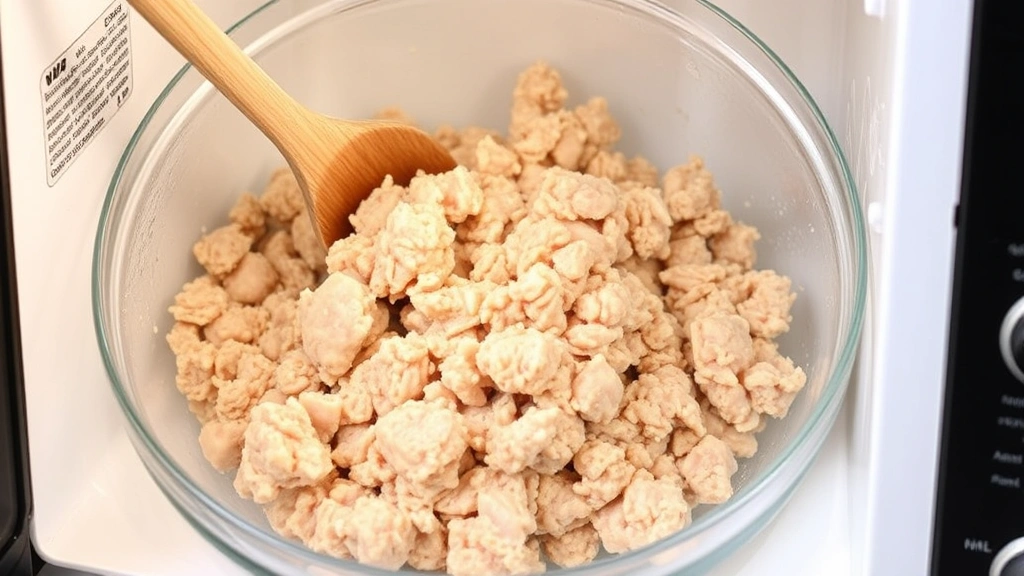
Ground chicken defrosts very quickly in the microwave—usually 5-8 minutes for a pound. Place it in a microwave-safe bowl and break it apart with a spoon every 2-3 minutes, pushing the thawed portions to the sides while moving the still-frozen center portions toward the heat source. This technique, similar to how you’d cook ground meat, helps achieve even thawing and prevents any portions from overcooking.
Whole Chickens
Whole chickens are challenging to defrost evenly in a microwave due to their size and irregular shape. A 4-5 pound whole chicken might require 20-30 minutes on defrost. You’ll need to turn the bird every 5 minutes and may need to shield the wings and legs (which thaw faster) with small pieces of aluminum foil to slow their thawing. Many experts recommend using alternative methods for whole chickens, which we’ll discuss later in this guide.
Common Mistakes to Avoid
Using Full Power Instead of Defrost Setting
This is the most common error. Full power (100%) will cook the outer portions while leaving the interior frozen. Always use the defrost setting or reduce power to 30% and manually control timing. The defrost function cycles the microwave on and off, which is essential for safe, even thawing.
Not Turning the Chicken Frequently Enough
Irregular turning leads to uneven defrosting and potential bacterial growth in warm spots. Mark your calendar or set a phone timer to remind yourself to turn and check the chicken every 2-3 minutes without fail. This constant attention is what makes microwave defrosting safe and effective.
Allowing Defrosted Chicken to Sit at Room Temperature
Once defrosted, cook the chicken immediately or refrigerate it. Don’t leave defrosted chicken sitting on the counter, even for 15 minutes. If you’re not ready to cook it immediately, place it in the refrigerator where it can safely stay for 1-2 days. This prevents bacterial multiplication in the danger zone temperature range.
Defrosting in the Original Packaging
Many plastic packages aren’t microwave-safe and can release harmful chemicals when heated. Always transfer chicken to a microwave-safe plate or dish before defrosting. If you’re unsure whether your packaging is microwave-safe, check the bottom for a microwave-safe symbol or simply transfer the contents to a clean plate.
Ignoring Ice Crystals and Partial Freezing
If you stop defrosting when there are still ice crystals visible, you’re creating conditions for bacterial growth. Continue the defrost cycle until the entire piece is pliable and ice-crystal-free. The extra few minutes ensures food safety and better cooking results.
Alternative Defrosting Methods
While microwave defrosting is fast, other methods have distinct advantages depending on your timeline and preferences. Understanding these options helps you choose the best method for your situation, similar to how knowing proper care techniques extends the life of your kitchen equipment.
Refrigerator Defrosting
This is the safest method recommended by food safety experts. Move your chicken from the freezer to the refrigerator 24 hours before cooking. The slow thawing at cold temperatures (below 40°F) prevents bacterial growth. A pound of chicken typically thaws in 24 hours, while a whole chicken might need 2-3 days. The advantage is hands-off convenience and superior food safety. The disadvantage is that it requires advance planning.
Cold Water Defrosting
Place your frozen chicken in a sealed plastic bag and submerge it in cold water. Change the water every 30 minutes. This method typically takes 1-2 hours depending on the size of your chicken. It’s faster than refrigerator defrosting but requires active attention and water changes. The cold water prevents bacterial growth while being faster than passive refrigeration.
Cook From Frozen
You can cook chicken directly from frozen, though it will take 50% longer and may not cook as evenly. Increase cooking time by about 50% and use a meat thermometer to ensure the internal temperature reaches 165°F. This method works well for slow cooker recipes or when you’re making chicken soup, but it’s not ideal for pan-searing or grilling where you want even browning.
Cooking Your Defrosted Chicken
Once your chicken is completely defrosted, you have several cooking options. Pat the chicken dry with paper towels before cooking—this removes surface moisture that can prevent proper browning in a skillet or create steam in the oven. Dry chicken also allows seasonings to adhere better and promotes better browning through the Maillard reaction, which creates the flavorful brown crust.
Pan-Searing
Heat a skillet over medium-high heat and add oil or butter. Once the fat shimmers, carefully place the chicken in the pan. Don’t move it for 3-4 minutes to develop a golden crust. Flip and cook the other side until golden. The internal temperature should reach 165°F as measured with a meat thermometer inserted into the thickest part without touching bone.
Baking
Place defrosted chicken on a baking sheet, season as desired, and bake at 375-425°F depending on thickness. Boneless, skinless breasts typically need 15-20 minutes, while bone-in pieces need 25-35 minutes. Use a meat thermometer to verify doneness—the internal temperature must reach 165°F throughout.
Grilling
Preheat your grill to medium-high heat. Oil the grates to prevent sticking. Place defrosted chicken on the grill and avoid moving it for the first few minutes. Grill until deep grill marks form, then flip. Total cooking time varies by thickness but typically ranges from 12-20 minutes. Always verify internal temperature with a meat thermometer.
Slow Cooking
Defrosted chicken works beautifully in slow cooker recipes. Layer it with vegetables, broth, and seasonings, then cook on low for 6-8 hours or high for 3-4 hours. Slow cooking is forgiving and produces tender, moist results. The long cooking time ensures even cooking and allows flavors to meld beautifully.
FAQ
Can I defrost chicken in the microwave and then refrigerate it without cooking?
Yes, but only if you cook it within 1-2 days. Once defrosted in the microwave, the chicken has been exposed to temperatures in the danger zone, so it should be cooked promptly or refrigerated immediately. Don’t refreeze microwave-defrosted chicken without cooking it first, as this can lead to bacterial growth and food safety issues.
How long can I leave defrosted chicken at room temperature?
Never leave defrosted chicken at room temperature for more than 2 hours (or 1 hour if the room temperature is above 90°F). Bacteria multiply rapidly in the danger zone between 40°F and 140°F. If you’re not ready to cook it immediately after defrosting, place it in the refrigerator right away.
What’s the difference between defrost and low power settings?
The defrost setting cycles the microwave on and off at intervals, typically using 30% power. If your microwave lacks a dedicated defrost button, you can manually set it to 30% power and follow the same turning schedule. Both methods achieve similar results through cycled heating rather than continuous power.
Why is my chicken partially cooked after microwaving?
This happens when you use full power, don’t turn the chicken frequently enough, or defrost for too long. Always use the defrost setting, turn every 2-3 minutes, and stop as soon as the chicken is completely thawed but still cold. If portions appear cooked, stop immediately and cook the entire piece rather than continuing to defrost.
Is it safe to defrost chicken in the microwave according to the USDA?
Yes, the USDA considers microwave defrosting safe when done correctly using the defrost setting and following proper food safety guidelines. The key is using appropriate power levels, frequent turning, and cooking immediately afterward. This method is actually safer than room temperature thawing because it minimizes time in the danger zone.
Can I defrost multiple chicken packages at once?
Yes, but arrange them in a single layer in the microwave rather than stacking them. Stacking prevents even heat distribution. You may need to extend the defrosting time proportionally. For example, two 2-pound packages might need 25-30 minutes instead of 15-20 minutes for one package. Turn and rearrange the packages every 2-3 minutes to ensure even thawing.

Related Posts

Superscript in Google Docs: Expert Tips

Strikethrough in Excel: Easy Steps for Beginners
