
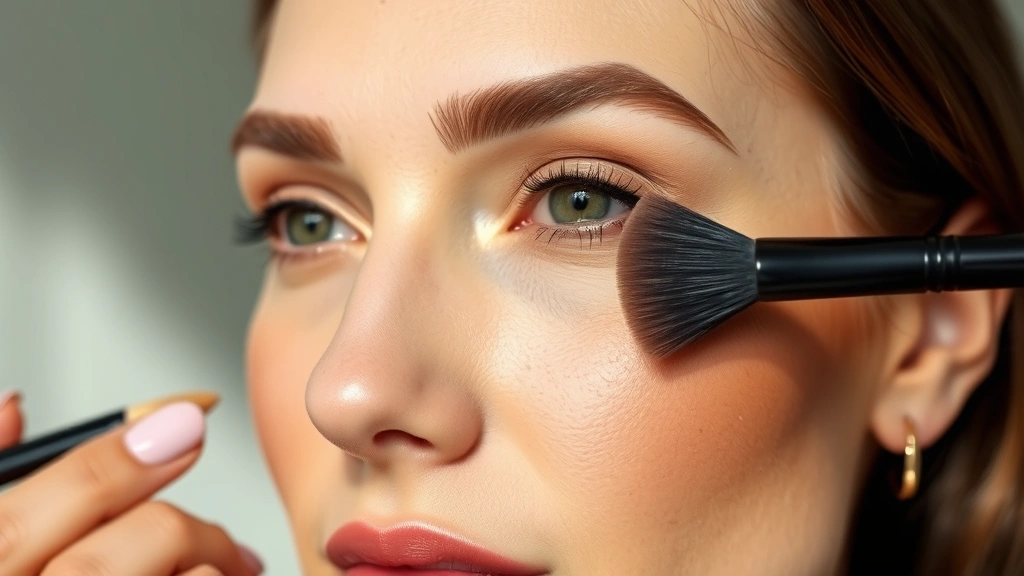
Master Face Contouring: Expert Techniques Revealed
Master Face Contouring: Expert Techniques Revealed
Face contouring has become a fundamental makeup technique that transforms your natural features by using light and shadow to create dimension, balance, and definition. Whether you’re preparing for a special event or refining your everyday look, understanding how to contour your face properly can dramatically enhance your appearance and boost your confidence. This comprehensive guide breaks down professional contouring methods that work for every face shape and skin tone.
Contouring isn’t just about applying dark makeup under your cheekbones—it’s a strategic art form that requires understanding facial anatomy, light reflection, and color theory. By mastering these expert techniques, you’ll learn to highlight your best features while subtly minimizing areas you’d prefer to downplay. The beauty of contouring is that it’s entirely customizable to your unique face structure and personal preferences.
Understanding Face Contouring Basics
Face contouring works on a simple principle: darker shades recede and create shadows, while lighter shades advance and draw attention. This optical illusion allows you to reshape your face without any invasive procedures. The technique originated in theatrical makeup and has evolved into an everyday beauty practice that celebrities and makeup artists use to perfect their looks.
The concept relies on understanding how light hits your face naturally. When you apply a darker shade to areas you want to minimize—such as the sides of your nose or beneath your cheekbones—you’re essentially mimicking natural shadows that would occur if those areas were naturally set back. Conversely, highlighting brings forward features you want to emphasize, creating the appearance of higher cheekbones or a more prominent brow bone.
Before diving into application techniques, it’s crucial to identify your face shape. Common face shapes include oval, round, square, heart, oblong, and diamond. Each shape benefits from different contouring strategies. An oval face, considered the most balanced, requires minimal contouring, while a round face benefits from more strategic shadowing to create definition.
Essential Tools and Products
Success in contouring depends heavily on having the right tools and products. Investing in quality brushes, sponges, and makeup formulas will significantly improve your results and make the application process smoother and more enjoyable.
Brushes and Applicators: You’ll need several brush types for proper contouring application. A quality makeup brush set should include angled brushes for precise placement, fluffy blending brushes for seamless transitions, and smaller brushes for detailed work around the nose and eyes. Stippling brushes are excellent for building coverage gradually, while beauty sponges work wonderfully for blending cream products.
Product Options: Contouring products come in multiple formulas, each with distinct advantages. Cream contour offers blendability and works beautifully on dry skin, providing a natural finish. Powder contour applies quickly and works well for oily skin types, though it requires careful blending to avoid harsh lines. Stick formulas offer convenience and precise application, making them perfect for on-the-go touch-ups. Liquid contour provides buildable coverage and seamless blending, ideal for photography or professional settings.
Choose products that are one to two shades darker than your natural skin tone for the most natural-looking results. If you select shades that are too dark, you risk creating muddy, unflattering shadows that look artificial. Similarly, your highlighting products should be one to two shades lighter than your skin tone for optimal dimension without appearing chalky.
Color Considerations: While brown and taupe shades work for many skin tones, deeper skin tones often benefit from warmer, richer contour shades with red or orange undertones. Fair skin tones typically look best with cooler-toned contour products. The key is matching your contour shade to your undertone rather than your surface skin color.
Contouring for Different Face Shapes
Customizing your contouring technique to your specific face shape ensures the most flattering results. Here’s how to approach each common face shape:
Round Face: Round faces benefit from contouring that creates angular definition. Apply contour to the hollows of your cheeks using a systematic approach by sucking in your cheeks to locate the exact placement. Contour along your jawline with upward strokes to create definition, and apply shade to the temples and sides of your forehead to minimize width. Highlight the center of your forehead and down the bridge of your nose to draw focus to the center of your face.
Square Face: Square faces have prominent jawlines that benefit from softening. Apply contour along the jawline, focusing on the corners where they’re most prominent. Shade your temples and the sides of your forehead to minimize their width. The goal is to create the illusion of a more tapered, less angular face. Highlight your cheekbones and the center of your face to draw attention upward.
Oblong Face: Oblong faces are longer than they are wide and benefit from width-adding techniques. Apply contour across your forehead horizontally to shorten its appearance, and shade under your chin to reduce length. Highlight your cheekbones prominently to add width, and consider applying contour to the center of your chin to minimize its length.
Heart Face: Heart-shaped faces are wider at the forehead and narrower at the chin. Apply contour to your temples and the outer edges of your forehead to minimize width. Highlight and enhance your chin to create balance, and use contour strategically under your cheekbones. This shape benefits from drawing attention downward rather than to the forehead.
Diamond Face: Diamond faces are narrow at the forehead and chin but wide at the cheekbones. Apply contour to the sides of your cheekbones to reduce their prominence, and shade your temples and jawline. Highlight your forehead and chin to create balance, bringing attention to these narrower areas.
Oval Face: Oval faces are naturally well-proportioned and require minimal contouring. Focus on subtle definition under the cheekbones and along the jawline. This face shape works well with enhanced highlighting techniques to add dimension without heavy shadowing.
Step-by-Step Contouring Application
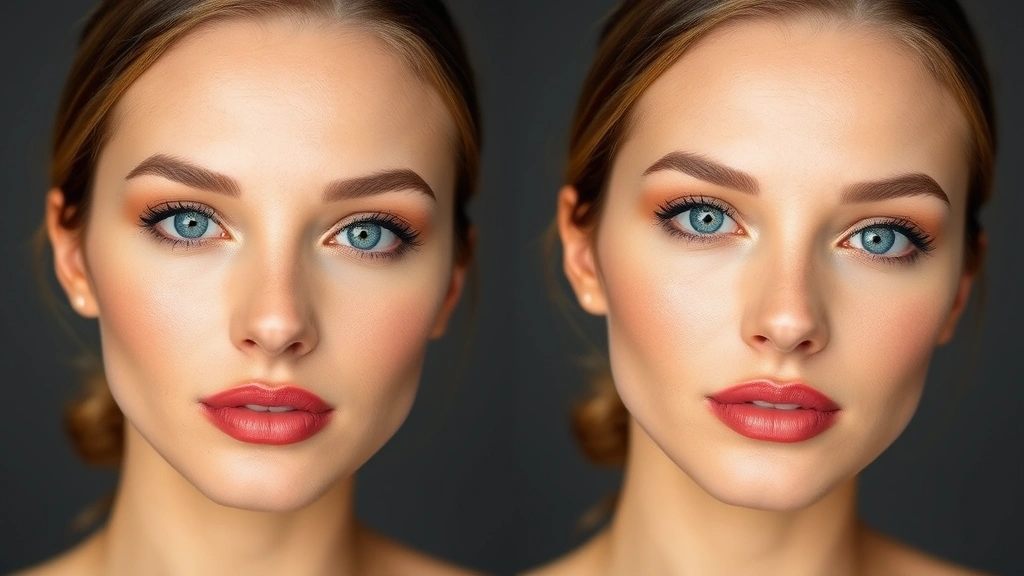
Follow this systematic approach to apply contour like a professional. Proper application technique ensures seamless blending and natural-looking results that enhance rather than mask your features.
Preparation: Begin with a clean, moisturized face and apply primer to create a smooth base for makeup application. Primer helps products blend more easily and extends wear time throughout the day. Allow your primer to set for a few minutes before applying foundation, which should match your skin tone perfectly for an undetectable base.
Foundation Application: Apply foundation evenly across your entire face, blending thoroughly with a damp beauty sponge or brush. Your foundation should be completely seamless before you begin contouring, as it serves as your canvas. Take time to ensure even coverage, particularly around your nose and jawline where lines often form.
Contour Placement: Using an angled brush or contour stick, apply your contour shade to the hollows of your cheeks. To find these hollows accurately, suck in your cheeks and apply the product along the hollow area, blending upward toward your temples. Apply contour along your jawline using upward strokes, focusing on creating definition rather than a harsh line. Shade the sides of your nose to create the illusion of a narrower bridge, and apply contour under your chin to create definition and minimize its prominence.
Blending Technique: This step is absolutely critical for professional results. Use a fluffy blending brush with circular motions to blend your contour seamlessly into your foundation. Take your time with this process—rushed blending results in visible lines and an unnatural appearance. Work in small sections, ensuring each area transitions smoothly into the surrounding skin. The goal is for observers to notice your enhanced features, not the makeup itself.
Nose Contouring: To contour your nose, apply shade to both sides of your nose bridge, blending thoroughly down toward your nostrils. If you want to minimize nose width, focus shade on the sides. For a shorter nose appearance, apply shade across the tip. Remember that noses are central to your face, so subtle contouring works better than heavy application.
Highlighting and Blending Techniques
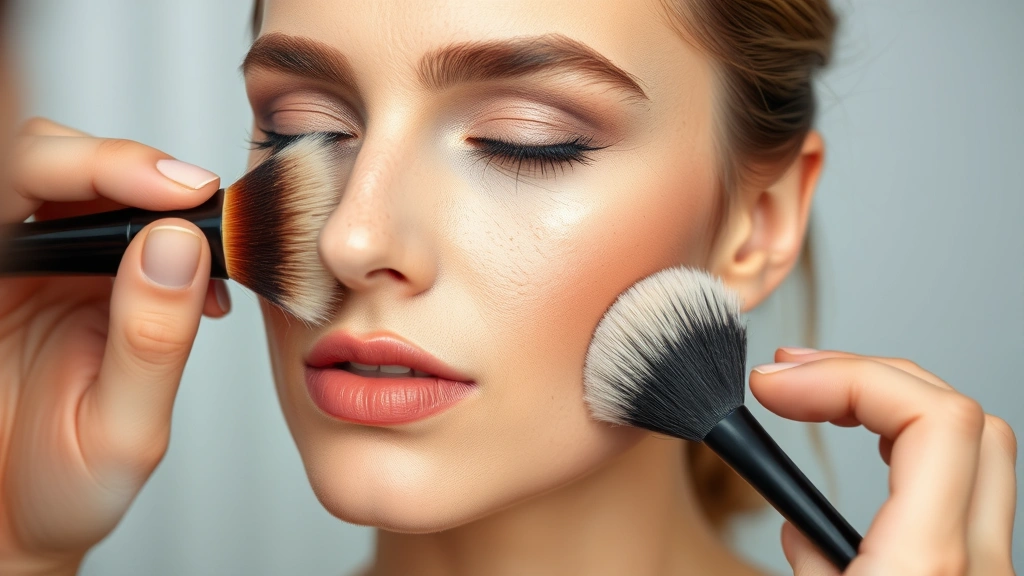
Highlighting is equally important as contouring and creates the dimension that makes your face appear sculpted and radiant. Strategic highlighting draws attention to your best features and completes the contouring effect.
Highlight Placement: Apply highlighter to the high points of your face where light naturally hits: the tops of your cheekbones, the bridge of your nose, your brow bone, and the center of your forehead. Many makeup artists also apply subtle highlighting to the inner corners of the eyes and above the lip to create a lifted, youthful appearance. The key is using the right amount—too much highlighter appears greasy and unflattering, while too little fails to create the desired dimension.
Highlighting Products: Liquid and cream highlighters blend seamlessly and work beautifully over foundation, creating a natural glow. Powder highlighters offer more control and work well for oily skin types. Stick highlighters provide precise application and work wonderfully for touch-ups throughout the day. Consider your skin type when selecting your highlighting formula—oily skin benefits from powder formulas, while dry skin looks best with cream or liquid options.
Blending Strategies: The difference between amateur and professional contouring lies in blending execution. Use a clean, fluffy brush to blend both your contour and highlight seamlessly. Work in circular motions, gradually expanding your blending area to ensure no harsh lines remain. For cream products, a damp beauty sponge creates the most seamless blend. For powder products, use a large fluffy brush with light pressure to blend without disturbing your foundation.
Setting Your Makeup: Once you’ve completed contouring and highlighting, set your makeup with a translucent powder to ensure longevity. Apply powder with a light hand using a large fluffy brush, focusing on areas prone to oiliness. Setting spray adds extra hold and creates a more polished, long-lasting finish that maintains your contouring throughout the day.
Common Contouring Mistakes
Even experienced makeup wearers make contouring errors that undermine their results. Learning to avoid these common pitfalls ensures consistently beautiful contouring.
Shade Selection Errors: Choosing contour that’s too dark is the most common mistake. This creates obvious, unflattering shadows that appear muddy and unnatural. Select shades that are only one to two shades darker than your skin tone. Similarly, avoid contour with mismatched undertones—warm undertones should pair with warm contour, while cool undertones work best with cool-toned shades.
Over-Application: More product doesn’t equal better results. In fact, over-applying contour often leads to heavy, obvious makeup that looks painted on rather than naturally enhanced. Build your contouring gradually, starting with light application and adding more product only where needed. This approach gives you better control and more natural-looking results.
Insufficient Blending: Harsh lines and visible contour edges indicate inadequate blending. Spend adequate time blending with a clean brush, using gentle circular motions to create seamless transitions. Your contouring should be undetectable as makeup—observers should simply notice your enhanced features.
Ignoring Your Lighting: Contouring looks different under various lighting conditions. What appears perfect in natural daylight might look too heavy under artificial lighting, and vice versa. Practice your contouring technique in the lighting where you’ll spend most of your time, whether that’s office lighting, natural window light, or photography settings.
Skipping the Highlight: Contouring without highlighting creates a flat, overly shadowed appearance. Highlighting is essential for completing the contouring effect and creating the dimension that makes your face appear sculpted. Never skip the highlighting step, as it balances the shadow work and creates a polished, finished look.
Pro Tips for Flawless Results
Professional makeup artists use specific techniques and tricks to achieve flawless contouring that looks like a natural enhancement rather than makeup application. Incorporate these expert strategies into your routine:
Use Reference Photos: Study makeup looks you admire and analyze the contouring placement. Understanding how professionals approach different face shapes and features helps you adapt techniques to your own face. Save reference photos and try to recreate the look, adjusting placement to suit your specific face structure.
Practice Regularly: Like any skill, contouring improves with practice. Dedicate time to practicing your technique, experimenting with different products, and refining your application. Keep a makeup journal documenting which products and techniques work best for your specific features and skin type.
Invest in Quality Brushes: Professional brushes make an enormous difference in application ease and final results. Quality brushes blend more smoothly, pick up the right amount of product, and last longer than budget options. Consider them an investment in your makeup routine.
Consider Professional Training: Many makeup artists offer classes teaching contouring techniques. Professional instruction provides personalized feedback and accelerates your learning curve significantly. Even one session with a professional can transform your understanding and application skills, much like learning proper maintenance techniques for other areas of your life.
Adapt to Your Skin Type: Your skin type significantly impacts which products and techniques work best for you. Oily skin benefits from powder formulas and extra setting, while dry skin looks best with cream products and hydrating primers. Understanding your skin and selecting appropriate products ensures your contouring looks fresh and polished all day.
Use Layering Techniques: Professional makeup artists often layer products to build dimension gradually. Start with light application, assess your results, and add more product strategically. This approach gives you better control and prevents the over-contouring that creates harsh, obvious results.
Master Blending Motions: Different blending motions create different effects. Circular motions blend products seamlessly, while stippling motions (dabbing) build coverage gradually. Directional blending (following your facial structure) creates natural-looking dimension. Experiment with different blending techniques to discover which works best for your preferences.
Customize to Your Features: Not every contouring technique works for every person. Your unique facial structure, skin tone, and personal preferences should guide your approach. Don’t feel pressured to follow trends that don’t suit your features. Instead, use contouring principles to enhance your natural beauty in ways that feel authentic to you.
FAQ
What’s the difference between contouring and bronzing?
Contouring uses matte, cool-toned shades to create shadows and definition, while bronzing applies warm, shimmery products to add warmth and dimension. Bronzer is typically applied to areas the sun would naturally hit your face, creating an overall glow. Contouring is more strategic and precise, targeting specific facial features to reshape them. You can use both techniques together for comprehensive facial enhancement.
Can I contour if I have oily skin?
Absolutely. Oily skin actually works beautifully with powder contouring products, which help control shine while providing definition. Use a mattifying primer before contouring, select powder formulas, and set your makeup thoroughly with translucent powder. Oil-control products and blotting papers throughout the day help maintain your contouring.
How long does it take to master contouring?
Most people see improvement within two to four weeks of regular practice. However, truly mastering contouring—developing the muscle memory and understanding to adapt techniques to different situations—typically takes several months of consistent practice. Professional makeup artists spend years refining their skills, but you can achieve beautiful results much sooner with dedication.
Is contouring appropriate for everyday wear?
Yes, contouring can be adapted for everyday wear. Rather than heavy shadowing, use subtle contouring focused on your most prominent features. Light contouring under the cheekbones and along the jawline provides definition without appearing overdone. Many people find that subtle daily contouring boosts their confidence without requiring dramatic makeup application.
What products work best for beginners?
Cream contour sticks are ideal for beginners because they’re forgiving, easy to blend, and provide precise application. Liquid contour also works well for those learning because it offers buildable coverage and seamless blending. Avoid powder formulas initially, as they require more blending skill to avoid harsh lines. Once you’ve mastered technique, explore other formulas to find your preferences.
Can I use the same shade for contouring and bronzing?
While they serve different purposes, you can use the same shade if it matches your undertone and skin depth. However, bronzing typically uses warmer, slightly lighter shades than contouring. Using separate products gives you more control and allows you to customize each element of your makeup. As you develop your skills, experimenting with using similar shades can create cohesive, harmonious looks.
How do I prevent my contouring from looking muddy?
Muddy contouring typically results from using shades that are too dark or have mismatched undertones. Select contour one to two shades darker than your skin, matching your undertone precisely. Ensure thorough blending with a clean brush—incomplete blending concentrates product and creates muddy appearance. Additionally, using less product initially and building gradually prevents the heavy application that creates muddy results.

Related Posts

Superscript in Google Docs: Expert Tips

Strikethrough in Excel: Easy Steps for Beginners
