
Can You Safely Click Your Hip? Expert Advice
Can You Safely Click Your Hip? Expert Advice on Joint Sounds and Safety
Hip clicking, popping, and cracking sounds are common experiences that affect millions of people daily. Whether you’re climbing stairs, sitting down after a long day, or simply stretching, that distinctive clicking sensation in your hip joint can be startling. Many people wonder if these sounds indicate a serious problem or if they’re completely harmless. The truth is more nuanced than a simple yes or no answer, and understanding what causes hip clicking is essential for maintaining joint health and knowing when to seek professional help.
The hip is one of the body’s largest and most complex joints, bearing significant weight and facilitating a wide range of motion. When you hear or feel clicking in this crucial joint, it’s natural to be concerned. However, most hip clicking is benign and doesn’t require medical intervention. That said, certain types of hip sounds can signal underlying issues that deserve attention. This comprehensive guide will help you understand the mechanics behind hip clicking, identify when it’s safe, recognize warning signs, and learn effective strategies for maintaining hip health.
Understanding Hip Joint Anatomy
To comprehend why your hip clicks, you need to understand the basic anatomy of this remarkable joint. The hip is a ball-and-socket joint where the rounded head of the femur (thighbone) fits into the acetabulum (hip socket). This design allows for extensive movement in multiple directions while providing stability for weight-bearing activities. The joint is surrounded by cartilage, ligaments, tendons, and muscles that work together to enable smooth movement and protect the bone structures.
The hip joint is cushioned by articular cartilage, a smooth tissue that reduces friction between bones. Surrounding this cartilage is the synovial capsule, which produces synovial fluid—a lubricant that keeps the joint functioning smoothly. When you move your hip, all these components work in perfect synchronization. However, various factors can disrupt this harmony, leading to the clicking sensations you experience. Understanding these mechanical aspects helps explain why some clicks are harmless while others might indicate problems.
The muscles and tendons around your hip are equally important. The gluteal muscles, hip flexors, adductors, and external rotators all contribute to hip stability and movement. When these soft tissues become tight, weak, or imbalanced, they can create clicking sounds or sensations. This is why maintaining proper muscle flexibility and strength is crucial for hip health. Many people who experience hip clicking find relief through targeted exercises and stretching routines that address muscle imbalances.
What Causes Hip Clicking Sounds
Hip clicking can result from several different mechanisms, each producing slightly different sensations and sounds. The most common cause is cavitation, the same phenomenon that occurs when you crack your knuckles. When you move your hip joint, the pressure inside the synovial capsule changes. Gas bubbles (primarily nitrogen) form and collapse within the synovial fluid, producing a popping or clicking sound. This process is completely normal and generally harmless, though it can be startling when it happens unexpectedly.
Another frequent cause of hip clicking involves tendons and ligaments snapping over bony prominences. As you move your hip through various ranges of motion, the iliotibial band (a thick band of connective tissue running along the outside of your thigh) or other soft tissues may shift position slightly, creating a clicking or popping sensation. This is often called “snapping hip syndrome” and is particularly common in athletes and active individuals. While usually painless, this condition can sometimes lead to irritation if the snapping occurs repeatedly.
Labral tears and cartilage damage represent more serious causes of hip clicking. The labrum is a ring of cartilage that deepens the hip socket and helps stabilize the joint. When this tissue tears, it can create a catching or clicking sensation, often accompanied by pain or a feeling of instability. Similarly, osteoarthritis—the degeneration of articular cartilage—can produce clicking sounds as roughened surfaces move against each other. These conditions typically require professional evaluation and treatment.
Muscle imbalances and tightness frequently contribute to hip clicking. When certain muscles become overactive or tight while others weaken, the hip joint doesn’t move through its normal path. This altered movement pattern can create clicking or popping sensations. Poor posture and sedentary lifestyles exacerbate these imbalances, making hip clicking more likely. Addressing muscle imbalances through targeted exercises is often an effective way to reduce clicking and improve overall hip function.
Bursitis—inflammation of the fluid-filled sacs (bursae) that cushion the hip joint—can also produce clicking sensations. The bursae reduce friction between bones, tendons, and muscles. When these structures become inflamed due to overuse, injury, or prolonged pressure, they can create clicking or popping sounds alongside pain and swelling. This condition often responds well to rest, ice, and anti-inflammatory measures, though persistent cases may require professional treatment.
Is Hip Clicking Safe
In most cases, hip clicking is completely safe and requires no treatment or concern. If your hip clicks without pain, swelling, or limitation of movement, you likely have nothing to worry about. The cavitation process that produces most clicking sounds is the same mechanism behind knuckle cracking—harmless and often provides a sense of relief. Many people find that gentle movement and stretching actually reduces the frequency of hip clicks, suggesting that the clicking itself isn’t harmful.
The key distinction lies between asymptomatic clicking and clicking accompanied by other symptoms. Asymptomatic clicking—that is, clicking without pain, instability, or functional limitation—is almost always benign. Studies have shown that people with painless joint sounds have no increased risk of developing arthritis or other joint problems. This finding should reassure anyone experiencing simple hip clicking without additional symptoms. The clicking is your body’s normal response to joint movement and pressure changes.
However, you should recognize that clicking can become problematic if it develops into a pattern that indicates underlying structural damage. For example, if your hip clicking is accompanied by a catching sensation that temporarily limits your movement, or if the clicking becomes more frequent and pronounced over time, these changes warrant professional evaluation. Additionally, if clicking appears suddenly after an injury, you should have it assessed by a healthcare provider.
When considering whether hip clicking is safe, also evaluate your overall hip health. If you have excellent hip mobility, strong stabilizing muscles, and no pain or functional limitations, occasional clicking poses no danger. However, if you’re experiencing hip clicking alongside other signs of hip dysfunction—such as difficulty with certain movements, pain during exercise, or instability—addressing the underlying issue becomes important. This is why a comprehensive approach to hip health, rather than focusing solely on the clicking sound, is most beneficial.
The safety of hip clicking also depends on how you respond to it. Deliberately trying to crack your hip repeatedly by forcing specific movements isn’t advisable, as this could potentially stress the joint or surrounding tissues. Instead, allow clicks to happen naturally during normal movement. If you want to reduce clicking, focus on improving hip strength, flexibility, and movement patterns rather than attempting to provoke or prevent individual clicks.
When to Worry About Hip Sounds
While most hip clicking is harmless, certain characteristics should prompt you to seek professional evaluation. The most important warning sign is pain accompanying the clicking. If your hip clicks and hurts, this suggests inflammation, structural damage, or muscular strain that requires assessment. Pain is your body’s signal that something isn’t functioning properly, and you shouldn’t ignore it. Similarly, if clicking is accompanied by swelling, warmth, or redness around the hip joint, these signs indicate inflammation that warrants medical attention.
Catching sensations represent another red flag. If your hip clicking is accompanied by a momentary catch or lock in movement—where your hip temporarily feels stuck before releasing—this could indicate a labral tear or loose cartilage fragment. These mechanical problems often require imaging and professional treatment to prevent further damage. Catching is distinctly different from simple clicking; it involves a functional limitation that interrupts smooth movement.
Changes in the pattern of your hip clicking deserve attention. If you’ve had painless clicking for years and suddenly it becomes more frequent, louder, or painful, something has changed in your hip joint. This progression could indicate early osteoarthritis, a new injury, or development of bursitis. Similarly, if clicking appears suddenly after an injury or accident, have it evaluated to rule out structural damage. New or changing symptoms always warrant professional assessment.
Instability or a sense of the hip “giving way” is a serious warning sign. If your hip clicking is accompanied by feelings of instability, weakness, or episodes where your leg suddenly feels unreliable, this suggests significant structural or muscular problems. These symptoms could indicate labral pathology, muscle weakness, or proprioceptive dysfunction. Professional evaluation is essential to identify the underlying cause and prevent injury.
Functional limitations related to hip clicking also warrant concern. If the clicking limits your ability to perform daily activities, exercise, or work, or if it’s progressively worsening your hip function, professional evaluation is appropriate. You might compare this situation to experiencing issues with your home’s plumbing—if you notice water pressure changes or strange sounds, it’s worth having a professional inspect the system before small problems become major repairs. Similarly, addressing hip concerns early often prevents more serious problems from developing.
Age-related considerations also matter. While hip clicking can occur at any age, if you’re over 50 and experiencing new clicking along with any pain or stiffness, osteoarthritis should be considered. Early identification of arthritis allows you to implement management strategies that slow progression and maintain function. Younger individuals with clicking should be evaluated if symptoms change, but are less likely to have degenerative joint disease.
Prevention and Maintenance Strategies
Maintaining hip health is the best way to minimize problematic clicking and ensure long-term joint function. One of the most important strategies is maintaining adequate hip flexibility. Tight hip muscles—particularly the hip flexors, glutes, and external rotators—alter joint mechanics and increase the likelihood of clicking and pain. Regular stretching, particularly after exercise when muscles are warm, helps maintain the range of motion your hip joint needs for optimal function. Dedicating just 10-15 minutes daily to hip stretching can significantly improve flexibility.
Strengthening the muscles that support your hip is equally crucial. The gluteal muscles, in particular, play a vital role in hip stability and movement control. Weak glutes force other muscles to compensate, creating imbalances that lead to clicking and dysfunction. Exercises like clamshells, bridges, and lateral band walks specifically target these stabilizer muscles. Building strength in these areas not only reduces clicking but also improves athletic performance and protects against injury.
Maintaining healthy body weight reduces stress on your hip joint. Every pound of extra weight increases the load your hip must support, accelerating wear and tear. Even modest weight loss can significantly reduce hip stress and improve function. Combined with regular exercise and proper nutrition, weight management is a cornerstone of long-term hip health.
Proper posture throughout the day prevents hip dysfunction. Prolonged sitting with poor posture—slouching, crossing legs, or sitting asymmetrically—creates muscle imbalances and alters hip mechanics. When working at a desk, position yourself so your hips are level and your knees are at approximately 90 degrees. Regular position changes and standing breaks throughout the day help prevent the stiffness and imbalance that comes with prolonged sitting.
Gradual progression in exercise intensity protects your hips from overuse injuries. Whether you’re a runner, athlete, or fitness enthusiast, increasing activity too quickly strains tissues and causes inflammation. Follow the general rule of increasing training volume by no more than 10% per week. This gradual approach allows your body to adapt without overwhelming your hip structures.
Proper footwear and running mechanics are important for active individuals. Worn-out shoes with inadequate support alter your gait and increase hip stress. If you run, consider having your gait analyzed by a professional to identify any biomechanical issues. Poor running form can create excessive stress on your hip joint, leading to clicking and pain. Making corrections to your technique can prevent these problems.
Exercises and Stretches for Hip Health
Implementing a targeted exercise program is one of the most effective ways to address hip clicking and prevent future problems. These exercises address the muscle imbalances and weakness that often contribute to hip dysfunction. Perform these movements 4-5 times weekly for optimal results, and stop immediately if any exercise causes pain.
Clamshells target the gluteus medius, a critical hip stabilizer. Lie on your side with knees bent and feet together. Keeping your feet in contact, open your top knee toward the ceiling, then close it. Perform 15-20 repetitions on each side. This simple exercise builds strength in the outer hip, improving stability and reducing compensatory movements that create clicking.
Glute Bridges activate and strengthen your gluteal muscles. Lie on your back with knees bent and feet flat on the floor. Push through your heels to lift your hips toward the ceiling, creating a straight line from knees to shoulders. Hold for 2-3 seconds and lower. Complete 15-20 repetitions. This exercise engages the entire posterior chain and improves hip stability.
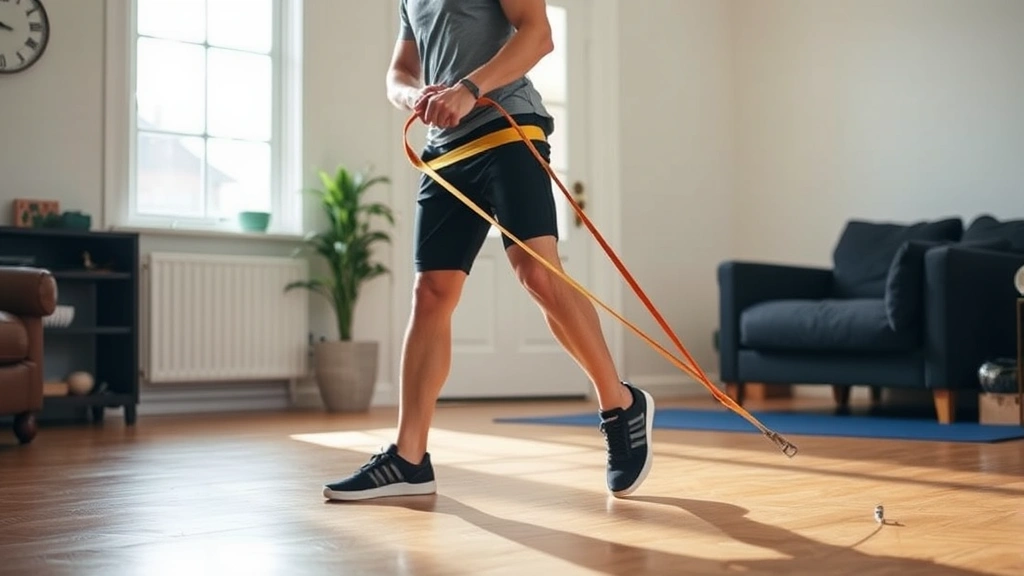
Lateral Band Walks strengthen the hip abductors. Place a resistance band around your legs just above your knees. Maintain a slight squat position and take controlled steps to the side, keeping tension on the band. Complete 10-15 steps in each direction. This exercise builds lateral hip strength essential for stability during movement.
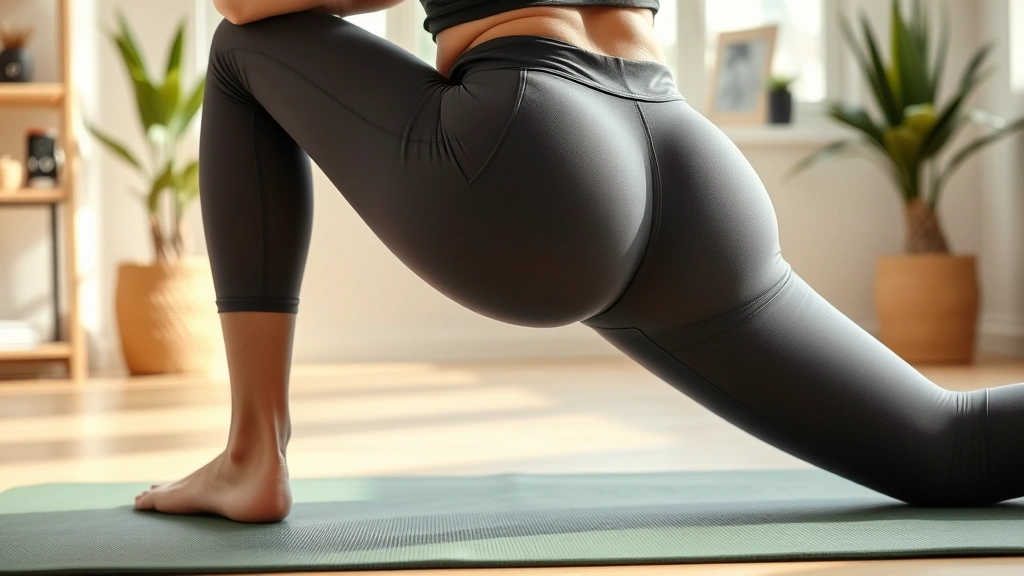
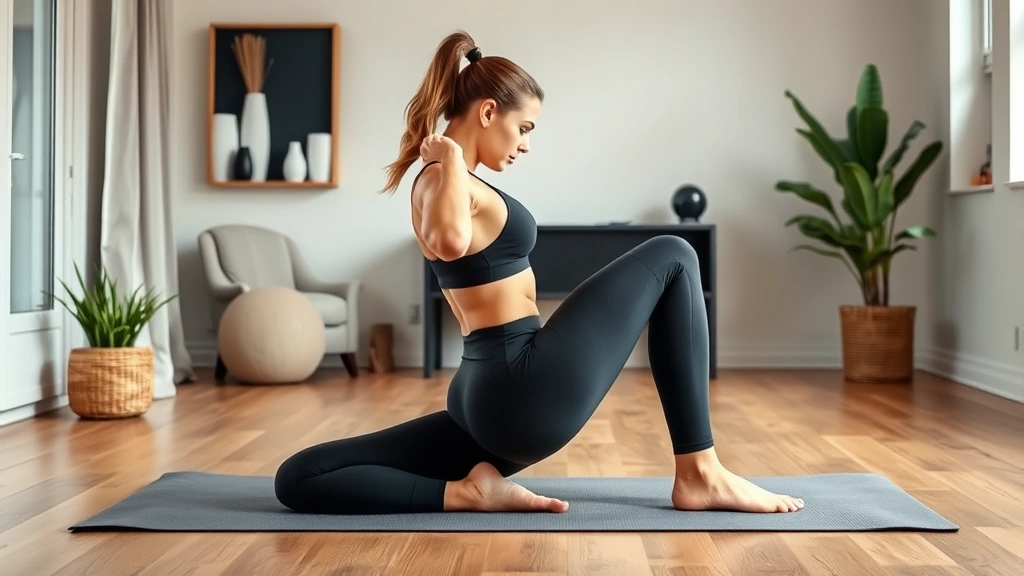
Hip Flexor Stretches address tightness in the front of your hip. From a half-kneeling position, shift your weight forward until you feel a stretch in the front of your hip. Hold for 30 seconds on each side. Tight hip flexors are a common cause of hip dysfunction and clicking, making this stretch essential for most people.
Pigeon Pose stretches the external rotators and glutes. From a hands-and-knees position, bring one knee forward toward your same-side hand, then lower your hips toward the ground. Hold for 30-60 seconds on each side. This yoga-inspired stretch is particularly effective for releasing tension in the hip joint and surrounding muscles.
Clam Stretches combine stretching with mild strengthening. Lie on your side and bring your top knee toward your chest, then open it toward the ceiling. Complete 10-15 slow, controlled repetitions on each side. This movement improves both flexibility and strength in the hip external rotators.
For those interested in more comprehensive home maintenance guidance, visiting a home improvement resource can provide additional tips on maintaining your living space while you work on your physical health. Interestingly, the dedication to maintaining your home parallels the commitment needed for maintaining your body—both require consistent attention and preventive care.
When to See a Doctor
Knowing when to seek professional evaluation is crucial for protecting your hip health. Schedule an appointment with your primary care physician or an orthopedic specialist if your hip clicking is accompanied by pain that persists for more than a few days, even if the pain is mild. Pain is the body’s warning system, and professional evaluation can identify the cause before it becomes more serious.
Seek immediate medical attention if you experience sudden onset of hip pain, significant swelling, inability to bear weight on the affected leg, or signs of infection such as fever and warmth around the joint. These symptoms could indicate serious conditions requiring prompt treatment. Additionally, if you have a history of hip problems or prior injuries and new symptoms develop, professional assessment is appropriate.
If your hip clicking is accompanied by other symptoms such as groin pain, pain that radiates down your leg, or symptoms that interfere with sleep, these warrant evaluation. These patterns could indicate various hip conditions ranging from muscle strains to labral tears to arthritis. A healthcare provider can perform physical examinations and order imaging studies to identify the specific problem.
Consider seeking evaluation if conservative measures haven’t improved your symptoms after 4-6 weeks. If you’ve implemented stretching and strengthening exercises, modified your activities, and applied ice without improvement, professional guidance can identify what you might be missing. Sometimes specific issues require targeted treatment beyond general hip maintenance.
For individuals over 50 experiencing new hip symptoms, professional evaluation is particularly important. At this age, osteoarthritis becomes more common, and early identification allows for proactive management. Your doctor can assess your hip function and recommend appropriate strategies to slow any degenerative changes and maintain your quality of life.
When you visit a healthcare provider about hip clicking, come prepared to describe your symptoms in detail. Note when the clicking occurs, what activities provoke or relieve it, whether pain accompanies it, and how it’s affecting your function. This information helps your provider make an accurate diagnosis. They may recommend physical therapy, imaging studies, or other interventions based on their findings. Think of this consultation similarly to diagnosing problems in complex home systems—detailed information about the issue helps identify the best solution.
FAQ
Is it safe to intentionally crack your hip like you crack your knuckles?
While occasional natural hip clicking is harmless, deliberately forcing your hip to crack by stretching or positioning it in specific ways isn’t advisable. Intentional joint cracking can stress the joint capsule and surrounding tissues. Allow clicks to happen naturally during normal movement rather than actively seeking them out. If you want to reduce clicking, focus on improving hip strength and flexibility through proper exercises.
Can hip clicking lead to arthritis?
No, painless hip clicking does not cause or lead to arthritis. Studies have consistently shown that people with asymptomatic joint sounds have no increased risk of developing osteoarthritis compared to those without joint sounds. However, if clicking is accompanied by pain or other symptoms, addressing the underlying issue is important to prevent potential future problems.
What’s the difference between hip clicking and hip popping?
Hip clicking and popping typically result from the same cavitation process, though they may feel or sound slightly different depending on the size and location of the gas bubble release. Snapping sensations usually involve tendons or ligaments moving over bony structures. All three are generally benign if painless, but any accompanied by discomfort warrants professional evaluation.
How long does it take to improve hip clicking through exercise?
Most people notice improvements in hip clicking within 4-6 weeks of consistent exercise and stretching. However, some individuals may experience changes more quickly or slowly depending on the underlying cause and their starting fitness level. Consistency is more important than intensity; performing exercises regularly is more effective than occasional intense sessions.
Can poor posture cause hip clicking?
Yes, poor posture contributes significantly to hip dysfunction and clicking. Prolonged slouching, asymmetrical sitting, and forward head posture create muscle imbalances that alter hip mechanics. Improving your posture and maintaining proper alignment throughout the day reduces these imbalances and often decreases clicking. This is similar to how proper maintenance prevents problems in home systems—prevention through proper positioning is more effective than addressing problems after they develop.
Should I avoid exercise if my hip clicks?
You don’t need to avoid exercise because of painless clicking. In fact, appropriate exercise often reduces clicking by improving hip strength and mobility. However, avoid movements that cause pain or instability. If clicking is accompanied by pain, modify your activities until you’ve had professional evaluation. Gentle movement and stretching are generally beneficial for most types of hip clicking.
What role does weight play in hip clicking?
Excess body weight increases the load on your hip joint, accelerating wear and tear and potentially increasing clicking and dysfunction. Weight management through proper nutrition and regular exercise reduces hip stress and often improves function. Even modest weight loss—5-10% of body weight—can significantly reduce hip symptoms and improve overall joint health.
Can hip clicking indicate a serious injury?
Painless hip clicking is rarely indicative of serious injury. However, if clicking appears suddenly after an accident or injury and is accompanied by pain, swelling, or instability, professional evaluation is important. Similarly, if clicking is accompanied by a catching sensation or significant functional limitation, structural damage such as a labral tear should be considered. The presence of pain or functional limitation distinguishes concerning clicking from benign variants.

Related Posts

Superscript in Google Docs: Expert Tips

Strikethrough in Excel: Easy Steps for Beginners
