
Remove Rust from Cast Iron? Expert Techniques
How to Remove Rust from Cast Iron: Expert Techniques
Cast iron cookware is a kitchen treasure that can last generations, but rust can quickly compromise its non-stick surface and functionality. Whether you’ve inherited a rusty skillet or neglected your favorite pan, the good news is that removing rust from cast iron is entirely achievable with the right approach. This guide walks you through proven methods used by restoration experts and home cooks alike, ensuring your cast iron returns to its former glory.
Rust forms on cast iron when moisture and oxygen interact with the metal, breaking down the protective seasoning layer. The extent of rust damage determines which removal method works best for your situation. From gentle abrasive techniques to chemical solutions, you’ll discover multiple pathways to restore your cookware without damaging the underlying metal. Understanding these techniques empowers you to tackle even severely corroded pieces with confidence.
Understanding Cast Iron Rust
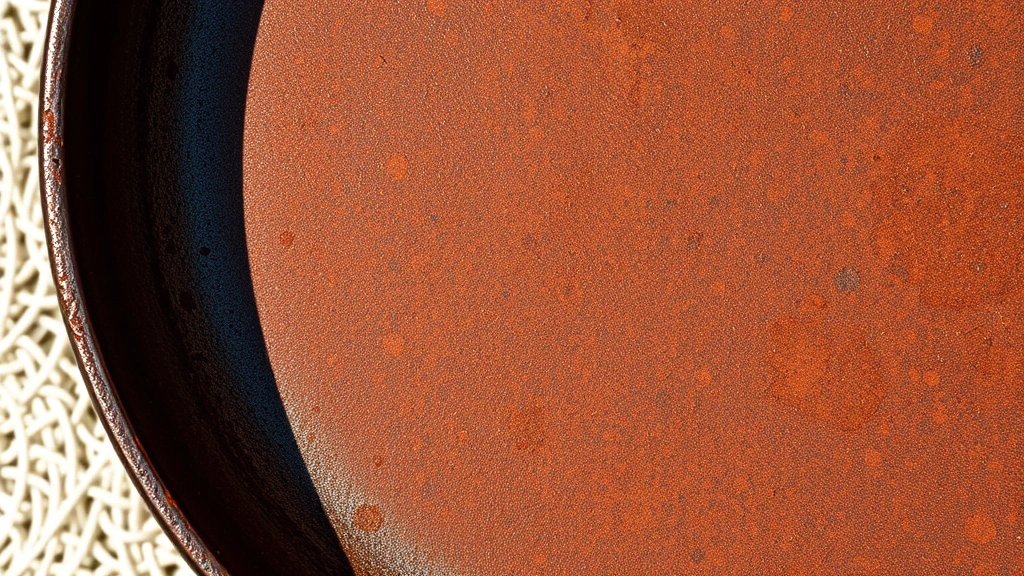
Cast iron’s porous surface is susceptible to rust formation because the metal contains iron, which oxidizes when exposed to moisture and air. Unlike stainless steel cookware, cast iron relies on a protective seasoning—a polymerized oil layer—to prevent rust development. When this seasoning degrades through improper cleaning, storage in humid environments, or extended non-use, rust can develop rapidly across the cooking surface and exterior.
Surface rust appears as a reddish-brown discoloration and is the easiest type to remove. Deeper rust penetrates into the cast iron’s porous structure, creating pitting that may be permanent. Understanding the rust depth helps you select the most appropriate removal method. Light surface rust requires minimal intervention, while severe pitting may necessitate more aggressive techniques. Similar to how you might remove rust from stainless steel, cast iron restoration follows systematic principles, though the methods differ significantly due to cast iron’s unique properties.
The chemistry of rust removal involves breaking the oxidation bond without damaging the base metal. Different removal methods target rust through mechanical abrasion, chemical dissolution, or electrochemical processes. Each approach has distinct advantages depending on your rust severity, available tools, and time commitment.
Assessment and Preparation
Before beginning rust removal, thoroughly inspect your cast iron piece to determine rust extent. Run your fingers across the surface—light surface rust feels rough and may brush away easily, while deep rust creates visible pitting or flaking. Assess whether rust covers the entire piece or concentrated areas, as this influences your method selection.
Preparation involves gathering your workspace and materials. Work in a well-ventilated area, preferably outdoors or near an open window, especially when using vinegar or chemical solutions. Lay down newspaper or a drop cloth to protect surfaces from rust particles and residual moisture. Have clean cloths, paper towels, and your chosen removal tools readily accessible.
Rinse the cast iron piece under running water to remove loose rust particles and debris. Use a soft brush or cloth to gently wipe away surface contamination. Dry the piece completely with a towel—any remaining moisture will interfere with rust removal effectiveness and may accelerate additional oxidation. Pat dry thoroughly, including crevices and handle areas.
Method 1: Wire Brush and Elbow Grease
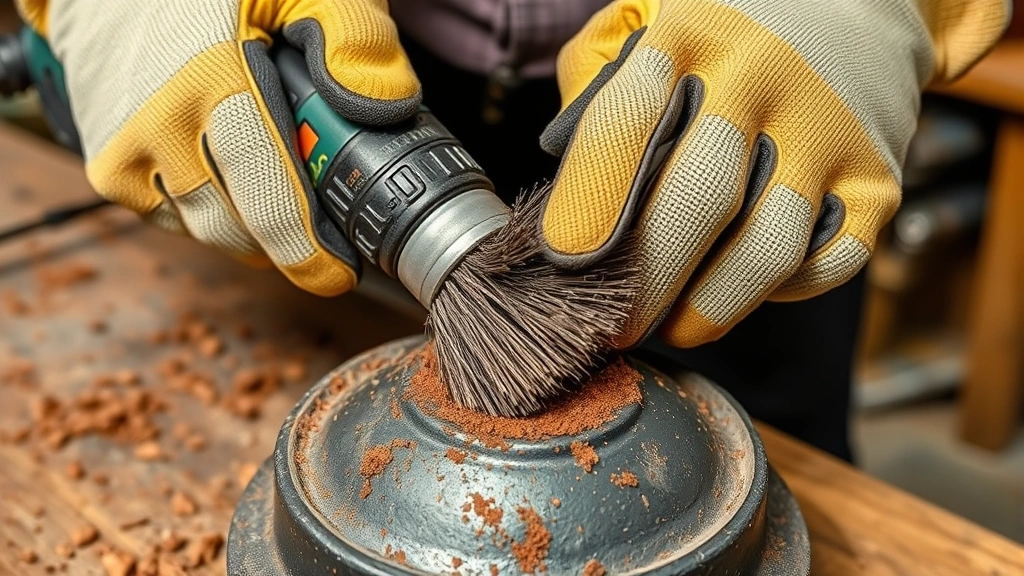
The mechanical approach using wire brushes is ideal for surface rust and requires no chemicals. This method suits smaller rust patches and pieces where you want maximum control. Start with a hand-held wire brush or a wire wheel attachment on a power drill for larger projects.
Step-by-step process:
- Secure the cast iron piece in a vise or hold it firmly on a stable surface
- Use circular motions with your wire brush, working systematically across the entire rusty area
- Apply moderate pressure—aggressive scrubbing can scratch the metal unnecessarily
- Periodically wipe away rust debris with a dry cloth to assess progress
- Continue until you reach bare metal or achieve your desired rust reduction
- Switch to a finer wire brush for final polishing if needed
- Wipe the entire piece with a clean, dry cloth
For power drill applications, attach a wire wheel and operate at medium speed to prevent metal damage. Wear safety glasses and gloves, as loose rust particles scatter during mechanical removal. This method works exceptionally well for cast iron skillets, Dutch ovens, and griddles with flat surfaces. The main limitation is that it cannot effectively reach deep pitting or rust in narrow crevices.
Method 2: Vinegar Soak Solution
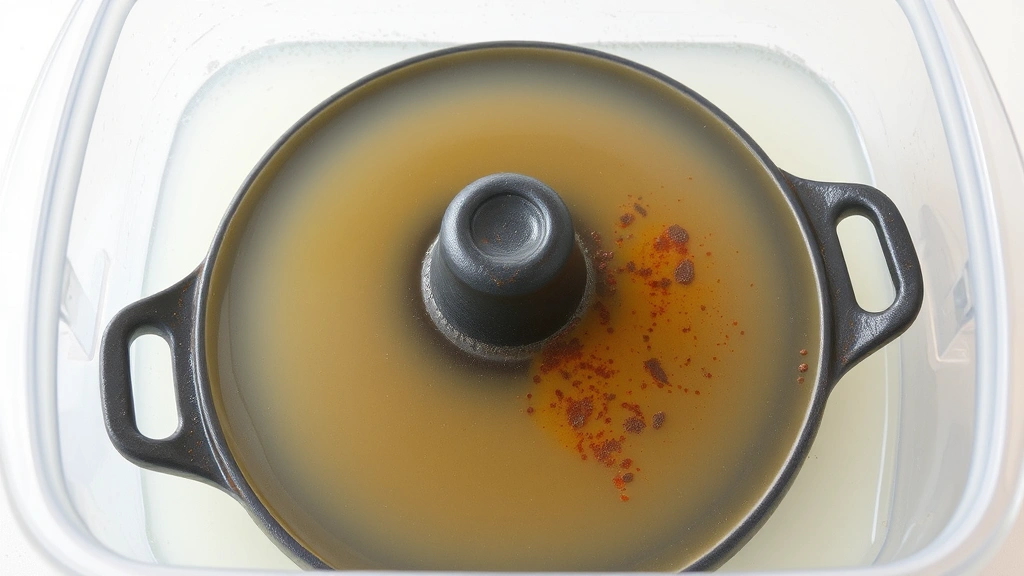
White vinegar’s acetic acid content dissolves rust chemically while leaving the underlying cast iron relatively unharmed. This method works best for moderate rust and pieces small enough to submerge. The vinegar soak requires patience but demands minimal physical effort.
Vinegar soak procedure:
- Fill a container with white vinegar (standard 5% acidity works fine)
- Submerge your cast iron piece completely—ensure all rusty surfaces contact the vinegar
- Let soak for 4 to 24 hours depending on rust severity; check every 4 hours
- Remove the piece and scrub with a wire brush or steel wool to dislodge loosened rust
- Rinse under running water and dry immediately with a cloth
- Repeat the soak-and-scrub cycle if rust remains
- For final cleaning, wipe with a cloth dampened in fresh vinegar, then dry completely
The chemical reaction between vinegar and iron oxide creates ferric acetate, which loosens rust bonds. Longer soaks work more effectively on heavy rust but increase the risk of pitting. Monitor your piece regularly—if you notice excessive surface damage, remove it early and switch to mechanical methods. Cast iron cookware that’s been properly maintained according to expert guidelines rarely requires this intensive treatment.
After vinegar treatment, the cast iron surface may appear dull or slightly discolored. This is normal and typically resolves during the seasoning process. Never allow vinegar-soaked cast iron to air dry, as this accelerates flash rust formation. Immediate drying is critical for success with this method.
Method 3: Electrolysis Rust Removal
Electrolysis represents the most sophisticated rust removal method, ideal for heavily rusted pieces or those with sentimental value. This electrochemical process removes rust without damaging the underlying metal, even where deep pitting exists. While it requires specific equipment, the results are superior to other methods.
Setting up an electrolysis bath:
- Gather a plastic container, distilled water, washing soda (sodium carbonate), a steel sacrificial plate, jumper cables, and a 12-volt DC power supply
- Fill the container with distilled water and dissolve washing soda at approximately one tablespoon per gallon
- Connect the negative battery terminal to your cast iron piece
- Connect the positive terminal to the steel sacrificial plate
- Submerge both the cast iron and steel plate, keeping them from touching
- Turn on the power supply and allow the process to run for 4 to 48 hours
- Observe hydrogen gas bubbling around the cast iron—this indicates active rust removal
- Check progress periodically; rust will appear as black particles in the solution
- Once rust removal completes, remove the piece and scrub gently with a soft brush
- Rinse thoroughly with distilled water and dry immediately
Electrolysis works by reversing the oxidation process at the molecular level. The rust transfers to the steel sacrificial plate, which can be replaced when heavily corroded. This method preserves the cast iron’s original thickness and surface characteristics, making it invaluable for vintage or collectible pieces. However, it requires more setup time and electrical knowledge than other approaches.
Method 4: Commercial Rust Removers
Industrial-strength rust removal products offer convenience and reliable results for many situations. These solutions typically contain phosphoric acid or similar compounds that chemically convert rust into a protective coating. Popular brands like Naval Jelly and Ospho provide straightforward applications suitable for various rust levels.
Using commercial rust removers:
- Follow the product manufacturer’s specific instructions carefully—formulations vary significantly
- Apply the rust remover to affected areas using a brush or by soaking, depending on the product
- Allow the recommended contact time, typically 15 minutes to several hours
- Scrub away loosened rust with a brush or steel wool
- Rinse thoroughly with water and dry immediately
- Apply a protective coating if the product recommends it
Commercial products accelerate rust removal compared to vinegar, making them suitable when time is limited. Many formulations include rust converters that chemically transform remaining rust into a stable compound, reducing the need for complete removal. Always wear gloves and work in ventilated areas, as these products contain caustic chemicals.
Check product compatibility with cast iron before purchasing—some rust removers work better on steel than cast iron. Read reviews from users who’ve treated cast iron specifically to ensure the product suits your needs. These solutions represent an excellent middle ground between simple mechanical removal and complex electrolysis setups.
Seasoning After Rust Removal
Once rust removal completes, your cast iron piece is vulnerable to immediate re-rusting because the protective seasoning layer has been removed. Seasoning involves applying thin oil layers that polymerize through heat, creating a non-stick surface and rust barrier. This critical step determines whether your rust removal effort provides lasting results.
Seasoning procedure:
- Ensure the cast iron is completely dry and at room temperature
- Apply a very thin layer of high-smoke-point oil (vegetable, canola, or grapeseed oil work well)
- Use a cloth to spread the oil evenly, then buff away excess oil until the surface appears almost dry
- Place the cast iron in a 450-500°F oven, positioning it upside down on the middle rack
- Bake for one hour, allowing the oil to polymerize
- Turn off the oven and allow the piece to cool completely inside
- Repeat this oil-and-bake cycle 3-6 times for optimal seasoning depth
The thin oil layer is critical—excess oil creates sticky, uneven seasoning. Each polymerization cycle adds microscopic layers of hardened oil, gradually building the protective coating. Multiple thin layers create superior seasoning compared to one thick application. After several cycles, your cast iron develops a glossy, dark patina that resists rust and provides natural non-stick properties.
New seasoning is fragile initially, so avoid cooking acidic foods or submerging the piece in water for the first few uses. Regular cooking with oil-based foods naturally strengthens the seasoning over time. This mirrors the maintenance principles you’d apply to preserve other valuable items, prioritizing protective care over aggressive cleaning.
Prevention Strategies
The most effective rust management involves preventing rust formation in the first place. Proper storage and maintenance eliminate the need for extensive rust removal procedures. Cast iron’s longevity depends on consistent care practices that preserve the seasoning layer.
Storage best practices:
- Store cast iron in a dry location away from humidity and moisture sources
- Keep pieces uncovered or loosely covered to prevent moisture accumulation
- Avoid stacking cast iron directly together without protective cloth separators
- Store away from sinks, dishwashers, and areas prone to water splashing
- Consider storing in a kitchen cabinet with good air circulation
Daily care and maintenance:
- Clean cast iron immediately after cooking while still warm, using hot water and a stiff brush
- Avoid prolonged soaking, which promotes rust formation
- Dry thoroughly with a cloth immediately after washing
- Apply a thin oil coat to the entire surface after each use
- Wipe away excess oil with a clean cloth to prevent sticky buildup
- Use cast iron regularly—cooking naturally seasons the surface
Never place cast iron in the dishwasher, as the intense water exposure and alkaline detergent strip the seasoning layer. Hand washing followed by immediate drying preserves the protective coating. If rust spots do appear despite preventive care, address them immediately before they spread—early intervention prevents major restoration projects.
Environmental factors significantly impact rust risk. In humid climates, consider storing cast iron in an oven or a climate-controlled cabinet. Coastal areas with salt air present additional challenges requiring more frequent oiling. Understanding your specific environment helps you implement appropriate preventive measures. For additional cleaning guidance on other valuable items, explore our article on how to clean records, which emphasizes protective storage principles similar to cast iron maintenance.
FAQ
How long does it take to remove rust from cast iron?
Timeline depends on rust severity and your chosen method. Wire brushing light surface rust takes 15-30 minutes. Vinegar soaks require 4-24 hours plus scrubbing time. Electrolysis takes 4-48 hours depending on rust depth. Commercial rust removers typically work within 1-3 hours. Severe rust may require multiple treatment cycles, extending the total timeline to several days.
Can you use a wire wheel on cast iron without damaging it?
Yes, wire wheels effectively remove rust from cast iron when used properly. Use medium drill speeds and avoid excessive pressure. Wire wheels won’t damage the underlying metal—they simply remove the oxidized surface layer. However, they cannot reach deep pitting, making them ideal for surface rust rather than severe corrosion.
Is white vinegar or apple cider vinegar better for rust removal?
White vinegar with 5% acidity is the standard choice for rust removal. Apple cider vinegar contains additional compounds that don’t enhance rust removal and may leave residual odors. For best results, use inexpensive white vinegar rather than premium or specialized varieties.
What oil is best for seasoning cast iron after rust removal?
Vegetable oil, canola oil, and grapeseed oil all work well for seasoning because they have high smoke points (400°F+). Avoid olive oil and butter, which have lower smoke points and don’t polymerize effectively. Some cooks prefer refined oils over unrefined varieties to avoid residual flavors.
Can you use electrolysis on cast iron with enamel coating?
Electrolysis should not be used on enameled cast iron, as the electrical current can damage the enamel coating. Stick to mechanical or vinegar-based methods for enameled pieces. Commercial rust removers formulated for enameled cookware are also available.
How do you prevent rust from returning after removal?
Prevent rust return by maintaining consistent seasoning, storing in dry locations, drying immediately after washing, and using cast iron regularly. Apply light oil coats after each use, and avoid prolonged water exposure. Proper seasoning creates a moisture barrier that prevents oxidation even in humid environments.
Is pitting permanent after rust removal?
Deep pitting that penetrates the metal surface is permanent and cannot be reversed. However, shallow pitting typically fills in during the seasoning process as oil polymerizes in the small depressions. Severe pitting doesn’t affect functionality but may create slight texture changes on the cooking surface.

Related Posts

Superscript in Google Docs: Expert Tips

Strikethrough in Excel: Easy Steps for Beginners
