
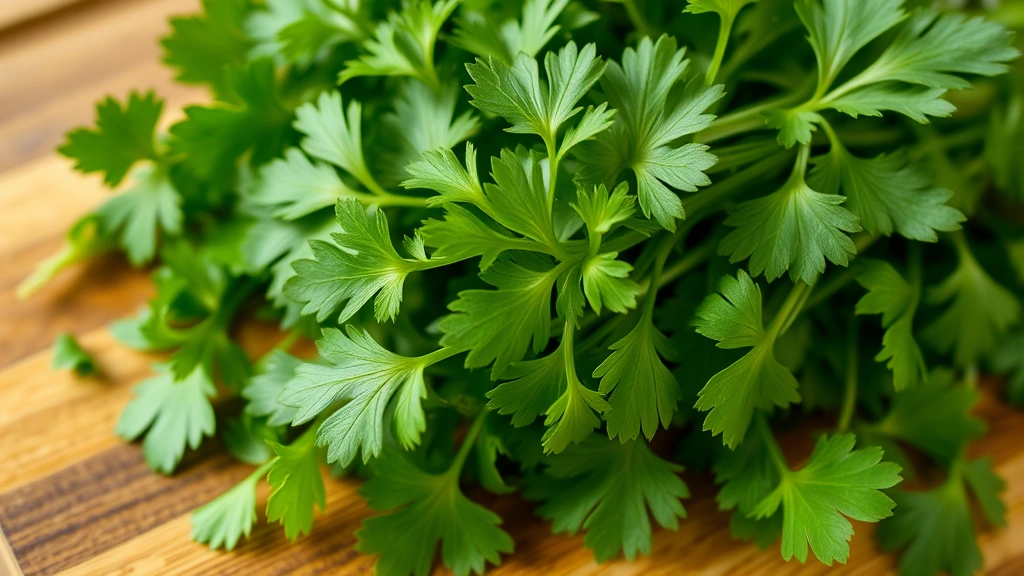
Chop Cilantro Like a Chef: Simple Guide
Chop Cilantro Like a Chef: Simple Guide
Cilantro is one of the most versatile herbs in the kitchen, adding fresh, vibrant flavor to everything from salsas and guacamole to curries and Asian dishes. However, many home cooks struggle with chopping cilantro properly, often ending up with bruised leaves, uneven pieces, or a soggy mess. Learning how to chop cilantro like a professional chef doesn’t require years of culinary training—just the right technique, proper tools, and a bit of practice.
Whether you’re preparing a quick weeknight dinner or hosting a dinner party, mastering cilantro preparation will elevate your cooking skills and ensure your dishes taste restaurant-quality. This comprehensive guide walks you through every step of the process, from selecting fresh cilantro at the market to using advanced chopping techniques that preserve the herb’s delicate flavor and appearance.
Selecting and Storing Fresh Cilantro
The foundation of great cilantro preparation begins at the grocery store. Not all cilantro bunches are created equal, and selecting the freshest herbs makes a significant difference in both flavor and how easily they chop. Look for bunches with vibrant green color, firm stems, and no signs of wilting, yellowing, or browning. The leaves should be perky and stand upright rather than drooping or appearing limp.
Avoid bunches that have slimy stems, dark spots, or a musty smell—these are signs of decay and mold. Fresh cilantro should have a bright, distinctive aroma that’s pleasant and herbaceous. When you gently squeeze the bunch, the stems should feel crisp and snap slightly rather than bending limply. The best cilantro typically comes from the produce section’s cold storage area, not from bins left at room temperature.
Storage is equally important for maintaining cilantro’s quality before chopping. The most effective method involves treating cilantro like fresh flowers. Trim about half an inch from the bottom of the stems, then place the bunch in a glass of cool water, similar to how you’d display a bouquet. Cover the leaves loosely with a plastic bag and refrigerate. This method keeps cilantro fresh for up to two weeks. Alternatively, wrap damp paper towels around the stems and place the bundle in a plastic bag in your refrigerator’s vegetable drawer—this approach works well for three to five days.
Never store cilantro in airtight containers without moisture, as this accelerates wilting and decay. The herb needs some humidity to stay fresh, but not so much that it becomes waterlogged. Check your cilantro every few days and remove any yellowed or slimy leaves to prevent spoilage from spreading to the rest of the bunch.
Preparation Techniques Before Chopping
Proper preparation before you even touch your knife makes the actual chopping process much easier and produces superior results. Start by rinsing your cilantro thoroughly under cool running water. Hold the bunch gently by the stems and let water run over the leaves, gently rubbing them with your fingers to remove any dirt, sand, or debris. Cilantro grows close to the ground and often harbors soil particles between the leaves, so this step is crucial for food safety and texture.
After rinsing, pat the cilantro dry using paper towels or a clean kitchen towel. Moisture is the enemy of clean chopping—wet cilantro will bruise more easily, stick to your knife, and create a paste-like consistency rather than distinct pieces. Gently press the herb between towels without squeezing too hard, as this can damage the delicate leaves. For best results, let your cleaned cilantro air-dry for a few minutes on a clean cutting board or paper towel.
Next, decide which parts of the cilantro you’ll use. The tender leaves and upper stems are ideal for chopping and eating raw or as garnishes. The lower, thicker stems are tougher and more fibrous, making them suitable only for cooking applications where they’ll soften, or you can discard them entirely. Separate the tender upper portion (roughly the top two-thirds of the bunch) from the woody lower stems by holding the bunch upright and cutting horizontally about one-third of the way up from the bottom.
For the tender portions you’ll chop, consider whether you want to include the thin stems or use only the leaves. Including some tender stem material is perfectly acceptable and adds slightly more volume and texture. However, if you prefer purely leafy cilantro, you can strip the leaves from the stems by pinching near the base of a stem and running your fingers upward, causing the leaves to slide off. This method takes more time but yields the most delicate presentation.
Different Chopping Methods
There are several effective techniques for chopping cilantro, each with advantages depending on your desired outcome and available tools. The method you choose affects the final texture, flavor release, and presentation of your dish.
The Knife Roll Method
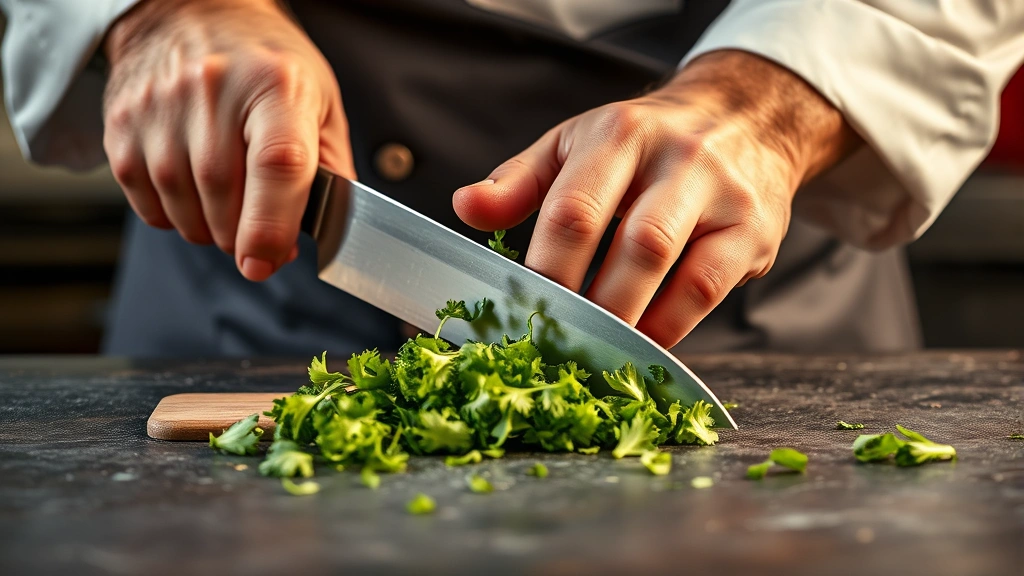
This is the most common professional technique and works beautifully for cilantro. Gather your cleaned cilantro into a loose pile on your cutting board. Using a sharp chef’s knife, make vertical cuts through the pile at roughly quarter-inch intervals, working from one side of the pile to the other. Then rotate the pile ninety degrees and repeat the cutting motion, creating small, uniform pieces. This method gives you control over piece size and minimizes bruising because you’re making clean cuts rather than crushing the leaves.
The Chiffonade Technique
This French culinary technique creates thin, elegant ribbons of cilantro perfect for garnishing. Stack several cilantro leaves on top of each other and roll them tightly into a cigar shape. Using a sharp knife, slice across the roll very thinly, creating delicate ribbons. The chiffonade method is ideal when you want cilantro to be visually prominent in your dish and want to preserve maximum flavor, as the leaves remain relatively intact.
The Mincing Method
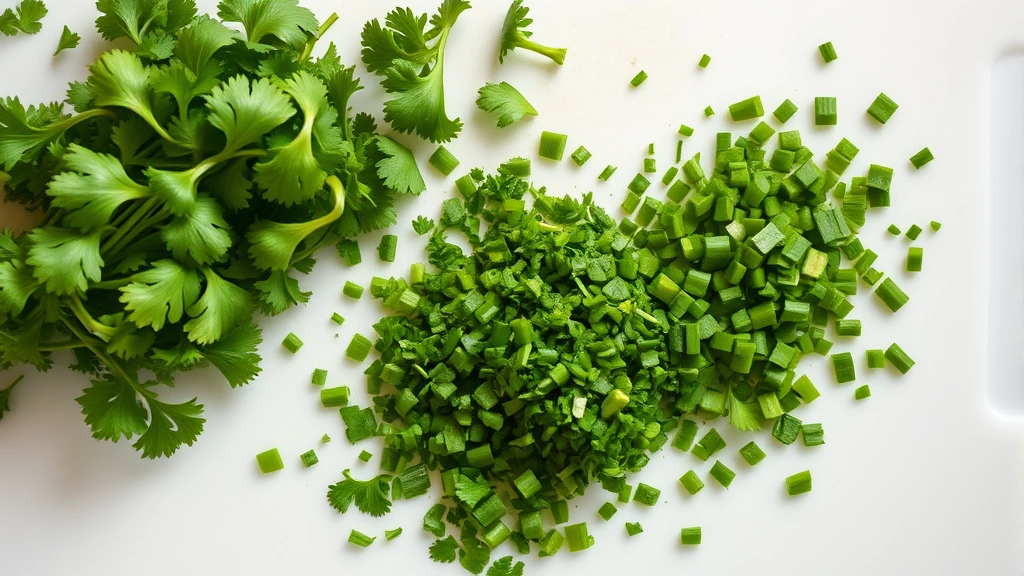
When you need very finely chopped cilantro that distributes evenly throughout a dish, mincing is your best option. After the initial rough chopping with the knife roll method, gather the pieces together and continue chopping with a rocking motion, using the tip of your knife as a pivot point. Rock the blade back and forth, periodically scooping the cilantro back into a pile with the flat of your knife. Continue until you reach your desired fineness. This method requires more effort but produces the finest, most uniform pieces.
The Food Processor Method
For large quantities, a food processor saves significant time and effort. Pulse cleaned cilantro in short bursts—never continuous processing, which will create a wet paste. Use the pulse function to achieve your desired chop size, checking frequently to avoid over-processing. This method works well for cooking applications but can be too aggressive for garnishes where you want to preserve leaf structure and appearance.
Essential Knife Skills for Cilantro
Developing proper knife technique is fundamental to chopping cilantro efficiently and safely. Start with a sharp knife—this is non-negotiable. A dull knife requires more pressure, increasing the likelihood of slipping and bruising delicate herbs. A quality chef’s knife between six and eight inches long is ideal for herb work. Sharpen your knife regularly using a honing steel and have it professionally sharpened a few times yearly.
Hold your knife with a firm but relaxed grip. Your index finger and thumb should be on opposite sides of the blade just above the handle, with your remaining three fingers wrapped around the handle. This grip provides control and stability. Your other hand should form a claw shape with the cilantro—curl your fingertips inward and use your knuckles as a guide for the knife blade. This technique protects your fingertips while allowing you to control how much cilantro moves with each cut.
Keep your knife tip on the cutting board and use a rocking motion for chopping. The heel of the blade stays in contact with the board while the tip stays relatively stationary, and you rock the blade up and down. This motion is more efficient and safer than lifting the entire knife with each cut. For the knife roll method, make smooth, confident cuts without pressing down hard—let the sharp blade do the work.
Maintain a stable cutting board by placing a damp towel underneath to prevent slipping. This small detail prevents accidents and allows you to focus entirely on your chopping technique. Work on a clean, dry surface and use a cutting board designated for produce rather than one used for raw meat, which prevents cross-contamination.
Common Mistakes to Avoid
Even experienced cooks sometimes make cilantro-chopping mistakes that compromise flavor and appearance. Understanding these pitfalls helps you avoid them and consistently achieve professional results.
The most common mistake is using a dull knife, which crushes rather than cuts the delicate leaves. Crushed cilantro releases too many oils, creating a bitter, unpleasant flavor and a mushy texture. Always ensure your knife is sharp enough to cleanly slice a piece of paper or tomato skin without crushing.
Over-processing is another frequent error, especially when using food processors. Many home cooks let the machine run too long, creating a wet, paste-like consistency instead of distinct, chopped pieces. Always use the pulse function and check frequently. Thirty seconds of processing is often sufficient for a cup of cilantro.
Chopping wet cilantro causes similar problems to using a dull knife. Moisture makes leaves stick to the blade, clump together, and bruise more easily. Always pat your cilantro completely dry before chopping, and if it starts sticking during the process, pause and wipe your knife blade on a paper towel.
Chopping cilantro too far in advance causes flavor loss and browning of cut edges. Cilantro is best chopped immediately before use, or no more than a few hours ahead if necessary. If you must chop ahead, store it in an airtight container in the refrigerator and plan to use it within two to three hours.
Mixing stems and leaves unevenly is also problematic. Thick stems take longer to cook and have a different texture than leaves. Separate the tender upper portions from woody lower stems before chopping, and adjust your cooking method accordingly. For garnishes, use only leaves or very thin stems.
Finally, avoid chopping cilantro on the same surface or with the same knife you just used for onions or garlic without cleaning them first. Residual onion and garlic flavors will transfer to your cilantro and compromise its delicate taste. Always wash your cutting board and knife thoroughly between ingredients.
Storing Chopped Cilantro
While fresh cilantro is always preferable, you’ll sometimes need to chop it ahead of time. Proper storage extends freshness and flavor, though chopped cilantro never lasts as long as whole leaves.
The best method for storing chopped cilantro is in an airtight container lined with paper towels. The paper absorbs excess moisture that would otherwise cause browning and decay. Store the container in your refrigerator’s coldest section, typically the back of a shelf rather than the door. Properly stored chopped cilantro keeps for two to three days, though flavor begins declining after twenty-four hours.
For longer storage, consider freezing chopped cilantro. Place it in ice cube trays, fill halfway with water or olive oil, and freeze. Once solid, pop the cubes into a freezer bag and store for up to three months. This method works well for cooking applications where you’ll be adding cilantro to hot dishes, though frozen cilantro isn’t suitable for garnishes or raw applications where texture matters.
Alternatively, you can freeze cilantro in herb butter. Mix finely chopped cilantro with softened butter, roll in plastic wrap to form a log, and freeze. Slice off portions as needed to add to soups, rice, or grilled meats. This method preserves flavor beautifully and is perfect for the home gardening enthusiast who grows their own herbs.
Never store chopped cilantro in airtight containers without paper towels, as condensation accelerates decay. Also avoid storing it in water, which leaches flavor and causes the herb to become waterlogged and mushy. If you notice any browning, sliminess, or off-smells, discard the cilantro immediately rather than risk using degraded herbs.
For the absolute best results, store whole cilantro bunches using the water glass method mentioned earlier, and chop only what you need immediately before cooking or serving. This approach guarantees maximum flavor and texture. The slight extra effort of chopping fresh is well worth the superior results in your finished dishes.
FAQ
Can you chop cilantro in advance?
Cilantro is best chopped immediately before use. If you must prepare it ahead, chop no more than two to three hours before serving and store in an airtight container with paper towels in the refrigerator. Beyond this timeframe, the cut edges brown and flavor diminishes significantly.
What’s the difference between cilantro leaves and stems?
Cilantro leaves are tender, flavorful, and ideal for eating raw or as garnishes. The lower, thicker stems are woody and fibrous, suitable only for cooking applications where they’ll soften during extended heat exposure. Always separate tender upper portions from tough lower stems before chopping.
Why does my cilantro turn brown after chopping?
Browning occurs when cilantro is chopped with a dull knife (which crushes rather than cuts), or when it’s stored wet or in airtight containers without paper towels. Always use a sharp knife and ensure cilantro is completely dry before chopping and storing.
Is it better to chop cilantro by hand or with a food processor?
Hand chopping gives you better control and produces more uniform pieces while preserving leaf structure. Food processors are faster for large quantities but can over-process and create a paste if you’re not careful. Use hand chopping for garnishes and small amounts, and food processors for larger quantities destined for cooking.
How long does fresh cilantro last in the refrigerator?
Whole cilantro bunches stored in a glass of water with a plastic bag covering the leaves last up to two weeks. Bunches wrapped in damp paper towels and placed in plastic bags last three to five days. Chopped cilantro lasts only two to three days in the refrigerator.
Can you freeze cilantro?
Yes, cilantro freezes well in ice cube trays with water or oil, lasting up to three months. However, frozen cilantro is best used in cooking applications rather than as garnishes, since freezing damages cell structure and changes texture. Cilantro herb butter also freezes excellently for adding to cooked dishes.
What’s the best knife for chopping cilantro?
A sharp six to eight-inch chef’s knife is ideal for cilantro work. The length gives you leverage for the rocking motion, and the wide blade allows you to easily scoop and gather chopped herbs. Keep your knife sharp and hone it regularly for best results.
Should you remove cilantro stems?
Tender upper stems are perfectly acceptable and commonly included in chopped cilantro. Only the lower, thick, woody stems should be removed. These lower portions are better reserved for cooking applications or discarded entirely. Tender stems add slight texture and volume to your cilantro preparation.

Related Posts

Superscript in Google Docs: Expert Tips

Strikethrough in Excel: Easy Steps for Beginners
