
Become a Tattoo Artist: Expert Tips & Tricks
Become a Tattoo Artist: Expert Tips & Tricks
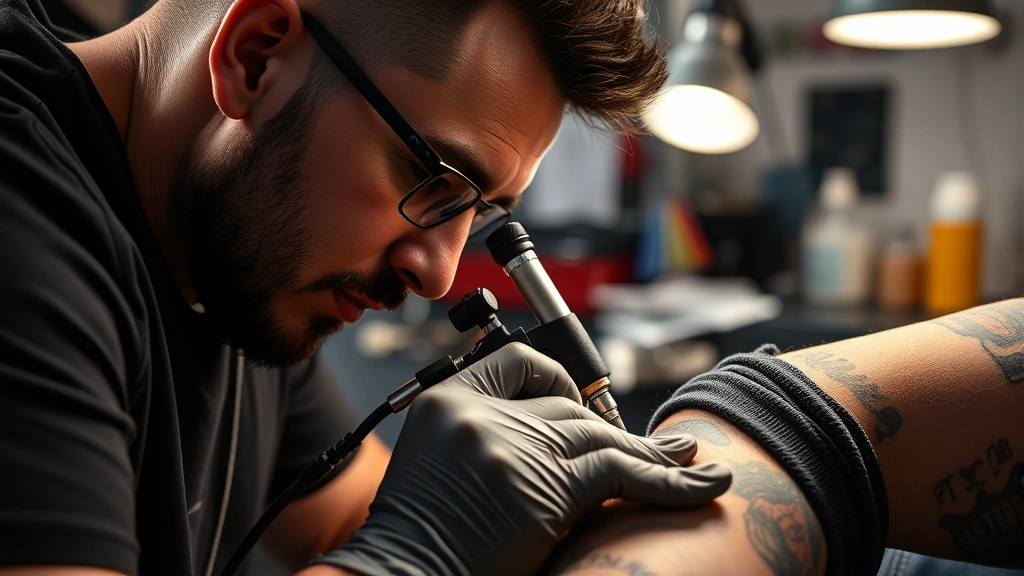
Breaking into the tattoo industry requires dedication, artistic talent, and a willingness to master both the creative and technical aspects of the craft. Whether you’re passionate about creating permanent body art or building a profitable career in this thriving industry, becoming a tattoo artist demands serious commitment to training, practice, and professional development. This comprehensive guide will walk you through every step of your journey, from initial skill development to launching your own successful tattoo studio.
The tattoo industry has evolved dramatically over the past decade, transforming from a niche profession into a legitimate, respected career path. Professional tattoo artists now command premium rates, build loyal clientele, and create meaningful work that lasts a lifetime on their clients’ bodies. However, the path to becoming a skilled, ethical, and successful tattoo artist isn’t quick or easy—it requires months or years of dedicated training, artistic practice, and hands-on apprenticeship under experienced mentors.
Develop Your Artistic Foundation
Before you even consider picking up a tattoo machine, you need to establish a strong foundation in drawing, design, and visual art. This is the cornerstone of becoming a successful tattoo artist. Spend considerable time practicing fundamental drawing skills: perspective, shading, anatomy, proportion, and line work. These basics will directly translate to your ability to create compelling tattoo designs that work well on the human body.
Invest in quality art supplies and dedicate yourself to daily practice. Sketch constantly—fill sketchbooks with character designs, portraits, animals, geometric patterns, and imagery relevant to popular tattoo styles. Study the work of renowned tattoo artists across different styles: traditional American, Japanese (Irezumi), black and grey realism, watercolor, geometric, and custom pieces. Understanding how different styles work and what makes them visually appealing is essential.
Consider enrolling in formal art classes or pursuing formal education in fine arts, illustration, or graphic design. Many successful tattoo artists have formal training in these disciplines. Online platforms like Skillshare and Udemy offer affordable courses in figure drawing, anatomy, and digital design. Building your artistic skills now will dramatically accelerate your progress once you begin your apprenticeship.
Develop a personal artistic style or at least become proficient in multiple styles. Clients increasingly seek artists who have distinctive aesthetics they can recognize. Your unique perspective and artistic voice will set you apart from other tattoo artists in your area and help you build a loyal following.
Understand the Tattoo Industry Standards
The tattoo industry operates under specific professional standards, ethics, and best practices that every aspiring artist must understand. Unlike many professions, tattooing doesn’t have universal licensing requirements in all regions, though this is changing. Research the specific regulations in your state, province, or country—some regions require formal certification, licensing exams, or documented apprenticeship hours.
Familiarize yourself with industry organizations like the Alliance of Professional Tattooists (APT), which sets standards for safety, sterilization, and professional conduct. Understanding these standards positions you as a professional who prioritizes client safety and respects the craft. Many reputable studios only hire artists who are familiar with APT guidelines and similar professional frameworks.
Learn about tattoo design copyright and intellectual property issues. Understanding which designs are original, which are traditional flash designs, and how to properly credit inspiration is crucial for ethical practice. Clients expect original work, and professional artists develop their own designs rather than copying existing work without permission.
Study the business side of tattooing: pricing structures, client contracts, deposit policies, and conflict resolution. Even if you’re not immediately opening your own studio, understanding these business practices will help you navigate your apprenticeship and future career. Visit local tattoo studios, talk to established artists, and observe how professional operations are run.
Find and Complete an Apprenticeship
The apprenticeship is the most critical step in becoming a tattoo artist. This is where theoretical knowledge transforms into practical skill under the guidance of an experienced mentor. Unlike some professions, there’s no substitute for hands-on training in tattooing. Most successful artists spent 2-4 years (or longer) as apprentices before becoming independent professionals.
Finding the right apprenticeship is challenging but essential. Start by researching highly-regarded studios in your area. Visit studios, examine their portfolios, observe their cleanliness and professionalism, and assess the quality of their work. Reach out to artists whose work you admire and express your interest in apprenticing. Be prepared to show your portfolio of artwork, discuss your artistic goals, and demonstrate your commitment to the craft.
Understand that apprenticeships typically involve financial investment on your part. Many studios require apprentices to pay a fee (ranging from $1,000 to $10,000 or more) to cover training costs, materials, and the artist’s time. This investment shows your serious commitment and helps the studio offset training expenses.
During your apprenticeship, you’ll learn: proper machine setup and maintenance, sterilization and sanitation protocols, skin anatomy and how tattoos interact with different skin types, design transfer techniques, hand positioning and ergonomics, color theory and ink characteristics, and client communication skills. Your mentor will likely have you start with basic tasks—cleaning, organizing supplies, assisting with client sessions—before progressing to supervised practice on synthetic skin and eventually real clients.
Expect long hours and demanding work. Apprenticeships often require 40+ hours per week for extended periods. You’ll observe countless tattoo sessions, absorb knowledge through osmosis, and gradually take on more responsibility as your skills develop. The apprenticeship period tests your dedication, patience, and genuine passion for the craft.
Master Tattoo Equipment and Machines
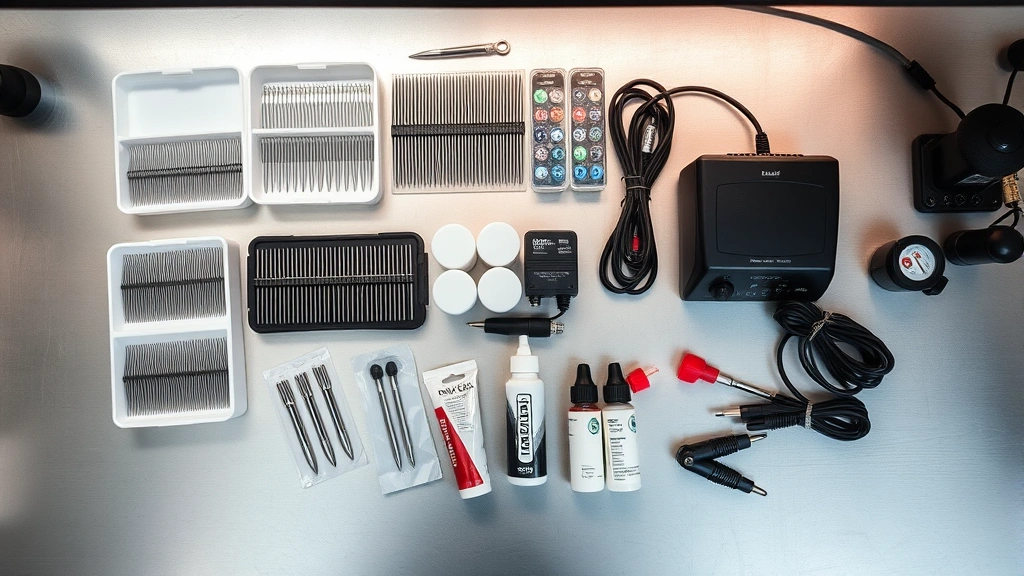
Understanding tattoo equipment is fundamental to your success as a professional artist. Modern tattoo machines come in two main types: coil machines and rotary machines. Each has distinct characteristics, requires different setup procedures, and produces different results. Coil machines are traditional, widely used, and excellent for fine line work and shading. Rotary machines are smoother, quieter, and many artists prefer them for certain styles and extended sessions.
Learn how to properly assemble, disassemble, and maintain tattoo machines. You’ll need to understand: needle groupings (liners, shaders, magnums), tube sizes, voltage adjustment, and how these variables affect your work. Different needle configurations produce different results—fine liners create clean outlines, while shader needles deposit more ink for fills and shading.
Invest in quality equipment. Professional tattoo machines from reputable manufacturers cost $300-$1,500 per machine. You’ll eventually want multiple machines configured differently for various applications. Cheap or poorly-maintained equipment produces inferior results and can pose health risks to clients. During your apprenticeship, your mentor will provide equipment, but eventually you’ll need to purchase your own professional-grade setup.
Study power supply units (PSUs), which regulate the voltage sent to your machine. Modern digital PSUs allow precise control and consistency. Understanding how to dial in the correct voltage for different machines, needles, and techniques is crucial for producing quality work.
Master the mechanics of needle depth, speed, and pressure. These variables dramatically affect how the tattoo looks and how the client’s skin responds. Too shallow and the tattoo won’t hold color; too deep and you cause unnecessary trauma and scarring. Learning to feel the resistance of the skin and adjust your technique accordingly takes months of practice.
Learn Health and Safety Protocols
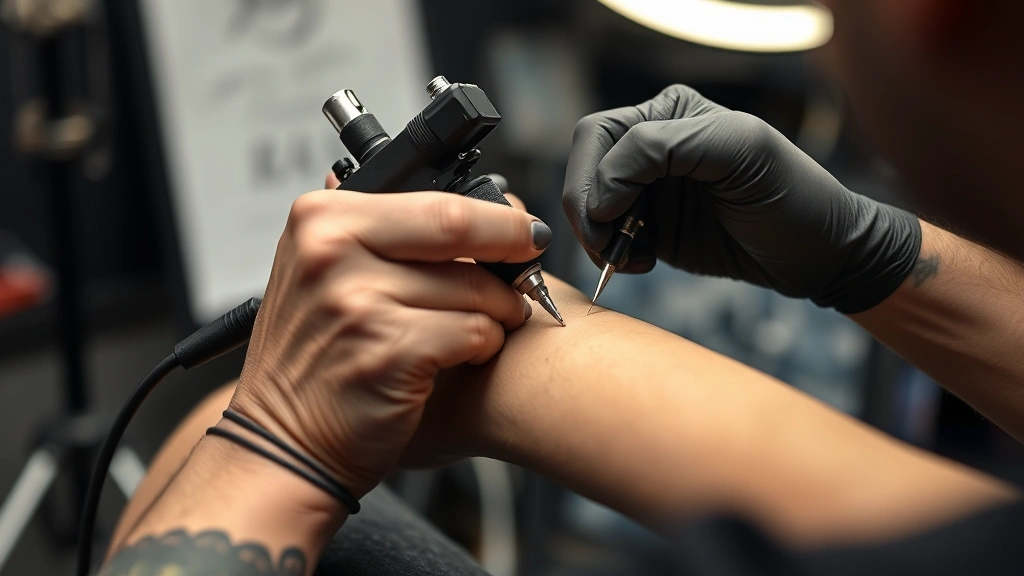
Client safety and health are non-negotiable aspects of professional tattooing. Bloodborne pathogen transmission, infections, and allergic reactions are serious risks if proper protocols aren’t followed. Every tattoo artist must become expert in sterilization, sanitation, and health safety practices.
Learn proper sterilization procedures using autoclave equipment. Single-use needles and tubes must be sterilized before use, or better yet, purchased pre-sterilized and used only once. Understand the difference between sterilization (killing all microorganisms) and sanitization (reducing microorganism numbers). Both are necessary in a professional studio.
Study bloodborne pathogen transmission and how to prevent it. This includes proper use of personal protective equipment (gloves, eye protection), safe needle handling, proper disposal of biohazard waste, and cleaning protocols for equipment and surfaces. Many regions require formal bloodborne pathogen training certification.
Understand common complications and how to prevent them: infection, allergic reactions to ink, scarring, and granulomas. Learn to screen clients for contraindications—pregnant women, people with certain medical conditions, or those taking specific medications may need to delay or avoid tattooing. Knowing when to decline a client is a sign of professionalism and ethical practice.
Familiarize yourself with local health department regulations for tattoo studios. These vary significantly by location but typically cover sterilization requirements, facility standards, record-keeping, and artist qualifications. Compliance with these regulations is essential for legal operation.
Stay current with health and safety information throughout your career. The industry continuously evolves as new information about ink safety, sterilization best practices, and infection prevention emerges. Professional development in this area is ongoing.
Build Your Portfolio and Client Base
Your portfolio is your professional calling card—it demonstrates your skill, style, and range to potential clients and future employers. Start building your portfolio during your apprenticeship by documenting your work with high-quality photographs. Take clear, well-lit photos of finished tattoos, ideally showing the piece on the client’s skin with good color accuracy.
Organize your portfolio to showcase your strengths and preferred styles. If you excel at black and grey realism, feature those pieces prominently. If you’re developing expertise in Japanese-style work, make that clear. Clients hire artists based on demonstrated ability in specific styles, so focus your portfolio accordingly.
Create an online presence through a professional website and social media accounts. Instagram is particularly important for tattoo artists—the visual nature of the platform makes it ideal for showcasing work. Post high-quality photos of your tattoos, behind-the-scenes content, and engage with followers. Build a following before you open your own studio or seek independent artist positions.
Early in your career, you may need to offer discounted or free work to build your portfolio. Many apprentices and newly-independent artists tattoo friends and family members at reduced rates to develop their portfolio and gain experience. This is standard practice and acceptable as long as you maintain the same health and safety standards you’d use for paying clients.
Encourage satisfied clients to refer friends and leave reviews or testimonials. Word-of-mouth referrals are incredibly valuable in the tattoo industry. A single satisfied client who raves about your work to their social circle can generate significant business.
Develop relationships with other tattoo artists and studio owners. The tattoo community is generally collaborative and supportive. Networking helps you learn, find opportunities, and build your reputation as a serious professional.
Establish Your Tattoo Business
Once you’ve completed your apprenticeship and developed a solid portfolio, you’re ready to establish your professional career. You have several options: work as an independent contractor at an established studio, become an employee at a studio, or open your own tattoo business. Each path has advantages and challenges.
Working at an established studio as an independent contractor or employee is often the best starting point for newly-trained artists. You benefit from the studio’s existing client base, equipment, and administrative support while building your reputation. Studios typically take a percentage of your earnings (30-50%) in exchange for providing space, equipment, utilities, and handling scheduling.
If you choose to open your own studio, you’ll need to handle significant planning and investment. Research your local market, understand zoning regulations, and secure appropriate business licensing. You’ll need to purchase equipment, establish sterilization protocols, set up appointment systems, and handle accounting and taxes. Many successful tattoo artists start by working at established studios for several years before opening independent operations.
Develop a business plan that addresses: startup costs, equipment needs, facility requirements, staffing, marketing, and financial projections. Understand your local regulations—some areas require specific training certifications, business licenses, or health department approval before you can legally operate.
Establish clear pricing that reflects your skill level, experience, and market rates. Research what other artists in your area charge and position yourself accordingly. As you build reputation and demand, you can increase rates. Many artists use a combination of hourly rates and flat fees depending on the project.
Create professional client intake forms and contracts that address: design approval, payment terms, aftercare instructions, and liability limitations. These documents protect both you and your clients and demonstrate professionalism.
Build relationships with suppliers for high-quality inks, needles, equipment, and sterilization supplies. Establish accounts with reputable distributors and stay informed about product quality and safety standards. Using inferior supplies damages your reputation and poses health risks.
Consider obtaining professional liability insurance and general business insurance. While not legally required in all areas, insurance protects you financially if a client experiences complications or disputes the work quality.
FAQ
How long does it take to become a tattoo artist?
Most aspiring tattoo artists spend 2-4 years completing an apprenticeship before becoming independent professionals. The timeline depends on your natural artistic ability, dedication to practice, and the specific requirements of your apprenticeship. Some artists take longer, while exceptionally talented individuals might progress faster. However, rushing the process typically results in lower-quality work and professional struggles.
Do I need formal education to become a tattoo artist?
While not always legally required, formal art education significantly advantages your career. Many successful tattoo artists have degrees in fine arts, illustration, or graphic design. At minimum, you should have strong self-taught artistic skills before pursuing an apprenticeship. Formal education provides structured learning in anatomy, composition, and design principles that directly apply to tattooing.
What’s the difference between an apprentice and a tattoo artist?
An apprentice is in training under an experienced mentor, learning both technical skills and industry standards. They typically work for the studio owner or established artist, handle basic tasks, and gradually take on more responsibility under supervision. A tattoo artist is a trained professional who can independently design and execute tattoos to professional standards. The transition happens after completing your apprenticeship and demonstrating competency.
How much does a tattoo apprenticeship cost?
Apprenticeship fees typically range from $1,000 to $10,000 or more, depending on the studio, location, and the artist’s reputation. Some studios charge monthly fees throughout the apprenticeship period, while others require a lump sum upfront. In addition to apprenticeship fees, you should budget for art supplies, personal protective equipment, and potentially purchasing some of your own equipment. This is an investment in your future career.
What artistic styles should I specialize in?
Choose styles based on your natural strengths and genuine interest. Popular styles include: black and grey realism, traditional American, Japanese (Irezumi), watercolor, geometric, fine line, and custom/illustrative work. Most successful artists develop expertise in 2-3 complementary styles rather than trying to master everything. Your portfolio should clearly demonstrate your specialization, as clients hire artists based on specific style expertise.
Can I teach myself to be a tattoo artist without an apprenticeship?
While theoretically possible, self-teaching without an apprenticeship is strongly discouraged by the professional tattoo community. Apprenticeships provide essential training in health and safety protocols, proper technique, equipment operation, and professional standards that are difficult to learn independently. Additionally, many studios won’t hire artists without documented apprenticeship experience. The apprenticeship model exists because it’s the most effective way to train competent, safe, professional tattoo artists. Skipping this step typically results in poor-quality work and potential legal and health consequences.

Related Posts

Superscript in Google Docs: Expert Tips

Strikethrough in Excel: Easy Steps for Beginners
