

Fasting Before Blood Draw: How Many Hours Needed?
Fasting Before Blood Draw: How Many Hours Needed?
Preparing for a blood test often involves specific instructions from your healthcare provider, and one of the most common requirements is fasting. But how long exactly do you need to fast before a blood draw? The answer depends on the type of test being performed, but generally, most fasting blood tests require 8 to 12 hours of fasting before your appointment. Understanding the fasting requirements helps ensure accurate test results and prevents unnecessary repeat visits to your healthcare facility.
Fasting before blood work is a critical step in medical testing because certain nutrients, especially glucose and lipids, can be absorbed into your bloodstream after eating. These substances can artificially elevate test results, leading to misdiagnosis or incorrect treatment recommendations. By following proper fasting guidelines, you help your healthcare provider obtain the most accurate baseline measurements of your health status.
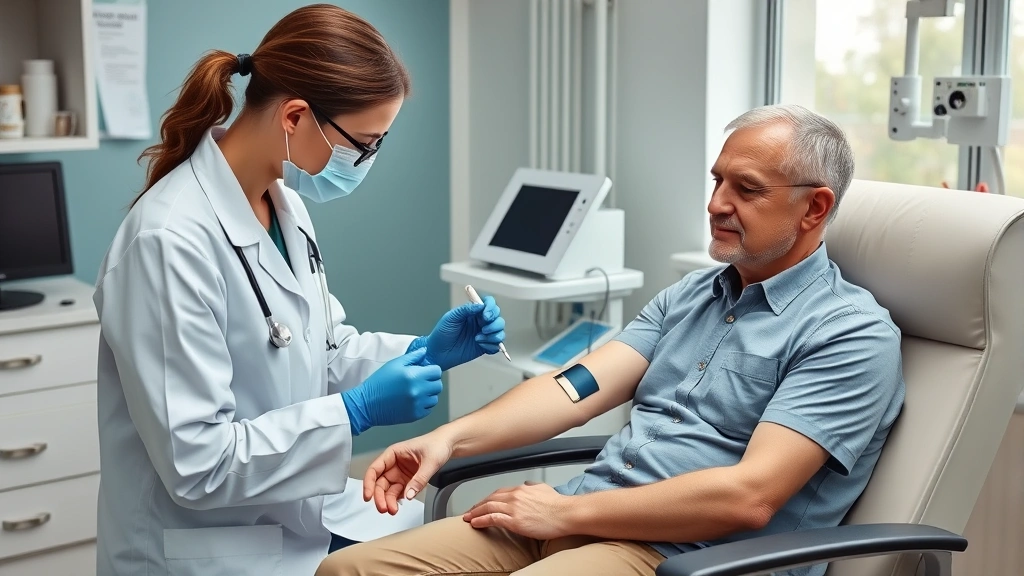
Standard Fasting Duration
The typical fasting period before a blood draw is 8 to 12 hours, with most medical facilities recommending an overnight fast. This means if your appointment is scheduled for 8:00 AM, you should stop eating at 8:00 PM the previous evening. The most common recommendation is a 12-hour fast, which aligns well with a typical sleep schedule and makes it convenient for morning appointments.
However, not all blood tests require fasting. Your healthcare provider will inform you if fasting is necessary when scheduling your appointment. If you’re uncertain about whether you need to fast, it’s always better to ask your doctor or the laboratory directly rather than guess. Some facilities may have different requirements based on their specific protocols and equipment.
The reason for the 8 to 12-hour window is that this timeframe allows your digestive system to process food completely while still maintaining your body’s baseline metabolic state. Shorter fasting periods may not be sufficient to clear all food from your system, while longer periods could potentially affect other health markers.

Types of Tests Requiring Fasting
Several common blood tests specifically require fasting to produce accurate results. Understanding which tests need fasting helps you prepare properly and avoid scheduling conflicts.
- Lipid Panel (Cholesterol Test) – This is one of the most common fasting tests. Eating before this test can significantly elevate triglyceride levels, leading to inaccurate cholesterol readings.
- Fasting Glucose Test – Used to diagnose diabetes and prediabetes, this test measures blood sugar levels. Food consumption directly affects glucose levels, making fasting essential.
- Metabolic Panel – This comprehensive test measures various chemical constituents in the blood and often requires fasting for accurate results.
- Liver Function Tests – These tests may require fasting depending on your healthcare provider’s specific protocols.
- Kidney Function Tests – Some facilities recommend fasting for these tests to get the most accurate baseline measurements.
In contrast, many routine blood tests like complete blood counts (CBC) or tests for specific infections do not require fasting. Your healthcare provider will give you clear instructions about whether fasting is necessary for your particular test.
What You Can and Cannot Consume
During your fasting period, it’s crucial to understand what substances are and are not permitted. This knowledge helps you avoid accidentally breaking your fast and compromising your test results.
What You Cannot Have:
- Food of any kind, including snacks and candy
- Beverages containing calories, such as juice, soda, milk, or coffee with cream or sugar
- Alcohol
- Chewing gum (even sugar-free varieties, as they can stimulate digestive processes)
- Most medications (unless specifically approved by your healthcare provider)
What You Can Have:
- Water – This is typically the only beverage allowed during fasting. Drink water normally to stay hydrated.
- Black coffee or tea without additives – Some facilities allow this, but confirm with your healthcare provider first
- Prescription medications – Continue taking essential medications unless instructed otherwise by your doctor
One common misconception is that coffee preparation doesn’t matter. Even a small amount of milk, cream, or sugar in your coffee can technically break your fast, so it’s safest to drink it black or avoid it entirely unless your provider approves.
Preparing the Night Before
Proper preparation the evening before your blood draw significantly impacts how well you handle the fasting period. Planning ahead makes the process easier and reduces stress on the morning of your appointment.
Evening Preparation Steps:
- Review Your Instructions – Check any written instructions from your healthcare provider or laboratory. Note the exact time your appointment is scheduled and calculate when you need to stop eating.
- Eat a Normal, Balanced Dinner – Have a regular meal several hours before your fasting period begins. A balanced dinner with protein, healthy fats, and complex carbohydrates helps maintain stable blood sugar overnight.
- Avoid Heavy or Fatty Foods – While you can eat normally, try to avoid excessively fatty or heavy meals the night before, as these can take longer to digest and may affect your test results.
- Stay Hydrated – Drink plenty of water throughout the day and evening before your test. Proper hydration helps with the blood draw process and ensures your veins are easier to access.
- Set a Fasting Reminder – Set an alarm or phone reminder for when your fasting period begins. This helps ensure you don’t accidentally eat or drink something prohibited.
- Lay Out Your Clothes – Choose comfortable clothing with loose sleeves for your appointment, making it easier for the phlebotomist to access your arm.
- Plan Your Morning – Arrange your morning schedule so you’re not rushing. Stress can affect blood test results, and a relaxed morning helps you stay calm.
Morning of Your Appointment
The morning of your blood draw requires careful attention to maintain your fast until after the test is complete. Following these guidelines ensures you get accurate results and can safely resume eating afterward.
Morning Checklist:
- Avoid All Food and Beverages – Stick to your fasting requirements. Even a small snack or sip of juice can affect results for glucose and lipid tests.
- Drink Water if Needed – You can continue drinking water to stay hydrated. This actually helps make your veins more accessible for the phlebotomist.
- Take Essential Medications – If you take daily medications, check with your healthcare provider about whether to take them during your fast. Some medications should be taken with food, while others don’t affect fasting blood tests.
- Avoid Strenuous Exercise – Don’t engage in heavy exercise before your blood draw, as physical exertion can affect certain blood markers and may cause dizziness after fasting.
- Arrive Early – Plan to arrive 10-15 minutes early. This gives you time to relax and helps ensure you’re not rushed or stressed, both of which can affect your results.
- Inform the Phlebotomist – Tell the person drawing your blood that you’ve been fasting. They’re already aware, but confirming helps ensure they follow proper protocol.
One important consideration is managing your mental state. Fasting can sometimes cause anxiety or lightheadedness, especially if you’re anxious about needles. Taking deep breaths and staying calm helps minimize these effects and makes the blood draw process smoother.
Special Considerations
Certain situations require modified fasting guidelines or special attention. If any of these apply to you, discuss them with your healthcare provider before your appointment.
Pregnancy: Pregnant women may have different fasting requirements for glucose tolerance tests. Your obstetrician will provide specific instructions tailored to your pregnancy.
Diabetes: If you have diabetes and take insulin or other medications, fasting can affect your blood sugar dangerously. Always discuss fasting protocols with your endocrinologist or primary care physician before your test.
Medications: Certain medications can affect fasting requirements. Blood thinners, heart medications, and other prescriptions may need to be taken even during your fast. Never stop taking medications without consulting your doctor.
Age Considerations: Children and elderly patients may have modified fasting requirements. Young children especially may have difficulty fasting for 12 hours, so pediatricians often recommend shorter fasting periods.
Chronic Conditions: People with conditions like hypoglycemia, eating disorders, or certain metabolic disorders need special guidance about fasting. Your healthcare provider can determine appropriate modifications.
If you’re unsure about any special circumstances, contact your healthcare provider or the laboratory at least 24 hours before your appointment. It’s better to ask questions than to compromise your health or test accuracy.
After Your Blood Draw
Once your blood draw is complete, you can immediately resume eating and drinking normally. However, taking a few precautions helps you feel better and recover properly from fasting.
Post-Test Guidelines:
- Eat Something Soon – Have a light snack or meal within 15-30 minutes of your blood draw. This helps restore your blood sugar levels and prevents dizziness or weakness.
- Choose Nutritious Foods – Eat something with protein and carbohydrates, such as a banana with peanut butter, a sandwich, or yogurt with granola. Avoid sugary snacks that cause blood sugar spikes.
- Drink Plenty of Water – Rehydrate thoroughly after fasting. Water helps flush your system and replenishes fluids lost during the fasting period.
- Rest If Needed – If you feel lightheaded or weak, sit down and rest for a few minutes. This is completely normal after fasting and blood draws.
- Keep Pressure on the Bandage – If you received a bandage at the draw site, keep it on for at least a few minutes. This prevents bruising and allows the puncture site to close properly.
Most people feel completely normal within a few minutes to an hour after their blood draw. If you experience prolonged dizziness, chest pain, or other concerning symptoms, contact your healthcare provider immediately.
FAQ
Can I drink water while fasting before a blood draw?
Yes, water is typically the only beverage allowed during fasting. In fact, staying hydrated helps make your veins more accessible for the phlebotomist. Drink water normally throughout your fasting period, but avoid other beverages unless specifically approved by your healthcare provider.
What if I accidentally eat or drink something before my fasting blood test?
If you accidentally consume food or beverages during your fasting period, inform your healthcare provider or the laboratory staff immediately when you arrive for your appointment. They may recommend rescheduling your test to ensure accurate results, or they may proceed based on the type of test and what you consumed.
How long after eating can I have a blood test?
Most fasting blood tests require 8 to 12 hours without food. This means if you eat dinner at 7:00 PM, you should be ready for a blood test at 7:00 AM or later. However, follow the specific instructions provided by your healthcare provider.
Do I need to fast for routine blood work?
Not all routine blood work requires fasting. Tests like complete blood counts (CBC) or tests for infections typically don’t require fasting. Your healthcare provider will inform you if fasting is necessary when scheduling your appointment. When in doubt, ask directly.
Can I take my regular medications while fasting?
This depends on your specific medications and your healthcare provider’s protocols. Some medications should be taken with food, while others don’t affect fasting blood tests. Always discuss your medications with your doctor before your blood draw to receive proper guidance.
What should I do if I feel faint during my blood draw?
Inform the phlebotomist immediately if you feel lightheaded, dizzy, or faint. They’re trained to handle this situation and can help you lie back or put your head between your knees to improve blood flow to your brain. This is a common response and nothing to be embarrassed about.
How accurate are blood tests if I don’t fast?
For tests requiring fasting, skipping this step can significantly affect accuracy. Fasting glucose and lipid tests can show falsely elevated results if you’ve eaten beforehand. This could lead to unnecessary treatment or missed diagnoses. Always follow fasting instructions to ensure reliable results.
Can I chew gum while fasting before a blood test?
No, you should avoid chewing gum during your fasting period, even sugar-free varieties. Chewing gum stimulates your digestive system and can trigger the release of digestive juices, potentially affecting your test results. Wait until after your blood draw to chew gum.

Related Posts

Superscript in Google Docs: Expert Tips

Strikethrough in Excel: Easy Steps for Beginners
