

Wash Weighted Blanket? Expert Cleaning Tips
How to Wash a Weighted Blanket: Expert Cleaning Tips
Weighted blankets have revolutionized sleep quality for millions of people, offering therapeutic benefits through gentle pressure that promotes relaxation and deeper rest. However, keeping your weighted blanket clean requires more care than throwing it in the washing machine with your regular laundry. The combination of delicate fabrics, heavy filling materials, and specialized construction means you need to follow specific cleaning protocols to maintain its integrity and longevity.
Whether your weighted blanket is filled with glass beads, plastic pellets, or sand, understanding the proper cleaning methods will help you preserve its therapeutic benefits while preventing damage that could cost hundreds of dollars to repair. This comprehensive guide walks you through every step of the process, from pre-cleaning inspection to drying techniques, ensuring your blanket stays fresh, hygienic, and functional for years to come.
Check the Care Label First
Before attempting any cleaning method, your first step should always be examining the manufacturer’s care label attached to your weighted blanket. This label contains critical information about fabric composition, filling type, and recommended cleaning procedures that are specific to your blanket’s construction. Ignoring these instructions could void your warranty or cause irreversible damage.
Most weighted blankets fall into one of several categories based on their outer cover material: cotton, polyester blends, bamboo, or specialty fabrics. The filling material—whether glass beads, plastic pellets, or natural fibers—also significantly impacts how you should clean the blanket. Some manufacturers explicitly prohibit machine washing, while others permit it under specific conditions. Look for symbols indicating water temperature restrictions, whether bleach is acceptable, and if dry cleaning is recommended.
If your blanket came without a visible care tag or the tag is illegible, contact the manufacturer directly before proceeding. Most reputable weighted blanket companies maintain customer service resources online where you can find cleaning instructions by model number or purchase date. Taking five minutes to verify proper care prevents costly mistakes.
Spot Cleaning vs. Full Washing
Not every spill or stain requires washing your entire weighted blanket. In fact, spot cleaning for minor incidents extends the time between full washes, reducing wear and tear on the fabric and seams. Frequent full washing can gradually weaken materials and cause the outer cover to pill or fade, so strategic spot cleaning is the first line of defense.
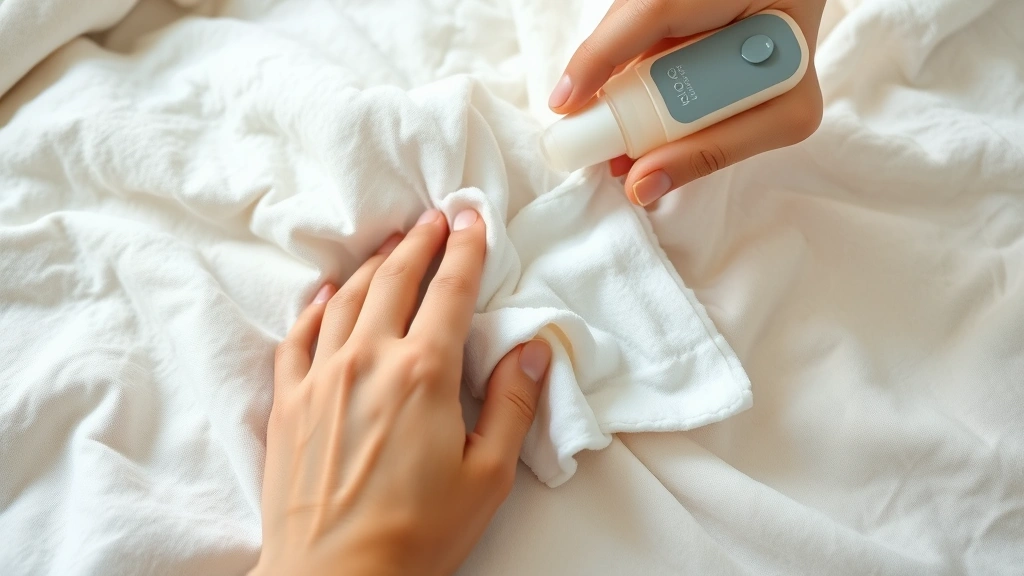
For small stains like food spills, pet accidents, or dirt marks, mix a solution of cool water with a small amount of mild liquid detergent—approximately one teaspoon of detergent per cup of water. Dip a clean white cloth into the solution and gently blot the stained area without rubbing vigorously, which can push the stain deeper into fabric fibers. Rinse the area with a separate cloth dampened with plain cool water, then pat dry with a towel. This method works well for fresh stains and prevents them from setting.
For more stubborn stains like coffee, wine, or grease, create a paste using baking soda and water and apply it directly to the affected area. Allow it to sit for fifteen to thirty minutes, then gently scrub with a soft brush and rinse thoroughly. You can also use a commercial upholstery cleaner specifically formulated for delicate fabrics, following the product instructions carefully.
Reserve full washing for when your blanket shows signs of general dirtiness, develops an odor, or hasn’t been cleaned in several months of regular use. Most weighted blankets need complete washing only two to four times per year, depending on usage intensity and whether you use a protective duvet cover.
Hand Washing Method
Hand washing is the safest cleaning option for most weighted blankets and is recommended by the majority of manufacturers. This method gives you complete control over water temperature, agitation, and detergent concentration, minimizing the risk of damage.
Start by filling a large bathtub or basin with cool water—never use hot water, as it can damage synthetic fabrics and cause certain fillings to shift or degrade. Add a small amount of mild detergent designed for delicate fabrics; you need far less soap than you might think, as excess detergent is difficult to rinse out completely. Popular options include Woolite Delicates, Seventh Generation Free & Clear, or specialized weighted blanket cleaning products available from manufacturers.
Submerge your weighted blanket completely and gently agitate it by hand for several minutes, paying special attention to areas that contact your skin regularly—the edges where your head rests, the side where you lie against it, and any high-traffic contact zones. Avoid wringing, twisting, or bunching the blanket, as these actions stress seams and can cause filling material to shift within compartments.
Drain the soapy water and rinse the blanket thoroughly with cool, clean water. You may need to drain and refill the tub three to five times to remove all detergent residue, which is essential for preventing skin irritation and maintaining fabric softness. The water should run clear when the blanket is gently squeezed.
Once rinsing is complete, gently press out excess water without wringing. You can carefully fold the blanket and press it against the tub sides to remove water. Some people place their weighted blanket in a mesh laundry bag and use the spin cycle of a washing machine set to gentle or delicate mode to remove excess water more efficiently—check your care label to see if this is permitted.
Machine Washing Guidelines
Some weighted blankets are labeled as machine-washable, but this requires careful execution. Always check your specific blanket’s care instructions, as not all weighted blankets can withstand machine washing safely.
If machine washing is permitted, use your washing machine’s delicate or gentle cycle with cool water. Place the blanket inside a mesh laundry bag or large washing machine net bag to provide additional protection and prevent excessive agitation. Add mild detergent—approximately half the amount you’d normally use for a regular load—and avoid any fabric softeners, bleach, or color-safe bleach products.
Set the water level to high to ensure the blanket has plenty of space to move freely without bunching. Run only one gentle cycle and skip any pre-soak functions. Do not use the heavy-duty or normal wash cycles, as the increased agitation can damage seams, cause filling material to bunch, and potentially rupture the inner compartments where the weighted material is contained.
After the wash cycle completes, remove the blanket immediately to prevent mildew development and color bleeding. Never leave a wet weighted blanket sitting in the machine, as this creates conditions for mold and mildew growth, which can cause odors and potential health concerns.
Proper Drying Techniques
Drying is perhaps the most critical step in washing a weighted blanket, as improper drying can cause mildew, uneven drying that traps moisture, and damage to both the cover and filling materials. The safest drying method is air drying, though this requires planning due to the time investment.
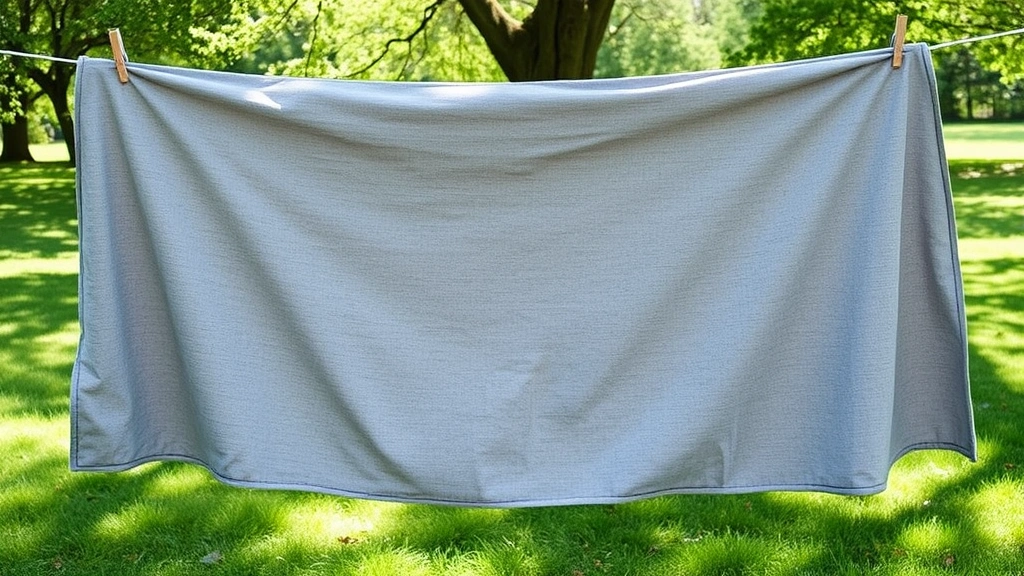
Lay your weighted blanket flat on a clean surface or hang it over a clothesline in a well-ventilated area with good air circulation. Avoid direct sunlight for extended periods, as UV rays can fade colors and potentially damage certain fabric types. If hanging, use padded hangers or fold it over a thick rope to distribute weight evenly and prevent stress on seams.
During the drying process, periodically rotate and gently redistribute the blanket to ensure even drying. This is particularly important for blankets with compartmentalized filling, as you want to prevent the weighted material from settling unevenly. Every few hours, gently lift and shift the blanket’s position, and if it’s draped over a line, flip it to the other side.
Complete air drying typically takes twenty-four to forty-eight hours depending on humidity levels, temperature, and air circulation. You can accelerate the process by placing a fan nearby to increase air movement, but avoid using a clothes dryer, as the heat and tumbling can damage delicate fabrics, warp plastic or glass fillings, and create fire hazards with certain filling materials.
If you must use a dryer due to time constraints, use the lowest heat setting available—air-dry or no-heat mode if available—and run it for very short intervals of ten to fifteen minutes at a time, removing the blanket to check progress frequently. Never leave a weighted blanket unattended in a dryer, and consider using wool dryer balls to help distribute weight and prevent clumping.
Your blanket is completely dry when it feels uniform in weight distribution and shows no damp spots when squeezed. Store it in a clean, dry location away from direct sunlight and moisture sources.
Regular Maintenance Tips
Implementing a consistent maintenance routine significantly extends your weighted blanket’s lifespan and keeps it cleaner between full washes. Start by using a duvet cover or protective cover designed specifically for weighted blankets. This removable cover shields the main blanket from dirt, oils, sweat, and spills, and most duvet covers are much easier to wash than the blanket itself. Simply launder your cover every two to four weeks using standard washing machine settings.
Vacuum your weighted blanket monthly using an upholstery attachment on low suction. This removes surface dust, dead skin cells, and debris that accumulate over time. Lay the blanket flat on a bed or clean surface and gently vacuum in one direction, being careful not to snag or pull threads.
Air out your blanket regularly by hanging it outside on a sunny day for a few hours, if weather permits. Sunlight naturally sanitizes fabrics through UV radiation and helps eliminate odors without requiring water or chemicals. This practice is particularly beneficial during warm months.
Inspect your blanket periodically for signs of damage, including small tears, loose seams, or areas where filling material appears to be shifting. Catching these issues early allows you to perform minor repairs before they become major problems. Most weighted blanket manufacturers offer repair services or provide guidance on patching small tears.
If your blanket develops odors between washes, sprinkle baking soda over the surface, let it sit for fifteen to twenty minutes, then vacuum thoroughly. This natural deodorizer eliminates smells without requiring full washing. You can also lightly mist the blanket with a fabric freshener designed for delicate materials.
For additional home maintenance guidance beyond blanket care, explore our comprehensive how-to guides covering various household tasks. If you’re looking to improve other aspects of home cleanliness, our guide on cleaning a coffee maker provides similar detailed instructions for appliance maintenance.
FAQ
Can I use fabric softener when washing my weighted blanket?
No, avoid fabric softeners entirely. These products leave residue that reduces breathability, can irritate sensitive skin, and may interfere with the therapeutic properties of the blanket. Stick to mild detergent alone for best results.
How often should I wash my weighted blanket?
Most experts recommend washing your weighted blanket two to four times per year if you use a protective duvet cover. Without a cover, increase frequency to monthly or every two months. Adjust based on personal use, climate, and any spills or accidents.
Is dry cleaning safe for weighted blankets?
Check your care label first, as some manufacturers approve dry cleaning while others explicitly prohibit it. If approved, use a dry cleaner experienced with weighted blankets and delicate fabrics. Professional dry cleaning costs more but may be worth it for high-end blankets.
What should I do if my weighted blanket smells bad?
First, try airing it outside for several hours in sunlight. If the odor persists, sprinkle baking soda over the surface and let it sit overnight before vacuuming. For stubborn odors, a full hand wash is necessary. Prevent future odors by ensuring your blanket dries completely and by using a protective cover.
Can I wash a weighted blanket with other items?
No, always wash your weighted blanket separately. Washing it with other items increases agitation, risks color bleeding, and prevents proper cleaning. The weight and different drying time also make it incompatible with regular laundry loads.
What if my weighted blanket has a removable cover?
If your blanket has a detachable outer cover, remove it and wash it separately using your washing machine’s normal cycle with cool water and mild detergent. Wash the inner blanket by hand or gentle machine cycle as directed. This design makes maintenance significantly easier.
Are there weighted blanket-specific cleaning products?
Yes, several manufacturers produce specialized cleaning products formulated for weighted blankets. These are gentler than standard detergents and often contain ingredients that help maintain fabric softness. However, high-quality mild detergents work well and are more economical.
Proper care of your weighted blanket ensures it continues delivering the therapeutic benefits that make it such a valuable sleep aid. By following these expert cleaning tips and maintenance practices, you’ll protect your investment and enjoy years of restful, rejuvenating sleep. Remember that when in doubt, hand washing and air drying are always the safest choices, and contacting your manufacturer directly is never a waste of time when preserving your blanket’s condition is at stake.

Related Posts

Superscript in Google Docs: Expert Tips

Strikethrough in Excel: Easy Steps for Beginners
