
Silencing a Smoke Alarm: Expert Tips Revealed
Silencing a Smoke Alarm: Expert Tips Revealed
A blaring smoke alarm can be one of the most stressful household sounds, whether it’s triggered by burnt toast, cooking steam, or a genuine safety concern. Understanding how to turn off smoke alarm systems properly is essential for every homeowner. This comprehensive guide walks you through safe methods to silence your alarm while maintaining the safety features that protect your family.
Before diving into solutions, it’s important to distinguish between temporarily silencing an alarm and disabling safety features permanently. Most modern smoke detectors include a hush button that temporarily stops the alarm while still maintaining detection capabilities. Knowing when to use this feature versus when to investigate the cause of the alarm is crucial for home safety.
Understanding Your Smoke Alarm Types
Smoke alarms come in several varieties, and the method to silence them depends on which type you have installed. The most common types include ionization alarms, photoelectric alarms, and dual-sensor alarms that combine both technologies. Each type has different mechanisms for silencing and resetting.
Ionization alarms use radioactive material to detect fast-flaming fires and are particularly sensitive to cooking smoke. Photoelectric alarms detect slow-smoldering fires by sensing light particles in smoke. Understanding which type you have helps you respond appropriately when the alarm sounds. Check your alarm’s packaging or manual to identify your specific model.
Battery-operated alarms are the most common in residential homes and offer the easiest silencing options. Hardwired alarms connected to your home’s electrical system require different procedures. Some modern alarms also include interconnected features that trigger multiple alarms throughout your home simultaneously, which can be particularly challenging to manage during false alarms.
The Hush Button Method
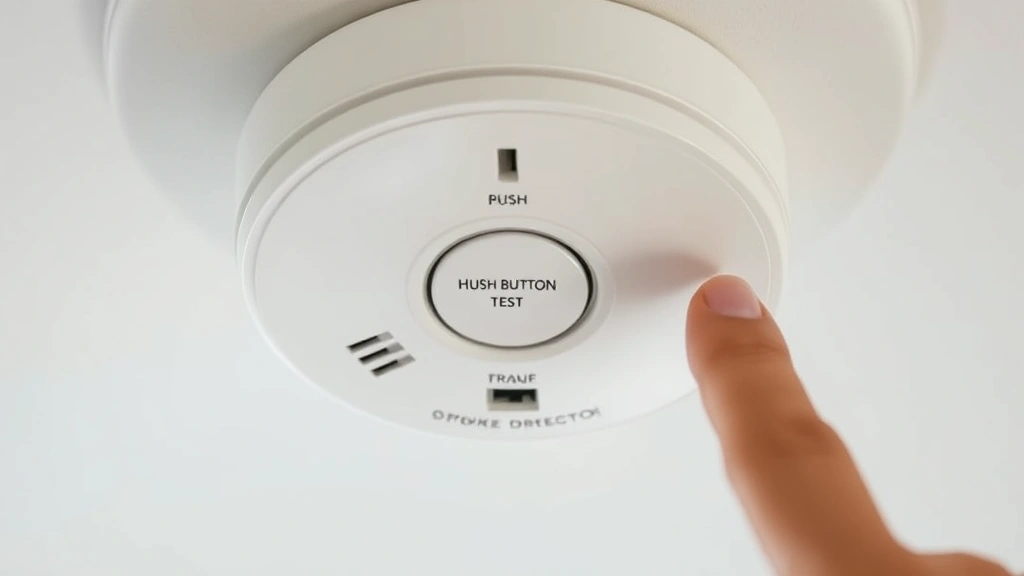
The quickest and safest way to temporarily silence most smoke alarms is using the built-in hush button. This feature, found on virtually all modern detectors, temporarily disables the alarm for 8-10 minutes while maintaining the detector’s ability to sense smoke. This is the preferred method for handling nuisance alarms from cooking.
To use the hush button, locate the button on your alarm’s face—it’s typically labeled and may be slightly recessed. Press and hold the button for 2-3 seconds until you hear a beep or see a light indicator change. The alarm should silence immediately. During this quiet period, open windows and turn on ventilation fans to clear smoke from your home.
The hush button is particularly useful when cleaning a coffee maker or cooking aromatic foods that trigger false alarms. However, if the alarm reactivates after the hush period ends, it indicates genuine smoke in your home that requires investigation. Never ignore a reactivated alarm—it’s your detector working as designed.
Some advanced models include a light indicator that shows when the hush feature is active. These lights help you remember that your alarm is in temporary silent mode and will resume normal operation shortly. Set a mental reminder or phone alarm if needed to ensure you don’t forget about the silenced detector.
Removing the Battery
For battery-operated smoke alarms, removing the battery completely stops all sounds and function. This method should only be used when you’re certain no fire risk exists and you plan to immediately replace the battery or address the cause of the alarm.
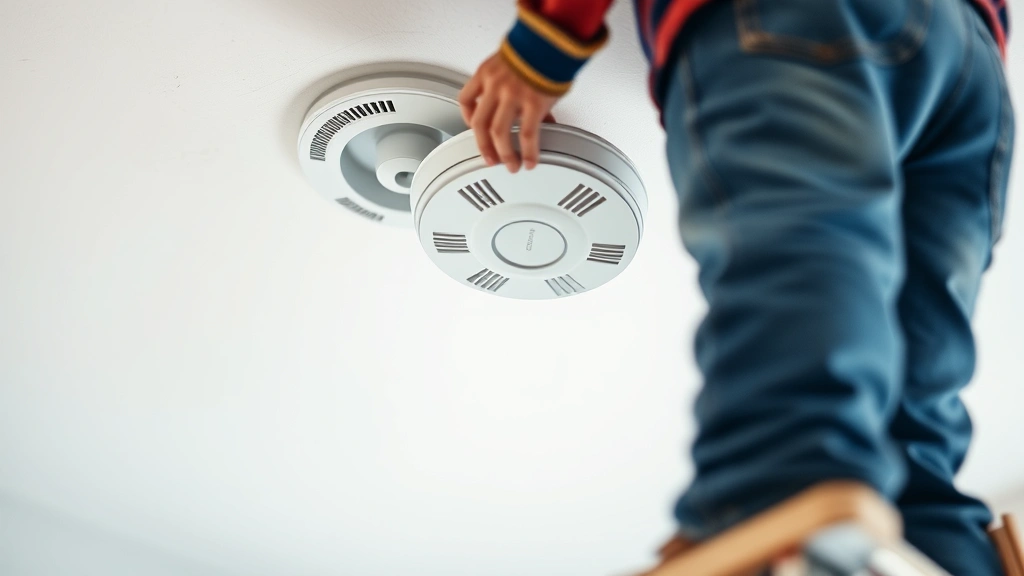
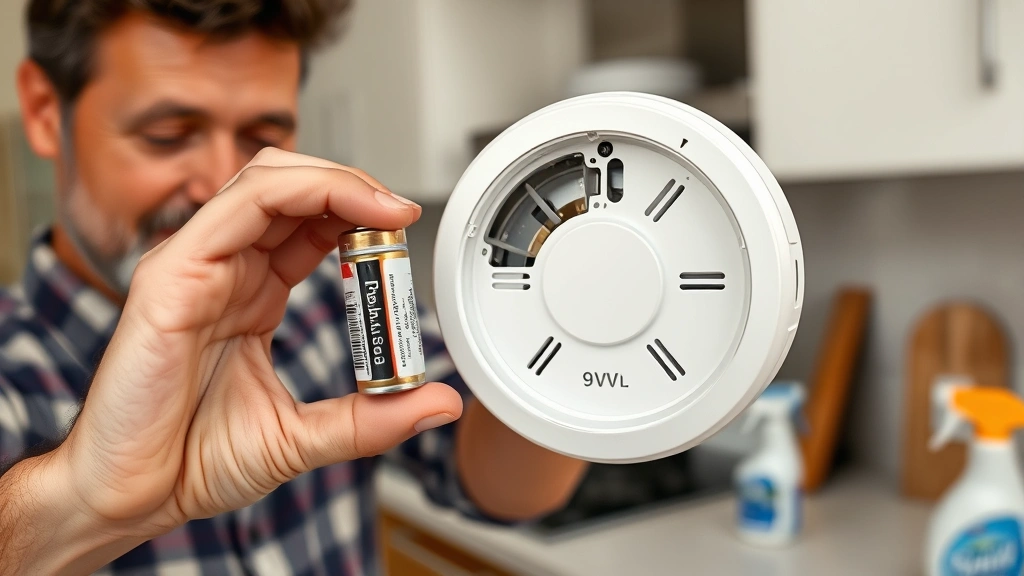
To safely remove a battery, first locate your alarm and determine if it’s battery-powered by checking for visible battery compartments. Most battery-operated detectors mount to the ceiling or wall with a twist-lock mechanism. Gently twist the alarm counterclockwise to release it from the mounting bracket, then slide out the old battery.
Before reinstalling, clean the alarm’s sensor chamber with a soft brush or vacuum to remove dust and debris that might trigger future false alarms. Dust accumulation is one of the most common causes of nuisance alarms in homes. Once cleaned, insert a fresh battery—always use the exact type specified by the manufacturer, typically 9-volt or AA batteries.
The National Fire Protection Association recommends replacing smoke alarm batteries at least twice yearly, ideally during daylight saving time transitions. This simple maintenance task ensures your alarms function properly when needed most. Consider scheduling regular home maintenance reminders to keep track of battery replacement dates.
Turning Off Hardwired Alarms
Hardwired smoke alarms connected to your home’s electrical system present more complex silencing challenges. These alarms typically have backup batteries and cannot be simply unplugged. Attempting to disable them improperly can compromise your home’s safety system.
The safest approach to silence a hardwired alarm is using its hush button, which works identically to battery-operated models. Press and hold the button for several seconds until the alarm quiets. If your hardwired alarm lacks a hush button or continues alarming, locate your home’s circuit breaker panel.
In the breaker panel, find the breaker labeled for smoke detectors or alarms—it may be grouped with other safety systems. Switch this breaker to the off position, which disables power to the hardwired alarms while maintaining their backup battery function. Leave the breaker off only long enough to address the alarm’s cause, then switch it back on immediately.
Never cut wires or attempt to physically disable hardwired alarms without professional assistance. These systems are integrated into your home’s safety infrastructure and may be connected to security monitoring services. Improper tampering could void warranties and compromise fire detection throughout your entire home.
Some hardwired systems include a master control panel where you can silence multiple interconnected alarms simultaneously. Check your system’s documentation to understand if this feature exists in your home. If you’re uncertain about your system’s configuration, contact a licensed electrician for guidance.
Addressing False Alarms
Understanding why your alarm sounds helps prevent future false alarms and ensures you respond appropriately. Cooking is the leading cause of nuisance alarms in homes, particularly when preparing foods with strong odors or high smoke production. Grilling, frying, and broiling trigger alarms more frequently than other cooking methods.
When your alarm sounds during cooking, immediately open nearby windows and activate exhaust fans. If you have a range hood with a vent to the exterior, turn it to maximum setting. These ventilation steps clear smoke quickly and may silence the alarm before the hush feature is needed. This approach is more effective than immediately reaching for the silence button.
Steam from showers and baths also triggers photoelectric alarms frequently. Installing your smoke alarm at least 10 feet away from bathrooms and kitchens reduces these false alarms significantly. If your current alarm placement is too close to moisture sources, consider relocating it to a more appropriate location following building code requirements and manufacturer guidelines.
Dust accumulation inside the alarm’s sensor chamber is another common culprit for false alarms. Over time, dust particles can trigger the photoelectric sensor or interfere with ionization detection. Gently vacuuming the exterior vents monthly and cleaning the interior annually prevents dust-related false alarms. Use a soft brush attachment to avoid damaging delicate internal components.
If your alarm continues sounding despite no visible smoke or cooking activity, it may indicate a malfunction or the need for battery replacement. Some alarms emit a chirping sound when batteries are low—this distinctive sound differs from the full alarm and requires battery replacement, not silencing. Addressing the underlying cause prevents future disturbances and ensures your safety system functions properly.
Maintenance and Prevention
Regular maintenance is the best strategy for preventing unnecessary alarms and ensuring your detectors work when genuinely needed. Test your smoke alarms monthly by pressing the test button and listening for the alarm sound. This simple 30-second task confirms your detectors are functional and helps you become familiar with the alarm sound.
Replace batteries in battery-operated alarms twice yearly, and replace entire units every 10 years regardless of battery condition. Older detectors become less sensitive over time and may fail to detect real fires. Mark your calendar with replacement dates to ensure you don’t overlook this critical safety task.
Position smoke alarms on every level of your home, inside bedrooms, and in hallways leading to sleeping areas. Avoid placing them in kitchens, bathrooms, or near heating vents where steam and dust naturally accumulate. Proper placement balances fire detection capability with reduced false alarm frequency.
If you’re experiencing persistent false alarms, consider upgrading to dual-sensor alarms that combine ionization and photoelectric detection. These advanced models are less prone to nuisance alarms from cooking while maintaining superior fire detection. Alternatively, consult This Old House’s guide to proper smoke detector installation for detailed placement recommendations.
Keep your home’s humidity levels moderate to prevent moisture-related false alarms. Use exhaust fans during showers and cooking to direct steam outside rather than allowing it to circulate through your home. Installing a whole-home dehumidifier in particularly humid climates can significantly reduce moisture-triggered alarms.
Document your smoke alarm installation dates and maintenance activities. This record proves you’ve maintained your safety systems properly and is valuable if you ever need to file an insurance claim. Some homeowners insurance policies offer discounts for homes with well-maintained smoke detection systems.
FAQ
How long does the hush button silence a smoke alarm?
Most hush buttons silence alarms for 8-10 minutes, allowing time to ventilate your space and clear the smoke. If the alarm reactivates after this period, genuine smoke remains in your home and requires investigation. Never ignore a reactivated alarm.
Can I disable my smoke alarm permanently?
Permanently disabling smoke alarms is illegal in most jurisdictions and extremely dangerous. Smoke alarms save lives by providing early warning of fires. Instead of disabling alarms, address the root causes of false alarms through proper placement, maintenance, and ventilation.
What should I do if my hardwired alarm won’t stop sounding?
First, try the hush button if available. If that fails, switch off the corresponding breaker at your electrical panel. If the alarm still sounds on battery backup, check if the battery is low or if the unit requires replacement. Contact a licensed electrician if problems persist.
Why does my smoke alarm chirp instead of alarming?
A chirping sound, typically occurring every 30-60 seconds, indicates low battery in most models. Replace the battery immediately—this is different from silencing an active alarm. Never ignore battery warning chirps, as they indicate your detector may not function properly during a real fire.
How can I prevent cooking-related false alarms?
Turn on range hood exhaust fans before cooking, open windows to ventilate, and move your alarm away from the kitchen if possible. For frequent false alarms, upgrade to dual-sensor alarms or consider installing a heat detector in the kitchen instead of a smoke detector.
Is it safe to remove a hardwired smoke alarm’s battery?
Yes, removing the backup battery from a hardwired alarm is safe if the breaker is also switched off. However, this should only be temporary while addressing the alarm’s cause. Restore power and battery immediately afterward to maintain your home’s fire safety system.

Related Posts

Superscript in Google Docs: Expert Tips

Strikethrough in Excel: Easy Steps for Beginners
