
Is Your Pineapple Ripe? Expert Tips to Know
Is Your Pineapple Ripe? Expert Tips to Know
Selecting the perfect pineapple can feel like a mystery, especially when you’re standing in the produce aisle surrounded by dozens of similar-looking fruits. Whether you’re planning a tropical smoothie, grilling pineapple slices, or adding it to your favorite recipe, knowing how to tell if pineapple is ripe is essential for getting the best flavor and texture. A ripe pineapple offers sweet, juicy flesh and vibrant tropical notes, while an underripe one tastes bland and fibrous, and an overripe fruit becomes mushy and fermented.
The good news is that identifying a ripe pineapple doesn’t require special tools or expertise—just your senses and a few proven techniques. In this comprehensive guide, we’ll walk you through multiple methods to assess ripeness, including visual inspection, tactile tests, aroma evaluation, and weight assessment. You’ll also learn about storage tips, common mistakes to avoid, and how to ripen pineapples at home if needed. By the end, you’ll be confident selecting perfect pineapples every single time.
Visual Signs of Ripeness
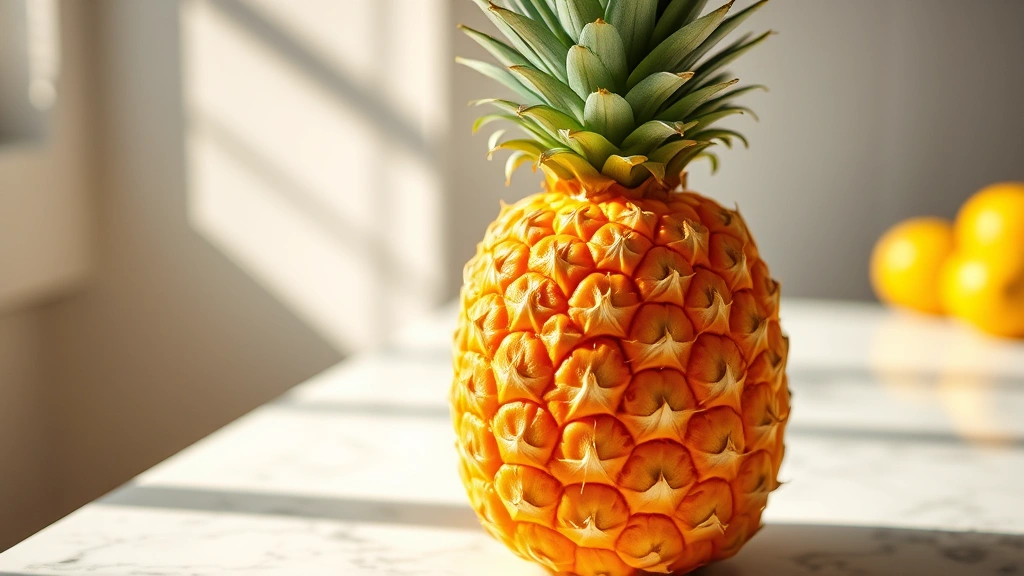
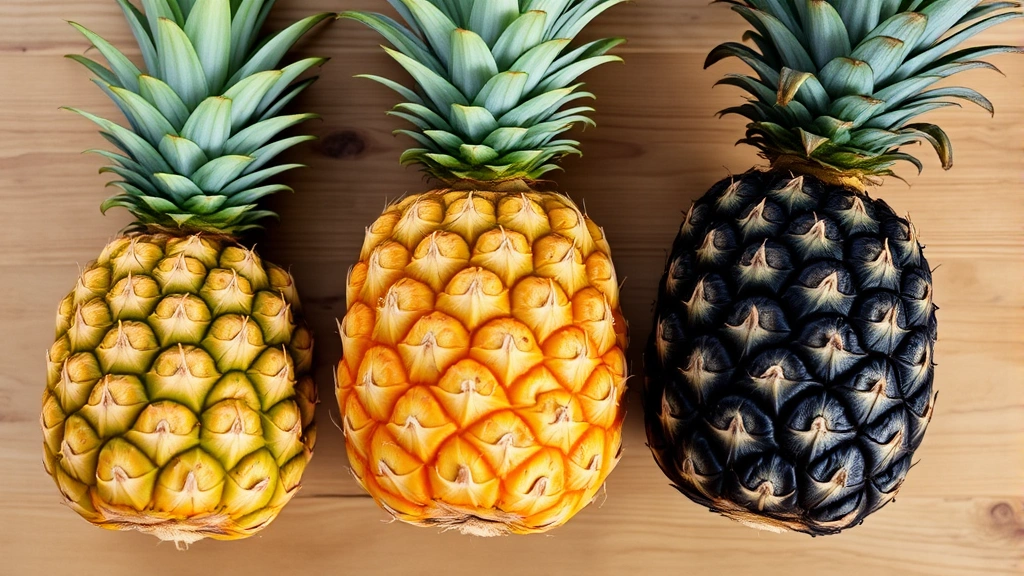
The first thing you’ll notice when examining a pineapple is its color, which serves as an excellent initial indicator of ripeness. A ripe pineapple typically displays a golden-yellow hue across most of its body, though some varieties may retain slight green patches even when fully mature. Look for fruits with vibrant, warm coloring rather than bright green or dull brown appearances.
The base of the pineapple—the bottom end where it once connected to the plant—often shows ripeness more clearly than other areas. This section should have a deeper golden tone and may appear slightly softer than the sides. If the entire fruit is uniformly green, it’s likely underripe and will benefit from a few more days of ripening. Conversely, brown patches, dark spots, or areas of discoloration suggest overripeness or potential decay.
The diamond-shaped pattern of the pineapple’s skin (called the “eyes”) can also provide clues. In a ripe pineapple, these eyes appear flat or slightly sunken rather than raised or prominent. The overall skin should look smooth and relatively unblemished, without soft spots or signs of mold growth. Keep in mind that some browning near the crown (the leafy top) is normal and doesn’t indicate poor quality.
The Touch Test Method
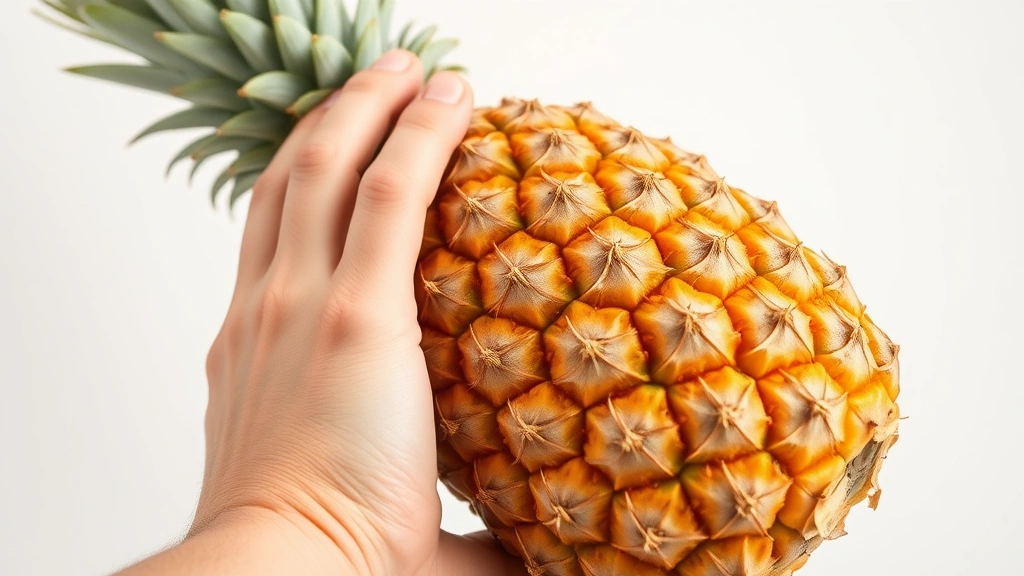
Beyond visual inspection, the touch test is perhaps the most reliable way to assess pineapple ripeness. Gently squeeze the fruit using moderate pressure with your fingers and palm. A ripe pineapple should yield slightly to pressure—not hard and rigid like an underripe fruit, but not mushy either. The flesh should feel firm yet give way just a bit when pressed, similar to the feeling of a ripe avocado.
Press different areas of the pineapple to ensure consistent ripeness throughout. If one spot feels significantly softer than others, that area may be overripe or damaged. The crown (leafy top) should feel sturdy and not pull out easily—if you can remove a leaf without effort, the fruit may be overripe or beginning to deteriorate.
Avoid squeezing too hard, as you could damage the fruit or leave bruises that lead to faster spoilage. Use a gentle but firm grip, applying pressure for just a second or two. If you’re at a farmer’s market or produce stand, the vendor may appreciate you being gentle with their merchandise. This method works best when combined with other ripeness indicators rather than relying on it exclusively.
The weight of the pineapple in your hand also contributes to the touch test. A ripe pineapple feels heavy for its size because it’s full of juice and sugars. Pick up two similar-sized pineapples and compare their weight—the heavier one is likely riper and will taste sweeter.
Aroma and Smell Assessment
One of the most underutilized methods for determining pineapple ripeness is the smell test. Bring the fruit to your nose and inhale gently near the base of the fruit. A ripe pineapple emits a sweet, tropical fragrance that’s distinctly pleasant and fruity. This aroma indicates that sugars have developed and the fruit has reached optimal sweetness.
An underripe pineapple will have little to no smell, or the aroma may be slightly green and vegetal rather than sweet. This is your signal that the fruit needs more time to develop its sugar content. An overripe pineapple may smell fermented, alcoholic, or slightly off—these are warning signs that the fruit is beginning to break down and won’t taste pleasant.
Don’t rely solely on smell, as some individuals have a reduced sense of smell, and certain pineapple varieties naturally have subtler aromas than others. However, when combined with visual and tactile assessments, the smell test provides valuable confirmation. If the fruit smells sweet and tropical, and it passes the other ripeness tests, you’ve found a winner.
Weight, Color, and Crown Indicators
The crown—the cluster of spiky leaves at the top of the pineapple—offers several clues about ripeness. The leaves should be vibrant green and firm, not brown, wilted, or drooping. However, some browning near the base of the crown is natural and doesn’t indicate poor quality. If you can easily pluck a leaf from the crown, the fruit may be overripe.
Color progression is a reliable indicator when you understand what to look for. Most pineapples transition from green to golden-yellow as they ripen. However, the exact shade varies by variety—some pineapples are naturally redder or more orange. Look for a consistent color across the fruit rather than focusing on a specific shade. The transition should be gradual; avoid fruits with stark color contrasts or unusual markings.
Weight is particularly important because it indicates juice content. A ripe pineapple should feel substantially heavier than its size suggests. This density comes from the liquid and sugar that develop as the fruit ripens. If a pineapple feels light or hollow, it’s probably underripe or has been stored for too long and has begun to lose moisture.
Size doesn’t necessarily correlate with ripeness or quality. A small ripe pineapple will taste better than a large underripe one. Focus on the other indicators rather than assuming that bigger automatically means better. Smaller pineapples may actually be sweeter, as they’ve had more time to concentrate their sugars.
Ripening Pineapples at Home
If you’ve selected a pineapple that’s slightly underripe, don’t worry—you can ripen it at home with proper technique. Unlike some fruits, pineapples don’t continue to ripen significantly after being harvested, but you can encourage any remaining ripening process by storing them correctly.
Place your underripe pineapple at room temperature, ideally between 68-72°F (20-22°C), away from direct sunlight. Most underripe pineapples will show improvement within 1-3 days under these conditions. Check the fruit daily using the methods described earlier—visual inspection, touch test, and aroma assessment—to monitor progress.
To speed up ripening slightly, you can place the pineapple in a paper bag with a ripe banana or apple. These fruits release ethylene gas, which can stimulate ripening in nearby produce. Keep the bag at room temperature and check daily. This method works better for some fruits than others, but it’s worth trying if you need the pineapple ready quickly.
Never use heat sources like ovens or microwaves to artificially ripen pineapples—this damages the fruit’s structure and won’t actually improve flavor. Similarly, refrigerating an underripe pineapple slows any ripening process and should be avoided until the fruit reaches desired ripeness.
Once your pineapple reaches the desired ripeness level, you can move it to the refrigerator to slow further deterioration. A ripe pineapple lasts 3-5 days in the refrigerator, compared to just 1-2 days at room temperature. Cut pineapple should be stored in an airtight container and consumed within 3-4 days.
Storage and Shelf Life
Proper storage extends your pineapple’s lifespan and maintains its quality. At room temperature, a ripe pineapple lasts approximately 1-2 days before beginning to deteriorate. The fruit will continue to soften, and the interior will gradually break down, leading to mushiness and potential fermentation.
Refrigeration dramatically extends shelf life. A ripe pineapple stored in the crisper drawer of your refrigerator will remain fresh for 3-5 days. The cold temperature slows the ripening process and natural decay. Remove the pineapple 30 minutes before cutting or serving to allow it to warm slightly, which enhances flavor perception.
For longer storage, consider freezing pineapple chunks. Cut the fruit into desired sizes, remove the core, peel, and eyes, then place the pieces on a baking sheet to freeze individually. Once frozen solid, transfer the pieces to freezer bags. Frozen pineapple lasts 6-12 months and works wonderfully in smoothies, baking, and cooking, though the texture becomes softer when thawed.
Store whole pineapples away from ethylene-producing fruits like apples, bananas, and avocados if you want to slow ripening. Conversely, if you need the pineapple to ripen faster, placing it near these fruits accelerates the process. Keep pineapples in a well-ventilated area to prevent moisture accumulation and mold growth.
The crown leaves can be composted or propagated to grow new pineapple plants indoors. To propagate, twist off the crown, remove lower leaves, and place it in water until roots develop (usually 2-3 weeks). Once rooted, transplant to soil. This is a fun project but requires patience—pineapple plants take 2-3 years to produce fruit.
Common Mistakes to Avoid
Many people make predictable errors when selecting pineapples, leading to disappointment. One of the most common mistakes is assuming that a green pineapple is underripe. While color is important, some pineapple varieties naturally retain green coloring even when fully ripe. Always combine color assessment with other indicators like the touch test and aroma check.
Another frequent error is squeezing the pineapple too hard, either during selection or as part of a ripeness test. Excessive pressure bruises the fruit, creating soft spots that accelerate decay and allow bacteria to enter. Use gentle to moderate pressure only, and avoid the crown area entirely when testing.
Buying pineapples based solely on size is a mistake. Larger pineapples aren’t necessarily sweeter or better quality than smaller ones. Focus on ripeness indicators rather than dimensions. A small, perfectly ripe pineapple offers superior flavor to a large, underripe fruit.
Storing pineapples in the refrigerator before they’re fully ripe slows the ripening process significantly. While refrigeration is excellent for maintaining ripeness, it’s counterproductive for underripe fruit. Always ripen at room temperature first, then refrigerate once desired ripeness is achieved.
Ignoring the base of the pineapple is another common oversight. The bottom end typically shows ripeness more clearly than other areas and should be your primary focus when assessing color and firmness. A soft, golden base indicates ripeness even if other areas still show some green coloring.
Many people also fail to account for individual variety differences. Some pineapple types are naturally sweeter or have different color patterns when ripe. If you find a variety you love, remember its characteristics so you can identify ripeness more easily next time. Building familiarity with your preferred varieties improves your selection success rate.
FAQ
How long does it take for a pineapple to ripen at room temperature?
An underripe pineapple typically takes 1-3 days to reach full ripeness at room temperature (68-72°F). The exact timeline depends on how underripe it was initially. Check daily using the touch test and aroma assessment to monitor progress. Some pineapples may not ripen much further after harvest, so managing expectations is important.
Can you eat an underripe pineapple?
Technically yes, but it won’t taste good. Underripe pineapple is bland, fibrous, and lacks the sweetness and tropical flavor of ripe fruit. The texture may be tough and woody rather than tender and juicy. It’s better to wait for ripeness or use underripe pineapple in cooked dishes where sweetness can be added and texture is less critical.
What does an overripe pineapple smell like?
An overripe pineapple smells fermented, alcoholic, or slightly vinegary—distinctly unpleasant compared to the sweet tropical aroma of a properly ripe fruit. If you notice this smell, the fruit has begun to break down and won’t taste good. It’s best to avoid purchasing fruits with this aroma.
Is the crown of a pineapple edible?
The crown leaves themselves are not edible, but they can be composted or propagated to grow new plants. The actual fruit is located below the crown, in the body of the pineapple. Some people make pineapple leaf tea, but the raw leaves are tough and fibrous.
Why is my pineapple hard even though it looks ripe?
A pineapple that looks ripe but feels hard may have been harvested early and not allowed to ripen fully. Some varieties are naturally firmer than others. Continue ripening at room temperature for another day or two, and retest. If it doesn’t soften, it may be a variety that naturally has firmer flesh.
Can you refrigerate a pineapple before it’s ripe?
Refrigerating an underripe pineapple slows the ripening process significantly. It’s better to ripen the fruit at room temperature first, then refrigerate once it reaches desired ripeness. If you accidentally refrigerate an underripe pineapple, remove it and let it sit at room temperature for a day or two before cutting.
How do you know if a pineapple is bad?
Signs of a bad pineapple include soft, mushy spots; visible mold or unusual discoloration; a fermented or off smell; dark brown or black areas; and a crown that pulls out easily. Trust your senses—if something seems wrong with the fruit, it probably is. When in doubt, select a different pineapple.

Related Posts

Superscript in Google Docs: Expert Tips

Strikethrough in Excel: Easy Steps for Beginners
