
Preserve Strawberries: Expert Freezing Tips
Preserve Strawberries: Expert Freezing Tips for Year-Round Enjoyment
Strawberries are one of summer’s greatest pleasures, but their season is fleeting. If you’ve ever found yourself with an abundance of fresh strawberries and wondered how to save strawberry for later use, freezing is your answer. Unlike some fruits that lose their appeal when frozen, strawberries can be preserved beautifully with the right techniques, maintaining much of their flavor and nutritional value for months to come.
Whether you’re dealing with a bumper crop from your garden, a bulk purchase from the farmer’s market, or simply want to extend the strawberry season throughout the year, understanding the proper freezing methods will help you avoid mushy, flavorless berries. This comprehensive guide walks you through every aspect of preserving strawberries, from selection and preparation to storage and creative uses for your frozen bounty.
Why Freeze Strawberries: Understanding the Benefits
Freezing strawberries is one of the most practical ways to extend their availability beyond the brief summer season. When you learn how to save strawberry properly, you’re investing in convenience and nutrition that lasts months. Fresh strawberries are expensive out of season, but frozen ones you’ve prepared yourself cost a fraction of that price and taste infinitely better than commercially frozen varieties.
Beyond economics, frozen strawberries retain approximately 90% of their vitamin C content and maintain good levels of antioxidants, particularly anthocyanins responsible for their vibrant color. Unlike some preservation methods that require special equipment or extensive processing, freezing follows straightforward guidelines that anyone can master. The texture will change—frozen strawberries become softer when thawed—but this actually makes them ideal for smoothies, baking, and sauces where texture matters less than flavor.
Home freezing also gives you complete control over added sugars and preservatives. Commercial frozen strawberries often contain additives that homemade versions don’t need. By taking time to properly preserve your strawberries at home, you’re creating a pantry staple that supports both your budget and your health goals throughout the year.
Selecting and Preparing Strawberries: The Foundation of Success
The quality of your final product depends almost entirely on the strawberries you start with. Choose berries that are firm, fully ripe, and free from mold, bruising, or soft spots. Overripe strawberries will taste mushy and overly sweet when frozen, while underripe ones lack flavor development. The ideal strawberry for freezing has deep red color throughout, though a small white or pale area near the stem is acceptable.
Timing matters significantly when you decide how to save strawberry. Pick or purchase strawberries early in the morning when they’re coolest, or refrigerate them immediately after purchase. The faster you freeze them after purchase, the better the final quality. Plan to process your strawberries within 24 hours of acquiring them for optimal results.
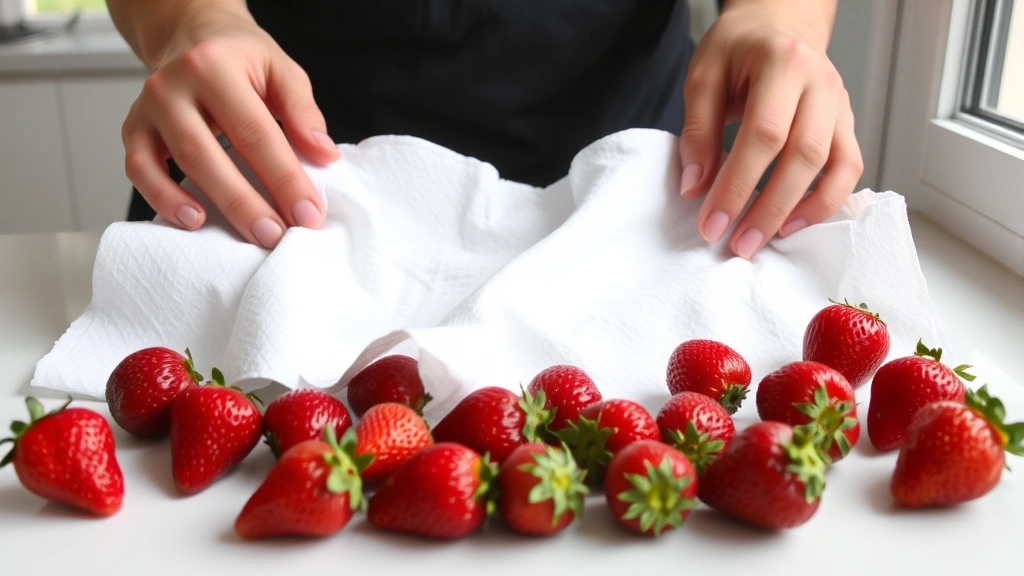
Begin preparation by gently rinsing strawberries under cool running water. Pat them completely dry with paper towels—excess moisture leads to ice crystal formation and freezer burn. Remove the green caps and any white core using a strawberry huller or small paring knife. If you don’t have a huller, check our how-to guides for alternative techniques using common kitchen tools.
Decide whether to freeze whole strawberries or cut them into halves or slices based on your intended use. Whole berries work best for snacking and smoothie bowls, while halves or slices are preferable for baking and sauces since they thaw more quickly and blend more easily. Leave smaller berries whole and halve or quarter larger ones for consistency.
The Flash Freezing Method: Preserving Individual Berries
Flash freezing is the gold standard technique for how to save strawberry while maintaining individual berry integrity. This method prevents berries from clumping together into an unusable block and allows you to remove exactly the quantity you need without thawing everything.
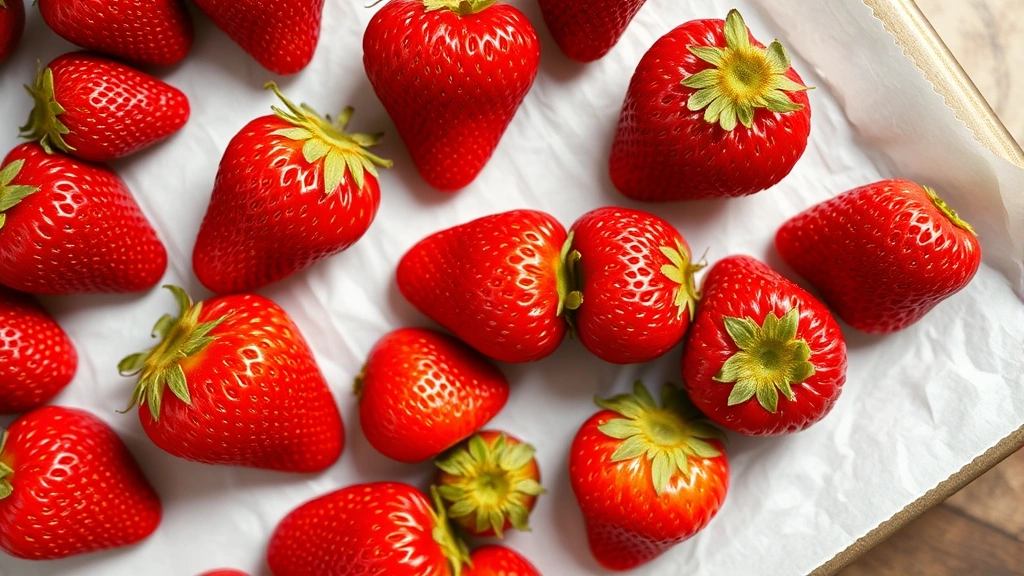
Start by arranging prepared strawberries in a single layer on a baking sheet lined with parchment paper. Ensure berries don’t touch each other—this spacing is crucial for proper freezing. Place the baking sheet in your freezer for 2-3 hours until berries are completely solid. You’ll know they’re ready when they’re hard to the touch and don’t yield to pressure.
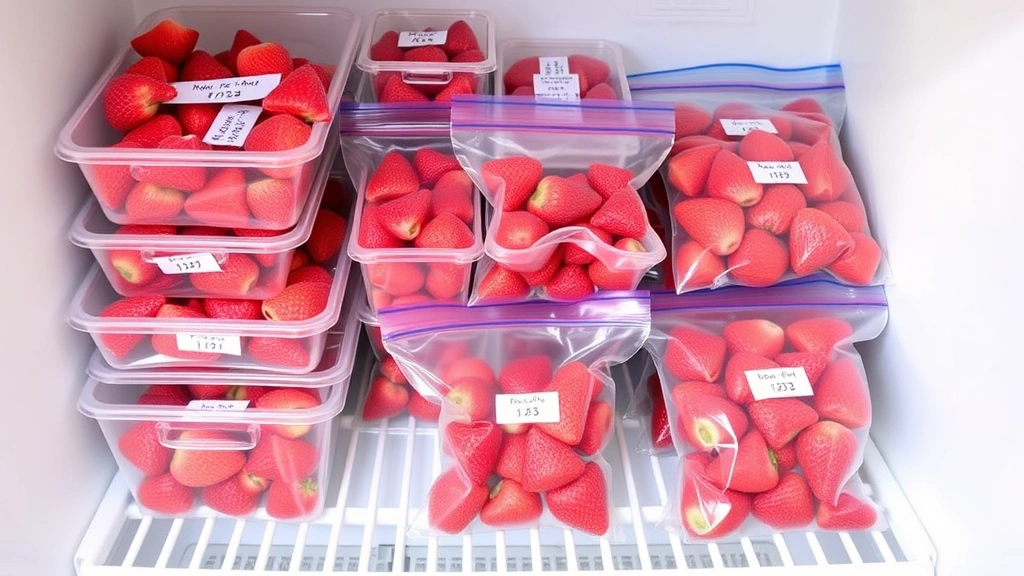
Once frozen solid, transfer the berries into freezer-safe containers or resealable bags. Remove as much air as possible from bags by using the water displacement method: seal the bag almost completely, submerge it in water until the water line reaches near the opening, then finish sealing as the water pressure forces out remaining air. For containers, leave minimal headspace and press plastic wrap directly onto the berry surface before sealing the lid.
Label all containers with the date and contents. Properly flash-frozen strawberries maintain excellent quality for 8-12 months. The individual freezing prevents the formation of large ice crystals that rupture cell walls, which is why flash-frozen berries perform better in applications requiring texture preservation.
Sugar and Syrup Preservation Techniques: Alternative Methods
While flash freezing is ideal for versatility, sugar and syrup methods offer advantages for specific uses. These techniques draw out strawberry juices, creating a naturally sweet preservation medium that enhances flavor for desserts and jams.
Dry Sugar Method: Toss prepared strawberries with granulated sugar using approximately 1/4 cup sugar per quart of berries. Mix gently until sugar dissolves and releases berry juices, usually within 15-20 minutes. Transfer to containers, leaving 1/2 inch headspace for expansion. The resulting syrup keeps berries moist and prevents freezer burn. This method works wonderfully for preparing ingredients for various recipes and desserts.
Syrup Pack Method: Create a light syrup by dissolving 3 cups sugar in 4 cups water over medium heat, then cooling completely. This method is superior for how to save strawberry when you want to serve thawed berries as a dessert or topping. Layer cooled berries in containers and cover with cold syrup, leaving 1/2 inch headspace. The syrup prevents oxidation and maintains color better than dry sugar methods.
Unsweetened Juice Pack: For those monitoring sugar intake, freeze strawberries in their own juice or in 100% apple juice. Layer berries in containers and cover with juice, leaving proper headspace. This method requires no added sugar while still protecting berries from freezer burn and oxidation.
Each method has distinct advantages. The dry sugar method creates intense flavor perfect for jams and preserves. The syrup pack excels for serving thawed berries over ice cream or in desserts. The juice pack offers a lighter option for smoothies and health-conscious applications. Choose based on your intended use and dietary preferences.
Storage and Shelf Life: Maximizing Frozen Quality
Proper storage conditions are essential to maintain quality once you’ve learned how to save strawberry. Freezer temperature should remain at 0°F (-18°C) or colder. Fluctuating temperatures cause ice crystal growth and quality degradation, so avoid placing frozen strawberries on door shelves where temperature varies with frequent opening.
Use airtight, freezer-safe containers designed to withstand cold temperatures. Plastic containers crack in extreme cold, while glass containers work well but take up more space. Heavy-duty freezer bags are economical and space-efficient when properly sealed. Whichever container you choose, ensure it’s labeled clearly with contents and freezing date using a permanent marker.
Properly frozen strawberries maintain excellent quality for 8-12 months and remain safe to eat for up to 2 years, though quality gradually declines. The longer strawberries remain frozen, the more ice crystals form and the softer they become upon thawing. Plan your usage accordingly and practice first-in-first-out rotation to use oldest berries first.
Protect frozen strawberries from freezer burn by maintaining consistent temperature and using proper containers with minimal air exposure. Freezer burn doesn’t make strawberries unsafe but affects texture and flavor. If you notice significant freezer burn, those berries work best in smoothies or cooked applications where texture matters less.
Using Your Frozen Strawberries: Creative Applications
The beauty of properly preserved strawberries is their versatility. Unlike fresh berries with limited applications, frozen strawberries excel in numerous culinary uses. Understanding these options helps you choose the best preservation method for your anticipated needs.
Smoothies and Beverages: Frozen strawberries are ideal for smoothies, requiring no ice and maintaining thick, creamy texture. Blend directly from frozen with yogurt, milk, and other ingredients. They’re perfect for preparing breakfast components that pair well with coffee. No thawing required—they’ll chill your beverage while blending.
Baking and Desserts: Use frozen strawberries in muffins, cakes, cobblers, and pies. Don’t thaw them before mixing into batter to prevent pink streaks throughout your finished product. The berries will thaw during baking while maintaining their structure. For recipes requiring thawed berries, thaw them in the refrigerator for 4-6 hours, capturing any released juices to incorporate into your recipe.
Jams and Preserves: Frozen strawberries are excellent for jam-making, often requiring less added pectin since freezing breaks down cell walls, releasing more natural pectin. Check reliable cooking resources for detailed jam recipes using frozen fruit.
Compotes and Sauces: Simmer frozen strawberries with a little sugar and lemon juice to create compotes perfect for yogurt, pancakes, and cheesecake topping. The soft texture of thawed frozen berries works perfectly for sauce applications.
Ice Cream and Frozen Desserts: Blend thawed strawberries with sugar and cream to make homemade ice cream, or layer them into store-bought ice cream for strawberry swirl. Their soft texture after freezing makes them ideal for these applications.
Common Mistakes to Avoid When Freezing Strawberries
Even with the best intentions, common errors can compromise your frozen strawberry quality. Understanding these pitfalls helps you achieve consistently excellent results.
Freezing Wet Berries: This is the most common mistake. Excess moisture creates ice crystals that rupture cell walls, resulting in mushy texture upon thawing. Always pat strawberries completely dry with paper towels before freezing.
Overcrowding During Flash Freezing: Berries touching each other during the initial freezing phase will freeze together. Use multiple baking sheets if necessary to maintain single-layer spacing. This extra effort pays dividends when you need individual berries later.
Improper Container Selection: Using non-freezer-safe containers or leaving excessive headspace allows air exposure that causes freezer burn. Invest in quality freezer containers and follow headspace guidelines for your chosen preservation method.
Temperature Fluctuations: Opening your freezer frequently or storing strawberries where temperature varies causes quality degradation. Maintain consistent freezing temperature and use an appliance thermometer to verify your freezer stays at 0°F or colder.
Thawing Improperly: Thawing at room temperature causes flavor loss and texture breakdown. Always thaw frozen strawberries in the refrigerator, which takes 4-6 hours depending on size and quantity. For smoothies, skip thawing entirely and blend from frozen.
Waiting Too Long to Freeze: Strawberries begin deteriorating immediately after picking. Freeze them within 24 hours of purchase for optimal quality. Delays allow natural enzymes to break down cell structure, resulting in softer berries regardless of freezing technique.
Mixing Ripeness Levels: Combining underripe and overripe berries creates inconsistent results. Sort berries by ripeness level and freeze similar berries together for uniform quality and thawing characteristics.
Frequently Asked Questions
Can I freeze strawberries without any preparation?
While you technically can freeze unwashed, uncapped strawberries, this isn’t recommended. Dirt and mold spores freeze with the berries, and caps can become difficult to remove after freezing. Proper preparation takes minimal time and significantly improves final quality.
Do frozen strawberries work in fresh applications like salads?
Thawed frozen strawberries have softer texture unsuitable for fresh salads. However, you can use them in grain salads with dressing, or serve them partially frozen as a cold topping. For applications requiring firm texture, use fresh berries.
How do I know if my frozen strawberries have gone bad?
Properly frozen strawberries remain safe indefinitely, but quality declines over time. Discard them if you notice off-odors, mold growth, or significant freezer burn. Thawed berries showing unusual colors or smells should be discarded.
Can I refreeze strawberries after thawing?
Refreezing is safe if thawed berries were refrigerated and remain at safe temperature. However, quality degrades significantly with each freeze-thaw cycle. Reserve refrozen berries for cooked applications like jams or smoothies.
What’s the best way to thaw frozen strawberries?
Refrigerator thawing overnight is ideal, preserving maximum flavor and texture. For faster thawing, place sealed containers in cold water for 2-3 hours. Avoid room temperature or microwave thawing, which causes flavor loss and uneven thawing.
Can I freeze strawberries whole without any special preparation?
Yes, whole berries freeze well using the flash-freezing method. Ensure they’re completely dry and properly spaced during initial freezing. Whole berries take slightly longer to thaw than halves but maintain better structure.

Related Posts

Superscript in Google Docs: Expert Tips

Strikethrough in Excel: Easy Steps for Beginners
