
Passing a Drug Screen: Legal Tips to Know
Passing a Drug Screen for Probation: Legal Tips to Know
If you’re facing a drug screen as part of probation requirements, understanding the process and your rights is essential. Drug testing is a common condition of probation, and knowing how to prepare legally can help reduce anxiety and ensure you’re compliant with court-ordered obligations. This comprehensive guide covers everything you need to know about passing drug screens while maintaining legal compliance.
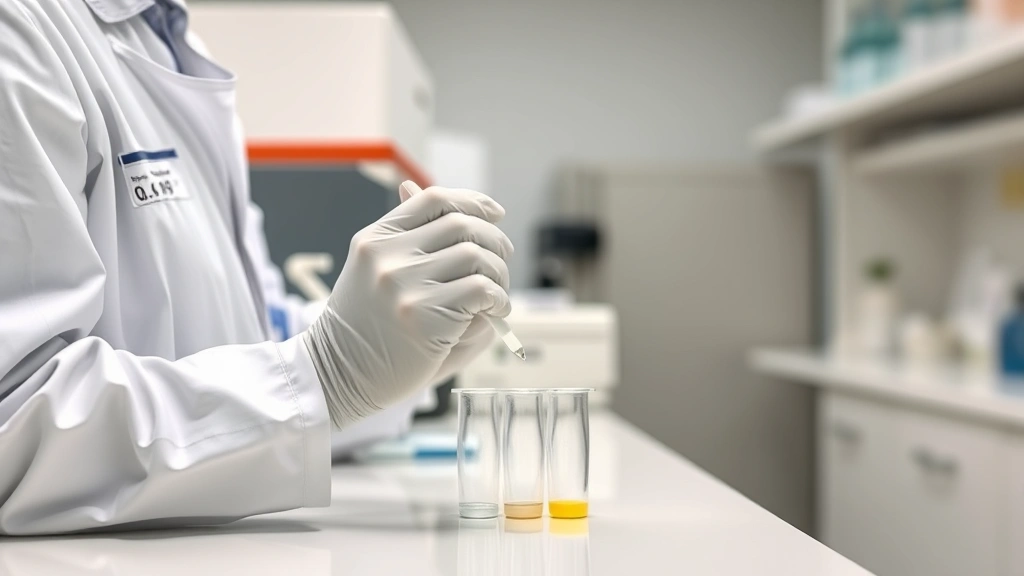
Drug screens come in various forms—urine tests, hair follicle tests, saliva tests, and blood tests—each with different detection windows and accuracy levels. The type of test your probation officer requires will determine what you need to know about preparation and potential results. Understanding these distinctions helps you prepare appropriately and know what to expect during the testing process.

Understanding Drug Screen Types and Detection Windows
Different drug screening methods have varying detection windows and accuracy rates. Urine tests are the most common for probation monitoring because they’re affordable, non-invasive, and can detect drugs typically within 2-4 days of use. However, some substances like marijuana can be detected in urine for 30 days or longer in regular users. Hair follicle tests have the longest detection window, typically 90 days, making them effective for identifying patterns of use over extended periods.
Saliva tests detect drugs within a shorter window—usually 24-48 hours—and are becoming more popular because they’re difficult to cheat. Blood tests have the shortest detection window of just a few hours but are highly accurate and invasive, so they’re typically used only in specific circumstances. Your probation officer will specify which type of test you’ll undergo, and understanding the detection window helps you know what timeline applies to your situation.
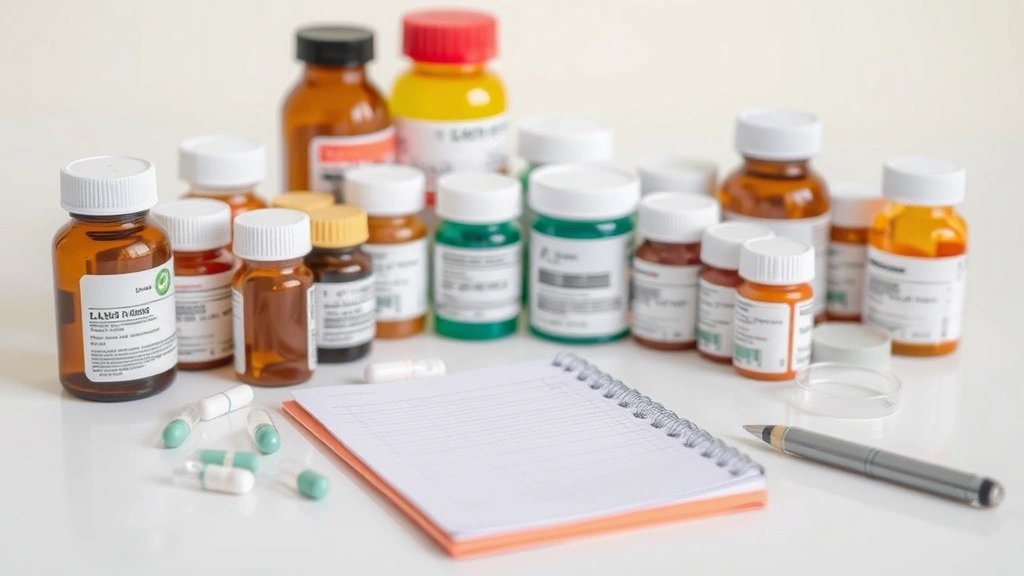
When preparing for your drug screen, research the specific detection windows for substances relevant to your case. If you’ve been prescribed medications, document them carefully because some legitimate medications can produce false positives. For example, poppy seed foods can trigger positive results for opiates, and certain cold medicines contain pseudoephedrine that might affect amphetamine tests. Keep all prescription documentation and over-the-counter medicine bottles to present during testing.
Legal Preparation Steps Before Your Test
The most important step in passing a drug screen legally is complete abstinence from all non-prescribed controlled substances. This means avoiding marijuana, cocaine, methamphetamine, heroin, and other illegal drugs entirely. If you’re on probation, your goal should be complete sobriety from illegal substances, which is both legally required and the most reliable way to pass any drug test.
Contact your healthcare provider about all medications you’re taking. Provide your probation officer with a complete list of prescriptions, over-the-counter medications, and supplements you use regularly. This documentation protects you if any medication produces a positive result. Many probation departments have forms for medical disclosure, and completing these accurately prevents misunderstandings during testing.
Stay hydrated in the days leading up to your test, but don’t overdo it on testing day. Excessive water consumption can dilute your sample to the point where the test becomes invalid, which may be flagged and could lead to retesting or additional scrutiny. Drink normal amounts of water as part of your regular health routine, but avoid the misconception that chugging water before a test helps—it often raises red flags.
Maintain a healthy lifestyle in the weeks before testing. Regular exercise and proper nutrition support your body’s natural detoxification processes. Get adequate sleep, as rest helps your body function optimally and reduces stress that might trigger substance cravings. If you’re struggling with substance use, this is an ideal time to seek support through counseling, support groups, or rehabilitation programs, which also demonstrates commitment to your probation requirements.
Health and Lifestyle Factors That Affect Results
Your metabolism significantly impacts how quickly your body eliminates substances. Factors like age, weight, overall health, and genetics influence metabolism rates. Generally, younger individuals with faster metabolisms clear substances more quickly than older people. However, you cannot legally manipulate your metabolism through extreme measures—any attempt to cheat the system risks serious legal consequences.
Diet plays a role in your body’s natural detoxification. Foods rich in antioxidants, like berries and leafy greens, support your liver’s natural filtering processes. Adequate protein intake helps maintain healthy organ function. Regular fiber consumption aids digestive health. These dietary improvements are legitimate wellness practices that support your body’s natural functions without attempting to mask substances.
Physical activity increases metabolism and promotes natural sweating, which is one way your body eliminates toxins. However, intense exercise immediately before a test is counterproductive—it can temporarily increase substance concentrations in your bloodstream. Instead, maintain consistent moderate exercise throughout your preparation period. Walking, swimming, or cycling for 30 minutes most days supports overall health and natural detoxification.
Sleep quality directly affects your immune system and metabolic function. Aim for 7-9 hours nightly to support your body’s natural processes. Stress reduction through meditation, yoga, or other relaxation techniques helps prevent the anxiety-driven cravings that might lead to substance use. Many people find that establishing a consistent sleep schedule and stress management routine not only helps with drug screening but improves overall quality of life during probation.
Your Rights During the Drug Screening Process
Understanding your legal rights protects you during the testing process. You have the right to know what you’re being tested for, and your probation officer should explain the testing procedure beforehand. You can request information about the testing facility’s protocols and qualifications. The facility must follow SAMHSA (Substance Abuse and Mental Health Services Administration) guidelines for certified testing.
You have the right to observe the collection process and verify that proper chain-of-custody procedures are followed. This means the sample should be sealed, labeled with your information, and tracked from collection through analysis to prevent tampering or mix-ups. If you notice any irregularities in the process, document them and discuss with your probation officer immediately.
If you believe a positive result is inaccurate, you can request a confirmatory test using a different method or a split sample analysis. Many facilities will retest using gas chromatography-mass spectrometry (GC-MS), which is more accurate than initial screening tests. Request this confirmation in writing and keep copies of all documentation.
You have the right to legal representation if you’re facing consequences based on a positive test result. Before discussing test results with your probation officer, consider consulting an attorney who specializes in probation law. They can advise you on your specific situation and protect your legal interests. Many jurisdictions offer public defenders if you cannot afford private counsel.
What to Do if You Test Positive
If you receive a positive result and believe it’s inaccurate, request immediate confirmation testing. Explain any legitimate reasons the result might be positive—medications, supplements, or food items that could cause false positives. Bring documentation of all prescriptions and over-the-counter medications you’re taking. Present this information professionally and calmly to your probation officer.
If the positive result is accurate and you used a substance, be honest with yourself about what happened. Immediately contact a substance abuse counselor or therapist to understand the circumstances that led to use and develop strategies to prevent future incidents. Many probation departments have treatment resources available, and proactive engagement in treatment often results in more favorable outcomes than trying to hide the positive result.
Document your efforts toward recovery. If you enter a treatment program, rehabilitation, or support group, keep all attendance records and completion certificates. These documents demonstrate your commitment to compliance and can be valuable if your case goes before a judge. Voluntary treatment engagement often influences probation officers’ recommendations regarding consequences.
Prepare for a conversation with your probation officer about the positive result. Bring all relevant documentation, be honest about what occurred, and explain the steps you’re taking to prevent future violations. Ask about available options—some jurisdictions allow for educational programs or extended monitoring as alternatives to incarceration for first-time positive results. Your cooperation and demonstrated commitment to change can significantly impact outcomes.
FAQ
Can I drink extra water to dilute my drug test?
Drinking excessive water to dilute your sample is not advisable. Modern drug tests include checks for sample dilution, and an invalid result due to over-dilution may be treated as a positive result or require retesting, which increases scrutiny. Additionally, attempting to dilute your sample could be viewed as an attempt to cheat the test, potentially leading to probation violations. Drink normal amounts of water as part of your regular routine, but avoid excessive intake on testing day.
Will prescription medications show up as positive results?
Legitimate prescription medications can sometimes produce positive results on initial screening tests. For example, certain ADHD medications containing amphetamine salts will show positive for amphetamines, and codeine-containing cough medicines will show positive for opiates. This is why documentation of all prescriptions is crucial. Inform your probation officer of all medications before testing, and bring prescription bottles to the testing facility. Confirmatory testing can distinguish between legitimate prescription use and illegal substance use.
How long do different drugs stay in your system?
Detection windows vary significantly by substance and testing method. Marijuana typically remains detectable in urine for 3-30 days depending on frequency of use. Cocaine is usually detectable for 2-4 days. Methamphetamine can be detected for 3-5 days in urine. Opiates are generally detectable for 2-4 days. Hair tests detect substances for approximately 90 days. Blood tests have the shortest windows, typically 24 hours or less. These timelines vary based on individual metabolism, body weight, and other factors. Your testing facility can provide specific information about detection windows for substances relevant to your situation.
What should I do if I’m struggling with substance use?
If you’re struggling with substance cravings or addiction, seek professional help immediately. Contact SAMHSA’s National Helpline at 1-800-662-4357, which provides free, confidential support 24/7. Ask your probation officer about treatment programs available through your jurisdiction—many probation departments have partnerships with local rehabilitation and counseling services. Narcotics Anonymous and Alcoholics Anonymous offer free support groups in most communities. Proactive treatment engagement demonstrates commitment to your probation requirements and significantly improves your chances of successful completion.
Can I refuse a drug test?
Refusing a court-ordered drug test is typically considered a probation violation that can result in serious consequences, including incarceration. Your probation agreement requires compliance with testing. However, you can request that testing follow proper procedures and protocols. If you believe testing is being conducted illegally or without proper cause, consult with your attorney. They can file motions to challenge improper testing procedures, but refusing to test entirely is generally not a viable option.
What happens if I test positive multiple times?
Multiple positive results typically result in escalating consequences. First violations might result in increased testing frequency, mandatory counseling, or short jail sentences. Repeated violations can lead to extended incarceration, extended probation periods, or probation revocation. To avoid this situation, seek immediate professional help after your first positive result. Demonstrate genuine commitment to recovery through treatment engagement. Many judges consider rehabilitation efforts when determining consequences for subsequent violations.

Related Posts

Superscript in Google Docs: Expert Tips

Strikethrough in Excel: Easy Steps for Beginners
