

Measure Shoulder Width? Expert Tips Inside
How to Measure Shoulder Width: Expert Tips Inside
Measuring shoulder width accurately is essential for numerous DIY and home improvement projects, from installing proper door frames and window headers to ensuring correct spacing in custom cabinetry and shelving systems. Whether you’re working on measuring for replacement windows or planning interior renovations, understanding your shoulder width helps establish baseline measurements for structural elements and design decisions throughout your home.
This comprehensive guide walks you through professional techniques for measuring shoulder width with precision, explains why accurate measurements matter for your projects, and provides practical applications for using these measurements in real-world home improvement scenarios. We’ll cover everything from basic measurement methods to advanced techniques used by contractors and builders.
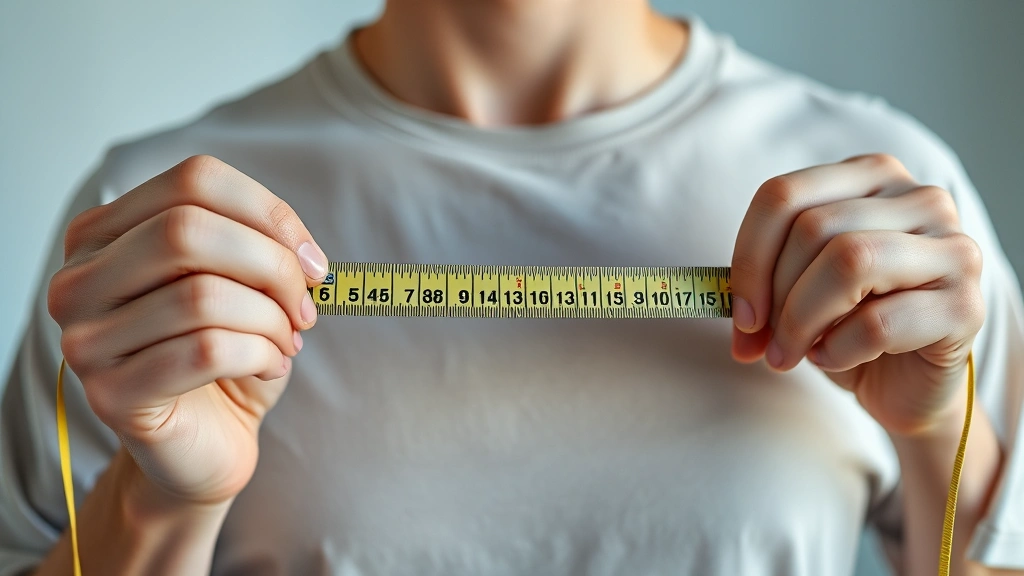
Understanding Shoulder Width Basics
Shoulder width refers to the distance across your shoulders from the outer edge of one shoulder joint to the outer edge of the opposite shoulder joint. This measurement is taken horizontally across the back and serves as a fundamental reference point for numerous applications in home improvement, furniture design, and construction projects.
The average adult shoulder width ranges from 16 to 18 inches for most people, though this varies significantly based on individual body composition, height, and build. Understanding your specific shoulder width becomes crucial when planning doorway dimensions, hallway widths, workspace layouts, and custom furniture arrangements. For instance, when planning gutter installation or other exterior work, knowing your shoulder width helps you determine safe working positions on ladders and scaffolding.
Shoulder width measurements also inform ergonomic design decisions in home workshops, kitchens, and bathrooms. When designing accessible spaces or planning renovations that need to accommodate multiple people comfortably, shoulder width becomes a critical measurement for determining functional spacing requirements.
Essential Tools You’ll Need
Before you begin measuring, gather the proper tools to ensure accuracy. The right equipment makes the difference between approximate guesses and precise measurements that you can confidently use in your projects.
- Flexible measuring tape: A soft, flexible measuring tape (typically 60 inches long) is ideal for body measurements. Avoid rigid metal tapes, which won’t conform to your body’s contours.
- Straight edge ruler: Keep a 12-inch or 24-inch ruler available for verification and marking reference points on your body.
- Marker or tape: Use temporary markers or painter’s tape to mark shoulder points for consistent measurement placement.
- Mirror: A full-length mirror helps you verify proper posture and positioning during measurement.
- Helper or assistant: Having another person assist ensures the measuring tape stays level and properly positioned, eliminating measurement errors from awkward self-measurement angles.
- Notebook or digital device: Document your measurements immediately to avoid forgetting the numbers.
- Level: A small spirit level ensures your measuring tape runs perfectly horizontal across your shoulders.
Quality measuring tools from hardware retailers like Lowe’s or Home Depot ensure accuracy. Avoid dollar-store measuring tapes, which often stretch or lose accuracy over time, compromising your project measurements.
Step-by-Step Measurement Process
Follow this systematic approach to measure your shoulder width accurately and consistently. Precision at each step ensures reliable measurements for your home improvement projects.
- Establish proper posture: Stand naturally with your arms relaxed at your sides. Your feet should be shoulder-width apart, and your spine should be straight but not rigid. Avoid hunching or pulling your shoulders back artificially, as this distorts your natural shoulder width measurement.
- Locate your shoulder points: Have your assistant locate the bony protrusion at the top outer edge of each shoulder. This is the acromion process, the highest point of your shoulder joint. Mark these points lightly with a marker or tape for consistent reference.
- Position the measuring tape: Place the flexible measuring tape across your back, positioning it at the marked shoulder points. The tape should run horizontally across your back, not diagonally or at angles. Use a small level to verify the tape is perfectly horizontal.
- Take the measurement: Have your assistant hold one end of the measuring tape at the marked point on your left shoulder while extending it across to your right shoulder. Read the measurement where the tape meets your right shoulder point. Take three separate measurements to establish consistency.
- Record your result: Document the measurement immediately, noting the date and any specific conditions. If measurements vary, calculate the average of your three attempts.
- Verify accuracy: Repeat the entire process a second time on a different day to confirm your measurement. Consistent results across multiple measurement sessions indicate accuracy.
This methodical approach mirrors techniques used by professional tailors and medical professionals who regularly need accurate shoulder width measurements for clothing, orthopedic assessment, and ergonomic evaluation.
Common Measurement Mistakes to Avoid
Even small errors in measuring technique can compound when you apply measurements to larger projects. Understanding common pitfalls helps you maintain accuracy throughout your measurement process.
- Improper posture: Slouching, standing at an angle, or pulling shoulders back artificially changes your actual shoulder width. Always maintain neutral, natural posture during measurement.
- Misidentifying shoulder points: Some people confuse the top of the shoulder with the outer edge of the shoulder joint. The correct point is the bony prominence at the shoulder’s lateral edge, not the highest point of the trapezius muscle.
- Angled measuring tape: If your measuring tape runs diagonally or at angles rather than horizontally, you’ll get inflated measurements. Always verify horizontal positioning.
- Inconsistent tape tension: Pulling the measuring tape too tight compresses soft tissue and reduces your measurement. Conversely, loose tape adds unnecessary inches. Maintain gentle, consistent tension.
- Measuring only once: Single measurements are prone to error. Always take multiple measurements and calculate averages for reliability.
- Using inappropriate tools: Metal measuring tapes designed for construction work don’t conform to body contours properly. Invest in a flexible fabric measuring tape specifically designed for body measurements.
- Environmental factors: Wearing bulky clothing, heavy jackets, or shoulder pads alters measurements. Always measure in light clothing or directly against skin when possible.
Professional Techniques for Accuracy
Contractors and home improvement professionals employ advanced techniques to ensure measurement accuracy for critical projects. Incorporating these methods elevates your measurement reliability significantly.
The three-point verification method: Professional builders often use three separate measurement points to establish shoulder width. They measure from the acromion process on the left shoulder to the same point on the right shoulder, then take two additional measurements slightly above and below this primary line. If all three measurements are within a quarter inch of each other, they’re confident in the accuracy. This redundancy catches measurement errors before they affect your project.
Photographic documentation: Advanced practitioners photograph the measurement process from multiple angles. These photos provide visual verification of proper tape positioning and can be reviewed later if questions arise about measurement validity. This approach proves especially valuable for complex projects or when measurements will be used months after initial assessment.
Digital measurement tools: Modern builders increasingly use digital measuring apps and devices that use smartphone cameras and augmented reality to capture measurements. While not replacing traditional tape measures entirely, these tools provide digital records and can flag inconsistencies automatically.
Bilateral comparison: Measure shoulder width multiple times over several days, recording all results. Professional measurements typically show variation of no more than one-eighth inch across multiple sessions. Larger variations suggest measurement technique issues requiring correction.
When planning major renovations or custom installations, consider consulting with a professional to verify your measurements. This Old House offers excellent resources on measurement verification for construction projects.
Applying Measurements to Home Projects
Your shoulder width measurement translates into practical applications across numerous home improvement scenarios. Understanding these applications helps you see why accurate measurement matters.
Doorway and hallway planning: Standard doorway widths of 32-36 inches accommodate most shoulder widths with comfortable clearance. When renovating or installing custom doors, your shoulder width helps verify adequate passage space. If your shoulder width exceeds 18 inches, standard doors may feel tight, suggesting the need for wider openings in high-traffic areas.
Workspace ergonomics: When designing home workshops, kitchens, or home offices, shoulder width determines appropriate spacing between work surfaces. Professional ergonomic standards typically use shoulder width as a baseline for establishing comfortable reach zones and movement corridors. A well-designed workspace allows you to move freely without your shoulders brushing walls or equipment.
Furniture arrangement: Your shoulder width informs appropriate spacing in furniture layouts. Pathways between furniture should accommodate your shoulder width plus several inches for comfortable movement. This principle applies whether you’re arranging a living room, home gym, or workshop.
Custom cabinetry: When building or installing custom cabinets, shelving, or storage systems, understanding shoulder width helps position items at accessible heights and distances. Shelves positioned too close together relative to your shoulder width make retrieving items awkward.
Accessible design: If you’re planning renovations to improve accessibility for family members with mobility challenges, shoulder width becomes crucial for determining appropriate spacing for wheelchairs, walkers, and other mobility aids. Family Handyman offers detailed guides on accessible home modifications.
Recording and Using Your Measurements
Proper documentation ensures your measurements remain useful throughout your projects and for future reference. Develop a systematic recording approach that captures all relevant information.
Create a measurement log: Maintain a simple notebook or digital spreadsheet documenting your shoulder width measurement, the date taken, tools used, environmental conditions, and any notes about measurement difficulty. This log becomes valuable if you need to verify or update measurements later.
Store measurements accessibly: Keep your measurements in a location you can easily reference during project planning. Many DIYers photograph their measurement notes and store them in their phone’s photo library or cloud storage for instant access at hardware stores or when reviewing project plans.
Use measurements consistently: Once you’ve established your shoulder width, apply it consistently across all related projects. This consistency ensures your home improvements work together cohesively. For instance, if doorways are sized based on your shoulder width, ensure hallways and passages maintain compatible dimensions.
Update measurements periodically: While shoulder width doesn’t change dramatically in adults, it’s wise to verify measurements annually, especially if your fitness level or body composition changes significantly. Major weight gain or loss, strength training, or age-related changes can subtly affect measurements.
Share with professionals: When working with contractors, builders, or designers, provide your documented measurements. Professional contractors appreciate homeowners who arrive with accurate measurements, as this streamlines the planning process and reduces costly errors.
FAQ
What’s the average shoulder width for adults?
Average adult shoulder width ranges from 16 to 18 inches, though significant variation exists based on height, body composition, and individual physiology. Men typically measure slightly wider than women, and taller individuals generally have broader shoulders. Your specific measurement may differ from averages, making personal measurement essential for accurate project planning.
Does shoulder width change with age?
Shoulder width remains relatively stable throughout adulthood. However, posture changes with age can affect how your shoulders position, which may slightly alter measurements. Additionally, significant weight gain, muscle building, or loss can subtly change shoulder width. Older adults may experience postural changes that make shoulders appear narrower due to kyphosis or forward slouching.
Should I measure shoulder width with clothes on or off?
For accuracy, measure with minimal clothing, preferably a light t-shirt rather than heavy jackets or sweaters. Bulky clothing adds inches to your measurement that don’t represent your actual shoulder width. If measuring directly against skin, ensure the measuring tape is positioned identically to how it would sit over light clothing.
How do I measure shoulder width if I’m alone?
While having an assistant is ideal, you can measure alone using several techniques. Stand sideways to a mirror and use a flexible measuring tape to measure from one shoulder point to the opposite point while watching in the mirror. Alternatively, mark your shoulder points with tape, then use a string to measure between points and compare the string length against a ruler.
Why do contractors need shoulder width measurements?
Contractors use shoulder width as a baseline for ergonomic design, accessibility planning, and spatial layout. It helps ensure doorways, hallways, workspaces, and passages accommodate human movement comfortably and safely. This measurement informs building code compliance for accessible design and helps prevent expensive redesigns after construction begins.
Can I use my shoulder width for someone else’s project?
No—each person should have their own measurement taken. Shoulder width varies significantly between individuals. If you’re planning a renovation that multiple people will use, take measurements for each person and use the widest measurement to ensure everyone can move comfortably through the space.
What if my measurements vary between attempts?
Small variations (less than one-quarter inch) are normal and typically result from minor posture shifts or tape positioning differences. If variations exceed one-half inch, review your technique. Ensure you’re identifying shoulder points correctly, maintaining horizontal tape positioning, and using consistent tape tension. Variations suggest technique issues requiring adjustment.
How does shoulder width relate to building codes?
Building codes reference anthropometric data—measurements of human bodies—when establishing minimum widths for passages, doorways, and accessible routes. Shoulder width is one key measurement building codes use to ensure structures accommodate typical human proportions safely and comfortably. For detailed information on building code requirements, consult your local building department or review resources from NFPA.

Related Posts

Superscript in Google Docs: Expert Tips

Strikethrough in Excel: Easy Steps for Beginners
