
DIY Taco Meat Recipe: Expert Cooking Tips
DIY Taco Meat Recipe: Expert Cooking Tips for Perfect Results Every Time
Learning how to make taco meat at home is one of the most rewarding kitchen skills you can master. Store-bought taco seasoning packets often contain preservatives, excessive sodium, and artificial flavors that diminish the authentic taste of this beloved dish. By preparing taco meat from scratch, you gain complete control over the ingredients, spice levels, and overall quality of your meal. Whether you’re hosting a casual weeknight dinner or throwing a festive taco bar for friends and family, homemade taco meat delivers restaurant-quality results at a fraction of the cost.
This comprehensive guide walks you through everything you need to know about crafting delicious taco meat, from selecting the right ground meat to mastering seasoning ratios and cooking techniques. You’ll discover professional tips that elevate your taco game, learn about ingredient substitutions, and explore variations that cater to different dietary preferences. By the end of this article, you’ll have the confidence and knowledge to create taco meat that rivals your favorite Mexican restaurants.
Choosing the Right Ground Meat
The foundation of exceptional taco meat begins with selecting quality ground beef. Ground beef with 80/20 fat-to-lean ratio offers the ideal balance for taco meat, providing enough fat for flavor and moisture while preventing excessive greasiness. If you prefer a leaner option, 90/10 ground beef works well but may require adding a small amount of oil during cooking to prevent drying out. Visit your local butcher rather than grabbing pre-packaged meat from the supermarket whenever possible—butchers typically grind meat fresh daily and can customize the fat content to your specifications.
Beyond traditional beef, you have numerous alternatives worth exploring. Ground turkey and ground chicken provide lighter options with fewer calories, though they benefit from additional fat or oil to maintain moisture. Ground pork offers a richer flavor profile and higher fat content, making it excellent for those who prefer a more indulgent taco experience. For plant-based diets, crumbled tofu, lentils, or store-bought meat substitutes create satisfying alternatives. The key is choosing meat or protein that aligns with your dietary goals and flavor preferences.
Purchase meat shortly before cooking rather than days in advance. Fresh ground meat develops better flavor and texture than meat that’s been sitting in your refrigerator. If you must buy ahead, portion the meat into freezer bags and freeze for up to three months, then thaw in the refrigerator the night before cooking.
Creating the Perfect Seasoning Blend
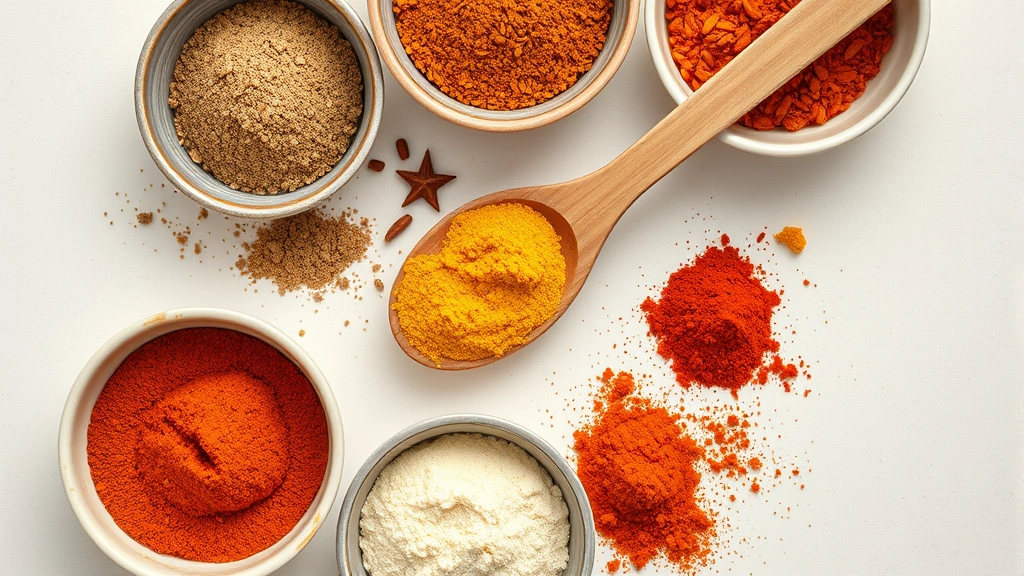
Homemade taco seasoning beats commercial packets every single time. The basic formula includes cumin, chili powder, paprika, garlic powder, onion powder, oregano, and salt. However, the magic lies in understanding how these spices work together and adjusting ratios to match your palate.
Here’s a professional-grade taco seasoning recipe for one pound of ground meat:
- 2 tablespoons chili powder (provides mild heat and depth)
- 1 tablespoon ground cumin (earthy, warm notes)
- 1 tablespoon paprika (subtle sweetness and color)
- 1 teaspoon garlic powder (pungent, savory element)
- 1 teaspoon onion powder (sweet, umami richness)
- 1 teaspoon dried oregano (herbaceous complexity)
- ½ teaspoon cayenne pepper (optional, for extra heat)
- 1 teaspoon kosher salt (enhances all flavors)
- ½ teaspoon black pepper (subtle bite)
Pro tip: Toast your whole spices in a dry skillet for 30-60 seconds before grinding them yourself. This intensifies their flavors and creates a more vibrant, aromatic seasoning blend than pre-ground versions. If you don’t have a spice grinder, crush toasted spices with a mortar and pestle.
Mix all dry ingredients in a small bowl before adding to your meat. This ensures even distribution throughout the cooking process rather than having pockets of intense spice. Store leftover seasoning blend in an airtight container for up to three months—you’ve essentially created your own superior version of commercial taco seasoning packets.
Cooking Methods and Techniques
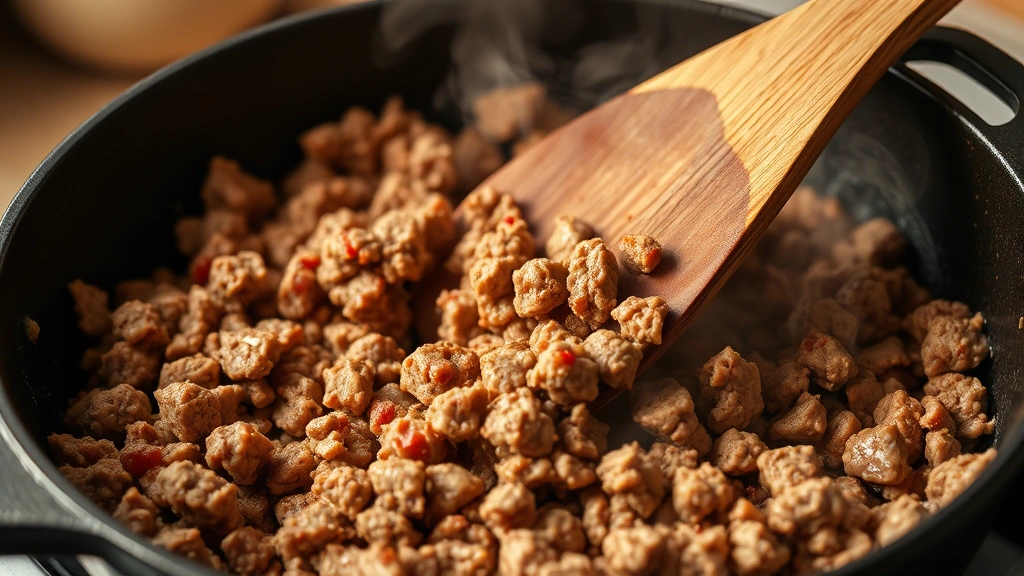
The stovetop method remains the most popular and accessible approach for making taco meat. Heat a large skillet over medium-high heat and add your ground meat, breaking it apart with a wooden spoon as it cooks. This process typically takes 8-10 minutes for one pound of beef. Drain excess fat once the meat reaches a light brown color, leaving just enough for flavor and moisture.
After draining, reduce heat to medium and add your seasoning blend along with ¾ cup water or low-sodium beef broth. The liquid helps distribute spices evenly and creates a light sauce that clings to the meat. Simmer for 5-7 minutes, stirring occasionally, until the mixture thickens slightly and the liquid reduces by about half. The meat should look moist but not soupy—this is when you know it’s perfectly cooked.
For slow cooker preparation, brown your meat on the stovetop first to develop flavor through the Maillard reaction. Transfer to your slow cooker, add seasonings and one cup of broth, then cook on low for 4-6 hours. This method works beautifully for meal prep and entertaining, as it keeps the meat warm throughout serving.
Instant Pot cooking offers a quick alternative for busy cooks. Sauté ground meat directly in the pot using the sauté function, drain fat, add seasonings and ½ cup broth, then pressure cook on high for five minutes. Natural release for ten minutes, then quick release remaining pressure. The result is tender, flavorful meat in under 20 minutes.
Flavor Enhancement Strategies
Elevate your taco meat beyond basic seasoning by incorporating additional flavor-building ingredients. Tomato paste adds depth and slight acidity that brightens other spices—use one to two tablespoons per pound of meat. Worcestershire sauce introduces umami richness and complexity; add one teaspoon per pound. Fresh lime juice brightens flavors and adds authentic Mexican flair; squeeze in the juice of one lime per pound of meat.
Minced fresh garlic and onion far exceed their powdered counterparts in flavor intensity. Dice half a small onion and two cloves of garlic, then cook them in your skillet before adding the ground meat. This creates a flavorful base that transforms your taco meat from good to exceptional. Some cooks prefer adding a pinch of cinnamon or cocoa powder—just ¼ teaspoon—which adds subtle warmth and complexity reminiscent of authentic Mexican mole flavors.
Roasted poblano peppers, jalapeños, or bell peppers finely diced and added to your meat create textural interest and fresh flavor. For those seeking heat, fresh serrano peppers or habaneros deliver intensity that dried chili powder cannot match. Consider this approach similar to how you might explore detailed how-to guides for other cooking techniques—experimentation leads to discovering your signature style.
Storage and Make-Ahead Solutions
Cooked taco meat keeps in the refrigerator for three to four days in an airtight container. For longer storage, freeze in freezer-safe bags or containers for up to three months. Portion the meat into meal-sized quantities before freezing for convenient weeknight cooking. Thaw frozen taco meat in the refrigerator overnight, then reheat gently on the stovetop with a splash of water or broth to restore moisture.
Prepare taco meat in bulk on Sunday and portion it throughout the week for various meals. Beyond traditional tacos, use your homemade meat for burrito bowls, nachos, taco salads, enchiladas, or quesadillas. The versatility of properly seasoned, homemade taco meat makes it an invaluable kitchen staple for busy families.
For camping trips or outdoor entertaining, cook taco meat ahead and store it in a vacuum-sealed bag. It reheats beautifully over a camp stove or portable grill, delivering restaurant-quality tacos anywhere. This preparation method demonstrates the same forward-thinking approach you’d apply when learning how to make perfume or other projects requiring advance planning.
Recipe Variations and Dietary Options
Chorizo-style taco meat: Replace half the ground beef with ground pork and increase chili powder to three tablespoons. Add one tablespoon of apple cider vinegar and ½ teaspoon of smoked paprika for authentic flavor.
Carnitas-inspired version: Cook ground pork low and slow in the oven at 300°F for 90 minutes with orange juice, cumin, and garlic. The result is tender, richly flavored meat perfect for special occasions.
Vegetarian lentil taco meat: Cook one cup of dried lentils until tender, then sauté with your full seasoning blend, tomato paste, and vegetable broth. The texture surprisingly mimics ground meat while delivering complete protein.
Turkey taco meat: Use ground turkey with the standard seasoning blend plus one tablespoon of olive oil and ½ cup of finely diced mushrooms. The mushrooms add umami and moisture that compensates for turkey’s leanness.
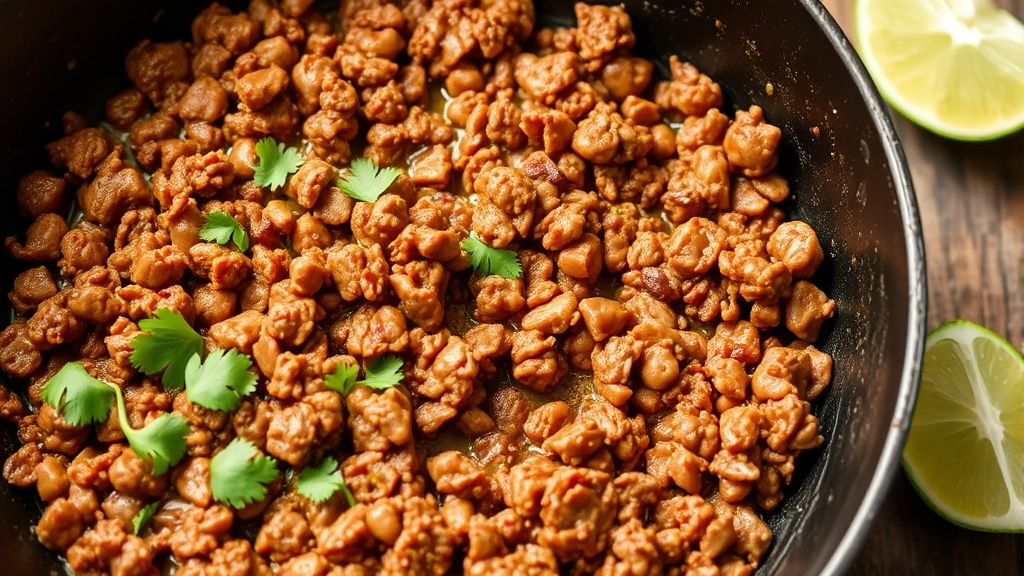
Fish taco filling: Flake cooked white fish (cod or mahi-mahi) and season with cumin, chili powder, garlic, lime juice, and cilantro. This lighter option works beautifully for weekend entertaining.
Spicy ghost pepper version: For heat-seekers, add one teaspoon of ghost pepper powder to your standard seasoning blend. Use sparingly—ghost peppers rank among the hottest peppers globally.
Common Mistakes and Troubleshooting
Meat tastes bland: You likely under-seasoned or didn’t allow adequate cooking time for flavors to develop. Increase seasoning by half a teaspoon at a time, tasting as you go. Remember that salt enhances all other flavors, so adequate salt is crucial.
Meat is too greasy: You used meat with excessive fat content or didn’t drain enough fat after browning. Drain additional fat if needed, then blot the meat with paper towels. Consider using 90/10 ground beef for future batches.
Meat is dry and crumbly: You cooked it too long or used overly lean meat without added fat. Reduce cooking time to 8-10 minutes for browning, then simmer only 5-7 minutes with liquid. Add one tablespoon of olive oil per pound if using very lean meat.
Spices aren’t distributing evenly: Mix your dry seasoning blend before adding to the meat, and ensure adequate liquid in the pan. Stir frequently during the simmering phase to promote even coating.
Meat smells off: Discard it immediately. Ground meat spoils quickly, and consuming spoiled meat risks serious foodborne illness. Always check expiration dates and store properly at 40°F or below.
For additional cooking guidance and techniques, consult resources like This Old House’s kitchen and cooking section, which offers comprehensive culinary instruction. Family Handyman also features excellent food preparation guides for home cooks.
FAQ
Can I make taco meat without browning the meat first?
While you can technically skip browning and cook meat directly in liquid, you’ll miss the Maillard reaction that develops deep, complex flavors. Browning requires only a few extra minutes and dramatically improves the final result.
What’s the best way to reheat leftover taco meat?
Heat a skillet over medium heat, add your taco meat, and stir in 2-3 tablespoons of water or broth per pound. Heat for 5-7 minutes, stirring occasionally, until warmed through. Avoid microwaving, which can dry out the meat.
Can I double or triple this recipe?
Absolutely. Simply multiply all ingredients by the number of batches you need. Cooking time increases slightly for larger quantities—a three-pound batch may need 12-15 minutes for browning. Adjust liquid proportionally to maintain proper consistency.
Is homemade taco meat more expensive than seasoning packets?
No. Buying individual spices costs slightly more initially, but you’ll use them for months or years, making per-serving costs significantly lower than commercial packets. The quality improvement far outweighs any cost difference.
What type of meat is most authentic for Mexican tacos?
Traditional street tacos use various meats depending on the region—carnitas (slow-cooked pork), carne asada (grilled beef), al pastor (marinated pork), and chorizo are all authentically Mexican. Ground beef tacos are more common in American adaptations.
Can I use ground meat from the freezer?
Yes. Thaw frozen ground meat in the refrigerator for 24 hours before cooking. Never thaw at room temperature, as this promotes bacterial growth. Thawed meat should be cooked within two days.
Should I add water or broth to taco meat?
Both work well. Beef broth adds deeper flavor, while water allows spices to shine. For the lightest flavor, use water; for richness, choose broth. Low-sodium versions prevent over-salting.
How can I make taco meat less spicy?
Reduce or eliminate cayenne pepper and fresh hot peppers. Use milder chili powder varieties like ancho or guajillo instead of hotter types. You can always add more spice, but removing it is impossible.
Can I make taco meat in a food processor?
Absolutely. Raw ground meat can be combined with seasonings in a food processor before cooking, which ensures even spice distribution. Pulse briefly—don’t over-process, which can make the texture too fine.

Related Posts

Superscript in Google Docs: Expert Tips

Strikethrough in Excel: Easy Steps for Beginners
