
Make Fufu at Home: Easy Recipe & Tips
How to Make Fufu at Home: Easy Recipe & Tips for Authentic Results
Fufu is a beloved West African staple that has earned its place on dinner tables around the world. This smooth, pillowy paste made from boiled starchy vegetables and pounded to perfection serves as the foundation for countless traditional dishes. Whether you’re craving authentic comfort food or exploring African cuisine, learning how to make fufu at home is easier than you might think. With the right ingredients, proper technique, and a bit of patience, you can create restaurant-quality fufu in your own kitchen.
Making fufu at home offers several advantages over buying pre-made versions. You control the texture, adjust the ingredients to your taste preferences, and can prepare fresh batches whenever you need them. The process requires minimal equipment and relatively inexpensive ingredients, making it an accessible dish for home cooks of all skill levels. This comprehensive guide walks you through everything you need to know to master this traditional African favorite.
What Is Fufu and Why Make It at Home
Fufu represents a cornerstone of West African cuisine, particularly in countries like Ghana, Nigeria, Cameroon, and the Ivory Coast. The name comes from the Twi language and literally means “to mash” or “to pound,” describing the traditional preparation method used for centuries. This versatile dish transcends simple carbohydrate; it’s a cultural emblem that brings families together and connects modern cooks to ancestral traditions.
The appeal of making fufu at home extends beyond nostalgia or cultural connection. Homemade fufu tastes noticeably fresher than store-bought alternatives, with a creamier texture and more delicate flavor. You can customize the ratio of ingredients based on your preferences—some prefer earthier plantain-forward versions, while others favor lighter cassava blends. Additionally, preparing fufu yourself ensures you know exactly what goes into your food, avoiding preservatives and additives found in packaged products. The meditative rhythm of the pounding process also offers a therapeutic kitchen experience that many home cooks find deeply satisfying.
Essential Ingredients for Perfect Fufu
Creating authentic fufu starts with understanding your ingredient options. The traditional base combines starchy vegetables that develop a smooth, cohesive paste when cooked and processed together. The most common combinations include:
- Plantains: Green or yellow plantains form the backbone of classic fufu, providing natural sweetness and creamy texture
- Cassava (Yuca): This root vegetable adds starchy substance and helps achieve the signature smooth consistency
- Potatoes: Regular or sweet potatoes can substitute or supplement other starches for different flavor profiles
- Cocoyams: Also called taro root, these offer a slightly nutty flavor and excellent binding properties
- Yams: Traditional African yams (different from sweet potatoes) create rich, dense fufu with earthy undertones
Most authentic recipes use a combination of at least two ingredients. The classic Ghana-style fufu pairs green plantains with cassava in roughly equal proportions. Nigerian variations often emphasize yams. The beauty of homemade preparation is experimenting with ratios until you achieve your ideal texture and taste.
Beyond the base vegetables, you’ll need salt for seasoning and water or reserved cooking liquid for achieving proper consistency. Some cooks add a small amount of butter or palm oil for richness, though this remains optional. Unlike many complex dishes, fufu’s elegance comes from simplicity—quality ingredients and proper technique matter far more than lengthy ingredient lists.
Equipment You’ll Need
One of fufu’s greatest advantages is that you don’t need specialized equipment to make it successfully. However, having the right tools makes the process significantly easier and produces superior results.
Traditional Equipment: Historically, fufu is made using a large wooden mortar and pestle set, with the mortar standing waist-high. This traditional approach requires two people working in rhythm—one pounding while the other rotates the mortar. While authentic and deeply cultural, this method demands practice and physical effort.
Modern Kitchen Tools: Contemporary home cooks have several excellent options:
- Food Processor: The most efficient modern method, reducing preparation time from 15-20 minutes to just 2-3 minutes. Use the steel blade attachment for best results
- Stand Mixer: Equipped with a paddle attachment, stand mixers work well for smaller batches and offer hands-free operation
- Immersion Blender: Effective for creating smooth fufu, though requires more hands-on time than other methods
- Potato Ricer: Creates a paste-like consistency, though may require additional processing for smoothness
- Manual Potato Masher: A budget-friendly option that works adequately for smaller quantities, though requires significant elbow grease
Regardless of which tool you choose, ensure it can handle hot ingredients safely. Always allow cooked vegetables to cool slightly before processing to protect your equipment and yourself from steam burns.
Step-by-Step Fufu Recipe
Prep Time: 15 minutes | Cook Time: 25 minutes | Total Time: 40 minutes | Servings: 4-6
Ingredients:
- 2 pounds green plantains, peeled and cubed
- 2 pounds cassava root, peeled and cubed
- 2 teaspoons salt (adjust to taste)
- 6-8 cups water
- 2 tablespoons butter (optional)
- Reserved cooking water as needed for consistency
Instructions:
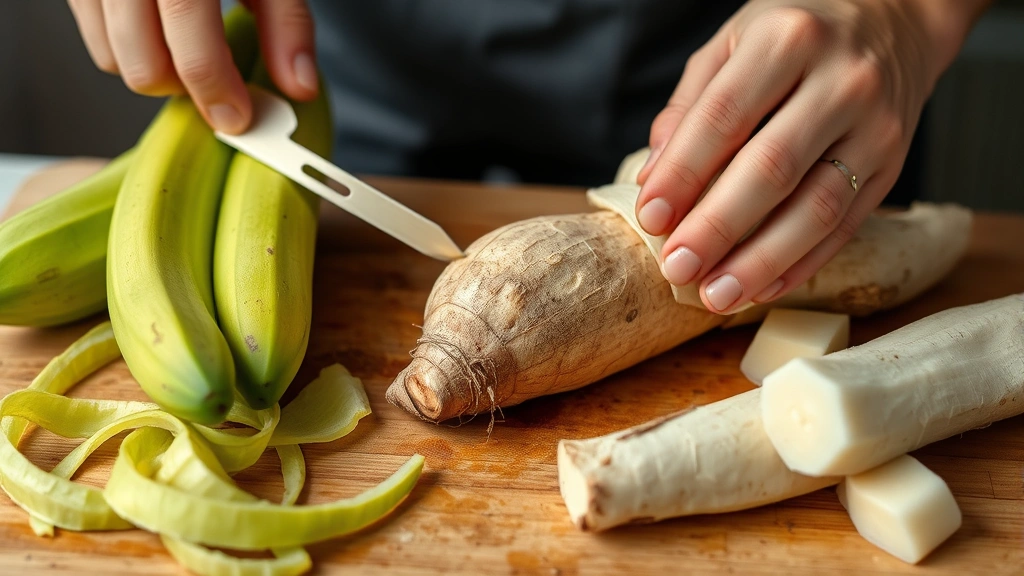
- Prepare the Vegetables: Wearing gloves to protect your hands from the sap, peel the plantains and cassava using a sharp knife or vegetable peeler. Cut away the tough outer layer and any brown spots. Rinse the cubed pieces thoroughly under cold running water to remove excess starch and debris. Pat dry with paper towels to prevent excess water in your final product.
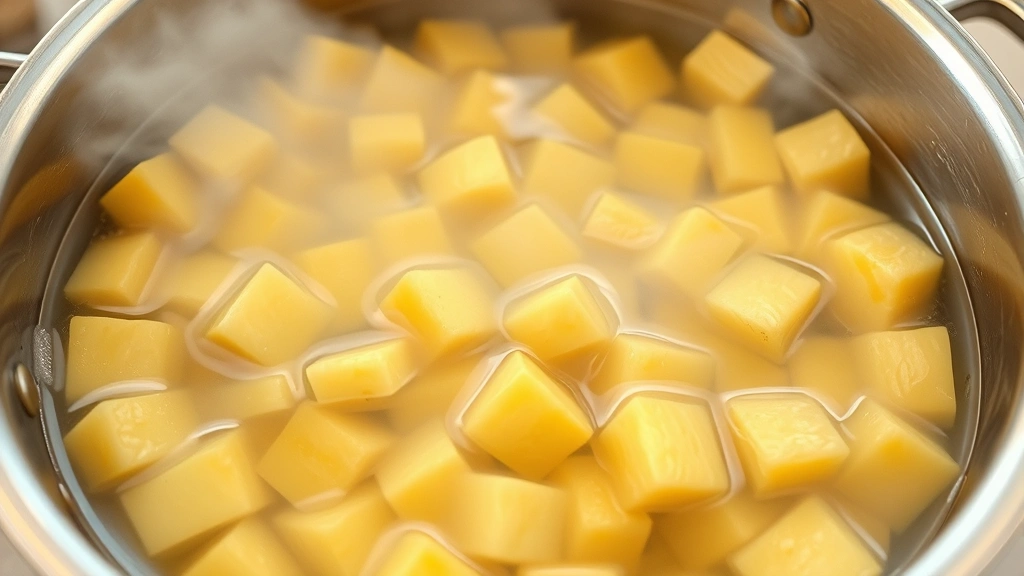
- Boil Until Tender: Place the cubed plantains and cassava in a large pot and cover with cold water. Add one teaspoon of salt to the water. Bring to a rolling boil over high heat, then reduce to medium heat. Simmer for 20-25 minutes, or until the vegetables are completely tender and easily pierced with a fork. The cooking time depends on cube size—smaller pieces cook faster.
- Drain Thoroughly: Pour the vegetables into a colander, reserving approximately one cup of the cooking liquid. This starchy water helps achieve the perfect fufu consistency. Allow the vegetables to drain completely for 1-2 minutes before processing.
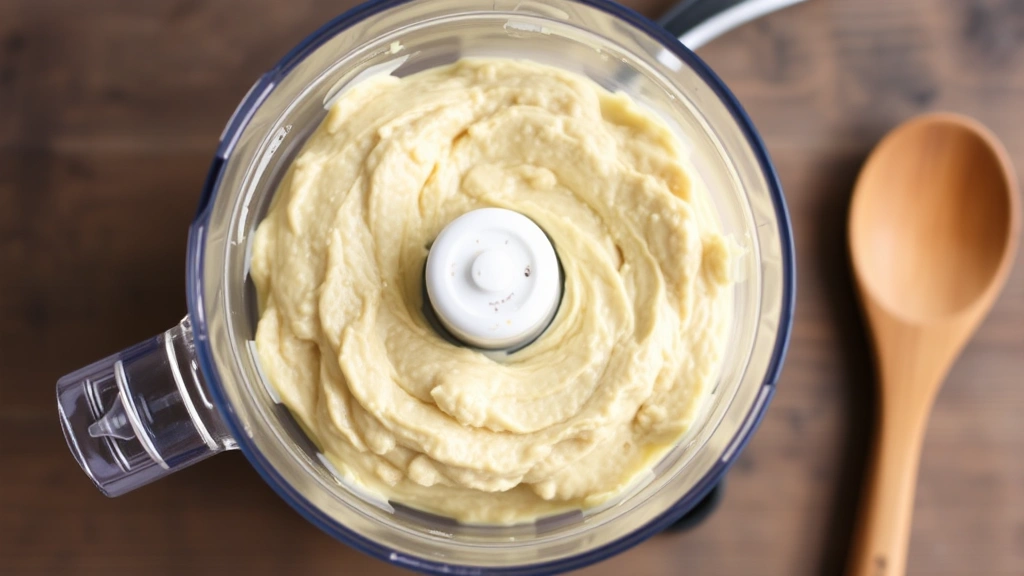
- Process for Smoothness: Transfer the drained vegetables to a food processor in batches if necessary. Add the remaining teaspoon of salt and begin processing. Gradually add reserved cooking water, one tablespoon at a time, while pulsing until you reach your desired consistency. The mixture should be completely smooth and pale in color, resembling mashed potatoes but with a denser, creamier texture. This process typically takes 2-3 minutes.
- Optional Enrichment: For added richness, add butter during the final processing stage and pulse until fully incorporated.
- Serve Immediately: Fufu is best enjoyed fresh and warm. Transfer to a serving bowl and create a shallow well in the center using the back of a spoon. Serve with your choice of soup or stew.
The key to excellent fufu lies in achieving proper doneness during cooking and maintaining the right water-to-vegetable ratio during processing. Overcooked vegetables become mushy and lose their structure, while undercooked ones won’t process smoothly. Start with less cooking water than you think you need—you can always add more, but you cannot remove excess liquid once added.
Cooking Methods and Techniques
While stovetop boiling remains the most common method, several alternative cooking approaches produce excellent results and may suit your schedule or equipment availability better.
Instant Pot Method: High-pressure cooking reduces preparation time significantly. Add vegetables, water, and salt to the Instant Pot. Cook on high pressure for 8 minutes, then quick-release the steam. This method produces tender vegetables while preserving their flavor and starch content. The reduced cooking time helps maintain the vegetables’ structural integrity, resulting in slightly creamier fufu.
Slow Cooker Approach: For a hands-off method, combine cubed vegetables, salt, and water in a slow cooker. Cook on high for 3-4 hours or low for 6-8 hours. While this requires longer overall time, it needs minimal attention. The gentle, prolonged cooking creates exceptionally smooth fufu.
Traditional Boiling: The classic method remains reliable and gives you the most control over cooking time. Monitor the vegetables closely during the final minutes of cooking to avoid overcooking. The ability to test doneness with a fork provides precise feedback about readiness for processing.
Regardless of cooking method, the golden rule remains consistent: cook until completely tender, drain thoroughly, and process until smooth. The cooking liquid you reserve becomes crucial for achieving proper consistency, so save it before draining.
Texture Tips and Troubleshooting
Achieving the perfect fufu texture requires understanding how different variables affect the final result. Fufu should be smooth, creamy, and cohesive—holding together while remaining light enough to eat comfortably.
Too Thick or Dense: If your fufu resembles clay more than pudding, you’ve used insufficient water during processing. Remedy this by adding reserved cooking liquid one tablespoon at a time while pulsing the food processor. Start conservatively; you can always add more water, but removing it is impossible.
Too Wet or Runny: Excess water creates fufu that doesn’t hold its shape and tastes diluted. This usually results from over-draining the cooking water or adding too much liquid during processing. For future batches, reserve less cooking water and add it more gradually. If you’ve already made overly wet fufu, you can sometimes remedy it by processing in additional cooked, drained vegetables, though this alters your yield.
Lumpy or Grainy Texture: This indicates insufficient processing time or temperature. Food processors work best with warm vegetables, as the heat helps break down the starches more effectively. If your mixture seems lumpy after initial processing, continue pulsing for another minute. Ensure you’re scraping down the bowl sides periodically to process all ingredients evenly.
Discoloration or Browning: Plantains and cassava oxidize when exposed to air for extended periods. Minimize this by keeping peeled vegetables in water until ready to cook, and processing fufu immediately after draining. If browning occurs, it’s purely cosmetic and doesn’t affect taste.
Separation or Watery Layer: Sometimes fufu develops a watery layer on top after sitting. This is normal and simply indicates excess moisture. Stir before serving, or drain off excess liquid if it bothers you. Future batches can be adjusted by using less water during processing.
Serving Suggestions and Pairings
Fufu’s neutral, mild flavor makes it an exceptional vehicle for bold soups and stews. The traditional serving method involves shaping fufu into balls or leaving it in a mound, then dunking portions into accompanying sauces. This interactive eating experience brings joy to the table beyond mere nutrition.
Classic Pairings:
- Light Soup: A broth-based soup with vegetables and minimal protein creates a balanced, lighter meal
- Peanut Butter Stew: Rich and warming, peanut-based stews complement fufu’s mild sweetness perfectly
- Okra Soup: This traditional West African favorite pairs beautifully with fufu, with okra’s slight sliminess creating an authentic texture combination
- Groundnut Soup: Made with ground peanuts, this hearty option satisfies substantial appetites
- Palm Soup: The rich, orange-hued traditional soup showcases fufu’s role in classic West African cuisine
- Egusi Soup: Made with melon seeds, this protein-rich option provides complete nutritional balance
If you’re new to fufu preparation, consider making a simple vegetable soup or stew to accompany your first batch. As you gain confidence, explore more complex recipes that showcase fufu’s versatility. Many cookbooks dedicated to West African cuisine offer detailed soup and stew recipes specifically designed for fufu pairing.
Storage and Make-Ahead Options
Fufu’s shelf life depends on your storage method and ambient temperature. Proper storage extends the enjoyment of your homemade fufu beyond a single meal.
Room Temperature Storage: Freshly made fufu keeps at room temperature for approximately 2 hours. After this window, bacteria growth becomes a concern, particularly in warm kitchens. Don’t leave fufu sitting uncovered on the counter for extended periods.
Refrigerator Storage: Transfer cooled fufu to an airtight container and refrigerate for up to 4 days. Before serving, reheat gently in a microwave (stirring every 30 seconds) or on the stovetop over low heat with a splash of water to restore creaminess. The texture may become slightly firmer after refrigeration, which reheating corrects.
Freezer Storage: Fufu freezes excellently for up to 3 months when stored in airtight containers or freezer bags. Portion into meal-sized amounts for convenient thawing. Thaw overnight in the refrigerator, then reheat as described above. Frozen fufu maintains its quality remarkably well, making it ideal for batch cooking.
Make-Ahead Strategy: Prepare fufu on weekends when you have time, then portion and freeze. Throughout the week, thaw and reheat portions as needed for quick, home-cooked meals. This approach reduces weeknight cooking stress while ensuring access to authentic, homemade fufu.
Traveling with Fufu: If transporting fufu to potlucks or gatherings, keep it in an insulated container with a heat source. Properly insulated fufu maintains temperature for 2-3 hours, arriving warm and ready to serve. Alternatively, bring the ingredients and tools to prepare fufu at your destination, which some home cooks prefer for maximum freshness.
For those exploring additional cooking techniques, you might also enjoy learning how to make coffee without a coffee maker, which teaches resourceful kitchen preparation methods. Similarly, understanding how to clean a coffee maker helps maintain kitchen equipment that facilitates meal preparation.
Frequently Asked Questions
Can I make fufu with just plantains or just cassava?
Yes, though the results differ from traditional two-vegetable combinations. All-plantain fufu tastes sweeter and develops a slightly denser texture. All-cassava versions are creamier and more neutral in flavor. Most cooks prefer blended versions for balanced flavor and optimal texture, but experimenting with single-vegetable batches helps you discover your preference.
What’s the difference between green and yellow plantains for fufu?
Green plantains are starchier and less sweet, producing more neutral-flavored fufu that better showcases accompanying soups. Yellow plantains contain more developed sugars, creating sweeter fufu that some find too sugary. Authentic West African fufu traditionally uses green plantains. If using yellow plantains, select ones that are slightly underripe rather than fully yellow.
How do I know when vegetables are done cooking?
Pierce cubes with a fork—they should offer no resistance and break apart easily. Overcooked vegetables become mushy and lose their structure. Start testing around the 18-minute mark for standard cube sizes. Smaller pieces finish faster, so adjust timing accordingly.
Can I use a blender instead of a food processor?
Blenders work but require more water and produce slightly less smooth results. If using a blender, work in smaller batches and add water gradually. The high-speed action of blenders can create air pockets, resulting in slightly less dense fufu. Food processors remain the preferred modern tool.
Is fufu gluten-free?
Yes, traditional fufu made from plantains and cassava contains no gluten. This makes it suitable for people with celiac disease or gluten sensitivity. Always verify that any added ingredients (butter, salt) are certified gluten-free if this is a concern.
Can I add seasonings or herbs to fufu?
While traditional fufu remains unseasoned beyond salt, some modern variations incorporate garlic, ginger, or herbs. Add these ingredients during cooking or processing to infuse flavor throughout. However, authentic fufu’s appeal partly comes from its neutral canvas that lets accompanying soups shine.
What’s the best way to shape fufu for serving?
The traditional method involves wetting your hands, forming a ball of fufu, and placing it in a bowl. The well in the center holds soup. Alternatively, leave fufu unmolded in a mound and let diners shape their own portions. Both presentations work equally well—choose based on your preference and dining style.
How can I make fufu less starchy?
Unfortunately, starch is fufu’s defining characteristic. You can’t significantly reduce it without altering the dish fundamentally. If you’re concerned about starch intake, simply eat smaller portions, or balance your meal with protein-rich soups that provide nutritional variety.
Can I make fufu in advance for a dinner party?
Absolutely. Prepare fufu up to 4 days ahead and refrigerate, or freeze for up to 3 months. Reheat gently before serving to restore the creamy texture. This advance preparation reduces stress and ensures you’re not stuck in the kitchen during party time. Many experienced hosts make fufu the day before gatherings for convenience.
What should I do if my fufu develops a gray or purple tint?
This occurs when cassava or plantains oxidize after peeling. While cosmetically unappealing, the color change is harmless and doesn’t affect taste. Prevent this by keeping peeled vegetables submerged in water until cooking. If discoloration occurs, the fufu remains perfectly safe to eat.

Related Posts

Superscript in Google Docs: Expert Tips

Strikethrough in Excel: Easy Steps for Beginners
