
Make Alkaline Water at Home: Expert Tips Inside
Make Alkaline Water at Home: Expert Tips Inside
Creating alkaline water at home is an increasingly popular wellness practice that doesn’t require expensive equipment or complicated chemistry. Whether you’re interested in exploring the potential health benefits or simply want to understand the science behind pH levels in drinking water, this comprehensive guide will walk you through multiple methods to produce alkaline water right in your kitchen. From simple additions to your tap water to investing in specialized filtration systems, you’ll discover practical solutions that fit various budgets and lifestyle preferences.
Alkaline water has gained attention in recent years as people seek ways to optimize their hydration and overall wellness. The concept centers on water with a higher pH level—typically 8 or above on the pH scale where 7 is neutral. Understanding how to make alkaline water empowers you to take control of your home water quality and experiment with different approaches to find what works best for your family’s needs.
Understanding pH and Alkaline Water Basics
Before diving into the practical methods of how to make alkaline water, it’s essential to understand what alkalinity means and how it’s measured. The pH scale ranges from 0 to 14, with 7 being neutral. Values below 7 indicate acidity, while values above 7 indicate alkalinity. Most tap water has a pH of around 6.5 to 8.5, depending on your location and water source. Alkaline water typically refers to water with a pH of 8.0 or higher.
The concept of alkaline water gained popularity through claims about its potential health benefits, including improved hydration, better mineral content, and antioxidant properties. While scientific evidence on these claims continues to develop, many people report feeling better when drinking alkaline water. The good news is that creating alkaline water at home is straightforward and doesn’t necessarily require expensive equipment. You can start experimenting with simple methods before deciding whether to invest in more advanced filtration systems.
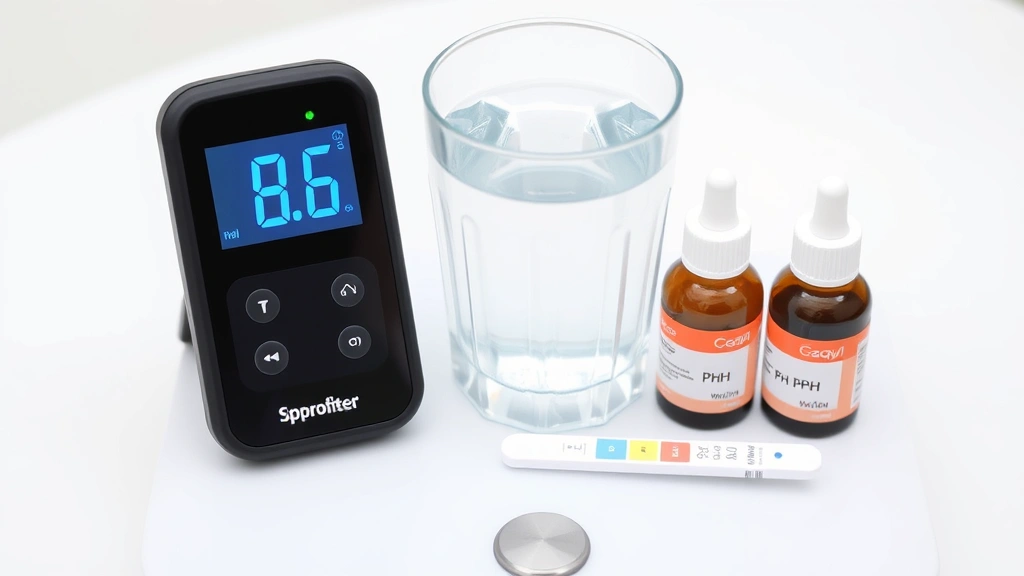
One important consideration is understanding your current water quality. Testing your tap water’s pH level provides a baseline for comparison. Inexpensive pH test strips or digital pH meters are available at hardware stores or online retailers, allowing you to measure results from each method you try. This scientific approach helps you determine which techniques work best for your specific water supply.
Method 1: Baking Soda Addition
The simplest and most budget-friendly method for creating alkaline water involves using baking soda, a common household item found in most kitchens. This approach requires minimal equipment and delivers measurable results. Baking soda, chemically known as sodium bicarbonate, naturally raises water’s pH level when dissolved.
Step-by-step process:
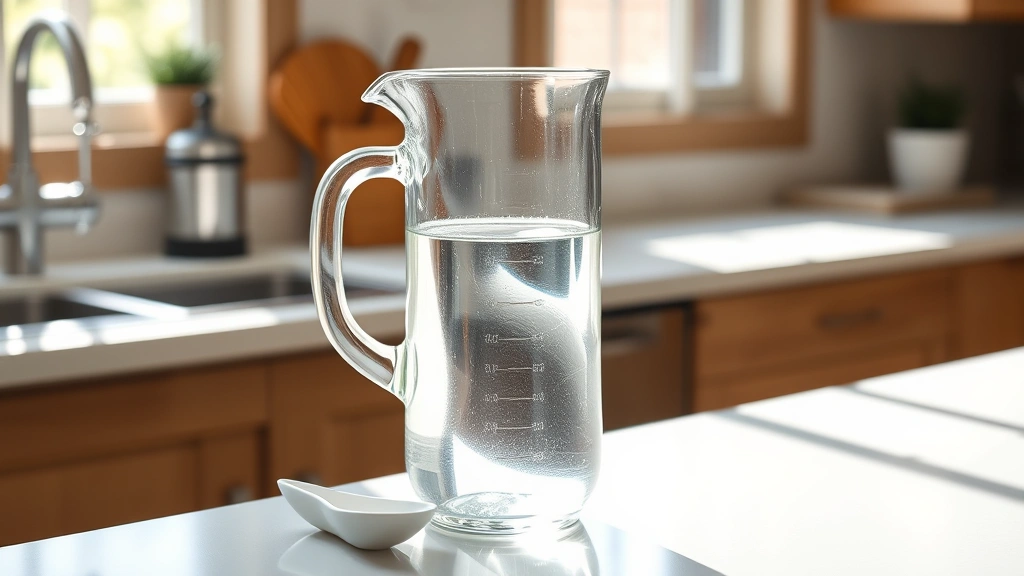
- Fill a clean glass pitcher with filtered or distilled water
- Add 1/8 to 1/4 teaspoon of food-grade baking soda per liter of water
- Stir thoroughly for several minutes until the baking soda completely dissolves
- Test the pH level using test strips to verify the desired alkalinity has been achieved
- Adjust the baking soda amount if needed—more baking soda increases alkalinity
- Store the water in a glass container in the refrigerator for up to one week
This method typically raises water pH to around 8.0 to 8.5, which falls within the alkaline range. The advantage of this approach is its cost-effectiveness—baking soda costs just pennies per batch. However, adding too much baking soda can create an unpleasant salty taste, so start with smaller amounts and gradually increase until you find your preferred balance.
One consideration when using this method involves sodium content. Each 1/4 teaspoon of baking soda adds approximately 600 milligrams of sodium per liter. If you’re monitoring sodium intake for health reasons, this method may not be ideal. For those without sodium restrictions, this simple technique provides an excellent entry point into creating beverages with optimized water for smoothies and other drinks.
Method 2: Lemon and Lime Infusion
While counterintuitive, lemons and limes—despite being acidic fruits—can create alkalizing effects in your body after digestion. This method appeals to those seeking a more natural approach without adding minerals or supplements to their water. The process is simple and adds pleasant flavor to your drinking water.
How to prepare lemon alkaline water:
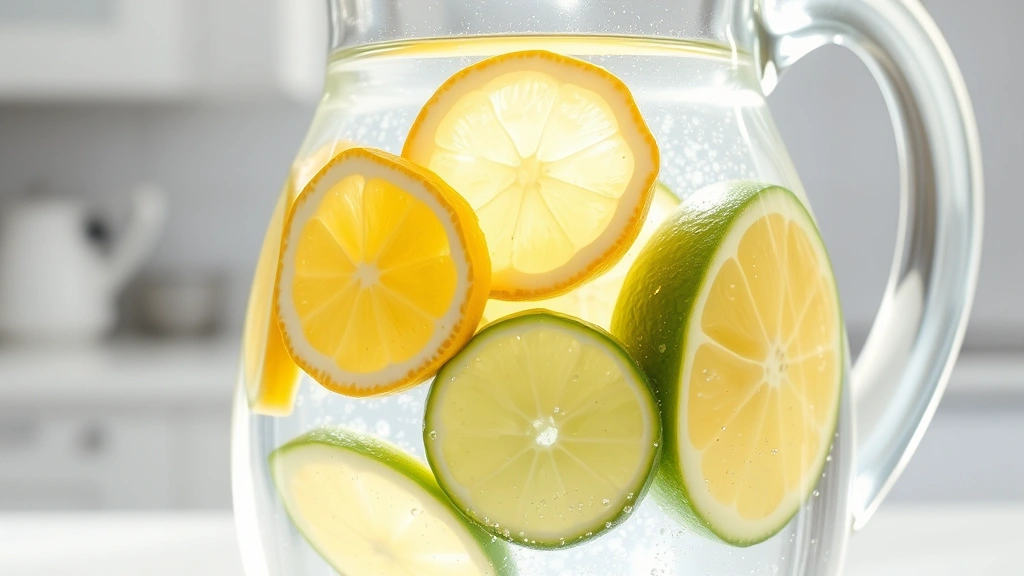
- Cut fresh organic lemons or limes into slices or wedges
- Place the citrus pieces in a glass pitcher filled with filtered water
- Allow the water to infuse for 6 to 12 hours at room temperature or overnight in the refrigerator
- Remove the fruit pieces before drinking
- Consume the water within 24 to 48 hours for maximum freshness and potential benefits
This method doesn’t technically raise the pH of the water itself—the water remains slightly acidic. However, proponents of alkaline water believe that lemon water’s minerals and alkalizing compounds are processed by the body to create an alkalizing effect internally. Whether or not you subscribe to this theory, lemon-infused water provides excellent hydration with a refreshing taste.
The flavor benefit makes this method particularly appealing for those who struggle to drink enough water throughout the day. Adding fresh lemon water to your wellness routine is similar to exploring other home wellness practices, combining simplicity with potential health advantages. Fresh citrus also provides vitamin C and other beneficial compounds that support overall health.
Method 3: pH Drops and Supplements
Commercial pH drops and alkaline water supplements offer a convenient middle ground between simple home methods and expensive equipment. These products contain concentrated minerals—typically potassium, sodium, and magnesium—that raise water’s pH when added in small amounts.
Using pH drops effectively:
- Purchase food-grade pH drops from health food stores or online retailers
- Follow the manufacturer’s instructions carefully, as concentration varies by product
- Typically, 2 to 10 drops per glass of water achieves desired alkalinity
- Stir well to distribute the minerals evenly throughout the water
- Test pH levels with test strips to confirm proper alkalinity
- Store the pH drop bottle in a cool, dark location away from direct sunlight
The advantage of pH drops lies in their precision and convenience. You can quickly adjust individual glasses of water without preparing large batches. The disadvantage involves ongoing costs—regular use requires continuous bottle purchases. Additionally, some people find that pH drops leave a slight mineral taste, though this varies by brand and personal preference.
When selecting pH drops, ensure you’re purchasing products from reputable manufacturers who provide third-party testing and transparent ingredient lists. Some products include additional compounds like fulvic acid or trace minerals that manufacturers claim provide additional health benefits. Research these claims carefully and consult with healthcare providers if you have specific health concerns or dietary restrictions.
Method 4: Alkaline Water Pitchers and Filters
Alkaline water pitchers combine convenience with sustainability, offering a middle-ground investment for those serious about regular alkaline water consumption. These specialized pitcher filters work similarly to standard water filtration pitchers but include additional mineral cartridges that raise pH levels.
How alkaline pitcher systems work:
The pitcher contains a replaceable filter cartridge filled with minerals like calcium, magnesium, and potassium, along with activated carbon for basic filtration. When tap water passes through the filter, these minerals dissolve into the water, raising its pH to approximately 8.5 to 9.0. The process takes 5 to 10 minutes per pitcher, making it slightly slower than tap water but faster than waiting for infusion methods.
Advantages of pitcher systems:
- Initial investment typically ranges from $30 to $80 per pitcher
- Replacement filters cost $15 to $30 and last 2 to 3 months with regular use
- No electricity required—completely passive filtration
- Improved taste through activated carbon filtering
- Portable and space-efficient for most kitchens
These pitchers work well for individuals or small households wanting consistent alkaline water without major installation. However, families with high water consumption may find the pitcher’s capacity limiting. If you’re interested in documenting your wellness journey, tracking your water consumption and pH levels can be an interesting personal project.
Method 5: Ionization Systems
Water ionizers represent the most advanced and expensive method for creating alkaline water at home. These countertop or under-sink devices use electrolysis to separate water molecules, increasing pH levels significantly. While the technology is impressive, these systems require careful consideration before purchase.
How water ionizers function:
Ionizers pass water through an electrolytic chamber containing positive and negative electrodes. This process separates water into alkaline and acidic streams. The alkaline water—with pH levels reaching 9.0 to 11.0—flows from one spout, while acidic water exits from another. The ionized alkaline water contains higher concentrations of minerals and negative ions, which manufacturers claim provide superior health benefits compared to other alkaline water methods.
Investment and maintenance considerations:
- Initial cost ranges from $500 to $4,000+ depending on features and brand
- Professional installation may be required for under-sink models, adding $300 to $500
- Replacement filters needed every 6 to 12 months cost $100 to $200
- Regular cleaning and descaling required to maintain optimal performance
- Electricity consumption adds to monthly utility costs
Water ionizers require pre-existing good water quality to function effectively. If your tap water is heavily contaminated or has unusual mineral content, you may need additional pre-filtration systems. Before investing in an ionizer, research comprehensive water filtration options from reputable sources to ensure you understand your water’s baseline characteristics.
These systems appeal primarily to enthusiasts who want maximum control over their water’s properties and those with specific health goals. For most households, simpler and more affordable methods provide adequate alkaline water without the substantial investment.
Maintenance and Safety Considerations
Regardless of which method you choose for making alkaline water, several important maintenance and safety principles ensure you’re consuming quality water and using equipment properly.
Water quality testing:
Before beginning any alkaline water process, test your source water’s current pH and mineral content. This baseline helps you understand what changes each method produces. Inexpensive pH test kits from reputable home improvement retailers provide quick results. For comprehensive analysis including mineral content and contaminants, consider professional water testing through your local health department or certified laboratories.
Storage and shelf life:
Alkaline water’s stability depends on your preparation method. Water treated with baking soda or pH drops remains stable for up to one week when stored in sealed glass containers in the refrigerator. Lemon-infused water should be consumed within 24 to 48 hours for optimal freshness. Water from pitchers or ionizers is best consumed within a few days, as alkalinity may decrease over time through natural pH drift.
Equipment hygiene:
For pitcher systems and ionizers, regular cleaning prevents bacterial growth and mineral buildup. Clean pitcher filters monthly with distilled water, and follow manufacturer instructions for ionizer maintenance. Never use harsh chemicals or chlorine-based cleaners on these systems, as they can damage internal components and contaminate your water.
Health and dietary considerations:
While alkaline water is generally considered safe for most people, certain individuals should exercise caution. Those with kidney disease, heart conditions, or specific dietary restrictions should consult healthcare providers before regularly consuming alkaline water, particularly methods that add sodium or significant mineral quantities. Pregnant women and children should similarly seek medical guidance before making dietary changes involving water supplementation.
Understanding your local water regulations helps ensure you’re making informed decisions. Check EPA guidelines for drinking water standards to understand how your water supply is regulated and what safety standards apply in your area.
If you’re exploring various home wellness projects, you might also be interested in other DIY initiatives. Learning proper maintenance techniques for household items applies similar principles of care and attention to detail.
FAQ
Is alkaline water safe to drink daily?
For most healthy individuals, alkaline water is safe to consume daily. However, excessive consumption of highly alkaline water (pH above 9.0) may affect your body’s natural pH balance. Moderation is key—drinking alkaline water alongside regular water provides balance. Those with specific health conditions should consult healthcare providers before making dietary changes.
Can I make alkaline water without any additives?
Yes, the lemon and lime infusion method creates alkaline benefits without adding minerals or supplements. While the water itself remains slightly acidic, the citrus compounds are believed to create alkalizing effects when processed by your body. This method appeals to those preferring natural approaches without any additives.
How long does it take to see benefits from drinking alkaline water?
Individual responses vary significantly. Some people report feeling more hydrated and energetic within days, while others notice changes over weeks or months. Many people never notice obvious changes but continue drinking alkaline water for perceived long-term wellness benefits. Personal experimentation helps determine whether alkaline water works for your body.
What’s the most cost-effective method for making alkaline water?
The baking soda method offers the lowest cost, requiring only pennies per batch. Lemon infusion costs minimal amounts depending on citrus prices in your area. For those wanting convenience without high equipment costs, alkaline water pitchers provide reasonable middle-ground pricing with replaceable filters.
Does alkaline water taste different from regular water?
Alkaline water typically has a slightly smoother, less sharp taste compared to neutral tap water. Some people describe it as softer or more pleasant to drink. Methods using baking soda may impart a subtle mineral taste, while lemon-infused water obviously carries citrus flavor. pH drops vary by brand but generally add minimal taste changes.
Can I use alkaline water for cooking and cleaning?
Yes, alkaline water works fine for cooking, cleaning, and other household uses. However, using your carefully prepared alkaline water for cooking or cleaning wastes the preparation effort. Reserve your homemade alkaline water for drinking and consider using regular filtered water for other applications.
What pH level should my alkaline water be?
Most alkaline water recommendations suggest a pH between 8.0 and 9.0 as ideal. Water above 9.5 pH is considered very alkaline and may be excessive for regular consumption. Start with pH 8.0 to 8.5 and adjust based on how you feel and any guidance from healthcare providers.

Related Posts

Superscript in Google Docs: Expert Tips

Strikethrough in Excel: Easy Steps for Beginners
