
Make a Paper Football? Easy Steps Explained!
How to Make a Paper Football: Easy Steps Explained!
Paper footballs are a timeless office, classroom, and home activity that requires nothing more than a single sheet of paper and a few minutes of your time. Whether you’re looking for a quick distraction during a work break or a fun project to do with kids, learning how to make a paper football is an essential skill that opens up endless possibilities for indoor games and competitions. The beauty of this craft lies in its simplicity—no special tools, no glue, and no complicated instructions needed.
Creating a paper football is more than just folding paper; it’s about understanding the basic principles of origami and geometry that make the finished product fly true and land with precision. Once you master the fundamental technique, you’ll be able to produce consistent, high-quality paper footballs that actually perform well when flicked or thrown. This guide will walk you through every step of the process, ensuring that even complete beginners can create a perfectly functional paper football on their first attempt.
Materials You’ll Need
The wonderful thing about making a paper football is that you likely already have everything you need at home. The primary material is, of course, paper—standard 8.5 by 11-inch printer paper works perfectly for beginners. However, you can experiment with different paper weights and sizes once you become comfortable with the basic folding process. Thicker cardstock produces a heavier, more durable football, while thinner tissue paper creates a lighter version that floats through the air differently.
Beyond paper, you don’t need much else. Some people prefer to have a ruler on hand to ensure perfectly straight folds, though this is entirely optional if you’re comfortable folding by eye. A flat surface like a desk or table is essential for crisp, clean folds. If you want to explore other DIY projects and how-to guides, you’ll find that many crafts require similar basic materials and preparation. Consider keeping a small stack of different colored papers available so you can create paper footballs in your team colors or personal preferences.
Some crafters enjoy decorating their paper footballs after folding them. If this interests you, have markers, colored pencils, or paint pens nearby. You might also want to keep tape on hand—clear packing tape or masking tape can reinforce your finished football and extend its lifespan, especially if you plan to flick it repeatedly during games.
Step-by-Step Folding Instructions
Step 1: Start with Your Paper
Begin with a standard sheet of 8.5 by 11-inch paper placed on a flat surface in portrait orientation (taller than it is wide). Ensure your work surface is clean and smooth to prevent wrinkles or creases that aren’t intentional. If you’re using recycled or slightly crumpled paper, take a moment to smooth it out with your hands or a ruler before starting your folds.
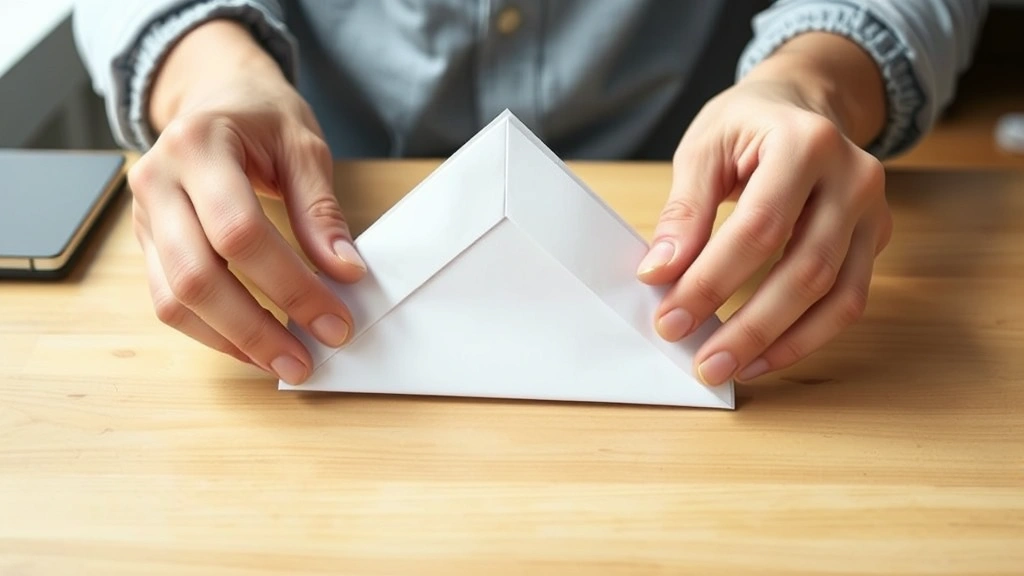
Start by folding the top right corner of the paper down toward the left side, creating a diagonal fold. The top edge of the paper should align with the left edge, forming a triangle at the top of the page. Press firmly along the fold line to create a sharp crease. This first fold is crucial because it establishes the angle that the entire football will follow.
Step 2: Create the First Triangle
Once you’ve made the diagonal fold, you’ll notice a rectangular section of paper extending below the triangle. Fold this rectangle up so that its edge aligns with the hypotenuse of the triangle you just created. This creates a smaller triangle and removes excess paper from your working area. Press down firmly to establish a clean crease.
Unfold this last fold so you can see the crease line you created. This crease line is important because it will guide your next series of folds. Understanding how precise measurements and alignment matter in projects applies equally to paper folding—accuracy at each step determines your final result.
Step 3: Begin the Accordion Fold
This is where your paper football truly starts taking shape. Fold the top right corner down again, but this time, align it with the crease line you just created. This creates a thinner triangle at the top of your paper. Fold the top left corner down to meet the right edge of this triangle, creating a point at the top center of your paper.
Now, flip your paper over and repeat these corner folds on the back side. Fold the bottom corners up to meet the center line, creating a symmetrical diamond or kite shape. These accordion-style folds are what give the paper football its distinctive pointed shape.
Step 4: Continue Folding the Sides
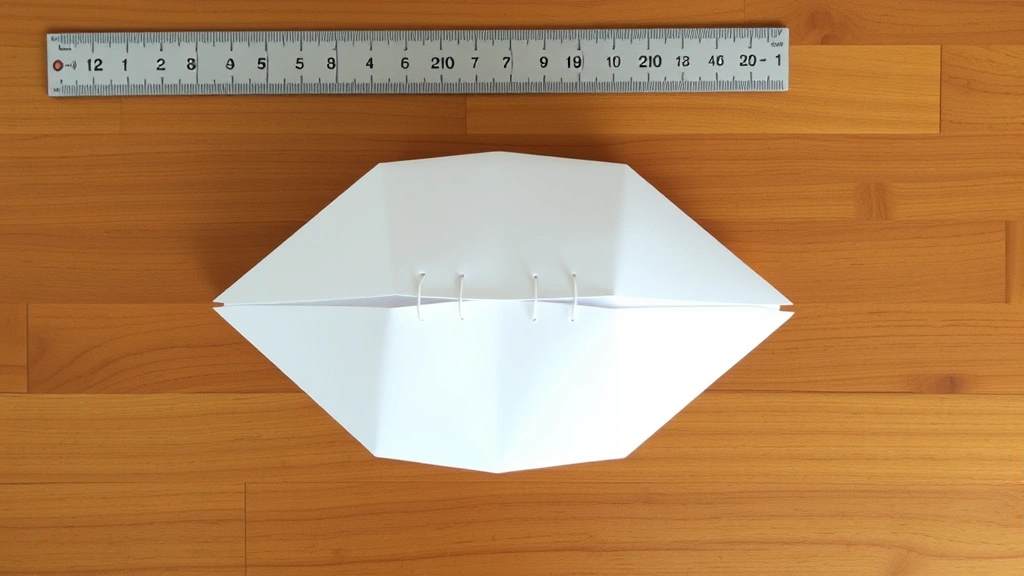
With your diamond shape established, fold the left point inward toward the center, then fold the right point inward to overlap it. These side folds compress the width of your football and begin forming the three-dimensional structure. Make sure your folds are symmetrical—if one side is wider than the other, your football will fly unevenly.
Fold the entire structure in half lengthwise, bringing the bottom point up to meet the top point. This creates a long, thin triangle that’s the foundation of your paper football’s shape. Press down firmly on this central fold because it’s the most important crease in the entire construction.
Step 5: Form the Point and Finalize the Shape
Fold the top corner down at a slight angle to create the pointed tip of your football. This tip is what you’ll grip when flicking the football through the air. The angle of this fold affects how the football flies—a sharper point tends to fly farther and more accurately, while a more rounded point produces a wobblier flight pattern.
Fold the sides inward one more time to taper the football and give it a more realistic shape. You should now have a small, compact, three-dimensional object that resembles a miniature football. The pointed end should be firm and well-defined, while the body should feel sturdy when you squeeze it gently.
Step 6: Make Final Adjustments
Hold your completed paper football in your hand and examine it from all angles. Look for any loose flaps or uneven sections that might affect its flight. If you see any protruding paper edges, carefully fold them underneath or tuck them into the main body of the football. A well-constructed paper football should be compact, symmetrical, and have no loose or fluttering pieces.
Perfecting Your Technique
Creating a functional paper football is one thing; mastering the craft takes practice and attention to detail. Fold Precision is the most critical factor in producing consistent, quality results. Each fold should be as straight and sharp as possible. Use the edge of a ruler or the side of your hand to press down on folds and create crisp creases. Sloppy folds lead to asymmetrical footballs that don’t fly straight.
Paper Selection significantly impacts your results. Standard printer paper works well for learning, but once you’re comfortable with the process, try different weights and textures. Cardstock produces a heavier football that’s more resistant to damage but requires more force to throw. Lightweight paper creates a football that’s easier to flick but may not survive multiple uses.
The Flicking Technique matters as much as the folding itself. Hold your paper football at the pointed end between your thumb and index finger. Position it so the tip points away from you at a slight downward angle. Flick it using a smooth, controlled motion with your wrist rather than your entire arm. The point should lead the way through the air, with the body trailing behind. If your football tumbles or spirals unexpectedly, the problem likely lies with either your fold symmetry or your throwing technique.
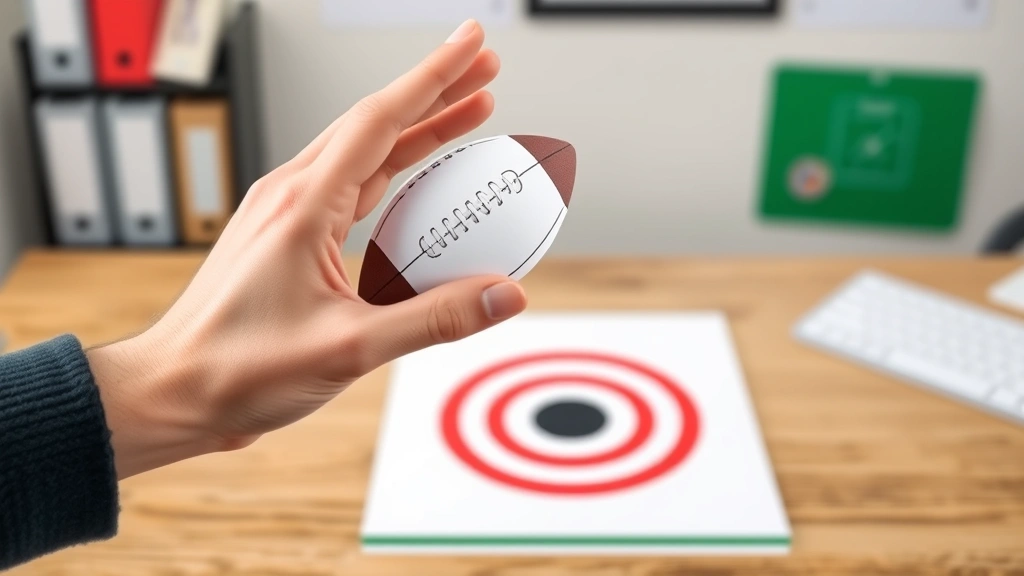
Practice throwing from different distances and angles to understand how your specific paper football behaves. Some footballs prefer a gentle flick for accuracy, while others perform better with a harder throw. The more you practice, the better you’ll understand the relationship between your folding technique and your football’s flight characteristics.
Advanced Variations and Designs
Once you’ve mastered the basic paper football, you can explore numerous variations that change the appearance, weight, or flight characteristics. Colored Paper Footballs are simple to create—just use colored printer paper instead of white. You can create team colors by folding half the football with one color and half with another, or you can use markers to add stripes and logos after folding.
The Double-Layer Football is constructed by folding two sheets of paper together before beginning the folding process. This creates a heavier, more durable football that can withstand more aggressive play. The double layer also makes the football slightly more water-resistant, making it suitable for outdoor play.
Reinforced Footballs involve wrapping clear tape around the finished product. This not only extends the football’s lifespan but also changes its weight distribution and flight characteristics. Some serious paper football enthusiasts create footballs with specific tape patterns to optimize performance in competitive games.
For those interested in learning practical skills that require precision and follow-through, paper football construction teaches valuable lessons about attention to detail. You can apply these same principles to more advanced crafting projects.
Miniature Footballs can be created using half-sheets or quarter-sheets of paper. These tiny versions are perfect for desk games and require even more precision in your folding. Jumbo Footballs made from newspaper or larger sheets of paper are ideal for group games and parties where visibility from a distance matters.
Playing Games with Paper Footballs
The real fun begins once you have your paper football in hand. Desktop Football is the most popular game played with paper footballs. Players take turns flicking their football across a desk or table, trying to score points by landing it in designated zones or knocking opponents’ footballs off the table. Basic scoring typically awards one point for landing on the table and three points for landing in a designated end zone.
Flick Football involves setting up goal posts at each end of a surface using fingers, pencils, or other small objects. Players flick their football trying to pass it between the goal posts. More advanced versions include defensive players who try to block shots or intercept passes.
For group play, Paper Football Tournament brackets can be created where multiple players compete in elimination rounds. The player whose football lands closest to a target line wins the round and advances. This format works well in offices, classrooms, or at parties.
Accuracy Challenges test your throwing skill by setting up specific targets at various distances. You might place a cup, tape mark, or other object on the floor and see how many consecutive throws you can land in or near the target. This is an excellent way to improve your flicking technique and develop muscle memory.
Understanding game rules and fair play is important for group games. Establish clear boundaries, define what constitutes a valid throw, and agree on scoring before you begin. If you’re interested in other simple DIY projects that bring people together, consider that paper football games serve a similar social function.
For competitive players, consider establishing house rules that specify paper weight, allowed decorations, and throwing techniques. Some serious enthusiasts create regulation paper footballs with specific dimensions and weight requirements, similar to how maintaining equipment properly extends its usefulness.
FAQ
What size paper works best for making a paper football?
Standard 8.5 by 11-inch printer paper is ideal for beginners. This size is large enough to work with easily but small enough to create a manageable football. As you gain experience, you can experiment with different sizes. Legal-sized paper (8.5 by 14 inches) creates a slightly larger football, while half-sheets produce smaller versions suitable for tight spaces.
How long does a paper football last?
A basic paper football typically lasts between 50 and 200 throws, depending on paper quality and how aggressively you play. Thicker cardstock footballs last longer, while thin paper versions may tear after fewer uses. Reinforcing your football with tape can significantly extend its lifespan. If your football becomes damaged, simply fold a new one—the process takes only a few minutes.
Can I make a paper football waterproof?
You can increase water resistance by using heavier cardstock or laminating your finished football with clear packing tape. However, paper footballs are not truly waterproof. If you need a durable outdoor option, consider using plastic or rubber alternatives. For occasional outdoor play, a tape-reinforced paper football should survive light moisture.
What’s the best throwing technique for paper footballs?
Hold the football at its pointed tip with your thumb and index finger. Position it at a slight downward angle pointing away from you. Use a smooth flicking motion with your wrist, not your entire arm. The key is consistency—practice the same motion repeatedly until it becomes natural. A gentle, controlled flick produces better accuracy than a hard throw.
Why does my paper football not fly straight?
Asymmetrical folds are the most common cause of curved or tumbling flight. Check that both sides of your football are symmetrical and that the point is centered. Additionally, your throwing technique might be causing the problem—ensure you’re using a smooth, straight flicking motion without spinning your wrist. Finally, verify that the football’s weight is evenly distributed throughout its body.
Can I decorate my paper football?
Absolutely! You can use markers, colored pencils, paint pens, or stickers to decorate your paper football. Apply decorations before taping, as tape may cover your designs. Keep decorations light to avoid affecting the football’s weight distribution. Team logos, stripes, and personalized designs are all popular decoration choices.
How do I store paper footballs?
Store paper footballs in a dry place away from direct sunlight, which can fade colors and weaken paper. A small box or container keeps them organized and protected from damage. If you’ve invested time in creating multiple footballs for games or competitions, proper storage ensures they remain in good condition for future use.

Related Posts

Superscript in Google Docs: Expert Tips

Strikethrough in Excel: Easy Steps for Beginners
