
Make a Matcha Latte at Home: Barista Tips
Make a Matcha Latte at Home: Barista Tips
Creating a café-quality matcha latte in your own kitchen is easier than you might think, and it costs a fraction of what you’d pay at a specialty coffee shop. Whether you’re a matcha enthusiast looking to perfect your technique or a curious beginner ready to explore this vibrant green beverage, this comprehensive guide will walk you through every step of the process. With the right tools, quality ingredients, and proven barista techniques, you’ll be crafting silky, delicious matcha lattes that rival your favorite coffee shop.
Matcha has become increasingly popular for good reason—it offers a sustained energy boost without the jitters, contains beneficial antioxidants, and creates a beautiful presentation that makes every sip feel special. The key to mastering this drink at home lies in understanding proper whisking technique, water temperature, and ingredient ratios. Let’s dive into everything you need to know to become a matcha latte expert.
Essential Equipment and Ingredients
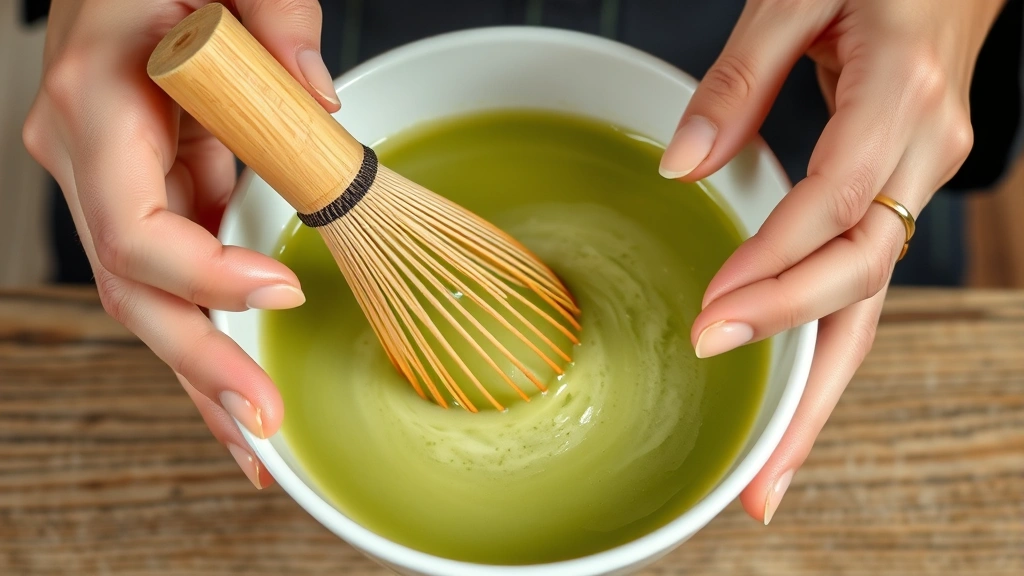
Before you start making matcha lattes, gather the proper tools and ingredients. Unlike many beverages, matcha requires specific equipment to achieve that signature creamy texture and vibrant color. The most important tool is a matcha whisk (chasen), a traditional bamboo whisk with fine tines designed specifically for matcha preparation. This whisk creates the necessary friction to dissolve the powder and incorporate air, resulting in that luxurious froth.
You’ll also need a matcha bowl (chawan), though a small ceramic bowl or even a mug works in a pinch. A small sifter helps break up matcha powder clumps before whisking, preventing lumps in your final drink. Additionally, invest in a milk frother or steamer if you want to elevate your latte game—these tools create velvety microfoam that transforms your drink from good to exceptional.
For ingredients, start with high-quality matcha powder, filtered water, and your choice of milk. Many people also keep honey, vanilla extract, or other flavoring agents on hand for customization. The quality of your matcha powder directly impacts the final product, so this is where you shouldn’t compromise.
Choosing Quality Matcha Powder
Not all matcha powders are created equal, and selecting the right one is crucial for making exceptional lattes. Quality matters in every DIY project, and matcha is no exception. Look for matcha labeled as ceremonial grade or premium grade for the best flavor and color. Ceremonial grade matcha is finely ground from the youngest tea leaves and offers a smooth, slightly sweet taste perfect for lattes.
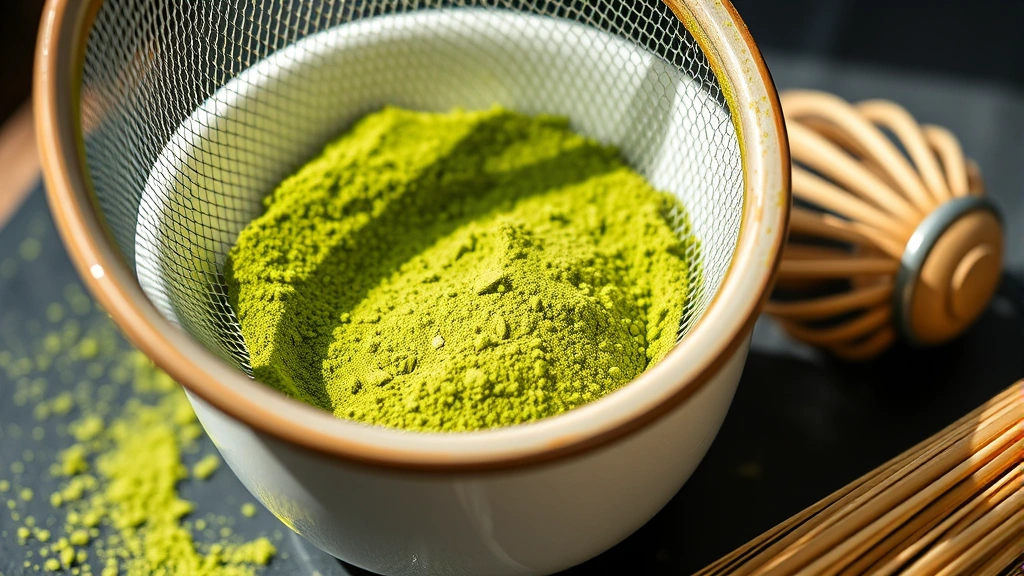
The powder should be vibrant green, not dull or brownish, which indicates oxidation and loss of freshness. Purchase matcha from reputable suppliers who source directly from Japan, particularly regions like Uji, Nishio, or Enoshima, which are known for producing exceptional matcha. Store your matcha in an airtight container away from light, heat, and humidity—your freezer is an ideal storage location to maintain freshness and potency.
Avoid bargain matcha powders that appear gritty or have an off-putting bitter taste. These lower-quality options contain older leaves and stems, resulting in a less pleasant flavor and fewer health benefits. Expect to pay between $20-40 for quality ceremonial matcha, but a small amount goes a long way—one tin typically makes 30-40 lattes.
The Whisking Technique
Mastering the proper whisking technique is fundamental to creating a smooth, frothy matcha latte. This is where many home brewers struggle, but with practice, you’ll develop the muscle memory needed for perfect results every time. The traditional method involves using a bamboo matcha whisk in a specific M-shaped or zigzag motion rather than circular stirring.
Start by sifting your matcha powder into your bowl or mug using a fine-mesh strainer. This crucial step prevents lumps and ensures even dissolution. Add just two teaspoons of matcha powder—approximately the size of a golf ball—for a standard latte. Pour a small amount of hot water (about three ounces) into the bowl with your matcha powder.
Now comes the whisking: hold your whisk lightly and use quick, back-and-forth motions, slightly angling the whisk to create an M-shaped pattern. This technique incorporates air and breaks down the powder particles. Whisk for about 30-60 seconds until you achieve a bright green liquid with a thin layer of foam on top. The consistency should resemble a thin soup before you add milk.
Many people make the mistake of whisking too gently or using circular motions, which doesn’t create enough friction to properly dissolve the powder. Apply moderate pressure and maintain a steady, rhythmic pace. With a quality matcha whisk, you should hear a soft swishing sound as you work. If you don’t have a traditional whisk, a small hand frother or even a clean fork can work, though results won’t be quite as smooth.
Water Temperature and Timing
Water temperature plays a critical role in matcha preparation and is often overlooked by beginners. Never use boiling water—temperatures above 175°F (80°C) can scald the delicate matcha leaves, resulting in a bitter, unpleasant taste and destroying many of the beneficial compounds. The ideal water temperature for matcha is between 160-175°F (70-80°C).
If you don’t have a thermometer, let freshly boiled water cool for about 3-5 minutes before using it. Alternatively, use a kettle with a temperature setting to heat water to the precise degree. This seemingly small detail makes an enormous difference in the final flavor—water that’s too hot produces a harsh, astringent taste, while water that’s too cool won’t properly dissolve the powder.
Timing also matters when it comes to whisking. Once you’ve added your hot water to the matcha powder, begin whisking immediately and continuously for the full 30-60 seconds. Letting the matcha sit in hot water without whisking allows it to settle and become difficult to dissolve. The whisking motion itself is what creates the proper emulsion and prevents clumping.
Milk Selection and Steaming
The milk you choose significantly impacts both the flavor and texture of your matcha latte. Each type of milk brings different qualities to the drink, so experiment to find your preference. Dairy milk creates the richest, creamiest lattes with excellent microfoam capability. Whole milk produces the smoothest results, though 2% milk works well too.
For those seeking alternative options like you might explore when learning new techniques, plant-based milks offer interesting flavor profiles. Oat milk has become increasingly popular for lattes because it froths beautifully and adds a subtle sweetness that complements matcha. Almond milk works but produces less stable foam. Soy milk froths well and adds protein, though its flavor can overpower delicate matcha.
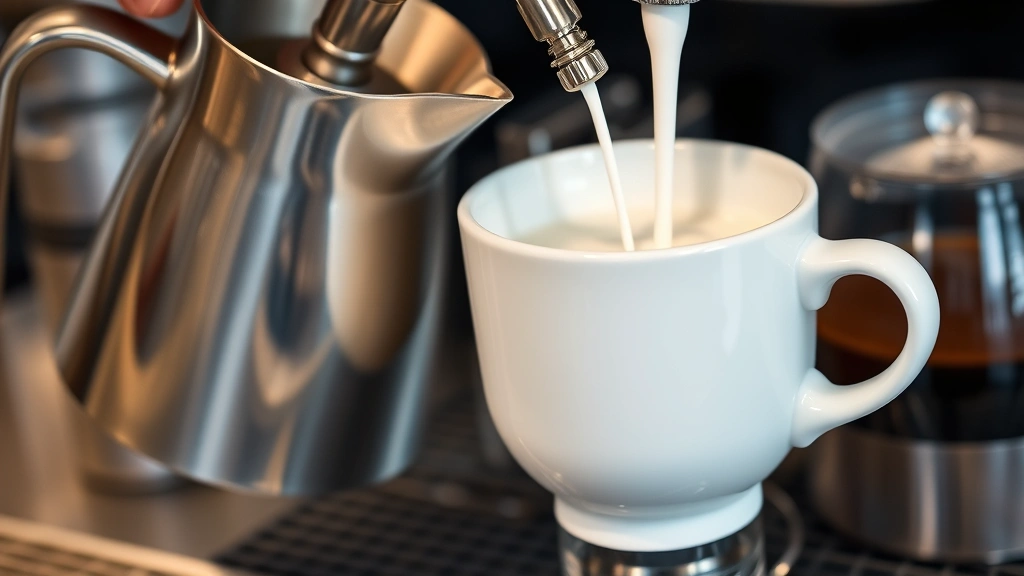
When steaming milk, pour cold milk into a metal pitcher and insert your steam wand just below the surface. Create a whirlpool motion while gradually lowering the pitcher as the milk expands. The goal is to create microfoam—tiny, uniform bubbles that integrate into the milk rather than large, separate bubbles. Microfoam feels silky on your tongue and pours smoothly into your matcha base.
If you don’t have a steam wand, use a handheld milk frother or even a French press. Heat your milk to about 150-155°F (65-68°C) for optimal texture. Never overheat milk, as it can develop a burnt taste and won’t froth properly. For cold matcha lattes, simply shake chilled milk vigorously in a jar with a tight-fitting lid to create foam.
Step-by-Step Recipe
Now that you understand the fundamentals, here’s the complete process for making a perfect matcha latte at home:
- Heat your water: Bring filtered water to a boil, then let it cool to 160-175°F (70-80°C). Use a thermometer for accuracy.
- Sift your matcha: Place two teaspoons of matcha powder into your matcha bowl or small mug. Using a fine-mesh sifter, sift the powder to remove any clumps. This step is non-negotiable for smooth results.
- Add hot water: Pour approximately three ounces of your heated water over the sifted matcha powder.
- Whisk vigorously: Using your bamboo whisk, whisk in an M-shaped or zigzag pattern for 30-60 seconds until the matcha is fully dissolved and you see a thin layer of foam on top. The mixture should look bright green and smooth.
- Heat and froth milk: Pour eight ounces of cold milk into a steaming pitcher. If using a steam wand, create microfoam as described above. If using a handheld frother, heat the milk first, then froth for 20-30 seconds until foamy.
- Combine: Pour your frothed milk into the matcha base, holding back the foam with a spoon. The ratio should be approximately one part matcha mixture to two parts milk.
- Top with foam: Spoon the remaining microfoam onto the top of your latte.
- Serve immediately: Enjoy your matcha latte while it’s hot and the foam is still creamy.
This entire process takes about five minutes once you’ve gathered your ingredients and equipment. With practice, you’ll develop speed and confidence, and the process becomes almost meditative.
Flavor Variations
Once you’ve mastered the basic matcha latte, experiment with flavor variations to keep things interesting. Vanilla matcha lattes are incredibly popular—simply add 1/4 teaspoon of vanilla extract to your whisked matcha before adding milk. The vanilla complements matcha’s earthy notes beautifully without overpowering it.
For a honey matcha latte, add one tablespoon of raw honey to your hot matcha mixture and stir until fully dissolved before adding milk. Honey adds natural sweetness and enhances matcha’s subtle flavors. Cinnamon matcha lattes work wonderfully too—sprinkle a pinch of ground cinnamon over your finished latte or add it to the matcha before whisking.
Try matcha lattes with cardamom for something more sophisticated, or experiment with citrus variations by adding a small squeeze of fresh lemon juice to your matcha base. Some people enjoy maple matcha lattes, using pure maple syrup instead of honey. For chocolate lovers, a small amount of cocoa powder whisked in with the matcha creates an interesting fusion drink.
For iced matcha lattes, follow the same whisking process but skip heating the milk. Pour your whisked matcha into a glass with ice, then add cold milk and stir. You can also prepare your matcha mixture ahead of time and refrigerate it for convenient iced lattes throughout the week.
Troubleshooting Common Issues
Even experienced matcha enthusiasts encounter occasional problems. Understanding how to diagnose and fix these issues will improve your results. If your matcha tastes bitter or astringent, your water was likely too hot. Remember that 160-175°F is the sweet spot—boiling water scalds the leaves and creates that unpleasant taste. Use a thermometer to verify your water temperature.
If your matcha appears lumpy or grainy, you likely skipped the sifting step or didn’t whisk long enough. Always sift your matcha powder before whisking, and maintain vigorous whisking for at least 30 seconds. If lumps form, they’re difficult to break down, so prevention is key.
A weak, pale-colored latte usually means you didn’t use enough matcha powder or your powder has lost potency. Check your matcha’s color—it should be vibrant green. If it’s been stored improperly or opened for several months, it may have oxidized. Use the full two teaspoons of powder and ensure you’re using fresh, quality matcha.
If your milk foam won’t stay creamy, you may not have created proper microfoam. The foam should integrate into the milk rather than sitting as large bubbles on top. Practice your steaming or frothing technique, focusing on creating small, uniform bubbles. If using a handheld frother, hold it just below the milk surface and move it in circular motions.
For those experiencing a gritty texture in their drink, you may have undissolved matcha particles. This happens when matcha isn’t whisked thoroughly or sifted beforehand. Increase your whisking time and always use a fine-mesh sifter. Some people even double-sift their matcha for extra smoothness.
If your latte separates or the matcha sinks to the bottom, ensure you’re whisking your matcha thoroughly enough to create an emulsion. The matcha should be evenly distributed throughout the liquid, not settling at the bottom. This often improves with practice and proper technique.
FAQ
Can I make matcha lattes without a traditional whisk?
While a bamboo matcha whisk produces the best results, you can use alternatives. A small hand frother works reasonably well, as does a clean fork or even a small wire whisk. The key is creating enough friction to dissolve the powder and incorporate air. Results won’t be quite as smooth, but they’re still acceptable.
How much caffeine is in a matcha latte?
A standard matcha latte contains approximately 25-70 milligrams of caffeine, depending on the amount of matcha used. This is less than a cup of coffee (95-200mg) but more than a cup of black tea (25-50mg). Matcha also contains L-theanine, an amino acid that promotes calm alertness without the jitters associated with coffee.
Is matcha latte healthy?
Matcha contains powerful antioxidants called catechins, which support overall health. It’s rich in chlorophyll, provides sustained energy, and contains no added sugar unless you sweeten it. However, matcha lattes made with added sweeteners and full-fat milk do contain calories—typically 150-250 calories depending on your recipe.
How long does matcha powder last?
Properly stored matcha powder lasts about one year in your freezer, or 3-6 months in an airtight container at room temperature away from light and heat. Once opened, use it within a few months for best quality. If your matcha smells off or has changed color significantly, it’s time to replace it.
What’s the difference between ceremonial and culinary grade matcha?
Ceremonial grade matcha comes from the youngest, most tender leaves and is finely ground into a smooth powder. It has a delicate, slightly sweet flavor perfect for traditional preparation and lattes. Culinary grade comes from slightly older leaves and contains more stems, resulting in a more astringent taste. It’s better suited for baking or smoothies where other flavors can mask its intensity.
Can I make matcha lattes ahead of time?
You can prepare your whisked matcha mixture ahead and refrigerate it for up to two days, then heat it and add fresh milk when ready. However, matcha lattes taste best when made fresh. For convenience, prepare your matcha powder in advance by sifting it into individual portions, so you only need to add hot water and whisk when ready.
What’s the best milk for matcha lattes?
Whole dairy milk creates the creamiest lattes with excellent microfoam, making it ideal for latte art. Oat milk is the best plant-based option, offering natural sweetness and superior frothing capability. Experiment with different milks to find your preference—the best milk is the one you enjoy most.

Related Posts

Superscript in Google Docs: Expert Tips

Strikethrough in Excel: Easy Steps for Beginners
