
Remove Wax from Clothes: Expert Methods Revealed
How to Get Wax Out of Clothes: Expert Methods Revealed
Discovering wax on your favorite garment can feel like a disaster, but the good news is that removing it doesn’t require professional dry cleaning or throwing away the item. Whether you’ve accidentally spilled candle wax during a cozy dinner, gotten into crafting materials, or encountered wax from other household sources, multiple proven techniques can restore your clothing to its original condition. The key is acting quickly and choosing the right method based on your fabric type and the wax composition.
This comprehensive guide walks you through every effective technique for wax removal, from heat-based methods to chemical solutions. You’ll learn which approaches work best for delicate fabrics versus durable materials, how to prevent damage during the process, and what to do if wax has already set into your clothes. With these expert strategies, you can tackle wax stains confidently and successfully.
Why Quick Action Matters for Wax Removal
The moment you notice wax on your clothing, time becomes your ally. Fresh wax that hasn’t fully cooled or set into fibers responds much better to removal techniques than wax that has hardened and bonded with fabric. When wax is still warm or pliable, it hasn’t completely penetrated the weave, making it easier to lift away without leaving residue or stains.
Understanding wax behavior is essential for successful removal. Different wax types—paraffin wax from candles, soy wax, beeswax, or craft wax—have varying melting points and adhesion properties. Some waxes are naturally hydrophobic (water-repellent), which means simple water washing won’t work. The longer wax sits on fabric, the more it works into the fibers and can potentially stain permanently if not treated properly.
Your first instinct should be to resist the urge to immediately wash the garment in hot water or put it in the dryer, as heat can actually set wax deeper into the fabric. Instead, assess the situation and choose an appropriate removal method based on whether the wax is still soft, partially hardened, or completely set.
The Freezing Method: Best for Fresh Wax
The freezing method ranks as one of the most effective and safest approaches for removing wax from clothes, particularly for fresh spills. This technique works by making wax brittle and easier to remove without damaging the fabric itself.
Step-by-step freezing method:
- Place the garment in the freezer with the wax-stained side facing outward if possible. If the wax is on both sides, fold the fabric so the waxy area is accessible.
- Leave the clothing in the freezer for at least 2-3 hours, or until the wax becomes completely hard and brittle.
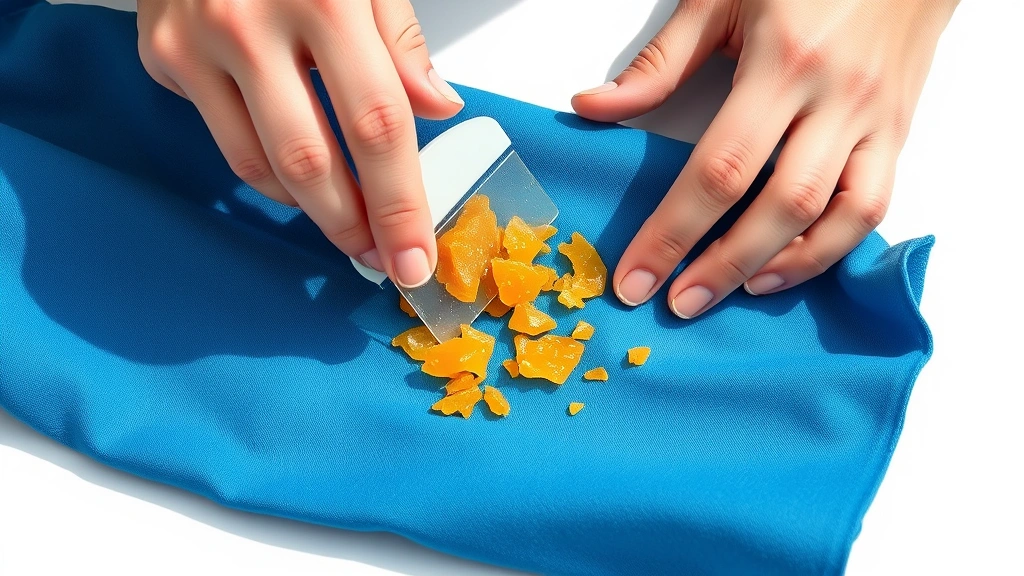
- Remove the garment and work quickly before the wax warms up. Use a stiff brush, old toothbrush, or plastic scraper to gently scrape away the hardened wax. Work from the edges toward the center to prevent pushing wax deeper into fibers.
- For stubborn pieces, place the item back in the freezer for another 30 minutes and repeat the scraping process.
- After removing bulk wax, follow up with one of the heat-based methods described below to eliminate any remaining residue.
This method works exceptionally well on durable fabrics like cotton, denim, and synthetic blends. It’s also ideal for delicate materials that might be damaged by heat or chemical solvents. The freezing method typically removes 70-90% of visible wax, making subsequent treatment much easier.
Heat-Based Removal Techniques
Heat-based methods leverage wax’s tendency to melt and transfer away from fabric when warmed. These techniques are particularly effective for removing residual wax after the bulk has been scraped away, or for dealing with wax that has already partially set into fabric.
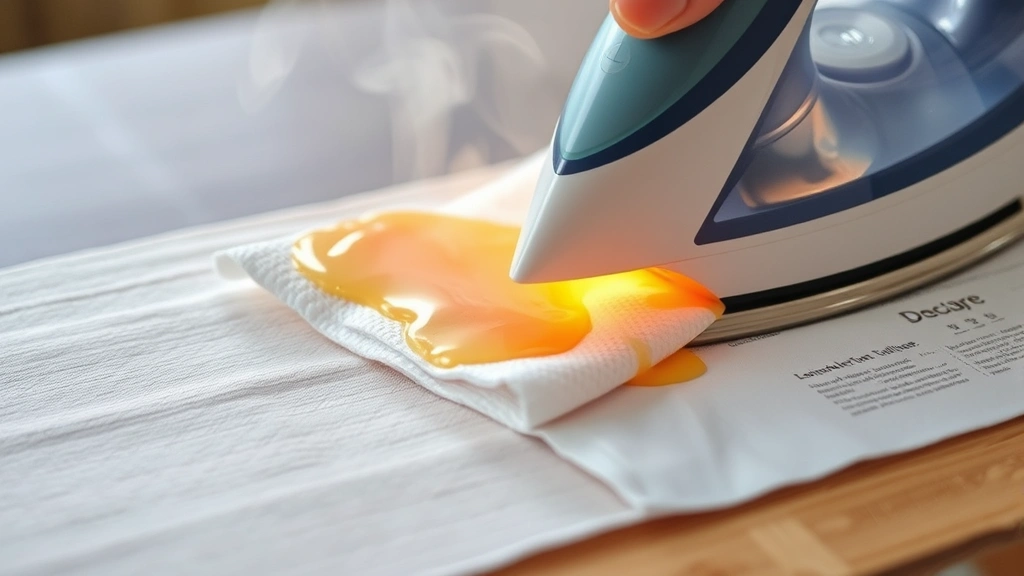
Iron and paper towel method:
This classic technique involves using heat to liquefy wax so it transfers to absorbent material. Set your iron to low or medium heat (test on a scrap fabric first to avoid scorching). Place the garment on an ironing board with a paper towel or clean cloth on top of the wax stain. Press the iron onto the cloth for 10-15 seconds, then lift and check progress. Repeat with fresh cloth sections until the paper towel no longer absorbs wax. The wax melts and transfers to the absorbent material rather than spreading on the clothing.
Oven method for flat items:
For flat garments like shirts or pants laid out, preheat your oven to 200°F (93°C). Place the item on a baking sheet lined with parchment paper, with the wax side facing down. The gentle heat will soften the wax, causing it to release from the fabric and stick to the parchment paper below. Check every 2-3 minutes. This method works well for items that won’t fit easily on an ironing board.
Hair dryer approach:
A hair dryer on low heat provides controlled warming for delicate fabrics. Hold the dryer 6-8 inches away from the wax stain and warm gently for 30-60 seconds. As the wax softens, use a clean cloth or paper towel to blot and wipe away the melted wax. This method offers more control than an iron and is safer for delicate materials.
Chemical Solutions and Solvents
When physical removal methods don’t completely eliminate wax or residual staining, chemical solvents can dissolve remaining wax particles. These methods require careful handling and proper ventilation.
Rubbing alcohol treatment:
Rubbing alcohol (isopropyl alcohol) effectively dissolves many wax types without harming most fabrics. Dampen a clean cloth with rubbing alcohol and gently rub the affected area using circular motions. The wax should begin breaking down and transferring to the cloth. Continue until no more wax transfers, then rinse the area with cool water and air dry. This method works well on synthetic fabrics and is relatively gentle.
Acetone for stubborn wax:
Acetone, found in many nail polish removers, is a stronger solvent that dissolves wax more aggressively. However, test acetone on an inconspicuous area first, as it can damage some fabrics and dyes. Apply a small amount to a cloth and dab (don’t rub) the wax stain. This method should only be used as a last resort for natural fiber fabrics that can handle stronger chemicals.
Commercial dry cleaning solvents:
Products like Goof Off or Goo Gone can remove stubborn wax residue. Always follow package directions carefully, work in well-ventilated areas, and test on hidden fabric areas first. These solvents are powerful but can potentially affect fabric dyes or finishes, so caution is warranted.
Laundry pre-treatment products:
Modern stain-fighting products like laundry pre-treatments often contain surfactants that can help break down wax residue. Apply according to package directions and let sit for the recommended time before washing. These products are gentler than solvents and work well for final residue removal.
Fabric-Specific Considerations
Different fabrics require different approaches to avoid damage during wax removal. Understanding your garment’s material ensures you choose the safest and most effective method.
Delicate fabrics (silk, lace, chiffon):
For delicate materials, avoid aggressive scraping and high heat. The freezing method followed by gentle rubbing alcohol application works best. Never use acetone or aggressive solvents on silk or specialty fabrics. When heat is necessary, use a hair dryer on the lowest setting from a distance.
Durable fabrics (cotton, denim, canvas):
These sturdy materials can tolerate more aggressive treatment. Scraping, iron method, and even moderate-heat oven treatment work well. You can safely use rubbing alcohol and stronger solvents if needed. These fabrics are forgiving and unlikely to be damaged by standard wax removal techniques.
Synthetic blends (polyester, nylon, acrylic):
Most synthetic fabrics respond well to freezing and heat-based methods. However, be cautious with acetone, as it can dissolve some synthetics. Test any chemical solvent on a hidden area first. The iron method works effectively on synthetics when set to medium heat.
Wool and knits:
These materials require gentleness to prevent matting or damage. Use the freezing method first, then follow with mild rubbing alcohol if residue remains. Avoid aggressive scraping and high heat. Hand-washing in cool water after treatment prevents felting or shrinkage.
Final Washing and Stain Treatment
After removing bulk wax through physical or heat methods, proper washing ensures complete wax elimination and addresses any remaining staining. This step is crucial because incomplete wax removal can reappear after washing or create permanent stains.
Pre-wash inspection:
Before washing, check the stained area under bright light to ensure all visible wax has been removed. If residue remains, repeat your chosen removal method before proceeding to washing. Washing with wax still present can trap it in fibers permanently.
Pre-treatment application:
Apply a liquid laundry detergent or specialized stain remover directly to any remaining discoloration. Let it sit for 15-30 minutes to break down residual wax particles and any associated staining. This step is important even if visible wax is gone, as wax can leave oily stains.
Washing procedure:
Wash the garment in the warmest water safe for the fabric (check the care label). Warm water helps dissolve any remaining wax residue better than cold water. Use a regular amount of detergent and run a normal wash cycle. Avoid fabric softener, which can leave residue and potentially trap wax particles.
Drying considerations:
Air dry the garment completely before using heat. Check the stained area while the fabric is still damp to confirm the wax and any staining are completely gone. Never put the item in the dryer if wax or staining remains, as heat will set both permanently. Once you confirm complete removal, machine drying or air drying is safe.
For stubborn stains that remain after washing, repeat the pre-treatment and washing cycle. Sometimes multiple treatments are necessary for heavily set wax or wax that has been on clothing for an extended period.
Prevention and Safety Tips
While knowing how to remove wax is valuable, preventing wax accidents in the first place is even better. Smart habits and precautions can significantly reduce the likelihood of wax ending up on your clothing.
Candle safety practices:
Keep lit candles away from clothing, particularly loose fabrics like sleeves or scarves. Use candle holders that contain melted wax and prevent splashing. Trim candle wicks to 1/4 inch to reduce soot and prevent excessive dripping. When moving around lit candles, be mindful of fabric placement and movement.
Protective measures:
Wear an apron when working with wax for crafts, candle-making, or home projects. This simple step prevents most wax accidents. Change into casual clothes before activities involving wax products. For regular candle users, designate specific clothing for these activities.
Ventilation and temperature control:
Work with wax products in well-ventilated areas to minimize odor and ensure safety. Maintain appropriate room temperature, as very warm environments can cause wax to soften unexpectedly. This is particularly important when working with hot wax in crafting or candle-making projects.
Storage safety:
Store wax products in cool, dry locations away from direct sunlight. Keep wax products separate from clothing storage areas. Properly sealed containers prevent accidental spills or wax leakage onto nearby garments.
Safety with solvents:
When using chemical solvents for wax removal, ensure proper ventilation by opening windows and working in well-lit areas. Wear gloves to protect your skin, and avoid inhaling fumes. Keep solvents away from children and pets. Never mix different cleaning products, as some combinations can create toxic fumes. For more information on fabric care after treatment, consult our guide on how to clean a washing machine to ensure your washing machine remains in good condition for future loads.
If you’re dealing with other household problems while tackling your wax removal project, you might also find our article on how to get rid of ants helpful for addressing simultaneous home issues.
FAQ
Can I use boiling water to remove wax from clothes?
While boiling water can melt wax, it’s not recommended for clothing. The extreme heat can damage most fabrics and cause the wax to spread further into the weave. Stick with gentler heat methods like the iron technique or hair dryer approach, which provide controlled warming without risking fabric damage.
What’s the best method for wax that’s already dried completely?
For completely hardened wax, start with the freezing method to make it brittle and easy to scrape away. This removes most of the bulk wax. Follow up with the iron and paper towel method or chemical solvents to address any remaining residue or staining. Multiple methods often work best for old, set-in wax.
Will wax removal damage my fabric’s color or finish?
When using appropriate methods for your fabric type, wax removal shouldn’t damage color or finish. However, aggressive scraping, high heat, or strong solvents can potentially affect some fabrics. Always test methods on inconspicuous areas first, and start with gentler techniques before moving to more aggressive approaches.
How long does wax removal take?
Simple cases can be resolved in 15-30 minutes using the freezing and scraping method. More complex situations involving set-in wax or staining might require 1-2 hours and multiple treatment methods. The key is not rushing; taking time to use appropriate techniques prevents damage and ensures complete removal.
Can I remove wax from clothes without any special products?
Yes! The freezing method requires only your freezer and a plastic scraper or old toothbrush. The iron method needs only an iron, ironing board, and paper towels. These basic techniques handle most wax removal situations effectively without purchasing special products. Chemical solvents are useful for stubborn cases but aren’t necessary for typical wax accidents.
What should I do if wax removal leaves an oily stain?
Oily residue after wax removal should be treated like any grease stain. Apply liquid laundry detergent directly to the stain and let sit for 15-30 minutes before washing in warm water. For persistent stains, use a specialized oil-fighting pre-treatment product. Never dry the garment until the stain is completely gone, as heat will set the oil permanently.
Is it safe to use acetone on all fabric types?
No. Acetone is a strong solvent that can damage or dissolve certain fabrics, particularly delicate materials and some synthetics. Always test acetone on a hidden area first. For most situations, gentler solvents like rubbing alcohol work effectively and are safer for a wider range of fabrics. Reserve acetone for tough, durable materials when other methods fail.
For comprehensive information on home care and maintenance, visit the This Old House website for expert guidance on household projects. You can also find additional stain removal tips at Family Handyman, which offers detailed instructions for various home maintenance challenges. For fabric care products, retailers like Lowe’s stock professional-grade stain removers and cleaning supplies.

Related Posts

Superscript in Google Docs: Expert Tips

Strikethrough in Excel: Easy Steps for Beginners
