
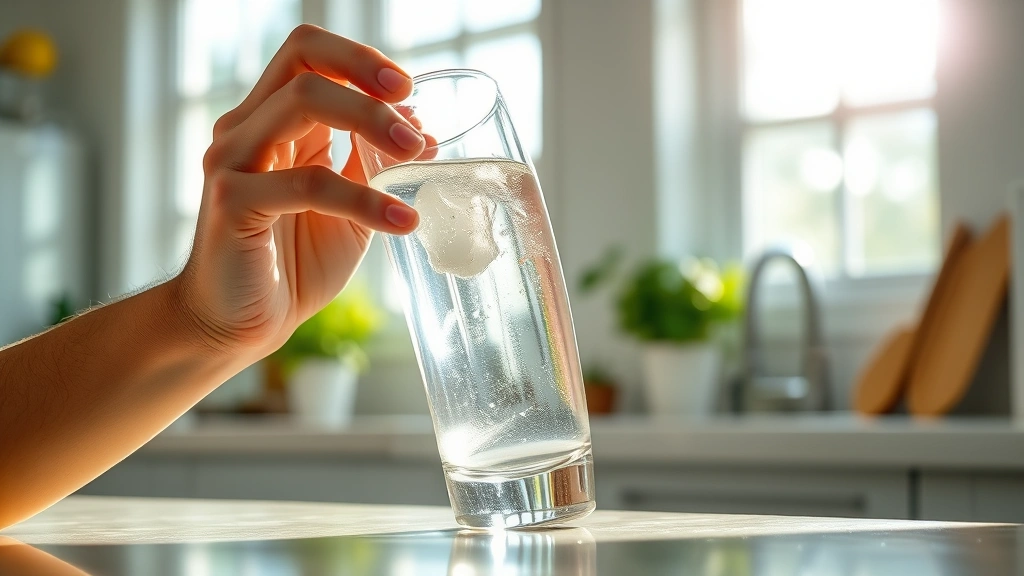
Sober Up Fast: Expert Tips and Tricks
Sober Up Fast: Expert Tips and Tricks to Regain Clarity
Whether you’ve had one too many drinks at a social gathering or find yourself in an unexpected situation where you need to regain mental clarity quickly, knowing how to get unhigh and sober up fast can be invaluable. While time is ultimately the most effective remedy for intoxication, there are several evidence-based strategies and practical techniques you can employ to accelerate the sobering process and feel more alert and composed.
This comprehensive guide explores medically-backed methods, lifestyle adjustments, and practical tips that can help you recover faster from intoxication. We’ll cover everything from immediate interventions you can use right now to long-term strategies for managing alcohol consumption responsibly. Understanding these techniques empowers you to take control of your situation and make informed decisions about your health and safety.
How Your Body Processes Alcohol
Understanding the science behind alcohol metabolism is crucial to comprehending why certain strategies work better than others. When you consume alcohol, your body immediately begins breaking it down through a process called hepatic metabolism. Your liver is the primary organ responsible for processing alcohol, metabolizing approximately one standard drink per hour in most adults.
The enzyme alcohol dehydrogenase (ADH) breaks down ethanol into acetaldehyde, which is then converted into acetic acid by another enzyme called aldehyde dehydrogenase (ALDH). This process cannot be significantly accelerated through external means—your liver operates at its own pace regardless of what you do. However, several factors influence how quickly you feel the effects of intoxication and how rapidly you can regain sobriety, including body weight, food consumption, hydration levels, and overall health status.
Contrary to popular belief, you cannot actually speed up your liver’s metabolism of alcohol through diet, exercise, or other interventions. However, you can manage your symptoms more effectively and feel more alert while your body completes its natural detoxification process. This distinction is important because it sets realistic expectations for how quickly you can expect to feel better.
Immediate Steps to Sober Up
If you need to regain clarity quickly, start with these immediate interventions that can help you feel more alert within minutes:
- Move to Fresh Air: Step outside or open windows immediately. Oxygen-rich environments help your brain function more efficiently and can reduce feelings of grogginess and mental fog.
- Splash Cold Water on Your Face: Cold water triggers your parasympathetic nervous system, increasing alertness and heart rate. This simple technique provides immediate stimulation without any negative side effects.
- Consume Caffeine: A strong cup of coffee or tea can provide temporary mental clarity. While caffeine doesn’t reduce blood alcohol content, it does increase alertness by blocking adenosine receptors in your brain. Limit intake to one or two cups to avoid jitteriness.
- Eat Something Substantial: While food won’t reduce intoxication, consuming protein and complex carbohydrates can stabilize your blood sugar and reduce nausea. Avoid greasy foods that may upset your stomach further.
- Take a Cold Shower: Similar to splashing your face, a cold shower provides significant stimulation and can make you feel markedly more alert. The shock to your system activates your sympathetic nervous system.

Hydration and Nutrition Strategies
Proper hydration is one of the most critical factors in managing intoxication and speeding recovery. Alcohol is a diuretic, meaning it increases urination and causes dehydration. This dehydration is responsible for many unpleasant symptoms associated with drinking, including headaches, dizziness, and mental fog.
Begin drinking water immediately and continue consuming it steadily throughout your recovery period. Aim for at least 8-16 ounces of water every 30 minutes, but don’t overdo it—excessive rapid water consumption can lead to hyponatremia (low sodium levels). Alternate water with electrolyte beverages like sports drinks or coconut water, which replace essential minerals your body lost through alcohol’s diuretic effects.
Regarding nutrition, focus on foods rich in B vitamins, which alcohol depletes from your system. Consider consuming:
- Whole grain toast with honey
- Eggs and bacon
- Bananas (potassium-rich)
- Nuts and seeds
- Leafy green vegetables
- Chicken broth or bone broth
Avoid sugary foods and energy drinks, which can cause blood sugar spikes followed by crashes that intensify feelings of fatigue and mental fog. If you’re struggling with nausea, start with bland options like crackers, rice, or applesauce before progressing to more substantial meals.

Physical Activity and Fresh Air
While intense exercise is inadvisable when intoxicated due to safety concerns, gentle movement combined with fresh air exposure can significantly improve how you feel. Take a slow walk outside—the combination of physical movement, oxygen intake, and natural light exposure activates your nervous system and enhances mental clarity.
Natural sunlight is particularly beneficial because it regulates your circadian rhythm and increases serotonin production, both of which combat the depressive effects of alcohol. If it’s nighttime, ensure you’re in well-lit environments. The brightness helps counteract the drowsiness and mental fog associated with intoxication.
Gentle stretching or yoga can also help by improving circulation and oxygenation without the risks associated with vigorous exercise. Avoid strenuous workouts until you’re fully sober, as your body’s coordination and judgment are impaired, increasing injury risk.
Mental Clarity Techniques
Beyond physical interventions, several mental techniques can help you regain focus and clarity:
- Deep Breathing Exercises: Practice box breathing—inhale for 4 counts, hold for 4, exhale for 4, hold for 4. Repeat 10 times. This activates your parasympathetic nervous system and increases oxygen delivery to your brain.
- Engage Your Mind: Play word games, puzzles, or other mentally stimulating activities. Focusing on cognitive tasks can temporarily override the mental fog caused by alcohol.
- Cold Stimulation: Hold ice in your hands or press a cold compress to your neck. Prolonged cold exposure forces your body into alert mode.
- Conversation: Engage in meaningful conversation with sober friends. Social interaction and mental engagement combat the depressive effects of alcohol.
- Avoid Stimulants: While moderate caffeine helps, excessive amounts can increase anxiety and jitteriness. Stick to one or two caffeinated beverages maximum.
Safety Considerations
While learning how to get unhigh quickly is useful, safety must always be your primary concern. Never attempt to drive or operate machinery while intoxicated, regardless of how alert you feel. Impaired judgment and coordination persist even when mental clarity improves.
If you’re experiencing severe symptoms like loss of consciousness, difficulty breathing, seizures, or extreme confusion, seek emergency medical attention immediately. These signs indicate dangerous alcohol poisoning that requires professional intervention.
Consider calling a trusted friend or family member to stay with you during recovery. Having someone present provides both safety monitoring and social support. If you’re in an unfamiliar location, prioritize getting to a safe environment before attempting other recovery strategies.
If you find yourself frequently needing to sober up quickly, consider evaluating your relationship with alcohol. Excessive drinking patterns may indicate a need for professional support or lifestyle changes. Resources like FixWiseHub’s comprehensive guides can help you develop healthier habits.
Recovery Timeline
Understanding realistic recovery timelines helps set appropriate expectations. Most people metabolize one standard drink per hour. If you’ve consumed four drinks, expect full sobriety to take approximately four to five hours, accounting for factors like body weight and food consumption.
Within the first 30-60 minutes of implementing these strategies, you should notice improved alertness and reduced mental fog. Physical symptoms like nausea may persist longer, but mental clarity typically improves first. By the two-hour mark, most people feel significantly better if they’ve been hydrating and eating properly.
Full recovery—including complete restoration of judgment, coordination, and reaction time—typically requires waiting out your body’s natural metabolism. No amount of cold showers or caffeine can bypass this biological process. The strategies outlined in this guide simply help you manage symptoms and feel more functional while your liver does its work.
FAQ
Does coffee really help you sober up?
Coffee provides temporary mental stimulation through caffeine, making you feel more alert without actually reducing blood alcohol content. The combination of caffeine and warmth can improve mood and focus, but it doesn’t accelerate alcohol metabolism. One to two cups is beneficial; excessive coffee can increase anxiety.
Can you sweat out alcohol?
No. While sweating does eliminate some alcohol through your skin, the vast majority—approximately 90%—is metabolized by your liver. Exercise may cause sweating, but it doesn’t meaningfully accelerate sobriety.
Is it safe to sleep while intoxicated?
Sleeping while moderately intoxicated is generally safe, though it may worsen dehydration. Severe intoxication carries risks of aspiration or complications. If you choose to sleep, position yourself on your side and ensure someone can monitor you.
What’s the fastest way to sober up?
Time is the fastest way to sober up. Your liver metabolizes alcohol at a fixed rate. Combining hydration, nutrition, fresh air, and mental stimulation helps you feel better while waiting, but nothing truly accelerates the process.
Can food help reduce intoxication?
Food consumed before drinking can reduce absorption rates, but food consumed after drinking won’t reduce your current blood alcohol content. However, eating afterward helps stabilize blood sugar and provides nutrients your body needs for recovery.
Does sugar help with intoxication?
Avoid sugar, as it causes blood sugar spikes followed by crashes that intensify fatigue and mental fog. Focus on complex carbohydrates and protein instead.
How long does it take to feel normal again?
Mental clarity typically returns within 2-3 hours with proper hydration and nutrition. Full recovery, including complete restoration of coordination and judgment, typically requires 4-6 hours depending on consumption levels and individual factors.
Should I exercise to sober up faster?
Avoid strenuous exercise while intoxicated due to safety concerns. Gentle movement like walking is beneficial, but intense workouts increase injury risk without meaningfully accelerating sobriety. Save serious exercise for when you’re fully sober.
Does taking a cold shower actually work?
Cold showers provide immediate stimulation and increased alertness, making you feel more functional. However, they don’t reduce blood alcohol content. The effects are temporary but can be quite effective for regaining focus quickly.
What if I’m still intoxicated after several hours?
If you’ve consumed large quantities of alcohol, full sobriety may take longer than expected. Continue hydrating and eating nutritious food. If you experience concerning symptoms or don’t feel significantly better after 6+ hours, seek medical evaluation to rule out complications.

Related Posts

Superscript in Google Docs: Expert Tips

Strikethrough in Excel: Easy Steps for Beginners
