
Remove Static from Clothes: Expert Tips
How to Get Static Out of Clothes: Expert Tips for Static-Free Laundry
Static electricity in clothes is one of the most frustrating laundry problems homeowners face. That annoying cling, the crackling sounds, and the way fabrics stick together can ruin the appearance of your outfit and make getting dressed uncomfortable. Whether you’re dealing with clingy pants, shocking lint, or shirts that won’t stop sticking to your body, understanding the science behind static and learning proven solutions will transform your laundry routine.
The good news is that eliminating static from clothes doesn’t require expensive products or complicated techniques. By implementing the right strategies—from dryer adjustments to fabric treatments—you can achieve perfectly static-free clothing every time. This comprehensive guide covers everything you need to know about preventing and removing static from your wardrobe, ensuring your clothes look polished and feel comfortable to wear.
Understanding Static Electricity in Fabrics
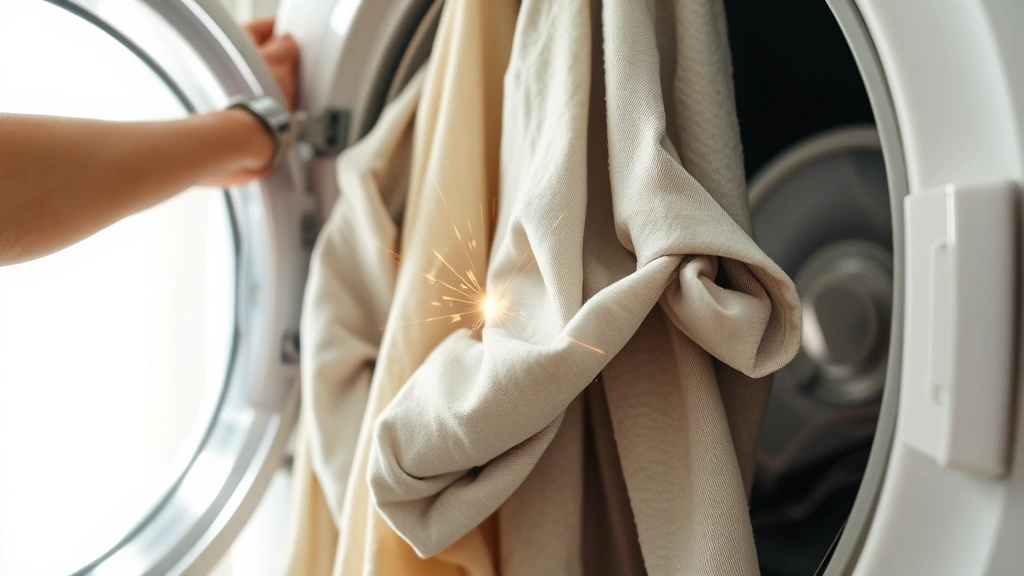
Static electricity occurs when electrons build up on fabric surfaces, creating an electrical charge imbalance. When two materials with different electrical properties rub together—like clothes tumbling in a dryer—electrons transfer from one surface to another. This buildup of charge is what causes that annoying cling and the crackling sounds you hear when you pull clothes apart.
Certain fabrics are more prone to static than others. Synthetic materials like polyester, nylon, and acrylic generate static more readily than natural fibers. This is because synthetic fabrics don’t conduct electricity as efficiently as cotton or wool, so electrons accumulate on their surfaces rather than dispersing. When you mix different fabric types in the dryer—a common practice in most households—you create the perfect environment for static generation, as electrons transfer rapidly between the various materials.
Understanding this process is crucial because it helps you recognize why static happens and which prevention methods will work best for your specific situation. The static you experience isn’t random; it’s a predictable result of fabric composition, moisture levels, and how clothes interact during washing and drying. By addressing the root causes, you can effectively eliminate static before it becomes a problem.

The Role of Humidity and Dryness
One of the most important factors in static generation is humidity. Dry air dramatically increases static electricity because moisture in the air helps dissipate electrical charges. When humidity levels drop below 30%, static problems become significantly worse. This is why static is most prevalent during winter months when heating systems dry out indoor air, and in arid climates year-round.
Conversely, humid environments naturally reduce static buildup. This is why people living in tropical or coastal areas often report fewer static problems with their clothing. The moisture in the air provides a pathway for electrons to dissipate, preventing them from accumulating on fabric surfaces.
To combat dry air-related static issues, consider using a humidifier in your laundry room or the room where you store clothes. Maintaining indoor humidity between 40-50% significantly reduces static generation. Even opening a window slightly while doing laundry can help introduce moisture into your drying space. Additionally, some people find that hanging clothes to air dry during winter months, rather than using the dryer, eliminates static problems entirely while also being gentler on fabrics.
The relationship between humidity and static is so significant that weather forecasters often note static warnings during dry weather periods. If you’re struggling with excessive static, checking your home’s humidity level is an excellent first step toward solving the problem.
Dryer Sheet Solutions and Alternatives
Dryer sheets remain the most popular and effective solution for eliminating static from clothes. These sheets work by coating fabrics with a thin layer of lubricant that reduces friction between clothes and allows electrons to disperse more easily. One standard dryer sheet per load is typically sufficient for most households, though larger loads may benefit from two sheets.
However, traditional dryer sheets come with drawbacks. They contain chemicals that can build up on fabrics over time, potentially reducing absorbency in towels and athletic wear. Additionally, they’re single-use products that create waste. For these reasons, many homeowners seek alternatives.
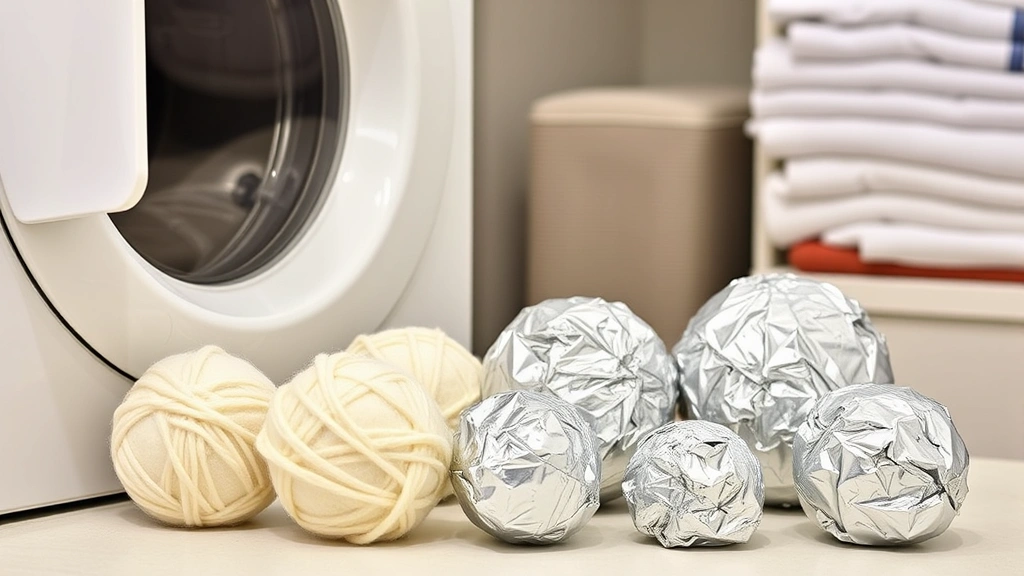
Wool dryer balls offer an excellent eco-friendly substitute. These tennis ball-sized spheres made from 100% wool naturally reduce static while also decreasing drying time by 10-25% through improved air circulation. Place three to six wool dryer balls in your load, and they’ll bounce around during the cycle, separating clothes and reducing friction. Unlike dryer sheets, wool dryer balls last for hundreds of loads, making them more economical and environmentally responsible.
Another popular alternative is aluminum foil balls. Simply crumple aluminum foil into balls about the size of tennis balls and toss them in the dryer with your clothes. The foil absorbs static electricity through its conductive properties. These foil balls are reusable indefinitely, though they eventually lose effectiveness after 50-100 loads and need replacement.
For those wanting to enhance dryer balls further, adding a few drops of essential oil like lavender or lemon can provide a pleasant scent while maintaining static-reducing benefits. This combination offers natural fragrance without chemical buildup on your clothes.
Fabric Softener Methods
Liquid fabric softeners work similarly to dryer sheets by coating fabrics with lubricating compounds that reduce static. Adding fabric softener to your washing machine’s rinse cycle coats clothes as they spin, creating a protective layer that prevents static buildup during drying.
To use liquid fabric softener effectively, follow your machine’s instructions for the proper dilution ratio. Adding too much softener can actually reduce static effectiveness and leave residue on clothes. Most machines have a designated fabric softener dispenser that automatically releases the product during the rinse cycle at the correct time.
However, fabric softener shares similar drawbacks with dryer sheets—chemical accumulation and environmental concerns. For a more natural approach, try making homemade fabric softener by mixing one cup of white vinegar with ten cups of water. Add this solution to your rinse cycle using the same dispenser. The vinegar smell dissipates as clothes dry, leaving them soft and static-free.
If you prefer commercial products but want gentler options, look for plant-based fabric softeners that use natural oils and botanical extracts instead of petroleum-based chemicals. These alternatives reduce static effectively while being safer for sensitive skin and easier on the environment.
Vinegar and Natural Remedies
White vinegar is one of the most versatile and effective natural solutions for static elimination. Its acidic properties help neutralize the electrical charges that cause static cling while also softening fabrics naturally. Add one-half to one cup of white vinegar to your washing machine’s rinse cycle, depending on load size.
The vinegar works by breaking down residual detergent and fabric softener buildup that can trap static charges on fabric surfaces. Additionally, vinegar’s natural acidity creates an environment where electrons disperse more easily. While your wet clothes will smell like vinegar immediately after washing, this odor completely disappears once they dry.
For those sensitive to vinegar’s pungent smell, adding a few drops of your favorite essential oil to the vinegar solution before adding it to the rinse cycle masks the odor while maintaining static-reduction benefits. Lavender, lemon, and eucalyptus oils work particularly well.
Another natural remedy involves using baking soda in your wash cycle. Add one-half cup of baking soda along with your regular detergent to help neutralize charges and soften fabrics. Baking soda also helps remove detergent residue that can contribute to static buildup.
For immediate static relief on already-dried clothes, lightly mist garments with a mixture of water and a few drops of fabric softener or essential oil. This temporary solution works well for touching up clothes before wearing them, though it’s not a permanent fix for future loads.
Proper Washing Techniques
Your washing routine significantly impacts static levels in dried clothes. The type and amount of detergent you use can influence how much static develops during drying. Using too much detergent leaves residue on fabrics that can trap static charges. Start by reducing your detergent amount by 25-50% and see if this improves static problems. Most people use far more detergent than necessary.
The water temperature you choose also matters. Warm water helps detergent dissolve more completely and rinse away more thoroughly than cold water. If you’re currently washing exclusively in cold water, try alternating loads in warm water to see if this reduces static in your dried clothes.
Pay attention to your rinse cycle settings. Many modern machines have adjustable rinse cycles—increasing the number of rinses ensures all detergent residue washes away completely. Detergent buildup is a major contributor to static, so thorough rinsing is essential for static-free results.
Don’t overload your washing machine. Cramming too many clothes into one load prevents proper detergent dissolution and rinsing. When clothes are packed too tightly, water can’t circulate freely, leaving residue behind. Filling the machine to about three-quarters capacity allows proper water circulation and thorough cleaning.
Separating fabric types during washing can also help. Washing all synthetic fabrics together, then washing natural fibers separately, allows you to tailor your approach to each fabric type’s specific needs. Synthetics may benefit from additional softening treatments, while natural fibers often need less intervention.
Drying Methods That Reduce Static
Your drying method is perhaps the most critical factor in static prevention. Machine drying creates the conditions where static thrives—friction between clothes, high heat, and moisture removal all contribute to static generation. However, several adjustments to your drying routine can dramatically reduce static.
Lower heat settings reduce static significantly. High heat accelerates electron movement and increases friction between fabrics. By selecting a low or medium heat setting, you slow down these processes while still drying clothes effectively. Many modern dryers have a “delicate” or “low heat” setting perfect for static-prone loads.
Remove clothes while slightly damp rather than waiting for the complete drying cycle to finish. Moisture in fabrics helps dissipate static charges. Removing clothes when they’re still slightly damp, then hanging them to air dry, eliminates the final stage of static generation. This method works exceptionally well for synthetic fabrics that are most prone to static problems.
Air drying is the ultimate static-free drying method. Hanging clothes to dry outdoors or indoors eliminates the friction and heat that cause static. While this takes longer than machine drying, it’s perfect for items you’re not in a hurry to wear and significantly extends clothing lifespan by reducing wear and tear.
Dryer cycles with moisture sensors automatically stop when clothes reach the proper dryness level rather than running for a preset time. These cycles reduce over-drying, which is a major static contributor. If your dryer has this feature, always select it over timed cycles.
Cleaning your dryer’s lint trap before every load is essential. A clogged lint trap reduces air circulation, trapping moisture that can either increase static or prevent clothes from drying properly. This simple maintenance task takes 30 seconds but significantly improves drying efficiency and static reduction.
Anti-Static Sprays and Products
Commercial anti-static sprays offer quick solutions for static-prone clothing. These products coat fabric surfaces with conductive compounds that allow electrons to disperse rather than accumulate. Simply spray the product lightly onto clothes and let them air dry for a few minutes before wearing.
Most anti-static sprays work immediately, making them ideal for emergency situations when you need to wear something right away. However, they’re temporary solutions that wash away after one wearing. For regular use, they’re less economical than other methods, though they’re perfect for occasional static problems or specific garments.
When selecting an anti-static spray, read ingredient lists carefully. Many commercial options contain chemicals you might prefer to avoid. Look for products with natural ingredients, or make your own by mixing water with a small amount of fabric softener or essential oil in a spray bottle.
Another product category includes anti-static wipes. These single-use cloths contain the same compounds as dryer sheets and can be tossed in the dryer with your clothes. They’re convenient for travel or small loads but share the same single-use waste concerns as traditional dryer sheets.
Some people swear by humidifier sprays that temporarily increase moisture content in clothes. These work by the same principle as humidity control—adding moisture allows static charges to dissipate. However, they’re a temporary fix and don’t address the root cause of static generation.
Clothing Choices to Minimize Static
The types of fabrics you choose to wear significantly impact your static problems. Natural fibers like cotton, wool, linen, and silk generate far less static than synthetic materials. If you’re constantly battling static, gradually replacing synthetic clothing with natural fiber alternatives reduces the problem at its source.
When shopping for new clothes, check fabric content labels. Items labeled as 100% cotton or wool rarely cause static problems. Blends that combine natural and synthetic fibers offer a compromise—they may still generate some static but typically less than pure synthetics.
For specific items prone to static—like leggings, yoga pants, and athletic wear—seek out options made from cotton blends or wool blends rather than pure polyester or nylon. Athletic wear manufacturers increasingly offer natural fiber options that perform nearly as well as synthetics while virtually eliminating static.
Layering with natural fiber base layers under synthetic clothing reduces static contact. For example, wearing a cotton undershirt under a polyester blouse prevents the blouse from clinging to your skin due to static. This simple strategy works remarkably well and has the added benefit of providing temperature regulation.
When it comes to undergarments, natural fiber options are particularly important since they’re in direct contact with your skin. Cotton or silk underwear prevents the uncomfortable static shocks and cling that synthetic options create. This change alone often resolves static complaints for many people.
Avoiding fabric softener buildup on natural fibers helps them maintain their moisture-wicking and breathable properties. Since natural fibers don’t generate static the way synthetics do, they often need less intervention in your laundry routine. This is another advantage of transitioning your wardrobe toward more natural materials.
FAQ
What causes static cling in clothes during the dryer cycle?
Static cling results from friction between clothes as they tumble in the dryer. Different fabrics have varying abilities to conduct electricity. When synthetic fabrics rub together, electrons transfer between them, creating an electrical charge imbalance. This charge buildup causes fabrics to cling together. Low humidity accelerates this process because moisture normally helps dissipate electrical charges. High heat also increases electron movement, making static worse.
Are dryer sheets bad for your clothes?
Traditional dryer sheets aren’t inherently harmful, but they do have drawbacks. The lubricating coating they leave on fabrics can build up over time, potentially reducing absorbency in towels and athletic wear. They’re also single-use products creating unnecessary waste. For these reasons, many people prefer alternatives like wool dryer balls or natural remedies. If you use dryer sheets regularly, periodically washing your clothes without them helps remove accumulated buildup.
Can I use fabric softener in the dryer instead of dryer sheets?
Yes, dryer-added fabric softeners or wool dryer balls work well in the dryer. However, liquid fabric softener is most effective when added to the rinse cycle during washing, where it distributes more evenly throughout the load. Dryer-specific products are designed to work differently and may not distribute as thoroughly. For best results, use fabric softener in the washing machine rather than the dryer.
Does vinegar really eliminate static from clothes?
Yes, vinegar effectively reduces static when added to the rinse cycle. Its acidity helps neutralize electrical charges and breaks down detergent residue that can trap static. Add one-half to one cup of white vinegar to your rinse cycle. While your wet clothes smell strongly of vinegar, this odor completely disappears once they dry. For sensitive noses, add a few drops of essential oil to the vinegar before rinsing.
Why is my dryer producing more static in winter?
Winter’s dry air significantly increases static problems. Indoor heating systems remove moisture from the air, and outdoor humidity drops substantially. When humidity falls below 30%, static generation increases dramatically. To combat this, use a humidifier in your home to maintain humidity between 40-50%. This simple change often resolves winter static problems entirely.
Can humidity control completely eliminate static?
Maintaining proper humidity levels (40-50%) dramatically reduces static but may not eliminate it entirely, especially for synthetic fabrics. Combining humidity control with other methods—like wool dryer balls, lower heat settings, or air drying—provides the most comprehensive static elimination. Different approaches work better for different people depending on their specific situation and clothing composition.
Is air drying better than machine drying for preventing static?
Air drying completely eliminates static problems since it removes the friction and heat that cause static generation. However, it requires significantly more time—typically several hours to overnight. For everyday practicality, most people use machine drying with static-reduction strategies like wool dryer balls, lower heat, and moisture-sensor cycles. Air drying works best for items you’re not in a hurry to wear.
Why do some clothes never get static even in a dryer?
Natural fiber clothing generates little to no static because these materials conduct electricity efficiently, allowing charges to dissipate rather than accumulate. Cotton, wool, and linen rarely cause static problems. Clothing made from these materials won’t experience static cling even in a dryer, making them excellent choices for people sensitive to static. Synthetic fabrics, conversely, trap electrical charges and are responsible for most static problems.
Can I prevent static by using a different detergent?
While detergent choice has minimal direct impact on static, using the correct amount matters significantly. Excess detergent leaves residue on fabrics that can trap static charges. Reducing your detergent amount by 25-50% and increasing rinses often improves static problems. Additionally, switching to a gentler, residue-free detergent and ensuring thorough rinsing helps eliminate static-contributing buildup.
What’s the best solution for static in dress clothes and delicates?
For dress clothes and delicates, air drying or using a low-heat dryer cycle with wool dryer balls provides excellent results without damaging fabrics. If you need to wear something quickly, a light misting with homemade anti-static spray (water plus a few drops of fabric softener) works well. Avoid excessive heat and friction by using the gentlest drying methods available for these special garments.

Related Posts

Superscript in Google Docs: Expert Tips

Strikethrough in Excel: Easy Steps for Beginners
