
Remove Scratches from Glasses: Expert Tips
How to Get Scratches Out of Glasses: Expert Tips and Techniques
Scratched glasses can be frustrating, especially when they affect your vision and appearance. Whether you wear prescription eyeglasses, sunglasses, or reading glasses, discovering scratches on your lenses is never welcome. The good news is that depending on the depth and severity of the scratches, you may have several options to restore your glasses to their former clarity. This comprehensive guide will walk you through proven methods to remove scratches from glasses, from simple at-home remedies to professional solutions.
Understanding how scratches form and what causes them is the first step toward prevention and repair. Most scratches occur from improper cleaning, storing glasses in pockets without protection, or accidental drops. Before attempting any scratch removal method, it’s important to assess the damage and determine whether your glasses can be salvaged or if replacement is the more practical option.
Assessing the Damage to Your Glasses
Before you attempt any scratch removal technique, you need to evaluate how severe the scratches actually are. Not all scratches are created equal, and some may be too deep to repair without professional intervention. Start by examining your glasses in natural light, rotating them to catch the light at different angles. This helps you see the full extent of the damage.
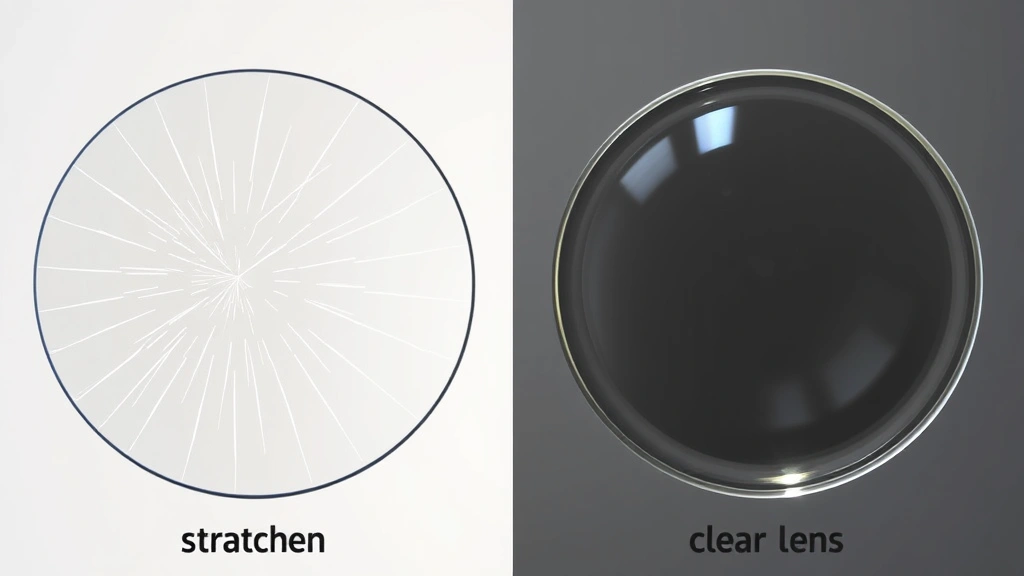
Minor scratches are typically surface-level marks that don’t significantly impact your vision. These appear as light marks on the lens surface and are often barely noticeable unless you’re looking for them. Moderate scratches are more visible and may cause slight distortion or light diffraction, affecting visual clarity. Severe scratches, on the other hand, are deep gouges that substantially impact your vision and cannot be repaired with home remedies.
If your scratches are only visible when light hits the lenses at specific angles and don’t affect your daily vision, they may not require immediate attention. However, if scratches are in your direct line of sight or cause noticeable blurriness, you’ll want to take action. This is also a good time to consider whether your glasses need better organization and storage at home to prevent future damage.
Prevention Tips to Avoid Future Scratches
The best approach to dealing with scratched glasses is preventing scratches in the first place. Prevention is always easier and more cost-effective than repair or replacement. Developing good habits with your eyewear will significantly extend their lifespan and maintain their optical quality.
Always use a microfiber cloth when cleaning your glasses. Never use paper towels, tissues, or your shirt, as these materials can contain particles that scratch the lens coating. When you’re not wearing your glasses, store them in a protective case rather than leaving them on tables or nightstands where they could be knocked over. Keep your glasses case in a designated spot, making it a habit to return your glasses there immediately after removing them.
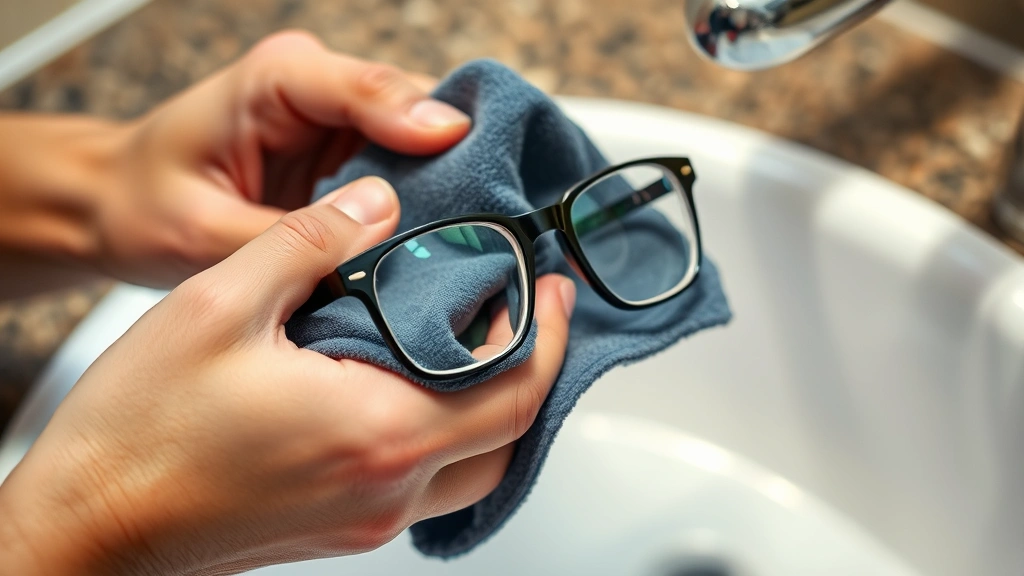
Avoid exposing your glasses to extreme temperatures, as rapid temperature changes can damage lens coatings and cause micro-fractures. Never leave glasses in hot cars, near heating vents, or in direct sunlight for extended periods. When cleaning, use lukewarm water and a gentle lens cleaning solution specifically designed for eyeglasses. Rinse thoroughly before wiping with your microfiber cloth to remove any particles that could cause scratching.
Be mindful of where you place your glasses when you’re not wearing them. Avoid setting them lens-down on hard surfaces, and never put them in your pocket without a protective case. If you participate in sports or outdoor activities, consider investing in sports-specific eyewear or protective cases designed for active use. These precautions will help you avoid the need to figure out how to fix common household problems related to damaged eyewear.
Home Remedies for Minor Scratches
For minor scratches that don’t significantly impact your vision, several home remedies may help reduce their appearance. These methods work best on light surface scratches and are worth trying before considering professional repair or replacement.
Baking Soda and Water Paste
One of the most popular home remedies involves creating a paste from baking soda and water. Mix three parts baking soda with one part water to create a thick paste. Apply this paste directly to the scratched area using a soft, lint-free cloth. Use gentle circular motions to work the paste into the scratch for about 10 seconds. Rinse thoroughly with lukewarm water and dry with a clean microfiber cloth. The mild abrasive properties of baking soda may help fill in minor scratches and reduce their visibility.
Toothpaste Method
Non-gel, non-whitening toothpaste can also be effective for minor scratches. The mild abrasive ingredients in toothpaste may help smooth out surface scratches. Apply a small amount of toothpaste to the scratched lens and gently rub with a soft cloth using circular motions. Work on the scratch for about 30 seconds, then rinse thoroughly with water. This method works similarly to the baking soda paste and is worth attempting on light scratches.
Rubbing Alcohol and Vinegar
A mixture of equal parts rubbing alcohol and white vinegar can help clean and potentially reduce the appearance of minor scratches. Dampen a microfiber cloth with this solution and gently wipe the scratched area. The cleaning properties may help improve clarity, though this method is more effective for cleaning than actual scratch removal. Always ensure you rinse your glasses thoroughly after using any solution to remove residue.
It’s important to note that these home remedies have varying degrees of success and work best on very light, surface-level scratches. If your scratches are deeper or more extensive, these methods may not provide satisfactory results. Additionally, be cautious with any abrasive method on premium lens coatings, as you could potentially cause additional damage.
Professional Repair and Replacement Options
When home remedies don’t work or your scratches are too severe, professional solutions are your best bet. Optometrists and eyewear retailers have access to specialized equipment and materials that can address scratch damage more effectively than DIY methods.
Professional Polishing and Buffing
Many optical shops offer professional lens polishing services. This process uses specialized equipment to carefully buff out minor to moderate scratches. The technician uses progressively finer abrasive materials to smooth the lens surface and reduce scratch visibility. This method is more controlled than home remedies and less likely to cause additional damage. However, it may not be effective on very deep scratches or those that penetrate through protective coatings.
Lens Replacement
If your frames are still in good condition but the lenses are severely scratched, lens replacement is often the most practical solution. This is significantly cheaper than buying entirely new glasses and allows you to keep frames you’re comfortable with. Most optical retailers can replace lenses within a few days to a week. You can choose to upgrade to better lens coatings or materials during the replacement process.
Complete Glasses Replacement
For older glasses or frames that are also damaged, complete replacement may be the best option. Modern eyeglasses offer improved lens materials, better coatings, and enhanced durability compared to older models. If your prescription has changed significantly or your frames are outdated, this is an opportunity to get a fresh start. Many retailers offer deals on complete eyewear packages, making replacement more affordable.
Understanding Lens Coatings and Protection
Modern eyeglass lenses often come with various protective coatings that enhance durability and performance. Understanding these coatings helps explain why scratches occur and how to protect them.
Anti-scratch coatings are transparent layers applied to lenses to provide extra protection against scratches and abrasions. These coatings are particularly important for plastic lenses, which are softer than glass and more prone to scratching. When properly maintained, anti-scratch coatings can significantly reduce the likelihood of visible scratches. However, no coating is completely scratch-proof, and normal wear and tear will eventually take a toll.
Anti-reflective coatings reduce glare and improve light transmission through the lens. While these coatings enhance visual quality, they can be more susceptible to damage if not cared for properly. UV protection coatings shield your eyes from harmful ultraviolet rays. Blue light filtering coatings reduce eye strain from digital screens. All of these specialized coatings require gentle care and proper cleaning techniques to maintain their effectiveness.
When choosing replacement lenses, consider upgrading to glasses with enhanced coatings if scratch prevention is a priority. Premium coatings offer better durability and protection. Investing in quality coatings upfront is often more economical than dealing with scratches later. This is similar to how proper maintenance prevents costly repairs on household appliances.
Proper Maintenance and Storage
Establishing a consistent maintenance routine will keep your glasses in excellent condition and minimize the risk of scratches. Daily care is simple but essential for long-term durability.
Daily Cleaning Best Practices
Clean your glasses daily, ideally every morning and evening. Always rinse them with lukewarm water first to remove dust and debris. This prevents particles from scratching the lens when you wipe them. Apply a small amount of lens cleaning solution specifically formulated for eyeglasses, then gently wipe with a microfiber cloth using straight motions from the center outward. Never use circular motions that might grind particles into the lens. Allow your glasses to air dry if possible, or use a clean, dry microfiber cloth.
Storage and Protection
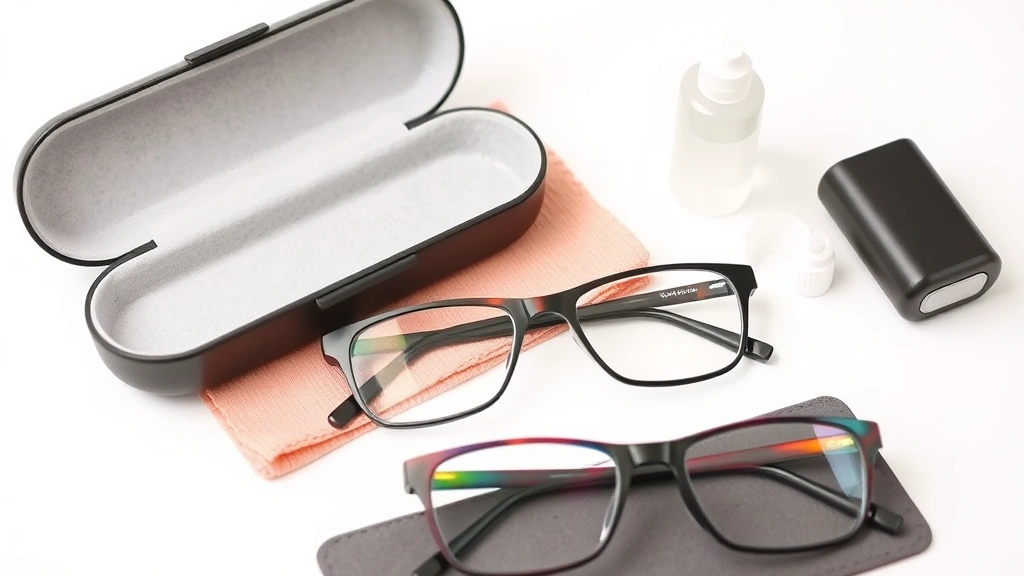
Invest in a quality hard case for your glasses. Soft cases provide minimal protection and can allow lenses to come into contact with debris. Hard cases protect your glasses from impacts, pressure, and accidental crushing. Keep your case in a consistent location so you develop the habit of always storing your glasses properly. Never leave glasses on countertops, tables, or other surfaces where they can be easily knocked over or stepped on.
Regular Inspection
Inspect your glasses weekly for any signs of damage or coating deterioration. Check that the frames are properly aligned and the lenses are secure in their settings. If you notice any issues developing, address them promptly before they worsen. Regular inspections help you catch problems early and determine when professional service or replacement is necessary. This proactive approach is much like how preventive maintenance prevents bigger problems in other areas of life.
Seasonal Considerations
Different seasons present unique challenges for eyeglass care. In winter, avoid sudden temperature changes that can damage coatings. In summer, protect glasses from excessive heat and UV exposure by storing them in a cool place. During rainy seasons, ensure your case is waterproof to protect against moisture damage. Year-round, keep your glasses away from humidity extremes, which can affect lens clarity and frame integrity.
FAQ
Can toothpaste really remove scratches from glasses?
Toothpaste can reduce the appearance of very light, surface-level scratches due to its mild abrasive properties. However, it won’t completely eliminate moderate to severe scratches. The effectiveness depends on scratch depth and lens material. Always use non-gel, non-whitening toothpaste and test on a small area first. For better results, consider professional polishing services.
Is it safe to use baking soda on coated lenses?
Baking soda is generally safe for coated lenses when used gently with a paste consistency. However, be cautious with premium coatings like anti-reflective or blue light filters, as aggressive rubbing could damage them. Test the method on a small area first, and if you’re concerned about your specific lens coating, consult your optometrist before attempting home remedies.
How much does professional lens polishing cost?
Professional lens polishing typically costs between $50 and $150 per pair, depending on your location and the optical retailer. This is significantly cheaper than replacing lenses ($200-$400) or entire glasses ($300-$800 or more). Many insurance plans or vision care benefits may cover part of the cost, so check with your provider.
Can scratches on glasses get worse over time?
Yes, scratches can worsen if not properly protected. Existing scratches can develop into larger damage areas if pressure is applied or if cleaning is done roughly. Additionally, the area around a scratch may become more susceptible to further damage. Proper care and gentle handling can slow the progression of existing scratches.
What’s the best way to clean glasses without causing scratches?
Rinse with lukewarm water first to remove particles, apply lens cleaning solution, and wipe gently with a microfiber cloth using straight motions. Never use paper products, tissues, or clothing. Always store in a protective case immediately after use. This routine prevents new scratches while maintaining lens clarity.
Should I replace my glasses if they have minor scratches?
Minor scratches that don’t affect your vision don’t necessarily require replacement. If they’re only visible at certain angles and don’t impact your daily activities, you can leave them as-is or attempt home remedies. However, if scratches are in your line of sight or cause visual distortion, professional repair or lens replacement is recommended.

Related Posts

Superscript in Google Docs: Expert Tips

Strikethrough in Excel: Easy Steps for Beginners
