
Static-Free Clothes: Expert Tips & Tricks
Static-Free Clothes: Expert Tips & Tricks to Eliminate Annoying Cling
Static electricity in clothes is one of those frustrating household problems that seems minor until it happens at the worst possible moment. Whether you’re getting shocked when you undress, dealing with clingy fabrics during important meetings, or watching your clothes stick together fresh from the dryer, static buildup can be genuinely annoying. The good news? This common issue has multiple practical solutions that work quickly and cost very little.
Understanding how to get rid of static in clothes starts with knowing why it happens in the first place. Static electricity builds up when certain fabrics rub together, especially in dry environments. Synthetic materials like polyester, nylon, and acrylic are notorious static generators because they don’t conduct electricity well. When moisture levels drop—typically in winter or in heated indoor spaces—the problem intensifies. Fortunately, you don’t need expensive commercial products or complicated techniques. Most solutions use items you already have at home.
Understanding Static Electricity in Fabrics
Static electricity occurs when electrons build up on a surface without a path to escape. In clothing, this happens most frequently with synthetic materials because they’re poor conductors of electricity. Natural fibers like cotton, linen, wool, and silk conduct electricity better, which is why they tend to generate less static. When you wash and dry clothes, the mechanical friction between fabrics causes electrons to transfer from one surface to another, creating an electrical charge imbalance.
The dryer is typically where the most significant static buildup occurs because the combination of heat, friction, and low humidity creates the perfect storm for electrical charge accumulation. The longer clothes tumble together, the more electrons transfer between them. By the time your laundry cycle finishes, you might have significant static charges waiting to discharge when you handle the clothes or wear them.
Humidity plays a crucial role in static generation. In dry conditions, the air can’t absorb excess electrons, so they remain trapped on fabric surfaces. This is why static problems worsen during winter months or in climates with low humidity. Conversely, in humid environments, moisture in the air helps dissipate electrical charges naturally, which is why you rarely experience static issues on humid summer days.
Dryer Solutions and Techniques
The dryer is ground zero for static electricity problems, so focusing your efforts here yields the best results. The most effective dryer solution involves reducing heat and friction while increasing moisture. Instead of running your dryer on high heat for a full cycle, try using a medium or low heat setting with a longer drying time. Lower heat reduces the intensity of friction between fabrics, which means fewer electrons transfer between clothing items.
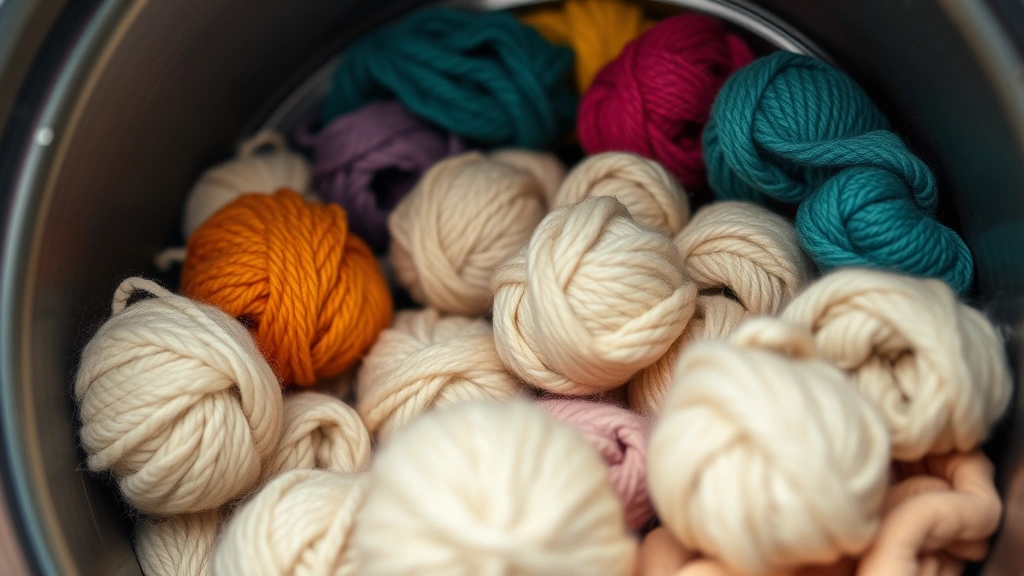
Wool dryer balls are one of the most popular and effective dryer solutions available. These natural wool spheres tumble with your clothes and physically separate them, reducing friction between garments. As a bonus, wool is a natural fiber that doesn’t generate static itself. Toss 3-6 wool dryer balls into your dryer, and they’ll bounce around throughout the cycle, keeping clothes separated and preventing clingy buildup. You can find wool dryer balls at most home improvement retailers, or check out This Old House for comprehensive laundry room guides.
Another excellent dryer trick involves adding moisture back into the load. A damp cloth—even just a washcloth dampened with water—tossed into the dryer with your clothes helps reintroduce moisture that reduces static formation. Alternatively, you can use dryer sheets, which work by coating fabrics with a thin layer of lubricant that reduces friction and helps dissipate electrical charges. However, dryer sheets aren’t the only option, and many people prefer natural alternatives.
Vinegar-soaked wool balls offer a budget-friendly alternative to commercial dryer sheets. Simply soak wool dryer balls in white vinegar, let them dry slightly, and toss them into your dryer. The vinegar helps conduct electricity away from your clothes while adding moisture to the drying environment. This method costs pennies compared to buying dryer sheets repeatedly.
Consider using the air-dry or no-heat setting on your dryer for the final 10-15 minutes of your cycle. After clothes are mostly dry, running a cool-down period allows remaining moisture to settle on fabrics without additional friction from heat. This technique, sometimes called “air fluffing,” significantly reduces static without requiring any additional products.
Laundry Day Prevention Methods
Prevention starts before clothes even reach the dryer. The choices you make during washing and sorting can dramatically impact how much static your clothes generate later. Separating synthetic materials from natural fibers during washing helps prevent excessive friction between problematic fabric combinations. While most people sort laundry by color, sorting by fabric type offers additional benefits beyond static reduction.
Adding fabric softener to your washing machine helps, though many people prefer alternatives due to cost and chemical concerns. A half-cup of white vinegar added to the rinse cycle provides similar benefits—it softens fabrics, reduces static, and costs a fraction of commercial fabric softeners. The vinegar smell dissipates completely once clothes dry.
Baking soda is another inexpensive laundry additive that reduces static while softening clothes. Add half a cup to your wash cycle along with your regular detergent. This method is particularly useful if you have sensitive skin or prefer avoiding chemical softeners. For more laundry wisdom, explore our comprehensive FixWise Hub Blog where we cover various household solutions.
Avoid overloading your washing machine. When the drum is too full, clothes don’t rinse properly, and excess detergent residue can actually increase static. Aim to fill your machine about three-quarters full, allowing clothes room to move freely. This same principle applies to your dryer—overstuffed dryer loads create more friction because clothes can’t tumble properly.
Quick Fixes for Existing Static
Sometimes you need immediate relief from static problems, especially if you’re already wearing clingy clothes or facing that awkward moment when your shirt sticks to your body. Several quick fixes work in seconds without requiring special products.
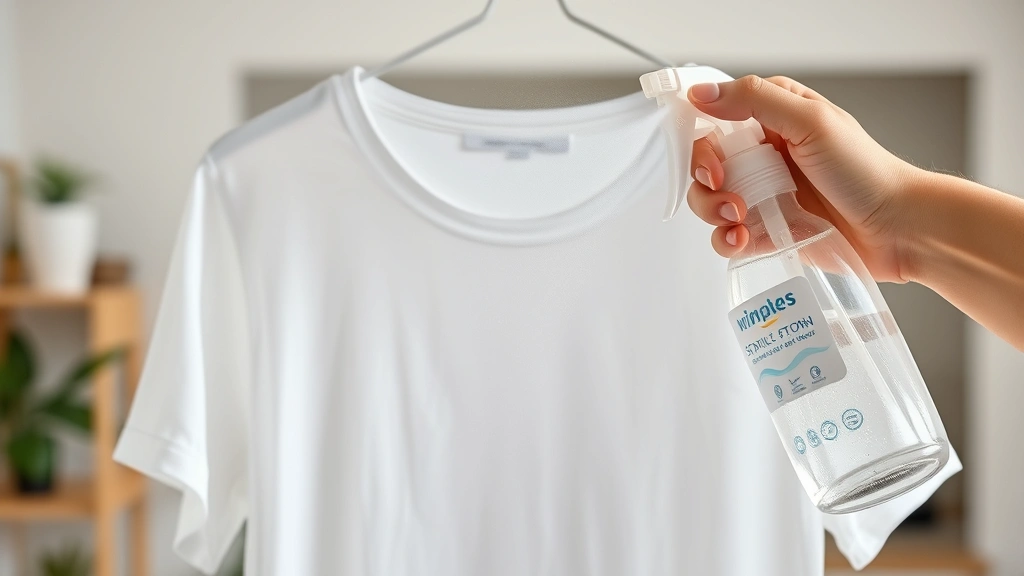
The water spray method is perhaps the quickest solution. Fill a spray bottle with water and lightly mist your clothes. The added moisture immediately helps dissipate static charges. This works particularly well for clothing you’re already wearing—just give your shirt or pants a light spray and the static cling disappears. Be careful not to oversaturate; a light mist is all you need.
Rubbing a metal object across your clothes helps ground and dissipate static electricity. A safety pin, metal hanger, or even a coin works in a pinch. Simply rub the metal object across the inside of your clingy garment, and the static charge transfers to the metal, which conducts it away safely. This technique is especially useful for static-prone skirts or dresses.
Touching a grounded metal object before handling your laundry prevents static shock. Grab a metal doorknob, pipe, or appliance before reaching into your dryer or folding warm clothes. This grounds your body and prevents the sudden discharge that causes that uncomfortable shock sensation.
Wearing a static-reducing undergarment or slip beneath prone fabrics eliminates the cling issue entirely. Since natural fibers don’t generate static, wearing cotton or silk underneath synthetic materials prevents them from clinging to your body. This is a particularly effective solution for women dealing with static-prone skirts or dresses.
Fabric Care and Material Choices
The type of clothing you buy significantly impacts how much static you’ll deal with. Understanding fabric composition helps you make smarter purchases that naturally resist static buildup. Natural fibers like cotton, linen, wool, and silk rarely generate problematic static because they conduct electricity effectively and absorb moisture from the air.
If you frequently struggle with static, gradually replacing synthetic-heavy clothing with natural fiber alternatives reduces the problem at its source. A 100% cotton t-shirt will never generate the static that a polyester blend shirt will. While natural fiber clothing sometimes costs more, the reduction in laundry frustration and increased comfort often justifies the investment.
When you must wear synthetic fabrics, layering with natural fiber garments underneath prevents cling. A cotton slip under a polyester dress, or a cotton undershirt beneath a synthetic blouse, eliminates the clingy sensation while keeping your outfit intact. This strategy is particularly valuable for professional wardrobes where you can’t simply choose different fabrics.
Pay attention to fabric blends when shopping. A 60% cotton, 40% polyester blend generates considerably less static than a 100% polyester garment. Reading labels and understanding composition helps you make informed choices that reduce future static problems. For additional household care insights, check out our guide on how to clean jewelry, which includes fabric care principles applicable to delicate garments.
Certain fabric treatments and finishes can affect static generation. Some manufacturers apply special coatings to reduce static, so comparing different brands of similar items sometimes reveals better options. Don’t hesitate to ask retail staff about static-resistant options when shopping for clothing.
Environmental Factors That Affect Static
Your home’s humidity level dramatically influences static electricity problems. During winter months when heating systems run constantly, indoor humidity often drops below 30%, creating ideal conditions for static buildup. Increasing humidity helps dissipate electrical charges naturally. Running a humidifier in your laundry room or bedroom during dry seasons significantly reduces static problems.
If purchasing a humidifier isn’t practical, simpler humidity-boosting methods work reasonably well. Hanging damp towels in rooms where you handle laundry adds moisture to the air. Taking hot showers—which produce steam—before handling clothes creates temporary humidity spikes that help reduce static. Even boiling water on the stove for several minutes raises room humidity enough to make a noticeable difference.
Temperature also plays a role in static generation. Excessive heat in dryers creates more friction between fabrics, increasing static buildup. Lowering your dryer temperature and extending drying time produces similar results with less static. This approach also extends the life of your clothing by reducing heat damage to delicate fibers.
The time of year matters more than many people realize. Winter static problems are typically 3-5 times worse than summer issues due to lower humidity levels. If you can tolerate air drying clothes during summer months, you’ll notice virtually no static problems. Hanging clothes outside or on indoor drying racks during warmer seasons eliminates the dryer friction entirely.
Consider the materials used in your laundry room itself. Carpeted laundry areas tend to experience more static problems because carpet doesn’t conduct electricity well. If possible, handle laundry on hard flooring like tile or vinyl, which conducts electricity better and helps dissipate charges more effectively. This simple environmental change yields surprising improvements for some households.
FAQ
What’s the best product to eliminate static in clothes?
Wool dryer balls are consistently the most effective and economical solution. They’re reusable, last for years, contain no chemicals, and work through simple physics by separating clothes during the drying cycle. For those preferring commercial products, look for wool dryer balls or quality dryer sheets from reputable manufacturers. Check Family Handyman for product recommendations and comparisons.
Is white vinegar safe for all fabric types?
White vinegar is safe for most fabrics, but always test on a hidden area first, especially with delicate or colored materials. Use half a cup in the rinse cycle, and the vinegar smell completely disappears once clothes dry. Avoid using vinegar with chlorine bleach, as the combination creates toxic fumes.
Can I prevent static without using a dryer?
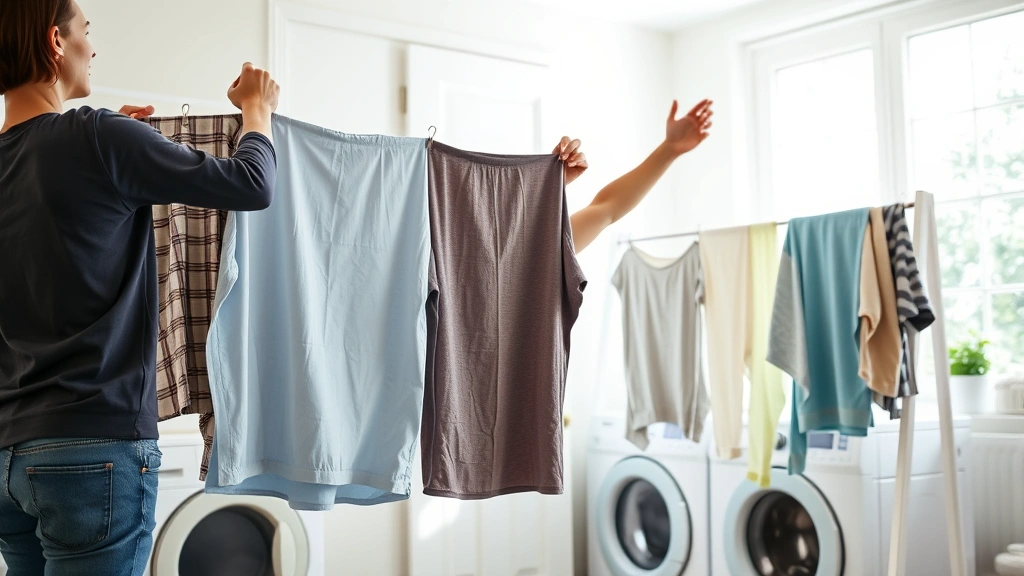
Absolutely. Air-drying clothes on a clothesline or drying rack eliminates the friction that causes static buildup. This method takes longer but produces completely static-free results. Combine air-drying with moisture-rich fabrics like natural fibers for best results.
How does humidity affect static electricity?
Humidity directly reduces static by allowing excess electrons to dissipate into the air. In dry conditions (below 40% humidity), static problems intensify. In humid conditions (above 50% humidity), static rarely occurs. Increasing home humidity during winter months through humidifiers or other methods significantly reduces static problems.
Why do synthetic fabrics generate more static than natural fibers?
Synthetic materials like polyester and nylon are poor electrical conductors, so electrons accumulate on their surface rather than dissipating. Natural fibers conduct electricity effectively and absorb atmospheric moisture, both of which help prevent static buildup. This is why cotton and wool generate minimal static compared to synthetics.
What’s the fastest way to eliminate static from clothes I’m already wearing?
The water spray method works fastest—simply mist your clingy garment lightly with water from a spray bottle. Rubbing a metal object across the inside of the garment also works instantly by grounding the static charge. Both methods provide immediate relief in seconds.

Related Posts

Superscript in Google Docs: Expert Tips

Strikethrough in Excel: Easy Steps for Beginners
