
How to Eat Edamame? Expert Tips Inside
How to Eat Edamame? Expert Tips Inside
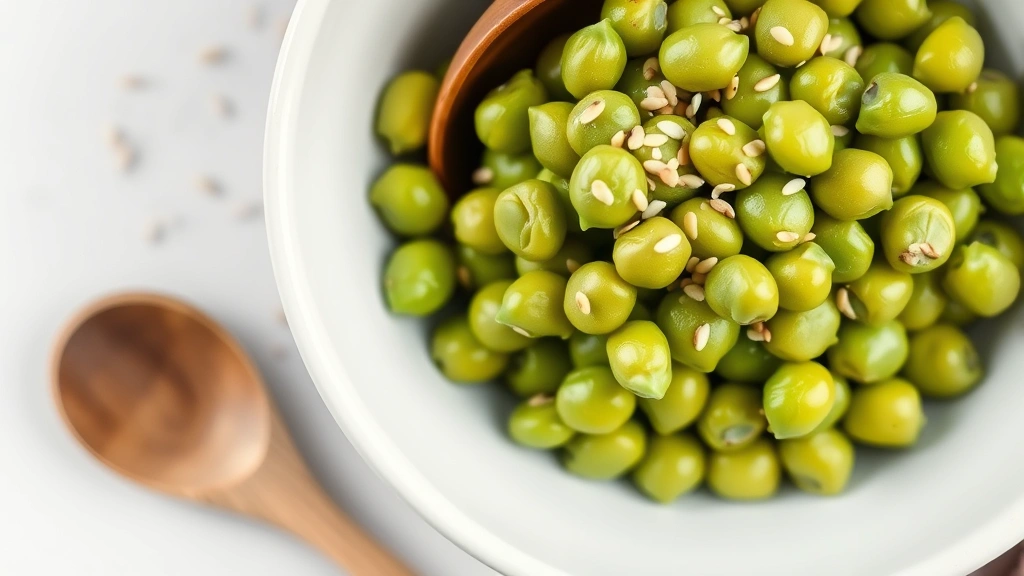
Edamame, the young soybean pods harvested before maturity, have become a beloved appetizer and snack across the globe. Whether you’re enjoying them at a Japanese restaurant or preparing them at home, knowing the proper technique transforms this simple legume into a satisfying culinary experience. These vibrant green pods pack impressive nutritional value—loaded with protein, fiber, and essential minerals—making them an excellent choice for health-conscious eaters.
The beauty of edamame lies in its versatility and ease of preparation. From boiling to roasting, these beans adapt to various cooking methods and flavor profiles. However, eating them correctly ensures you maximize both enjoyment and nutrition while avoiding common mistakes. This comprehensive guide walks you through everything you need to know about selecting, preparing, and consuming edamame like a true expert.
Understanding Edamame Basics
Edamame represents an important staple in Japanese cuisine and has gained tremendous popularity in Western kitchens. The name literally translates to “branch beans” in Japanese, referencing how the pods grow in clusters on the plant. Unlike mature soybeans used for tofu and soy sauce production, edamame are harvested at peak tenderness when the beans inside remain soft and slightly sweet.
These pods typically measure 2-3 inches long and contain 2-3 beans each. The exterior remains fibrous and inedible, serving as a protective shell for the tender beans within. Understanding this distinction is crucial—you never consume the pod itself, only the beans hidden inside. Fresh edamame pods feature a bright green color and firm texture, while frozen varieties maintain similar quality when properly stored. When selecting edamame, look for pods that feel heavy for their size and display vibrant coloring without browning or soft spots.
The flavor profile of edamame is subtly nutty and slightly sweet, making them adaptable to both savory and mildly sweet preparations. This versatility explains their popularity across diverse cuisines and cooking styles. Whether you’re preparing a simple home-cooked meal or exploring international flavors, edamame serves as an excellent nutritional foundation.
Preparation Methods
Boiling—The Traditional Approach
Boiling remains the most common preparation method for edamame, delivering consistently tender results. Fill a large pot with water and bring it to a rolling boil. Add a generous pinch of sea salt—approximately 2 tablespoons per quart of water—to season the beans from the inside out. This salting technique ensures even flavor distribution throughout the pods. Carefully add fresh or frozen edamame to the boiling water, stirring gently to prevent clumping.
For fresh edamame, boil for 5-7 minutes until the pods become tender but still maintain slight firmness. Frozen varieties typically require 4-5 minutes since they’ve already undergone partial cooking. Drain the pods thoroughly using a colander, then transfer them to a serving bowl. The residual heat will allow any remaining moisture to evaporate, preventing a soggy texture. Many cooks prefer adding a light drizzle of sesame oil or finishing salt immediately after draining while the pods remain warm.
Roasting—The Crispy Alternative
Roasting edamame creates an entirely different texture profile with concentrated flavors. Preheat your oven to 400°F (200°C). Pat dried edamame pods with paper towels to remove excess moisture—this step proves critical for achieving crispness. Toss the pods with a light coating of neutral oil such as vegetable or canola oil, then spread them in a single layer on a baking sheet. Season generously with sea salt and any desired spices before roasting.
Roast for 12-15 minutes, shaking the pan halfway through to ensure even cooking. The pods should develop a slightly darkened, crispy exterior while the beans inside remain tender. Remove from the oven and allow them to cool for 2-3 minutes before serving. Roasted edamame work wonderfully as a crunchy snack alternative to traditional chips, and they store well in an airtight container for several days.
Steaming—The Gentle Method
Steaming preserves maximum nutritional value while delivering perfectly tender results. Fill a pot with 1-2 inches of water and position a steamer basket above the waterline. Bring water to a simmer, then add edamame to the basket in a single layer. Cover and steam fresh pods for 8-10 minutes or frozen varieties for 6-8 minutes. The gentle heat ensures even cooking without nutrient loss through water absorption.
The Proper Eating Technique
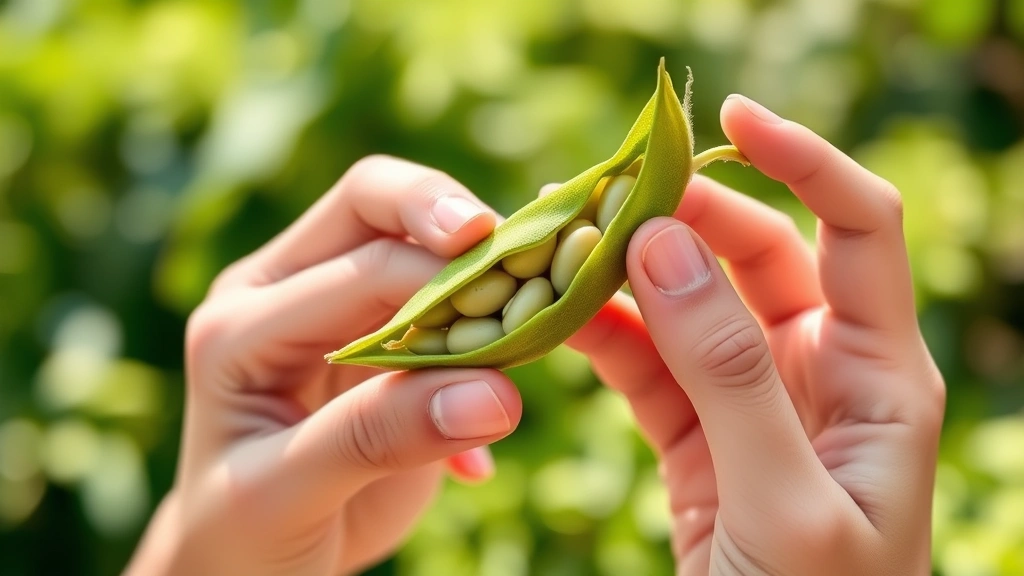
Eating edamame correctly involves a simple but specific process that maximizes enjoyment and minimizes mess. Hold a single pod horizontally between your thumb and forefinger, gripping it firmly but gently near the center. Bring the pod to your mouth and use your front teeth to apply gentle pressure along the seam—the natural line running lengthwise down the pod. This technique mimics how you’d open a pea pod.
As you bite down, the pod naturally splits open, and you can extract the beans directly into your mouth using your teeth or tongue. The beans should slip out smoothly if cooked properly. Spit out the empty pod into a designated bowl or onto your plate—never swallow pod material. Many restaurants provide small bowls specifically for collecting used shells, and home diners should establish a similar system.
For those preferring a less hands-on approach, you can split the pod open with your fingers and pop the beans directly into your mouth. This method works especially well when edamame are served at room temperature or cooled. Some people prefer using their fingernails to split the pod along the seam before extracting beans. Experiment with different techniques to discover your preferred method.
Common Mistakes to Avoid
Never attempt to bite through the entire pod shell—this creates an unpleasant texture and may damage your teeth. The pod’s fibrous exterior resists chewing and provides no nutritional value. Additionally, avoid overcooking edamame, which results in mushy beans that lack the pleasant slight firmness characteristic of properly prepared pods. Undercooked edamame present the opposite problem, delivering tough beans that resist extraction from the shell.
Don’t neglect seasoning during the cooking process. Adding salt to cooking water ensures flavor penetrates the beans, whereas sprinkling salt on finished pods leaves much of it on the exterior shell. This distinction significantly impacts the eating experience. Finally, avoid serving edamame at temperatures that are too hot, as this can cause burns when using your hands for extraction.
Flavor Variations and Seasonings
Classic Asian-Inspired Seasonings
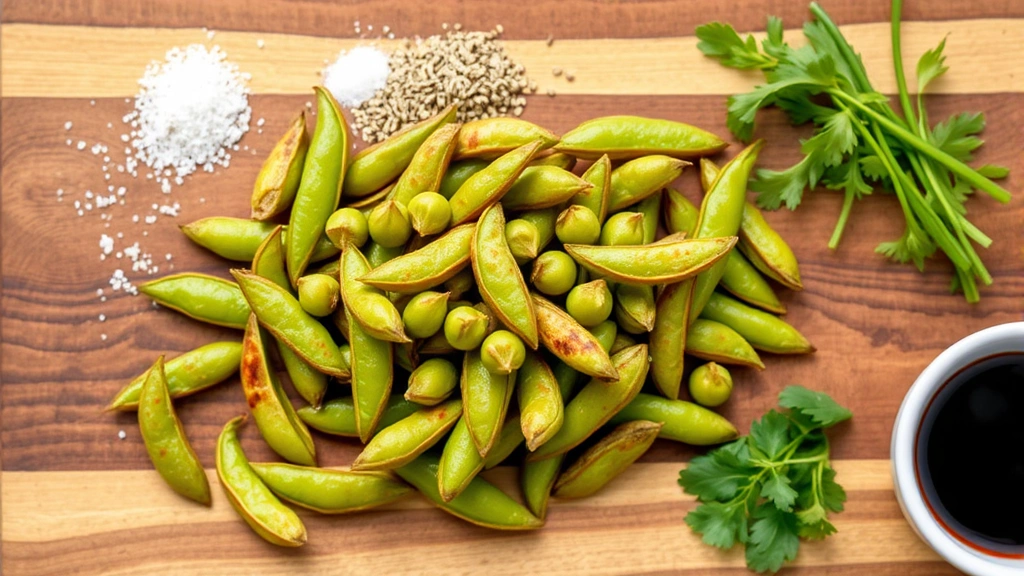
Traditional Japanese preparation relies on simplicity—usually just sea salt and perhaps a light drizzle of soy sauce or sesame oil. This approach highlights the beans’ natural nutty flavor without overwhelming them. For enhanced depth, sprinkle toasted sesame seeds over warm edamame immediately after cooking. The heat activates the seeds’ aromatic oils, creating a more complex taste profile.
Wasabi salt provides a spicy kick for those preferring heat. Mix finely ground wasabi powder with sea salt and sprinkle over warm edamame. Start conservatively, as wasabi’s intensity can surprise unprepared palates. Garlic salt offers another classic option—combine minced garlic with salt and toss with warm pods just before serving.
International Flavor Profiles
Mediterranean preparations incorporate garlic, lemon zest, and fresh herbs like oregano or parsley. Toss warm edamame with these seasonings plus a light olive oil drizzle for a Greek-inspired variation. Cajun seasoning brings bold flavors perfect for spice enthusiasts—combine paprika, cayenne pepper, garlic powder, and salt for a Louisiana-style twist that transforms humble edamame into a distinctive appetizer.
Indian-inspired preparations feature cumin, coriander, and turmeric combined with a touch of coconut oil. These warm spices complement edamame’s subtle sweetness while adding nutritional benefits. Mexican-style preparations use chili powder, lime juice, and cotija cheese for a south-of-the-border flair.
Sweet and Savory Combinations
For adventurous eaters, combining maple syrup with soy sauce creates a sweet-savory glaze. Brush this mixture onto roasted edamame during the final minutes of cooking, allowing it to caramelize slightly. Honey combined with sriracha delivers a sweet-spicy profile that works wonderfully with both boiled and roasted preparations.
Nutritional yeast provides an umami-rich, cheesy flavor without dairy products, making it ideal for vegan preparations. Sprinkle it generously over warm edamame for a savory boost. Furikake—a Japanese seasoning blend containing seaweed, fish flakes, and sesame seeds—offers complex flavors that elevate simple boiled edamame into a gourmet experience.
Storage and Food Safety
Fresh Edamame Storage
Fresh edamame pods maintain quality for 3-5 days when stored properly in your refrigerator’s vegetable crisper drawer. Keep them in their original packaging or transfer them to a perforated plastic bag that allows slight air circulation while retaining moisture. Never wash them before storage, as excess moisture promotes decay. When ready to prepare, rinse pods thoroughly under cool running water and pat dry before cooking.
Frozen Edamame Management
Frozen edamame offer convenience and extended shelf life—typically 8-12 months when maintained at proper freezer temperatures (0°F or below). Store them in their original packaging or transfer to airtight freezer containers, removing as much air as possible to prevent freezer burn. Frozen edamame don’t require thawing before cooking; simply add them directly to boiling water or your steaming basket. This convenience factor explains their popularity among busy home cooks.
Cooked Edamame Storage
Cooked edamame can be refrigerated for 3-4 days in an airtight container. Store them separately from their cooking liquid to prevent sogginess. Reheat gently in a microwave or by steaming before serving. Cooked edamame also freeze well for up to 2 months, though texture may become slightly softer upon thawing. Thaw frozen cooked edamame in the refrigerator overnight before reheating.
Food Safety Considerations
Always source edamame from reputable suppliers, whether purchasing fresh from farmers’ markets or frozen from established retailers. Inspect fresh pods for signs of mold, discoloration, or soft spots indicating spoilage. When preparing edamame at home, follow standard food safety practices: wash hands thoroughly before handling, use clean cutting boards and utensils, and avoid cross-contamination with other foods.
If serving edamame to guests, be aware that some individuals have soy allergies or sensitivities. Clearly communicate ingredients to anyone with dietary restrictions. Additionally, edamame contain goitrogens—compounds that may interfere with thyroid function when consumed in excessive quantities. Moderate consumption poses no health concerns for most people, but those with thyroid conditions should consult healthcare providers about appropriate intake levels.
Nutritional Benefits
Edamame represent a nutritional powerhouse deserving a regular place in balanced diets. A single cup of cooked edamame contains approximately 18 grams of protein, making them an excellent plant-based protein source suitable for vegetarians and vegans. This protein content rivals that found in many animal products while providing the added benefit of dietary fiber—approximately 8 grams per cup.
These beans deliver complete protein, containing all nine essential amino acids necessary for human health. This quality distinguishes edamame from many plant-based proteins, which often lack certain amino acids. The combination of protein and fiber promotes sustained satiety, helping control appetite and support weight management goals.
Beyond protein and fiber, edamame provide substantial quantities of vitamins and minerals. They’re rich in vitamin K, supporting bone health and blood clotting; folate, essential for DNA synthesis and cell division; and manganese, important for metabolism and bone development. Iron content makes them particularly valuable for individuals following plant-based diets or those at risk for iron deficiency.
Edamame also contain isoflavones, plant compounds with potential health benefits including antioxidant and anti-inflammatory properties. Research suggests these compounds may support heart health and hormonal balance, though more studies are needed to fully understand their mechanisms. The combination of nutrients, relatively low calorie content (approximately 190 calories per cooked cup), and versatile preparation methods makes edamame an intelligent choice for health-conscious eaters.
For those interested in complementary nutritious foods, edamame pair excellently with whole grains and other legumes to create complete, satisfying meals.
Frequently Asked Questions
Can you eat the edamame pod itself?
No, the pod shell is fibrous and inedible. Only consume the tender beans inside. The pod serves purely as a protective shell and should be discarded after extracting the beans.
How long does it take to cook edamame?
Boiling typically requires 5-7 minutes for fresh pods or 4-5 minutes for frozen. Steaming takes 8-10 minutes for fresh or 6-8 minutes for frozen. Roasting requires 12-15 minutes at 400°F. Cooking time varies based on pod size and whether they’re fresh or frozen.
Is it necessary to salt the cooking water?
While not strictly necessary, salting the cooking water is highly recommended. It seasons the beans from inside out, ensuring even flavor distribution. Use approximately 2 tablespoons of salt per quart of water for optimal results.
What’s the difference between edamame and mature soybeans?
Edamame are harvested at peak immaturity when beans remain soft and sweet. Mature soybeans, typically yellow or brown, are harvested later for processing into tofu, tempeh, and soy sauce. Edamame are eaten whole, while mature soybeans undergo processing before consumption.
Can you eat edamame cold?
Absolutely. Edamame are delicious served warm, at room temperature, or chilled. Cold edamame work wonderfully in salads, grain bowls, or as standalone snacks. Many prefer them chilled on hot days for their refreshing quality.
Are frozen edamame as nutritious as fresh?
Frozen edamame retain nearly all nutritional value of fresh varieties. Freezing occurs immediately after harvest, preserving nutrients effectively. In some cases, frozen edamame may contain slightly more nutrients than fresh pods that have spent time in transit and storage.
How do you know when edamame are fully cooked?
Properly cooked edamame should feel tender but maintain slight firmness when pressed between your teeth. The beans should extract easily from the pod without requiring excessive effort. Undercooked beans resist extraction, while overcooked ones become mushy and lose their pleasant texture.
Can edamame be incorporated into recipes beyond simple snacking?
Definitely. Edamame work wonderfully in stir-fries, grain bowls, salads, soups, and pureed into dips similar to hummus. Their mild flavor and nutritional density make them adaptable to countless cuisines and cooking styles, from Asian preparations to Mediterranean dishes.
What’s the best way to serve edamame at parties?
Boil or roast edamame according to your preference, season generously, and serve in shallow bowls with a separate collection bowl for shells. Provide napkins, as eating edamame can be slightly messy. Offering multiple seasoning options accommodates various guest preferences and dietary restrictions.
Are there any health concerns with consuming edamame regularly?
For most people, regular edamame consumption is perfectly safe and highly beneficial. However, those with soy allergies should avoid them entirely. Individuals with thyroid conditions may want to discuss appropriate intake levels with healthcare providers, as excessive consumption of goitrogens could potentially interfere with thyroid function.

Related Posts

Superscript in Google Docs: Expert Tips

Strikethrough in Excel: Easy Steps for Beginners
