
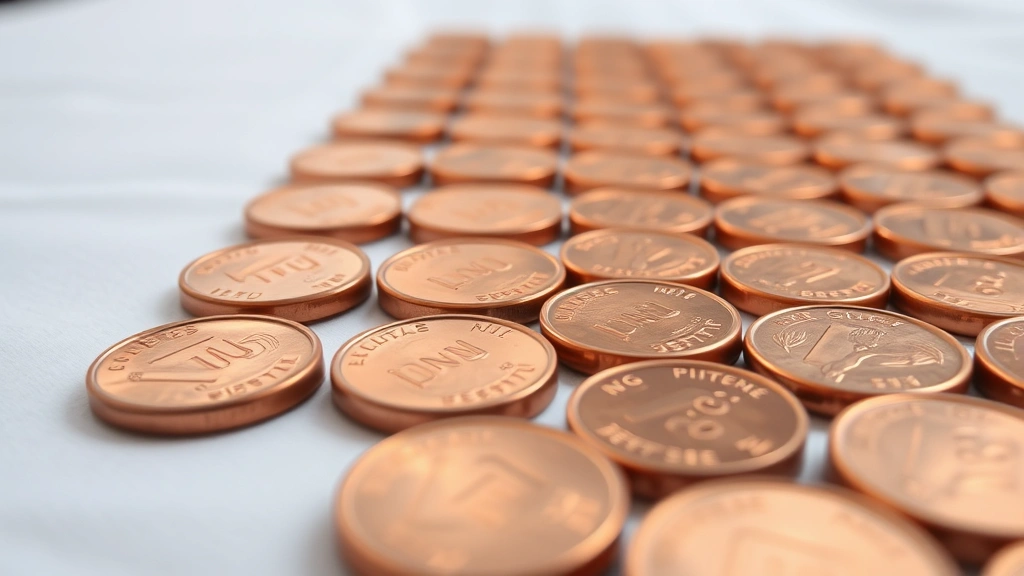
Clean Pennies Easily? Tips from Experts
How to Clean Pennies Easily: Tips from Experts
Cleaning pennies might seem like a simple task, but achieving that lustrous shine requires knowledge of the right techniques and materials. Whether you’re restoring old coins for a collection, preparing them for display, or simply curious about numismatic care, understanding how to clean pennies properly can make all the difference. This guide draws on expert advice to help you restore your pennies to their former glory without causing damage.
Pennies accumulate dirt, oxidation, and tarnish over time, especially if they’ve been sitting in jars or exposed to the elements. The copper composition of most pennies makes them particularly susceptible to patina buildup and discoloration. Learning the correct cleaning methods ensures you preserve the coin’s integrity while achieving noticeable results. We’ll explore multiple approaches, from gentle household solutions to specialized numismatic techniques.
Why Clean Pennies Matters
Understanding the importance of proper penny cleaning goes beyond aesthetics. Coin collectors and enthusiasts recognize that how you maintain your pennies affects their numismatic value and longevity. Removing harmful corrosion prevents further deterioration that could permanently damage the coin’s surface and diminish its historical significance.
Copper, the primary component of most pennies minted after 1962, naturally oxidizes when exposed to air and moisture. This oxidation creates a dark patina that, while historically interesting, can obscure important details and dates on the coin’s face. For collectors, being able to read the mint mark and year clearly is essential for cataloging and valuation purposes.
Beyond collecting, many people clean pennies for educational purposes or to prepare them for craft projects. Understanding the chemistry behind penny cleaning also teaches valuable lessons about oxidation and chemical reactions. Visit our guide on how to clean jewelry to learn more about caring for metal objects in your home.
Essential Supplies You’ll Need
Before beginning any penny cleaning project, gather the necessary supplies. Having everything ready prevents unnecessary interruptions and ensures you can work efficiently. Most of these items are common household staples that you likely already possess.
- White vinegar: A mild acid that effectively dissolves oxidation without harming the coin’s surface
- Salt: Acts as an abrasive when combined with vinegar, enhancing cleaning power
- Lemon juice: Natural citric acid provides gentle yet effective cleaning properties
- Baking soda: A mild abrasive that works well for delicate coins
- Olive oil: Helps restore shine and protect the penny after cleaning
- Soft-bristled brush: Essential for gentle scrubbing without scratching the surface
- Microfiber cloth: Prevents lint and scratches during polishing
- Small bowls: For holding cleaning solutions
- Distilled water: Prevents mineral deposits from tap water
- Rubber gloves: Protects your hands during the cleaning process
Having quality tools makes the cleaning process more effective and safer for your coins. Consider investing in a soft brass brush specifically designed for numismatic cleaning, as these won’t damage delicate coin surfaces like steel brushes might.
The Vinegar and Salt Method
The vinegar and salt method represents one of the most popular and effective approaches for cleaning pennies. This combination creates a gentle yet powerful cleaning solution that dissolves oxidation and tarnish without requiring harsh chemicals. This method works particularly well for heavily tarnished pennies that need substantial cleaning.
Step-by-step process:
- Pour white vinegar into a small bowl until you have enough to submerge your pennies
- Add salt to the vinegar, stirring until the salt dissolves completely
- Place your pennies into the solution, ensuring they’re fully covered
- Allow the pennies to soak for 15-30 minutes, depending on the level of tarnish
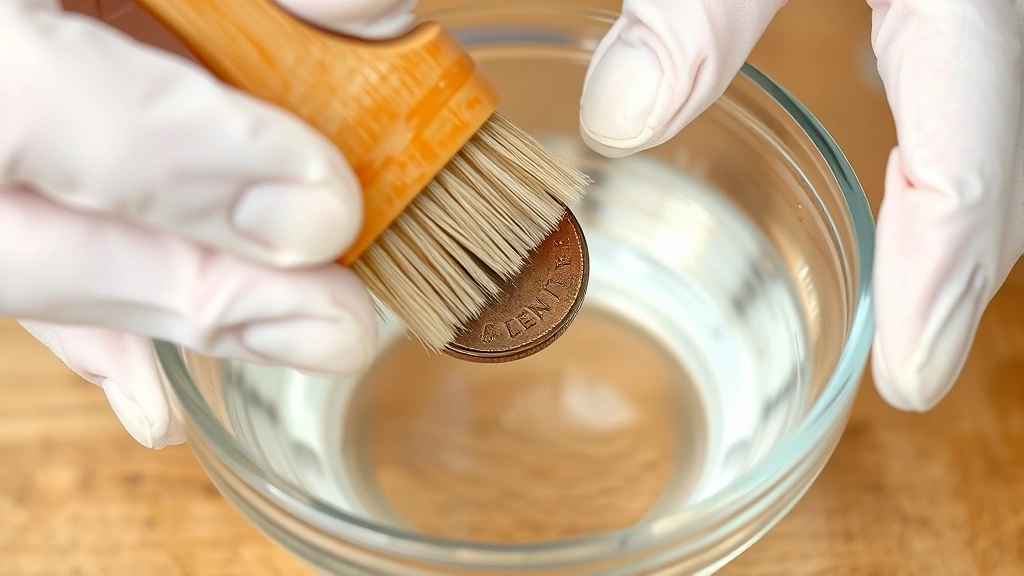
- Remove the pennies and gently scrub with a soft-bristled brush to remove loosened oxidation
- Rinse thoroughly with distilled water to remove all vinegar and salt residue
- Pat dry immediately with a microfiber cloth to prevent water spotting
The acetic acid in vinegar reacts with the copper oxide, breaking down the tarnish layer and making it easier to remove. The salt provides gentle abrasive action that helps dislodge stubborn oxidation without scratching the coin’s surface. Monitor your pennies during soaking—remove them early if they reach your desired cleanliness level.
Lemon Juice Cleaning Technique
Lemon juice offers a natural alternative to vinegar for penny cleaning, with citric acid providing similar oxidation-dissolving properties. Many experts prefer this method for older or more delicate pennies because it tends to be gentler while still delivering excellent results. The natural fragrance also makes this a more pleasant cleaning experience than vinegar-based methods.
Implementing the lemon juice method:
- Squeeze fresh lemon juice into a bowl or use bottled lemon juice for consistency
- Place your pennies directly into the lemon juice
- Let them soak for 10-20 minutes for light tarnish or up to 30 minutes for heavy oxidation
- Use a soft brush to gently scrub away loosened tarnish
- Rinse with distilled water multiple times to ensure all citric acid is removed
- Dry completely with a microfiber cloth
Fresh lemon juice typically works better than bottled varieties because it contains higher concentrations of citric acid. However, bottled lemon juice provides more consistent results and longer shelf life. For particularly stubborn tarnish, you can increase the soaking time or add a small amount of salt to create a more potent cleaning solution.
Baking Soda Paste Approach
The baking soda paste method appeals to those seeking a dry cleaning technique that doesn’t require liquid soaking. This approach works excellently for pennies with moderate tarnish and provides more control over the cleaning process. Many numismatists recommend this method for valuable coins because it’s less likely to cause unwanted chemical reactions.
Creating and applying baking soda paste:
- Mix baking soda with a small amount of water to create a thick, spreadable paste
- Apply the paste directly to the penny’s surface using a soft brush or cloth
- Gently rub the paste onto the tarnished areas using circular motions
- Allow the paste to sit for 5-10 minutes to enhance cleaning action
- Rinse thoroughly with distilled water to remove all baking soda residue
- Dry immediately with a microfiber cloth to prevent water spots
Baking soda works as a mild abrasive that removes tarnish without being aggressive enough to scratch or damage the coin’s surface. This method provides excellent control because you can see exactly where you’re cleaning and adjust pressure accordingly. For heavily tarnished pennies, you may need to repeat the process multiple times, applying fresh paste with each iteration.
Olive Oil Polish Method
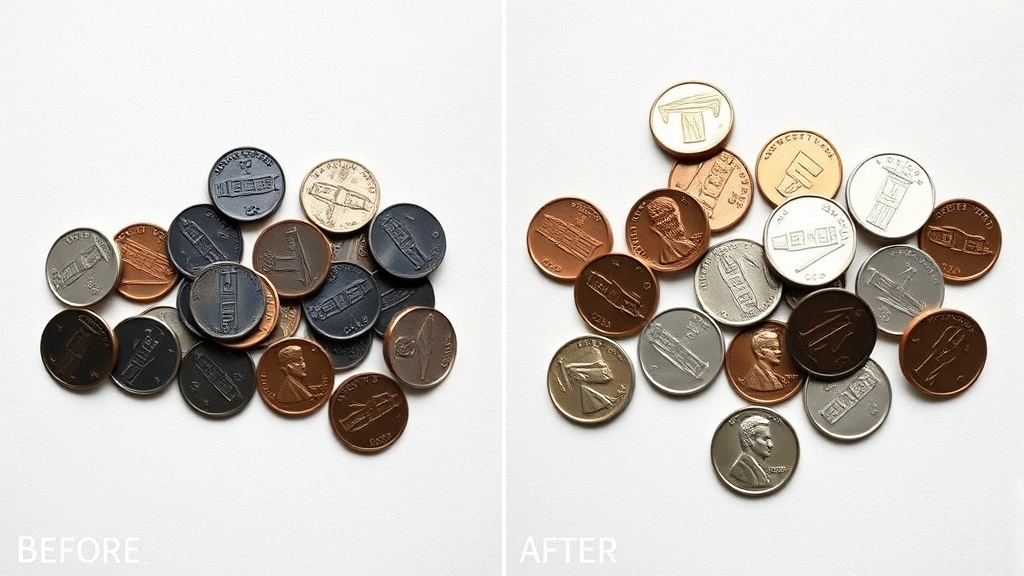
After cleaning your pennies with any of the previous methods, applying olive oil provides a protective coating and restores shine. This finishing step is crucial for preserving your cleaned pennies and maintaining their appearance over time. Olive oil creates a barrier against oxidation and enhances the natural copper color.
Applying olive oil for polish and protection:
- Ensure your pennies are completely dry before applying oil
- Place a small amount of olive oil on a soft cloth or microfiber rag
- Gently rub the oil across each penny’s surface in circular motions
- Use a clean, dry cloth to buff away excess oil and achieve desired shine
- Store the polished pennies in a cool, dry location away from moisture
Olive oil serves dual purposes: it enhances the penny’s appearance while providing temporary protection against future oxidation. The oil creates a hydrophobic barrier that repels moisture, slowing the re-tarnishing process. However, understand that this protection is temporary and will diminish over time, especially if pennies are handled frequently.
Advanced Cleaning Solutions
For collectors working with particularly valuable or heavily oxidized pennies, more advanced cleaning solutions may be necessary. These specialized approaches require more careful handling but deliver superior results for challenging cleaning situations. Always research specific recommendations for your coin type before attempting advanced cleaning methods.
Electrolytic cleaning represents one of the most effective advanced techniques. This method uses an electrical current to remove oxidation without damaging the coin’s surface. To perform electrolytic cleaning, you’ll need a 12-volt power source, stainless steel electrodes, washing soda solution, and specialized knowledge. Many serious collectors consider this the gold standard for penny restoration.
Another advanced option involves using commercial coin cleaning solutions specifically formulated for numismatic applications. These products, available from This Old House retailers and specialty coin suppliers, are designed to clean without causing damage. Always follow manufacturer instructions precisely and test on less valuable pennies first.
Professional conservation services offer another option for truly valuable coins. Expert numismatists can employ museum-quality cleaning techniques that preserve historical significance while restoring appearance. This investment is worthwhile for rare penny varieties or coins with significant monetary value.
What to Avoid When Cleaning Pennies
Understanding what not to do is equally important as knowing proper cleaning techniques. Many well-intentioned cleaning methods actually damage pennies, reducing their value and causing permanent harm. Avoiding these mistakes protects your coins and preserves their integrity for future enjoyment.
Never use these methods or materials:
- Steel wool or metal scrubbers: These abrasive materials scratch and gouge the coin’s surface, causing permanent damage that cannot be reversed
- Harsh chemical cleaners: Drain cleaners, bleach, and industrial solvents can cause pitting and discoloration that destroys numismatic value
- Polishing wheels or rotary tools: High-speed mechanical polishing removes metal from the coin’s surface, altering its weight and appearance
- Acetone or nail polish remover: These solvents can damage the coin’s protective patina and cause chemical burns
- Abrasive toothpaste: Even “whitening” toothpaste contains harsh abrasives that scratch delicate coin surfaces
- Prolonged soaking: Leaving pennies in any solution for excessive periods can cause unwanted chemical reactions
- Dishwasher or washing machine: High temperatures and mechanical agitation cause severe damage to coin surfaces
The key principle is gentleness: any cleaning method should remove only the unwanted oxidation layer while preserving the coin’s original surface. If you’re uncertain about a particular cleaning method, consult with experienced numismatists or professional coin conservators before proceeding. Learn more about gentle cleaning techniques by exploring our guide on how to clean a couch, which emphasizes careful material handling.
Drying and Storage Tips
Proper drying and storage are essential final steps that determine whether your penny cleaning efforts prove successful long-term. Improper drying or storage conditions can undo all your cleaning work by allowing new oxidation to form quickly. These practices protect your cleaned pennies and maintain their appearance.
Optimal drying procedures:
After rinsing with distilled water, immediately pat your pennies dry with a high-quality microfiber cloth. Microfiber absorbs moisture effectively without leaving lint or scratches. Avoid air-drying, which allows water spots to form and oxidation to begin anew. If any moisture remains, use a gentle heat source like a hair dryer on low setting to finish drying.
Storage best practices:
- Store cleaned pennies in airtight containers to minimize exposure to atmospheric moisture and oxygen
- Use acid-free holders specifically designed for coin storage, available from numismatic suppliers
- Place silica gel packets inside storage containers to absorb any residual moisture
- Keep containers in cool, dry locations away from direct sunlight and humidity
- Avoid storing pennies in basements or attics where temperature and humidity fluctuate dramatically
- Never store cleaned pennies in plastic bags or holders containing PVC, which causes green corrosion
Environmental conditions significantly impact how quickly your cleaned pennies re-tarnish. Humidity above 65% accelerates oxidation, while temperatures above 75°F increase chemical reaction rates. Climate-controlled storage in stable conditions preserves your cleaning results much longer than casual storage methods.
For valuable penny collections, consider investing in specialized storage solutions like acid-free albums or certified holder slabs. These professional-grade options provide superior protection compared to DIY storage methods. Many collectors photograph their cleaned pennies for documentation purposes before storage, creating a permanent record of the cleaned appearance.
FAQ
How long does it take to clean pennies using vinegar and salt?
Most pennies respond well to vinegar and salt cleaning within 15-30 minutes of soaking. Heavily tarnished pennies may require longer soaking times up to one hour. Checking your pennies periodically during soaking allows you to remove them at the optimal point when tarnish has loosened but the surface remains undamaged.
Can I clean old valuable pennies with these methods?
Exercise caution with rare or valuable pennies. Gentle methods like baking soda paste or short lemon juice soaks are generally safe for valuable coins. For pennies worth significant money, consider consulting professional numismatists or conservators before attempting any cleaning. Some collectors prefer to leave valuable coins uncleaned to preserve original patina and authenticity.
Why do my cleaned pennies tarnish again so quickly?
Rapid re-tarnishing indicates insufficient drying or improper storage conditions. Ensure pennies are completely dry before storage and keep them in airtight containers with silica gel. High humidity environments accelerate oxidation significantly, so evaluate your storage location’s moisture levels. Applying a thin protective coating of olive oil also slows re-tarnishing.
Is it safe to clean pennies minted before 1962?
Pre-1962 pennies are 95% copper, making them more susceptible to oxidation but also more rewarding to clean. Use gentler methods for these older coins, as their surfaces may be more delicate. Baking soda paste or short lemon juice soaks are excellent choices for pre-1962 pennies. Test any method on less valuable examples first.
What’s the difference between cleaning and polishing pennies?
Cleaning removes oxidation and tarnish layers, while polishing enhances shine and smoothness. Cleaning is typically a chemical process, whereas polishing is mechanical. For best results, clean first to remove tarnish, then apply gentle polishing with olive oil to achieve maximum shine without damaging the surface.
Can I use tap water for rinsing cleaned pennies?
Distilled water is strongly preferred over tap water because tap water contains minerals that leave spots and residue. If distilled water isn’t available, use filtered water as a compromise. Mineral deposits from tap water can create new discoloration that requires additional cleaning to remove.
How often should I clean my penny collection?
The frequency depends on storage conditions and handling. Properly stored pennies in stable environments may only need cleaning every few years. Frequently handled pennies or those stored in humid environments may require more frequent cleaning. Most collectors clean only when visible tarnish accumulates rather than on a set schedule.
For additional cleaning guidance on related items, explore our comprehensive resources on how to clean leather couch and how to clean oven to master various household cleaning techniques. Visit Family Handyman for additional home maintenance expertise and FixWiseHub Blog for more detailed cleaning and maintenance guides.

Related Posts

Superscript in Google Docs: Expert Tips

Strikethrough in Excel: Easy Steps for Beginners
