
Clean a Weighted Blanket? Expert Tips Inside
Weighted blankets have become a game-changer for better sleep and anxiety relief, but keeping them clean requires special care. Unlike regular bedding, the added weight—usually from glass beads or plastic pellets—demands a different cleaning approach to avoid damage. Understanding how to clean a weighted blanket properly will extend its lifespan and maintain its therapeutic benefits.
Many people assume they can toss a weighted blanket in the washing machine like any other comforter, but this common mistake can ruin the filling or cause uneven weight distribution. The good news? Cleaning your weighted blanket is straightforward once you know the right techniques. This guide covers everything from checking manufacturer labels to spot-cleaning stains and machine-washing methods that actually work.
Check the Manufacturer’s Care Label First
Before attempting any cleaning method, always locate and read the care label sewn into your weighted blanket. This label contains critical information about fabric type, weight capacity, and approved cleaning methods. Some blankets feature outer covers made from cotton, while others use microfiber, bamboo, or fleece—each requiring different treatment.
The fill material also matters significantly. Most weighted blankets contain either glass beads or plastic pellets, and some premium options use sand. If water somehow penetrates the inner compartments, it can cause mold, mildew, or rust (in glass bead blankets). Check whether your blanket has a removable cover, as this changes your cleaning strategy entirely.
Look for specific washing temperature recommendations, spin cycle settings, and whether dry cleaning is advised. Many manufacturers recommend cool or warm water rather than hot, which can damage synthetic fabrics or cause the filling to shift. If the label says “dry clean only,” attempting home cleaning could void your warranty.
Spot-Cleaning Stains and Spills
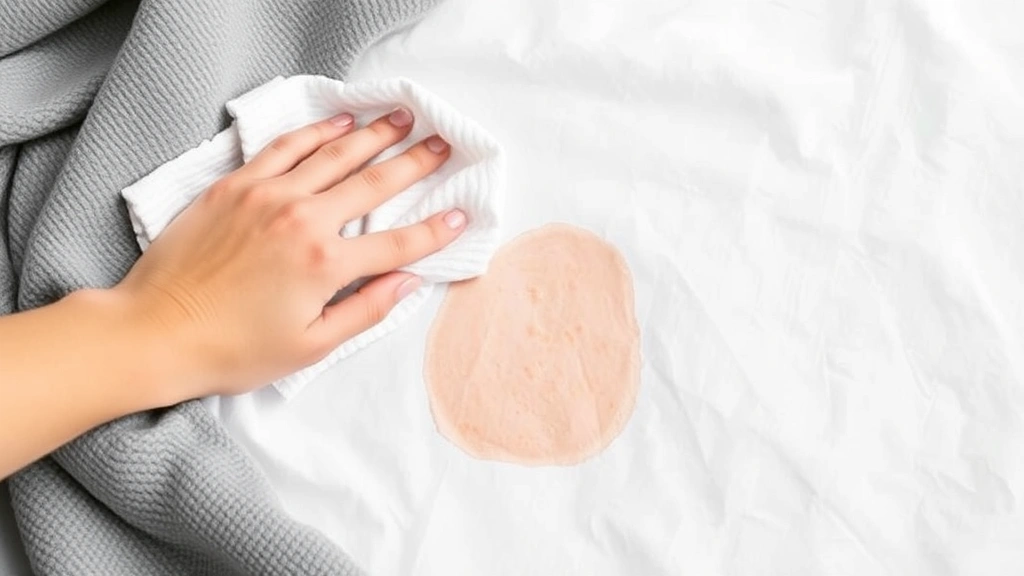
For minor stains or fresh spills, spot-cleaning is your first line of defense. This method prevents the need for a full wash and keeps your blanket fresher between deep cleans. Start by blotting—never rubbing—the stain with a clean white cloth to absorb excess liquid. Rubbing spreads the stain deeper into fibers and can damage the fabric.
Mix a solution of mild detergent and cool water (about one tablespoon of dish soap per cup of water). Dip a soft cloth into this solution and gently dab the affected area. Work from the outside edges of the stain toward the center to prevent it from spreading. Rinse the cloth with plain cool water and dab again to remove soap residue.
For protein-based stains like blood or vomit, use cold water rather than warm, as heat can set these stains permanently. For ink or dark stains, consider using a mixture of equal parts white vinegar and water. Let it sit for 5-10 minutes before blotting. Always test any cleaning solution on an inconspicuous corner first to ensure it won’t discolor or damage the fabric.
Common household items work surprisingly well for specific stains. Baking soda can absorb odors and lift fresh stains when sprinkled directly on the spot and left for 15 minutes before vacuuming. For grease stains, a small amount of rubbing alcohol on a cloth can help break down oils without saturating the blanket.
Machine Washing Your Weighted Blanket
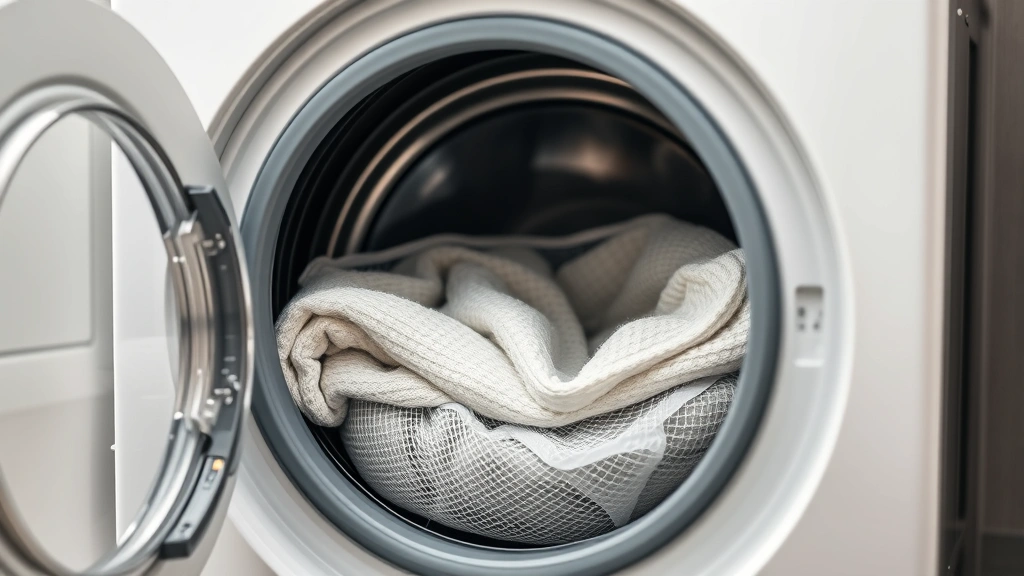
Many weighted blankets are machine-washable, but success depends on following specific guidelines. First, check your washing machine capacity. Weighted blankets typically weigh 15-30 pounds, so you need a large-capacity washer—ideally an industrial or commercial-sized machine at a laundromat if your home machine seems too small.
Use a gentle or delicate cycle with cool or lukewarm water (not hot). Hot water can damage synthetic covers and may cause filling materials to shift or degrade. Add mild detergent—about half the normal amount—as excess soap is difficult to rinse out and can leave residue.
Never use bleach or fabric softener on weighted blankets. Bleach weakens fibers and can cause discoloration, while fabric softener creates a coating that reduces breathability. If your blanket has a removable cover, wash it separately from the inner blanket to reduce overall load weight and ensure thorough cleaning.
Before washing, check for any small tears or holes in the seams. If you find damage, repair it first with a needle and thread or a patch to prevent filling from leaking during the wash cycle. Place your blanket in a mesh laundry bag designed for delicate items—this provides extra protection and prevents tangling.
Run an extra rinse cycle to ensure all soap is removed. Detergent buildup can make the blanket feel stiff and reduce its comfort. After washing, remove the blanket promptly to prevent mildew development from sitting in the damp machine.
Hand Washing Method
For weighted blankets with delicate fabrics or those you’re hesitant about machine washing, hand washing offers maximum control. Fill a bathtub with cool water and add a small amount of mild detergent. Submerge the blanket and gently agitate it for 5-10 minutes, working the soapy water through the fabric.
Pay special attention to areas that accumulate body oils and sweat—typically around the head and shoulders. Use gentle squeezing motions rather than wringing or twisting, which can damage fibers and cause the fill to clump. After 10 minutes, drain the tub and rinse the blanket thoroughly with clean cool water.
This process may require 2-3 rinses to remove all soap completely. You’ll know you’re done when the rinse water runs clear with no visible soap suds. Hand washing takes more time than machine washing but reduces wear on the blanket and gives you better control over water temperature and agitation.
For heavily soiled blankets, you might let the blanket soak for 15-20 minutes in the initial soapy water before agitating. This allows the detergent time to break down dirt and oils. However, avoid soaking for extended periods, as this can weaken fibers and increase the risk of mildew.
Drying and Storage Tips
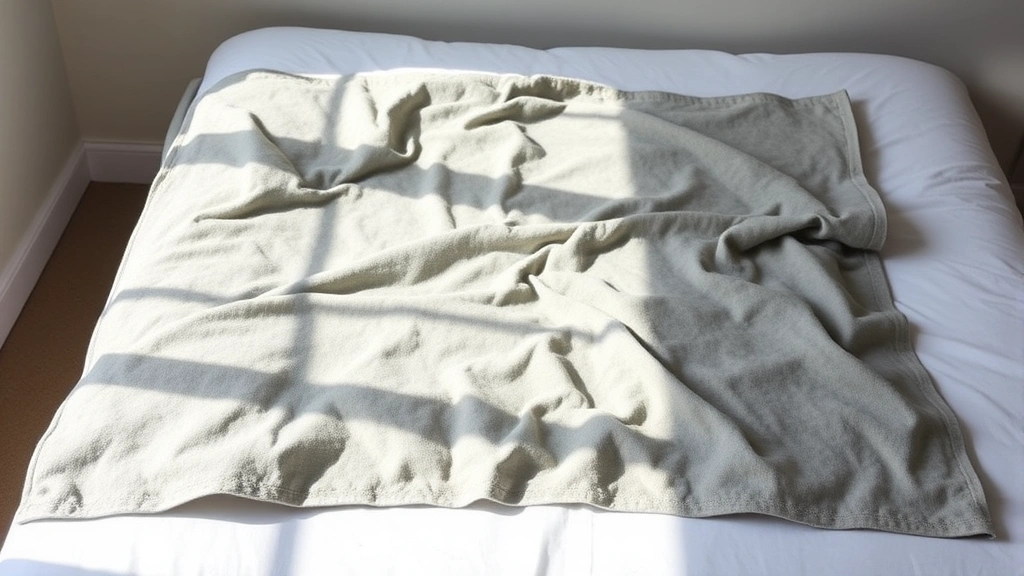
Proper drying is crucial for weighted blankets. Never use a standard dryer, as high heat can melt synthetic fabrics, damage the filling, and create a fire hazard if the blanket contains certain materials. Instead, air-dry your blanket by laying it flat on a clean surface, draping it over a drying rack, or hanging it on a clothesline in indirect sunlight.
If laying flat, place the blanket on a clean bed, clean floor, or outdoor surface away from direct sunlight. Flip it every few hours to ensure even drying. This process typically takes 24-48 hours depending on humidity and blanket thickness. Don’t move the blanket until it’s completely dry, as the weight can cause strain on wet seams.
For faster drying, use a low-heat setting in your dryer if the manufacturer approves it. Some weighted blankets can tolerate 10-15 minutes on low heat to speed up the process, but always check the care label first. Add wool dryer balls to help fluff the blanket and improve air circulation without adding heat.
Once completely dry, store your blanket in a cool, dry place. Avoid plastic storage bins, which trap moisture and can promote mildew growth. Instead, use breathable cotton storage bags or simply fold the blanket in your closet. If storing long-term, place a moisture-absorbing packet like silica gel nearby to keep the environment dry.
Never store a damp or partially dry blanket, as this creates an ideal environment for mold and mildew. These organisms can cause health issues and permanently damage the blanket. If you notice any musty odors before storing, air-dry it longer or place it in direct sunlight for several hours to eliminate moisture completely.
When to Seek Professional Cleaning
Some situations call for professional cleaning services. If your blanket has a large stain that won’t come out with home methods, professional dry cleaners have access to stronger solvents and specialized equipment. Look for dry cleaners experienced with delicate items and weighted blankets specifically.
If you’re unsure about your blanket’s construction or the care label is missing or illegible, professional cleaning removes the guesswork. Professionals can assess fabric type, filling material, and construction to determine the safest cleaning approach. This is especially important for expensive or heirloom-quality blankets.
Additionally, if your blanket develops mildew or mold—indicated by black or green spots and musty odors—professional remediation is recommended. Home cleaning methods may not eliminate all spores, and professionals have specialized treatments that kill mold without damaging the blanket.
Professional cleaning costs typically range from $30-$75 depending on your location and blanket size. While this is more expensive than home cleaning, it’s cheaper than replacing a damaged blanket and provides peace of mind that your investment is properly cared for. Always ask the cleaner about their experience with weighted blankets before committing.
FAQ
Can I put my weighted blanket in the dryer?
Generally, no. High heat can damage synthetic fabrics and the filling material. Some manufacturers allow low-heat settings for 10-15 minutes, but always check your care label first. Air-drying is the safest method for most weighted blankets.
How often should I wash my weighted blanket?
Wash your weighted blanket every 2-4 weeks if you use it nightly. If you use it occasionally, quarterly washing is sufficient. Spot-clean stains as they occur to reduce the need for full washes.
What if my weighted blanket smells musty?
Place it in direct sunlight for several hours, as UV rays kill odor-causing bacteria. You can also sprinkle baking soda over the blanket, let it sit for 15 minutes, then vacuum it up. If the smell persists, ensure the blanket is completely dry and store it in a well-ventilated area.
Is it safe to wash a weighted blanket with a removable cover?
Yes, and it’s actually recommended. Wash the removable cover with regular bedding using normal settings. Wash the inner blanket separately on a gentle cycle. This reduces overall load weight and allows each component to be cleaned appropriately for its specific material.
Can I use fabric softener on my weighted blanket?
No, avoid fabric softener. It creates a coating on fibers that reduces breathability and can interfere with the blanket’s therapeutic properties. Stick to mild detergent only.
For additional cleaning guidance on similar household items, check out our guide on how to clean a couch, which covers delicate fabric care techniques. You might also find our article on how to clean a mousepad useful for understanding spot-cleaning methods on various materials.
Visit This Old House’s mattress cleaning guide for related bedding care tips. The Family Handyman’s mattress cleaning article offers additional deep-cleaning strategies applicable to weighted blankets. For product recommendations, Bed Bath & Beyond carries specialized blanket cleaning products and mesh washing bags.

Related Posts

Superscript in Google Docs: Expert Tips

Strikethrough in Excel: Easy Steps for Beginners
